The unassuming grave in Oak Hill Cemetery, Cleburne, Texas, held a secret for decades. For years, the identity of the man buried beneath the weathered headstone bearing the name J. Frank Dalton was a source of contention and deep-seated mystery. The story of J. Frank Dalton, and the eventual exhumation that sought to finally settle the matter, is a peculiar saga woven from mistaken identities, audacious claims, and the relentless pursuit of truth through the stark realities of forensic science. It’s a narrative that transcended local lore to become a compelling case study in the challenges of proving identity long after a person has passed from this world.
The Shadow of Doubt and the Legend of the Wrong Body
The story begins with a man named J. Frank Dalton, a figure shrouded in a mist of conflicting accounts. While records indicated he died in 1951, the claim that the body interred in Cleburne was not truly Dalton’s began to circulate, gaining traction over the years. This doubt wasn’t born from mere speculation; it stemmed from a web of circumstantial evidence and the persistent assertions of individuals who claimed to know the true story. The narrative that took hold was one of an alleged mistaken burial, a consequence of circumstances surrounding Dalton’s death that allowed for a switch, or perhaps a deliberate deception, to occur. The legend suggested that the man who died and was subsequently buried as J. Frank Dalton was, in fact, someone else entirely, leaving the true J. Frank Dalton’s fate ambiguous. This ambiguity fostered a fertile ground for intrigue, as the possibility of a living Dalton, or a different individual occupying his grave, fueled local gossip and eventually attracted wider attention. The lack of definitive proof at the time only served to embolden these claims, creating a tantalizing mystery that refused to fade.
Whispers of an Imposter
The whispers that the wrong body lay in Oak Hill Cemetery were not sudden outbursts but rather a slow, insidious creep. They spoke of inconsistencies in the circumstances of Dalton’s death, of hurried burials, and of individuals who had reason to obscure the truth. Some narratives suggested that a man suffering from a profound illness, who bore a resemblance to Dalton, was mistakenly identified as him, or perhaps as a deliberate act, was allowed to be buried under Dalton’s name. Others pointed to potential criminal connections, suggesting that a body was switched to allow a fugitive to escape justice, or that Dalton himself had a reason to disappear and stage his own death. These whispers, though often unsubstantiated, were persistent, passed down through generations and reinforced by those who claimed intimate knowledge of the events. The very air around the J. Frank Dalton grave seemed to hum with unanswered questions.
The Impetus for Investigation
The legend of the wrong body would likely have remained just that—a legend—had it not been for dedicated individuals and the advancements in forensic science that provided the tools to test these extraordinary claims. The turning point came when the possibility of a scientific investigation was seriously contemplated. For years, the cemetery records, the superficial examination of the remains, and the prevailing anecdotal evidence were insufficient to justify disturbing a grave. However, as time marched on, and the story continued to captivate, a desire for definitive closure grew. This desire was fueled by a combination of historical curiosity, a sense of injustice if a wrong had indeed been committed, and the growing confidence in DNA testing and other forensic techniques. The stage was set for a confrontation with the past, a confrontation that would require digging not only into the earth but also into the very fabric of truth.
The mysterious case of J. Frank Dalton’s wrong body exhumation has sparked considerable intrigue and debate among historians and forensic experts alike. This incident raises questions about identity, authenticity, and the complexities of historical narratives. For those interested in exploring the broader implications of skilled craftsmanship and engineering in forensic science, a related article can be found at Mexico’s Skilled Engineering Talent, which delves into the advancements in engineering that aid in the resolution of such perplexing cases.
The Arduous Path to Exhumation
The decision to exhume a body is never taken lightly. It involves complex legal procedures, ethical considerations, and a profound respect for the deceased and their families. In the case of J. Frank Dalton, the path to the exhumation was paved with these very challenges. The claims, while persistent, needed to be substantiated enough to satisfy legal and ethical requirements for such an invasive procedure. This meant gathering evidence, presenting compelling arguments, and navigating the bureaucratic channels that govern such matters. The uncertainty surrounding the identity, the passage of time, and the potential for familial distress all weighed heavily on those who advocated for the exhumation. It was a process that demanded patience, persistence, and a deep commitment to uncovering the truth, no matter how uncomfortable that truth might be.
Legal Hurdles and Ethical Dilemmas
Bringing the mystery of J. Frank Dalton’s grave to a head involved overcoming significant legal and ethical hurdles. In Texas, as in many jurisdictions, disturbing a grave requires specific legal authorization. This typically involves demonstrating a compelling reason, such as clear evidence of foul play, a dispute over inheritance, or, as in this case, a well-founded doubt about the identity of the deceased that could only be resolved through scientific means. Families of the deceased, even if estranged, often have rights and must be consulted or notified. The potential emotional toll on living relatives who believed the grave held their loved one was a significant ethical consideration. Furthermore, the very act of exhumation, while scientifically necessary, is inherently disruptive and can be seen as disrespectful if not handled with the utmost care and sensitivity. The legal framework is designed to protect against frivolous or disrespectful intrusions into final resting places, making the case for the Dalton exhumation a rigorous one.
Securing the Necessary Permissions
The journey to securing the necessary permissions for the J. Frank Dalton exhumation was a testament to the tenacity of those involved. It required presenting a case that transcended mere folklore and demonstrably indicated a genuine possibility of a misidentification. This likely involved presenting sworn affidavits from individuals with knowledge of the conflicting claims, historical documents that raised questions, and, crucially, the scientific rationale for why an exhumation and subsequent analysis were warranted. Legal representatives would have played a pivotal role, working with the courts and relevant authorities to navigate the legal intricacies. The process would have involved petitioning the court, presenting evidence, and arguing for the necessity of the exhumation. The outcome was not guaranteed, and the proponents of the exhumation had to build a strong, fact-based argument to convince the authorities that the historical and scientific imperative outweighed the legal and ethical reservations.
The Day of Reckoning: The Exhumation
The day of the exhumation itself was a somber and scientifically orchestrated event. Held under careful observation, often with law enforcement present to ensure the integrity of the process, the grave was opened. Forensic anthropologists and archaeologists were typically on hand to meticulously unearth the remains, preserving any evidence that could shed light on the identity. The primary objective was to recover skeletal remains that were suitable for DNA extraction and analysis. The process was carried out with a profound respect for the deceased, focusing on the scientific imperative while acknowledging the solemnity of the occasion. The unearthed remains, once carefully documented and collected, were then prepared for transport to a specialized laboratory for the detailed forensic analysis that would hopefully unlock the secrets held within the bones.
The Scientific Scrutiny: Unearthing the Truth from DNA
The true revelation in the J. Frank Dalton case lay not in the whispers of legend but in the silent language of DNA. Once the remains were exhumed, they became the subject of intensive scientific investigation. The skeletal material, if preserved adequately, held the key to unlocking the genetic blueprint of the individual buried in Oak Hill Cemetery. This process, fraught with anticipation, involved highly specialized techniques designed to extract and analyze DNA from ancient or degraded samples. The success of this endeavor hinged on the ability of forensic scientists to isolate viable DNA fragments and then compare them to known genetic profiles, ultimately aiming to definitively determine if the remains belonged to J. Frank Dalton or someone else entirely.
The Art and Science of DNA Extraction from Skeletal Remains
Extracting viable DNA from skeletal remains, especially those that have been interred for decades, is a highly specialized and delicate procedure. The DNA within bone tissue is often degraded by environmental factors such as moisture, soil chemistry, and microbial activity. Forensic scientists employ meticulous techniques to overcome these challenges. This typically begins with the careful cleaning and sterilization of bone fragments to prevent contamination from modern DNA. Then, the bone is pulverized, and chemical reagents are used to break down the bone matrix and release the DNA. Several different extraction methods exist, each designed to maximize the yield of DNA while minimizing fragmentation and contamination. The quality and quantity of the extracted DNA are critical for the subsequent analysis. Even small amounts of degraded DNA can be sufficient for genetic profiling, but the process requires extreme precision and a deep understanding of molecular biology and forensic science.
The Power of Forensic DNA Profiling
Once DNA has been successfully extracted, the next crucial step is forensic DNA profiling. This process generates a unique genetic fingerprint for the individual whose DNA has been analyzed. Modern DNA profiling techniques, such as Short Tandem Repeat (STR) analysis, examine specific regions of the genome that are highly variable between individuals. These regions are amplified using a process called Polymerase Chain Reaction (PCR) to create millions of copies of the target DNA sequences. The amplified fragments are then separated based on their size, and the resulting profile is a series of numbers representing the lengths of the STR alleles at each tested locus. This profile is highly discriminatory, meaning it is extremely unlikely for two unrelated individuals to share the same DNA profile. The power of this technique lies in its ability to distinguish individuals with an exceptionally high degree of certainty.
The Crucial Comparison: Matching DNA Profiles
The ultimate goal of the DNA analysis in the J. Frank Dalton case was to make a conclusive comparison. This involved obtaining reference DNA samples from individuals who could potentially be related to the true J. Frank Dalton. This could include living descendants, such as children, grandchildren, or siblings, or even historical samples if available. If a direct descendant was available, their DNA profile could be compared to the profile generated from the skeletal remains. A strong match, indicating that the deceased and the descendant share a significant amount of genetic material, would provide powerful evidence of kinship. Alternatively, if direct descendants were unavailable, genetic genealogy databases could be employed, comparing the skeletal DNA to profiles in these databases to identify distant relatives and then work backward to establish a link to J. Frank Dalton. The absence of a match to any known relatives of J. Frank Dalton would also be a significant finding, suggesting the buried individual was indeed not him. The interpretation of these comparisons requires careful statistical analysis to determine the probability of a match occurring by chance.
The Unveiling of Truth: The Forensic Verdict
The culmination of the forensic investigation into the J. Frank Dalton remains was the scientific verdict. This was not a matter of opinion or speculation but a declaration based on objective, scientific data. The DNA analysis provided a definitive answer to the long-standing question of identity, resolving the mystery that had lingered for so long. The findings, once rigorously analyzed and confirmed, brought an end to the era of doubt and ushered in a new understanding of the individual interred in Oak Hill Cemetery. The scientific scrutiny, through the power of DNA, had finally lifted the veil of uncertainty.
The Results of the DNA Analysis
The results of the DNA analysis provided the definitive answer to the mystery. After meticulous extraction, amplification, and profiling, the DNA extracted from the skeletal remains was compared to reference samples. These reference samples were crucial, as they represented the genetic signature of potential relatives of the purported J. Frank Dalton. The scientific reports detailed the specific genetic markers analyzed and the statistical probability of the match. If the analysis showed a high degree of genetic similarity between the skeletal DNA and the DNA of a verified descendant of J. Frank Dalton, the conclusion would be that the remains were indeed those of J. Frank Dalton. Conversely, if no significant genetic match was found with any of the known relatives, or if the genetic profile was inconsistent with the expected profile of J. Frank Dalton, the conclusion would be that the buried individual was not him.
Implications of the Forensic Findings
The implications of the forensic findings were far-reaching, impacting not only the historical record but also potentially the lives of individuals connected to the Dalton family. If the remains were confirmed to be J. Frank Dalton, it would validate the accuracy of the initial burial records and put an end to the persistent rumors of a mistaken identity. This would provide closure for those who had harbored doubts and allow for the historical narrative to be corrected. However, if the DNA analysis concluded that the buried individual was not J. Frank Dalton, the implications would be even more profound. It would mean that the true J. Frank Dalton’s fate remained unknown, and that a different individual had been mistakenly buried in his place. This would open new avenues for investigation into the identity of the unknown person and raise further questions about the circumstances surrounding the original burial. The forensic verdict served as a catalyst for a re-evaluation of the past, forcing a confrontation with the established narrative.
Closure and a New Chapter in the Mystery
The conclusion drawn from the scientific evidence brought a form of closure to the long-standing mystery of J. Frank Dalton. Whether the remains were identified as Dalton or as an unknown individual, the persistent doubt and speculation were finally addressed by objective science. For the descendants and the community, this closure could manifest in different ways. For some, it would be the satisfaction of knowing the truth and correcting the historical record. For others, if the individual was identified as someone other than Dalton, it would mark the beginning of a new chapter in the mystery, prompting further research into the identity of the unknown person and the circumstances that led to their misidentification. The exhumation and subsequent analysis, while resolving one enigma, could potentially open up others, highlighting the enduring power of unresolved questions and the relentless human drive to uncover the truth, even from the depths of the past.
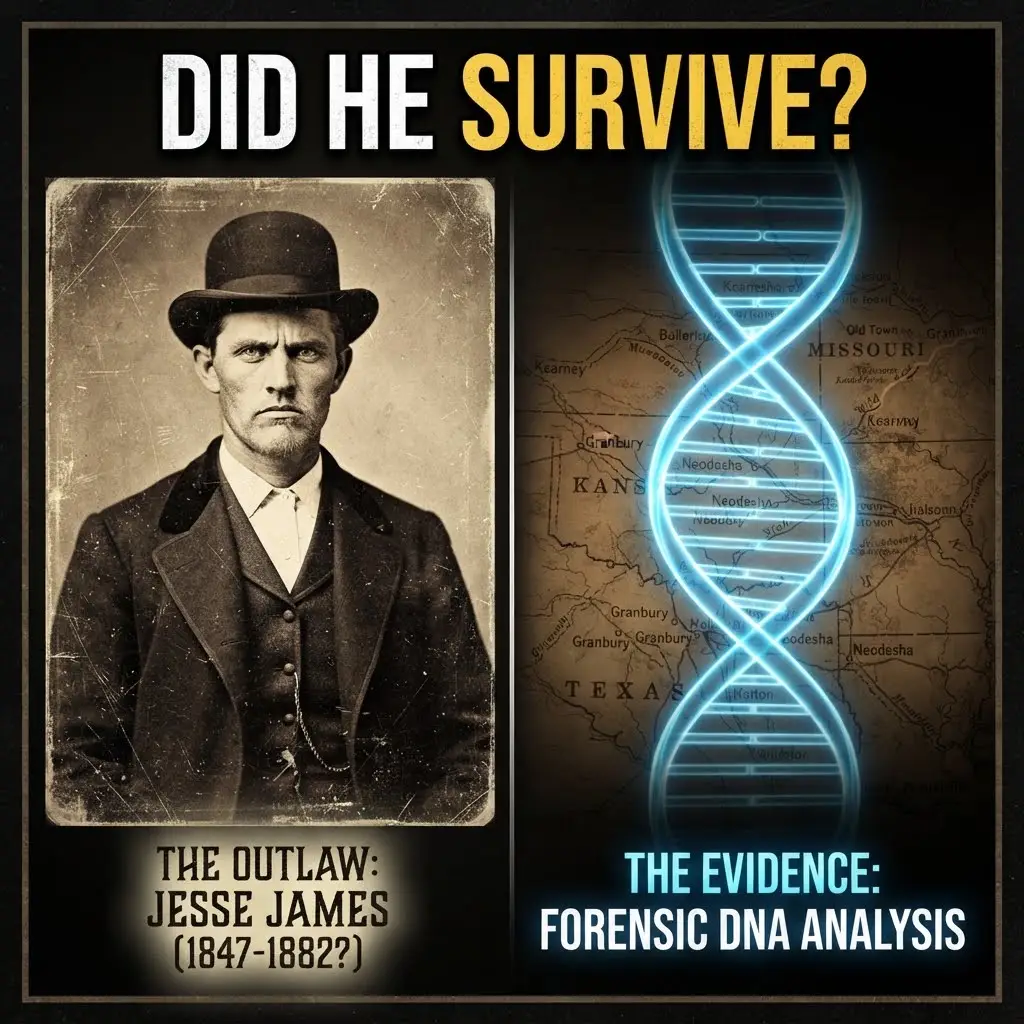
The controversial exhumation of J. Frank Dalton, who claimed to be the infamous outlaw Jesse James, has sparked significant interest in the realm of historical investigations. This case raises questions about identity and the lengths to which individuals will go to prove their lineage. For those interested in the legal implications surrounding such investigations, a related article discusses the IIEPA Act and its asset-freezing powers, which can be found here. Understanding these legal frameworks can provide deeper insights into how similar cases might be handled in the future.
Legacy and the Enduring Power of Unresolved Questions
| Metric | Details |
|---|---|
| Subject | J. Frank Dalton |
| Claim | Claimed to be Jesse James |
| Event | Exhumation of body believed to be J. Frank Dalton |
| Date of Exhumation | 1995 |
| Location | Texas |
| Reason for Exhumation | To verify identity and claims of being Jesse James |
| Result | DNA and forensic analysis showed the body was not Jesse James |
| Conclusion | J. Frank Dalton was not Jesse James; claims were false |
The story of J. Frank Dalton and the wrong body exhumation is more than just a tale of mistaken identity; it’s a testament to the enduring fascination with the unknown and the persistent power of unresolved questions. Even with the advent of advanced forensic science, some mysteries can linger, leaving behind a legacy of intrigue that continues to captivate the public imagination. The case serves as a reminder that history is not always as straightforward as it appears and that the pursuit of truth, even when uncomfortable, is a fundamental human endeavor. The story of J. Frank Dalton, whether definitively solved or not, etched itself into the annals of local history and offers a compelling narrative about the complexities of identity, memory, and the relentless quest for certainty.
Lessons Learned from the Dalton Case
The J. Frank Dalton case offers several profound lessons for historians, forensic scientists, and the public alike. Firstly, it underscores the limitations of anecdotal evidence and folklore when confronted with the need for factual verification. While stories can preserve memory and cultural narratives, they are prone to embellishment and distortion over time. The case highlights the indispensable role of scientific methodology, particularly forensic science, in uncovering objective truths that can cut through layers of conjecture. It demonstrates the critical importance of meticulous record-keeping and the potential consequences of even minor oversights in identification processes. Furthermore, the story emphasizes the emotional and historical significance attached to burial sites and the careful ethical and legal considerations that must accompany any intervention. Ultimately, the Dalton case serves as a powerful reminder that understanding our past often requires a willingness to question established narratives and to embrace the rigorous, sometimes painstaking, process of scientific investigation.
The Unanswered Questions and Future Investigations
Even with the forensic investigation, the J. Frank Dalton case might still hold unanswered questions, depending on the specific findings of the DNA analysis. If the remains were confirmed to be J. Frank Dalton, the lingering mystery might shift to the specific circumstances that led to the widespread belief of a wrong burial. Were there individuals who deliberately spread misinformation? What was the original cause for doubt that gained traction? Conversely, if the remains were identified as an unknown individual, the new mystery would be the identity of this person and the circumstances that led to their being buried as J. Frank Dalton. This could spark further genealogical research, archival investigations, and potentially even appeals to the public for information. The legacy of the Dalton case lies not just in the resolution of a single question, but in the broader implications for historical inquiry and the ongoing pursuit of identity, which can often lead to further, equally compelling, explorations.
The Enduring Allure of Mysterious Burials
The tale of the J. Frank Dalton wrong body exhumation taps into a timeless human fascination with mysterious burials and the secrets they might hold. From ancient tombs to unmarked graves, the idea of what lies beneath the surface, undiscovered and unknown, has always captured the imagination. These stories resonate because they speak to our own mortality, our desire for legacy, and the enduring enigma of human identity. The J. Frank Dalton narrative, with its blend of local lore, forensic science, and the possibility of a hidden truth, exemplifies this enduring allure. It’s a story that reminds us that even in seemingly settled matters, the past can still whisper its secrets, inviting us to delve deeper and to uncover the layers of truth that lie beneath the surface, waiting patiently to be unveiled. The mystery, even in its resolution, often leaves a lasting impression, a testament to the questions that continue to linger and the stories that continue to unfold.
The Jesse James DNA Myth: Why Are There 3 Graves?
FAQs
1. Was the body exhumed believed to be that of Jesse James?
No, the body exhumed in 1995 by J. Frank Dalton’s descendants was believed to be that of Jesse James. J. Frank Dalton claimed to be Jesse James in the later years of his life.
2. Why did J. Frank Dalton claim to be Jesse James?
J. Frank Dalton claimed to be Jesse James as a way to gain attention and possibly financial gain. He made this claim in the 1940s, long after Jesse James was believed to have been killed.
3. What was the result of the exhumation of the body believed to be Jesse James?
The exhumation of the body believed to be Jesse James revealed that the DNA did not match that of Jesse James’ known living relatives. This confirmed that the body was not that of the infamous outlaw.
4. How did the mistaken identity of the body impact the historical record?
The mistaken identity of the body believed to be Jesse James had no impact on the historical record, as it was already widely accepted that Jesse James had been killed in 1882. The exhumation was more of a curiosity and attempt to put a long-standing claim to rest.
5. What was the ultimate conclusion regarding J. Frank Dalton’s claim to be Jesse James?
The ultimate conclusion regarding J. Frank Dalton’s claim to be Jesse James was that it was not credible. The exhumation of the body believed to be Jesse James and the subsequent DNA testing proved that J. Frank Dalton was not the infamous outlaw.