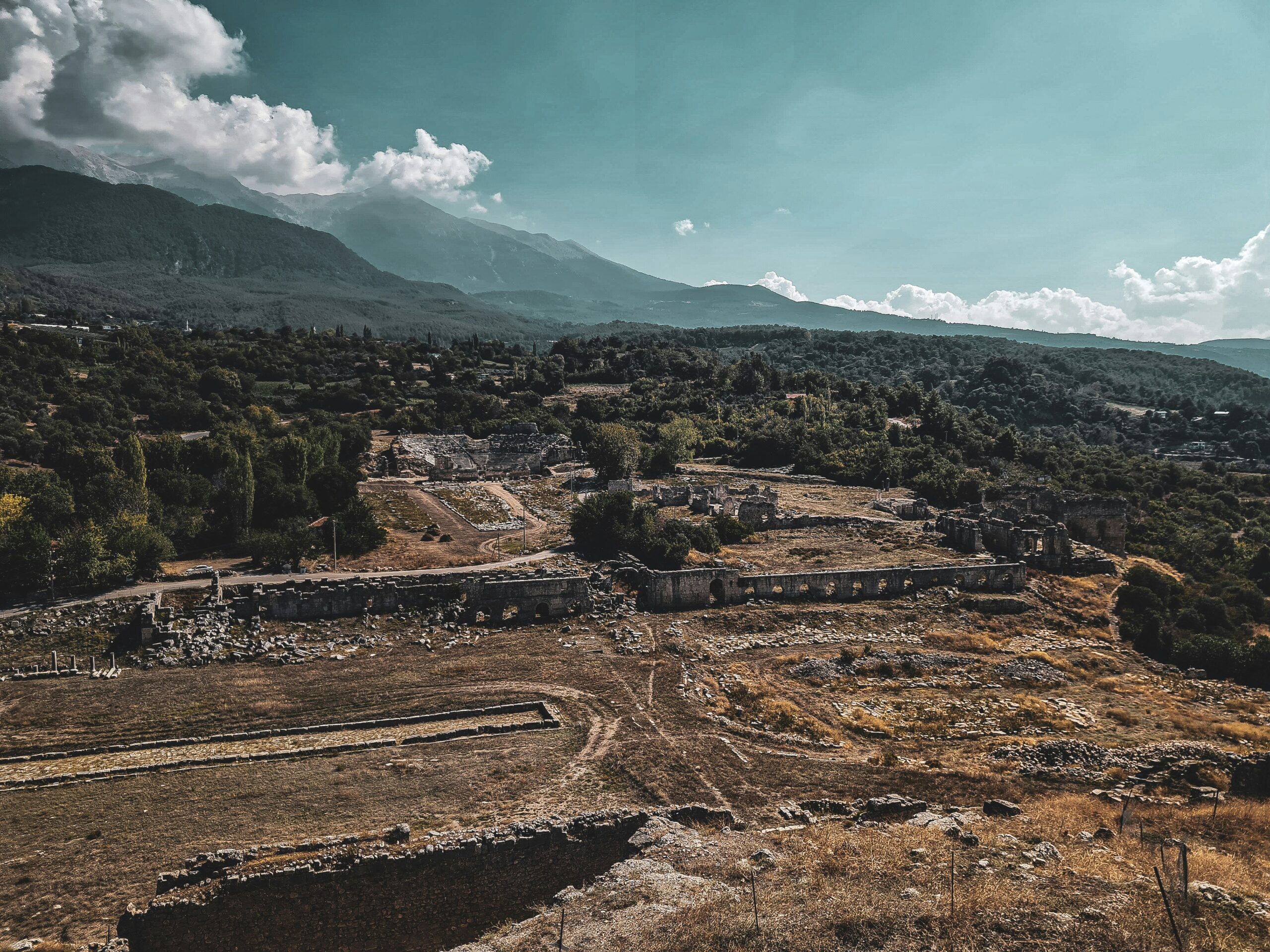
The Roman Empire, a colossus of antiquity, was not merely a military and political powerhouse but also a master architect of global commerce. Its vast network of roads, meticulously engineered sea lanes, and standardized currency acted as the sinews of a complex trade system that pulsed with life, connecting disparate civilizations and fostering an unprecedented exchange of goods, ideas, and cultures. This article delves into the multifaceted nature of Roman trade connectivity, exploring the infrastructure that underpinned it, the commodities that flowed through its arteries, and the profound impact it had on the ancient world and beyond.
The Arteries of Empire: Roman Infrastructure and Trade Routes
The very existence of the Roman Empire was inextricably linked to its ability to move people and goods efficiently. This was achieved through a sophisticated and extensive infrastructure, a testament to Roman engineering prowess and their understanding of logistical necessities. The development and maintenance of these networks were not arbitrary; they were strategic investments designed to facilitate military movement, administrative control, and, critically, trade. Without this robust backbone, the economic and cultural integration that defined the Roman world would have been impossible.
Roads: Paving the Way for Commerce
The iconic Roman roads, often epitomized by the Via Appia, were far more than just thoroughfares for legions. Their construction, characterized by layered foundations, durable surfacing, and precise gradients, ensured longevity and suitability for heavy traffic, including heavily laden carts and wagons. These roads connected major cities, provincial capitals, and military outposts, creating a web that spanned the empire from Britannia to North Africa, and from Hispania to the eastern frontiers. Along these routes, waystations, bridges, and milestones were strategically placed to support travelers and merchants, ensuring a relatively safe and predictable journey. The economic impact of these roads was profound. They reduced travel times, lowered transportation costs, and opened up previously isolated regions to the broader Roman economy. Goods could be moved from producers to consumers with greater speed and reliability, stimulating local production and fostering specialization. The presence of well-maintained roads also encouraged the development of ancillary services, such as inns, repair shops, and taverns, further embedding commerce into the daily life of the empire. The military’s need for rapid deployment certainly drove much of this construction, but the economic benefits were so significant that private enterprise and civilian needs quickly became integral to the road network’s utilization.
Maritime Networks: The Dominant Arteries
While Roman roads were impressive, it was the maritime trade routes that truly formed the backbone of the empire’s commercial reach. The Mediterranean Sea, often referred to as “Mare Nostrum” (Our Sea) by the Romans, was the central hub of this vast oceanic network. Roman naval power, honed through centuries of conflict and strategic dominance, effectively suppressed piracy, creating a relatively safe environment for shipping. This security was paramount, as the vast majority of bulk goods, such as grain, olive oil, wine, and building materials, were transported by sea due to the significantly lower costs and higher carrying capacities of ships compared to land transport.
The Romans developed and utilized a sophisticated network of ports, harbors, and anchorages across their vast maritime domain. These facilities ranged from massive, engineered harbors like that of Caesarea Maritima, with its breakwaters and piers, to smaller, natural harbors that served as vital waypoints. Lighthouse systems, such as the famous Pharos of Alexandria, guided ships through treacherous waters and into port. The efficient management of these maritime arteries involved complex logistical planning, including the coordination of shipping schedules, the maintenance of navigational aids, and the administration of port authorities. The seasonality of Mediterranean shipping, dictated by prevailing winds and currents, was well understood by Roman mariners, who timed their voyages accordingly to maximize efficiency and minimize risk. The trade conducted via these sea lanes connected the core of the empire with its furthest reaches, facilitating the flow of exotic goods from the East and essential commodities from the provinces to Rome and other major urban centers.
Riverine Transportation: The Inland Waterways
Complementing the overland and maritime networks were the extensive river systems of Europe and North Africa. Rivers like the Rhine, Danube, Rhone, and Nile served as crucial inland arteries for trade, especially for bulky, low-value goods that were more economically transported by water. These rivers provided a cost-effective means of moving commodities from agricultural regions to urban centers and for connecting to maritime ports. Roman engineers often improved these river systems through dredging, canal construction, and the building of locks, further enhancing their navigability and utility for commerce. Riverine ports and trading posts sprang up along these waterways, becoming centers of local and regional exchange. For instance, the Danube river played a vital role in connecting the northern provinces of the empire with the Black Sea and, by extension, with the East. The Nile, of course, was the lifeblood of Egypt, and its annual inundation facilitated the transport of grain and other agricultural products to the Mediterranean. The integration of riverine transportation with the broader Roman trade network allowed for a more comprehensive and efficient distribution of goods throughout the empire.
Roman trade connectivity across deep history played a crucial role in shaping the economic and cultural landscapes of the ancient world. The extensive network of roads and maritime routes established by the Romans facilitated not only the movement of goods but also the exchange of ideas and technologies between diverse civilizations. For a deeper understanding of the significance of ancient trade networks and their impact on knowledge transfer, you can explore the article titled “Guardians of Ancient Knowledge: Who Holds the Keys?” available at this link.
The Flow of Riches: Commodities of Roman Trade

The sheer diversity of goods that flowed through the Roman trade network speaks volumes about the interconnectedness of the ancient world under Roman hegemony. This exchange was not merely about the movement of luxury items for the elite; it encompassed essential foodstuffs, raw materials, manufactured goods, and even intangible commodities like ideas and technologies. The Roman economy was a complex web of production and consumption, and trade was the mechanism that balanced these forces across its vast territories.
Essential Provisions: Feeding the Empire
Perhaps the most critical commodity flowing through Roman trade was food, particularly grain. The burgeoning population of Rome and other major cities demanded a constant supply of sustenance, which often exceeded local agricultural capacity. The provinces, especially Egypt, North Africa (modern Tunisia and Libya), and Sicily, were vital breadbaskets for the empire. Vast quantities of wheat and other grains were transported by sea and river to feed millions. This grain trade was so crucial that it was often directly managed or heavily subsidized by the state to ensure stability and prevent unrest. Beyond grain, other essential foodstuffs like olive oil and wine were also major commodities. Olive oil, used for cooking, lighting, and hygiene, was produced in abundance in Hispania, Italy, and North Africa. Wine, a staple of the Roman diet and a symbol of social status, was cultivated across the empire, with regions like Gaul, Italia, and Hispania renowned for their vintages. The trade in these perishable goods required efficient logistics and rapid transportation to ensure freshness and minimize spoilage, highlighting the sophistication of Roman supply chains.
Raw Materials and Manufactured Goods: The Building Blocks of Civilization
The Roman Empire’s insatiable demand for raw materials fueled a vast trade network. Metals, such as iron, copper, tin, and lead, were essential for toolmaking, weapons, and construction. Mines in Hispania, Britain, and the Balkans were crucial sources, with these raw materials transported to centers of production and then to the wider empire. Precious metals, particularly gold and silver, were vital for coinage and wealth accumulation, driving exploration and trade in regions where these metals were found.
Beyond raw materials, a wide array of manufactured goods circulated. Pottery, from humble amphorae used for transporting liquids to finely crafted terra sigillata tableware, was a ubiquitous trade item. Textiles, ranging from coarse woolens for commoners to luxurious silks imported from the East, were also highly sought after. Glassware, from simple drinking vessels to intricate decorative pieces, was another significant export from specialized production centers. Marble and other building stones were quarried and transported to construct the grand edifices that characterized Roman cities. The movement of these goods involved specialized workshops and artisans, and their distribution across the empire facilitated the dissemination of Roman styles and technologies.
Luxury and Exotic Imports: The Allure of the Distant
The Roman elite, in particular, craved exotic and luxury goods from distant lands, driving a significant and often highly profitable trade. Spices, such as pepper, cinnamon, and cloves, were imported from India and the Far East, highly prized for their culinary uses, medicinal properties, and as status symbols. Perfumes and incense, derived from resins and floral essences, were also imported from Arabia and further east, valued for their aromatic qualities and use in religious ceremonies and personal adornment. Ivory, obtained from elephants in Africa and India, was used for intricate carvings and decorative inlays. Gems and precious stones, such as emeralds, sapphires, and pearls, were sourced from regions like Egypt, India, and even Sri Lanka, adorning the wealthy and signifying their power and prestige. This trade in luxury goods, often conducted along perilous routes involving multiple intermediaries, highlights the Roman Empire’s position at the nexus of a globalizing world, a hub that connected the known world from the Atlantic to the Indian Ocean.
The Engines of Exchange: Trade Mechanisms and Institutions

The seamless flow of goods across the Roman world was facilitated by a sophisticated set of trade mechanisms and institutions that promoted trust, standardized practices, and facilitated transactions. These elements, often developed organically or supported by imperial policy, were crucial for the smooth functioning of the Roman economy and the maintenance of its vast commercial network.
Coinage and Banking: The Language of Commerce
The standardization of coinage across the Roman Empire was a revolutionary development that profoundly impacted trade. The widespread adoption of gold, silver, and bronze coins with consistent weight and purity simplified transactions immensely. Merchants no longer had to grapple with the complexities of bartering or the risks associated with local, often debased, currencies. Roman coinage provided a universally accepted medium of exchange, reducing transaction costs and fostering confidence in commercial dealings. Alongside coinage, rudimentary banking practices emerged. Moneylenders, private bankers, and even public treasuries played roles in facilitating credit, accepting deposits, and facilitating the transfer of funds, albeit through often informal means. Bills of exchange, while not as sophisticated as modern instruments, also began to appear, allowing merchants to transfer value over long distances without physically carrying large sums of money. This financial infrastructure was essential for large-scale trade and investment, allowing for the accumulation of capital and the financing of complex commercial ventures.
Contracts and Legal Frameworks: Ensuring Trust and Order
The Roman legal system, renowned for its sophistication and comprehensiveness, also played a critical role in facilitating trade. Roman law provided a framework for commercial contracts, property rights, and dispute resolution. The concept of bona fides (good faith) was central to Roman commercial dealings, and legal mechanisms were in place to enforce contracts and protect merchants from fraud and breach of agreement. While formal legal proceedings could be complex, many commercial disputes were settled through arbitration or mediated by legal experts. The existence of a predictable and enforceable legal system fostered trust among merchants, encouraging them to engage in long-distance trade and investment. Furthermore, the Roman state often provided legal protections and remedies for merchants, further bolstering the security of commercial ventures. The development of maritime law, in particular, addressed the unique challenges of sea-borne trade, establishing rules for salvage, responsibility for cargo, and navigation.
Guilds and Associations: Collective Strength and Specialization
Throughout the empire, various trade guilds and professional associations emerged. These organizations, often dedicated to specific crafts or trades like bakers, shipwrights, or merchants, served multiple purposes. They provided a degree of mutual support and protection for their members, pooling resources and offering aid in times of hardship. Guilds also played a role in regulating their respective trades, setting standards for quality, apprenticeship, and pricing. This self-regulation helped to maintain a degree of uniformity and reliability in the marketplace. Furthermore, guilds could act as collective bargaining units, negotiating with local authorities or larger trading concerns. For merchants involved in international trade, associations could facilitate the exchange of information about market conditions, shipping routes, and potential risks, thereby mitigating some of the inherent uncertainties of long-distance commerce. These organizations, therefore, contributed to the overall stability and efficiency of the Roman commercial ecosystem.
Cultural Exchange and Romanization: The Ripple Effects of Trade
Roman trade was far more than just the exchange of physical commodities; it was a powerful engine of cultural diffusion and Romanization. As goods traveled across the empire and beyond, so too did ideas, technologies, artistic styles, and even religious beliefs. The interconnectedness fostered by commerce played a significant role in shaping the cultural landscape of the ancient world.
Dissemination of Roman Culture and Lifestyle
The ubiquitous presence of Roman goods, from pottery and glassware to household items and architectural styles, spread Roman culture throughout the empire and into neighboring regions. As local elites and even commoners adopted Roman consumer goods, they often also adopted aspects of Roman lifestyle, including their dietary habits (e.g., increased consumption of olive oil and wine), their appreciation for certain forms of entertainment, and their fashion. The construction of Roman-style villas, public baths, and theaters in newly conquered or integrated territories was often facilitated by the wealth generated through trade, further embedding Roman cultural norms. The Latin language, the language of administration and commerce, also spread along trade routes, becoming a lingua franca in many parts of the empire. This diffusion of Roman culture was a gradual process, often involving adaptation and syncretism with local traditions, but it undeniably contributed to a degree of cultural homogeneity across the vast Roman dominion.
The Influence of Imported Ideas and Religions
Trade routes served as conduits not only for tangible goods but also for intangible ideas and beliefs. The influx of luxury goods from the East, for example, brought with them not only the products themselves but also the stories, mythologies, and religious practices associated with their origins. Eastern cults, such as the worship of Mithras, Isis, and Cybele, spread throughout the Roman Empire, often finding fertile ground among soldiers and merchants who traveled extensively. The exchange of philosophical ideas and scientific knowledge also occurred, albeit perhaps less systematically than the movement of goods. Scholars and intellectuals might travel along trade routes, sharing their knowledge and engaging in intellectual discourse. The development of Roman science and engineering, for instance, likely benefited from the exchange of techniques and discoveries from various parts of the empire and beyond.
Economic Interdependence and Imperial Stability
The intricate web of trade fostered a sense of economic interdependence across the Roman world. Provinces that specialized in producing certain goods relied on other regions for their own needs, creating a mutually beneficial relationship. This interdependence, while fostering prosperity, also contributed to the stability of the empire. Regions that benefited economically from their integration into the Roman trade network had a vested interest in maintaining the peace and order that the empire provided. Conversely, the disruption of trade due to internal strife or external threats could have far-reaching economic consequences, underscoring the importance of the empire’s ability to maintain secure trade routes. This economic linkage, therefore, was not just about profit; it was a foundational element of imperial cohesion and a powerful force for integration that bound disparate peoples and regions into a single, vast economic and cultural entity.
The extensive trade networks established by the Romans played a crucial role in connecting various regions across their empire, facilitating not only the exchange of goods but also cultural interactions that shaped the ancient world. For a deeper understanding of how such historical trade dynamics can inform our contemporary challenges, you might find it interesting to explore the article on the climate emergency, which discusses the importance of connectivity in addressing global issues. You can read more about it in this insightful piece here.
Legacies of Connectivity: Enduring Impacts of Roman Trade
| Time Period | Key Trade Routes | Main Goods Traded | Regions Connected | Trade Volume (Estimated) | Significance |
|---|---|---|---|---|---|
| 3rd Century BCE | Via Appia, Mediterranean Sea Routes | Grain, Olive Oil, Wine | Italy, North Africa, Iberian Peninsula | Moderate | Foundation of Roman trade network |
| 1st Century BCE | Silk Road (indirect), Mediterranean Sea, Red Sea | Spices, Silk, Precious Metals, Glassware | Rome, Egypt, India, Near East | High | Expansion of trade with Eastern regions |
| 1st-2nd Century CE | Via Egnatia, Trans-Saharan Routes, Mediterranean Sea | Gold, Ivory, Slaves, Textiles | Europe, North Africa, Sub-Saharan Africa, Asia | Very High | Peak of Roman trade connectivity |
| 3rd Century CE | Roman Roads, Maritime Routes in Mediterranean | Luxury Goods, Metals, Agricultural Products | Western and Eastern Roman Empire | Declining | Trade affected by political instability |
| 4th-5th Century CE | Limited Mediterranean Routes, Rhine and Danube Rivers | Basic Commodities, Military Supplies | Western Europe, Eastern Mediterranean | Low | Trade contraction due to empire fragmentation |
The trade networks established and maintained by the Roman Empire left an indelible mark on the course of history. Their influence extended far beyond the empire’s eventual decline, shaping subsequent patterns of commerce, cultural development, and the very concept of interconnectedness in the Western world. The Roman achievement in trade connectivity stands as a testament to human ingenuity and the transformative power of organized commerce.
The Foundation for Future Trade Networks
The Roman trade infrastructure, particularly its road and maritime networks, provided a blueprint for future trade routes. While the scale and sophistication may have evolved, the underlying principles of connecting producers to consumers, ensuring security, and facilitating the movement of goods remained central. Many of the major port cities and commercial centers established or revitalized by the Romans continued to thrive long after the empire’s fall, serving as hubs for subsequent trade endeavors. The common legal and monetary frameworks that facilitated Roman commerce, even in their fragmented form after the empire’s collapse, laid the groundwork for the eventual re-establishment of more unified economic systems in Europe. The very idea of a unified market, fostered by Roman trade, became an aspirational goal for subsequent empires and trading blocs.
The Spread of Technologies and Innovations
The movement of goods and people along Roman trade routes facilitated the diffusion of technologies and innovations across a vast geographical area. Agricultural techniques, pottery-making methods, metalworking skills, and shipbuilding advancements were shared and adapted, leading to broader improvements in productivity and living standards. The Roman mastery of concrete and its application in infrastructure, for example, spread throughout the empire, influencing subsequent construction practices. Similarly, the sophisticated systems of surveying and engineering employed by the Romans in building their roads and aqueducts were disseminated, contributing to advancements in civil engineering in subsequent eras. The exchange of knowledge, driven by the practical needs of commerce, proved to be a powerful catalyst for technological progress.
The Enduring Concept of a Connected World
Ultimately, the Roman Empire’s trade connectivity fostered a powerful, albeit often subconscious, understanding of a connected world. For the first time on such a massive scale, individuals and communities across Europe, North Africa, and the Middle East were brought into regular contact through the exchange of goods. This created a shared experience, a sense of belonging to a larger economic and cultural sphere, even if that sphere was governed by an imperial power. This concept of a interconnected world, where distant regions could exchange resources and influence one another, was a profound legacy. It laid the conceptual groundwork for later explorations, discoveries, and the eventual emergence of globalization, proving that the ancient Roman pursuit of trade was not merely a historical phenomenon but a foundational step in the ongoing human endeavor to link and understand our world.
The 2.7% Statistic That Terrifies Roman Historians
FAQs
1. How did Roman trade networks contribute to the spread of goods and ideas?
Roman trade networks connected regions across Europe, Asia, and Africa, facilitating the exchange of goods such as silk, spices, and precious metals. This exchange also allowed for the transmission of cultural and technological ideas, contributing to the interconnectedness of the ancient world.
2. What were the main trade routes used by the Romans?
The Romans utilized various trade routes, including the Silk Road connecting the Roman Empire to China, the Amber Road linking the Baltic Sea to the Mediterranean, and the maritime routes in the Mediterranean Sea. These routes played a crucial role in the flow of goods and resources.
3. How did Roman infrastructure such as roads and ports impact trade connectivity?
Roman infrastructure, including well-maintained roads, bridges, and ports, significantly enhanced trade connectivity. The construction of these infrastructure elements facilitated the movement of goods and people, enabling efficient trade networks to develop and thrive.
4. What were some of the key commodities traded by the Romans?
The Romans traded a wide range of commodities, including grain, wine, olive oil, pottery, glassware, and textiles. Luxury goods such as spices, silk, ivory, and precious metals were also highly sought after and traded across the empire.
5. How did the decline of the Roman Empire impact trade connectivity in the region?
The decline of the Roman Empire led to the fragmentation of trade networks and the deterioration of infrastructure. This resulted in decreased trade connectivity, economic instability, and a shift in the patterns of commerce in the regions formerly under Roman control.