The vast Roman Empire, stretching from the windswept shores of Britain to the sun-baked deserts of North Africa and the fertile plains of Mesopotamia, relied on an intricate network of communication to maintain its control and administer its diverse territories. At the heart of this communication system lay the Roman postal service, the cursus publicus. This formidable organization, a marvel of logistical planning and engineering for its time, facilitated the rapid transmission of official dispatches, troop movements, and even personal correspondence across immense distances. While the speed of chariot races and the swiftness of galley ships often capture the imagination, the true backbone of Roman communication was the overland transit time, a testament to their mastery of road building, animal husbandry, and organizational efficiency.
The Backbone of Empire: Infrastructure for Speed
The remarkable speed of the cursus publicus was not a spontaneous phenomenon; it was built upon a foundation of extraordinary infrastructure. The Romans were renowned for their engineering prowess, and their road network, the viae Romanae, was perhaps their most enduring legacy. These meticulously constructed arteries of empire were designed for durability and efficiency, enabling rapid movement for both military legions and the postal service.
Engineering the Via
The construction of Roman roads was a labor-intensive but highly effective process. Typically, a Roman road involved several layers of compacted materials. The deepest layer, known as the statumen, consisted of large, roughly broken stones for drainage and stability. Above this came the rudus, a mixture of smaller stones and gravel, often bound with lime or clay. The nucleus followed, a layer of finer gravel and sand, providing a smooth surface. Finally, the top layer, the summum dorsum, was usually paved with large, flat stones, creating a durable and relatively smooth surface that could withstand heavy traffic and adverse weather conditions. This paved surface allowed for faster travel by reducing the resistance and impediments that would be encountered on unpaved tracks. The camber of the roads, subtly sloped from the center outwards, further aided drainage, preventing water from pooling and undermining the roadbed.
The Strategic Placement of Stations
The effectiveness of the cursus publicus was heavily dependent on a well-established system of relay stations, known as mutationes and mansiones. Mutationes were smaller outposts located at regular intervals, typically every 10-20 Roman miles (approximately 15-30 kilometers). Their primary function was to provide fresh horses and the necessary support for the rapid changeover of riders and vehicles. These stations ensured that the postal couriers, or curriculares, did not have to travel their entire journey with the same exhausted animals. The presence of fresh horses dramatically increased the speed and endurance of the service, allowing for continuous travel over long distances without significant delays.
Mansiones, on the other hand, were larger establishments, strategically placed at intervals of about 50 Roman miles (approximately 75 kilometers). These served as more substantial resting points, offering accommodation for officials and travelers, stabling for horses, and often a place for the repair of wagons. While mutationes focused on the swift exchange of horses, mansiones provided a more comprehensive support infrastructure, allowing for longer rests and more substantial resupply when needed. The integration of these two types of stations created a seamless network that minimized downtime and maximized transit speed.
The Roman postal route, known for its efficient overland transit times, played a crucial role in the communication network of the ancient empire. This system not only facilitated the swift movement of messages but also laid the groundwork for modern postal services. For a deeper understanding of how historical advancements in communication have influenced contemporary technologies, you can explore the article on technological innovations in the modern era at Revolutionizing Technology: Advancements Beyond Modern.
The Mechanics of Speed: Horses and Wagons

The cursus publicus was a sophisticated operation that relied on the efficient use of animal power. The selection of the right mounts and the appropriate vehicles was crucial to achieving the impressive overland transit times recorded in historical sources.
Equine Power: The Backbone of the Relay
The choice of horses for the cursus publicus was paramount. While the specific breeds and their origins might have varied across the vast empire, the emphasis was invariably on stamina, speed, and tractability. These were not necessarily the finest warhorses, which were bred for power and aggression, but rather sturdy, well-conditioned animals capable of sustained travel over difficult terrain. The relay system at the mutationes was the key to unlocking the potential of these horses. A courier would arrive with a tired team, quickly dismount, hand over his dispatches to a waiting rider and fresh team, and the process would repeat. This constant rejuvenation of the horses allowed for a near-continuous pace, effectively eliminating the fatigue that would otherwise limit travel speeds. The maintenance and breeding of these horses were the responsibility of the state, ensuring a consistent supply of suitable mounts.
Wheeled Transport: From Chariots to Wagons
The type of wheeled vehicle used by the cursus publicus also influenced transit times. For the fastest dispatches, particularly those carrying high-priority military intelligence or official decrees, light, two-wheeled chariots, often referred to as covini or essedae, were likely employed. These vehicles, pulled by one or two horses, were designed for speed and maneuverability. Their lightweight construction and aerodynamic profile would have facilitated rapid movement across the Roman roads.
For less urgent dispatches, or for longer journeys that involved carrying heavier loads or multiple passengers, four-wheeled wagons were utilized. These wagons, while slower than chariots, offered greater capacity and stability. The efficiency of the cursus publicus lay in its ability to adapt the vehicle to the specific needs of the dispatch. The constant availability of both types of vehicles at the relay stations allowed for flexibility and ensured that the appropriate mode of transport was always at hand, optimizing for speed or capacity as required.
Measuring the Miles: Roman Perceptions of Time and Distance

Understanding Roman overland transit times requires a grasp of their unique system of measurement and their practical approach to conveying information about speed. While precise, standardized chronometers were absent, the Romans developed effective methods for tracking and communicating the progress of their postal couriers.
The Roman Mile and its Significance
The Roman unit of distance, the mile (milia passuum), was derived from the distance covered by one thousand paces. This was a practical measurement based on human gait, and its standardized definition, approximately 1,618 meters or 0.994 modern miles, made it a reliable metric across the empire. The Roman road network was famously marked with milestones (miliaria), often inscribed with the distance to the nearest major city and the name of the reigning emperor. These milestones served not only as navigational aids but also as implicit indicators of progress for the cursus publicus. A courier could gauge their speed by the number of milestones passed in a given period.
Practical Estimations of Speed
While exact speedometer readings are a modern concept, the Romans had a clear understanding of transit speeds. They spoke in terms of miles per day or per hour. Historical accounts and surviving administrative documents provide glimpses into these estimations. For instance, a common benchmark for efficient travel on horseback was around 100 Roman miles (approximately 150 kilometers) per day. However, with the relay system of the cursus publicus, particularly for critical dispatches, speeds could be significantly higher. It is estimated that rapid couriers could cover upwards of 200-250 Roman miles (300-375 kilometers) in a 24-hour period, with overnight travel being common. This was achieved through the relentless pace of the relay, with minimal stops beyond the essential horse changes. The efficiency was such that important news could traverse vast distances in a matter of days, not weeks or months, a feat that would have been unimaginable in many other pre-industrial societies.
The Human Element: Couriers and Organization
Beyond the roads and horses, the success of the cursus publicus rested on the shoulders of the individuals who operated it and the complex organizational structure that managed it. The couriers themselves were a vital link, and the administrative framework ensured the smooth functioning of the entire system.
The Role of the Courier
The curriculares, the postal couriers, were the unsung heroes of the Roman communication network. These were often fit, experienced individuals chosen for their reliability, endurance, and knowledge of the routes. They were entrusted with highly sensitive dispatches, and their duty was to deliver them as quickly and safely as possible. The physical demands of their job were immense, involving long hours in the saddle, often in challenging weather conditions, and a constant sense of urgency. They were compensated for their service and, in some cases, may have been granted certain privileges, such as priority access to horses and accommodations. Their dedication and professionalism were essential for maintaining the speed and reliability of the cursus publicus.
The Bureaucratic Machine
The cursus publicus was not a haphazard undertaking. It was overseen by a sophisticated bureaucracy, often under the authority of the emperor or his appointed officials. This administrative body was responsible for maintaining the roads, ensuring the proper functioning of the relay stations, breeding and caring for the horses, and dispatching the couriers. Records were kept, schedules were managed, and logistical challenges were addressed. The sheer scale of this operation, managing thousands of horses and hundreds of stations across an empire of millions of square miles, is a testament to Roman organizational genius. The standardization of procedures and the clear lines of authority ensured that the cursus publicus operated with a remarkable degree of efficiency, even in the farthest reaches of the empire.
The overland transit times of the Roman postal route played a crucial role in the efficiency of communication across the vast Roman Empire. This system not only facilitated the swift movement of messages but also contributed to the administration and control of distant territories. For a deeper understanding of how such systems were influenced by elite corruption and governance, you might find it interesting to read a related article that explores these themes in detail. Check out this insightful piece on elite corruption in ancient societies to see how these dynamics shaped the functioning of empires.
Legacies and Comparisons: The Roman Postal Service in Context
| Route Segment | Distance (km) | Average Transit Time (days) | Notes |
|---|---|---|---|
| Rome to Capua | 240 | 1 | Fastest segment due to well-maintained roads |
| Capua to Beneventum | 60 | 0.25 | Short distance, frequent relay stations |
| Beneventum to Brundisium | 320 | 1.5 | Longer segment, some mountainous terrain |
| Rome to Brundisium (total) | 620 | 2.75 | Typical overland transit time for postal couriers |
| Rome to Aquileia | 600 | 3 | Includes river crossings and mountain passes |
The Roman postal service was a groundbreaking achievement for its time, and its efficiency and scale set a benchmark for subsequent empires. Comparing its overland transit times to other ancient and even later communication systems highlights its remarkable nature.
Ancient Precursors and Contemporaries
While other ancient civilizations had rudimentary forms of messenger services, none approached the organized and systematic nature of the Roman cursus publicus. The Persian Empire, for example, had its own royal road and a network of messengers, but it is generally considered that the Roman system was more comprehensive and faster. In the Hellenistic world, city-states had their own couriers, but there was no overarching imperial network capable of transmitting information with the speed and reach of the Roman service. The Romans effectively synthesized existing knowledge with their own innovations to create a truly unparalleled system.
Later Systems and Enduring Influence
The cursus publicus remained a vital organ of the Roman Empire for centuries and influenced the development of postal services in subsequent eras. Later empires, such as the Byzantine Empire and even the early stages of the European postal systems, drew inspiration from Roman practices. The emphasis on dedicated infrastructure, relay stations, and professional couriers laid the groundwork for future advancements. While technological innovations have since revolutionized communication, the fundamental principles of speed, efficiency, and organization that characterized the Roman postal service continue to be relevant. The ability of the cursus publicus to transmit vital information rapidly across vast distances played a crucial role in the administration, defense, and cultural cohesion of one of history’s most enduring empires, making its overland transit times a significant chapter in the history of communication.
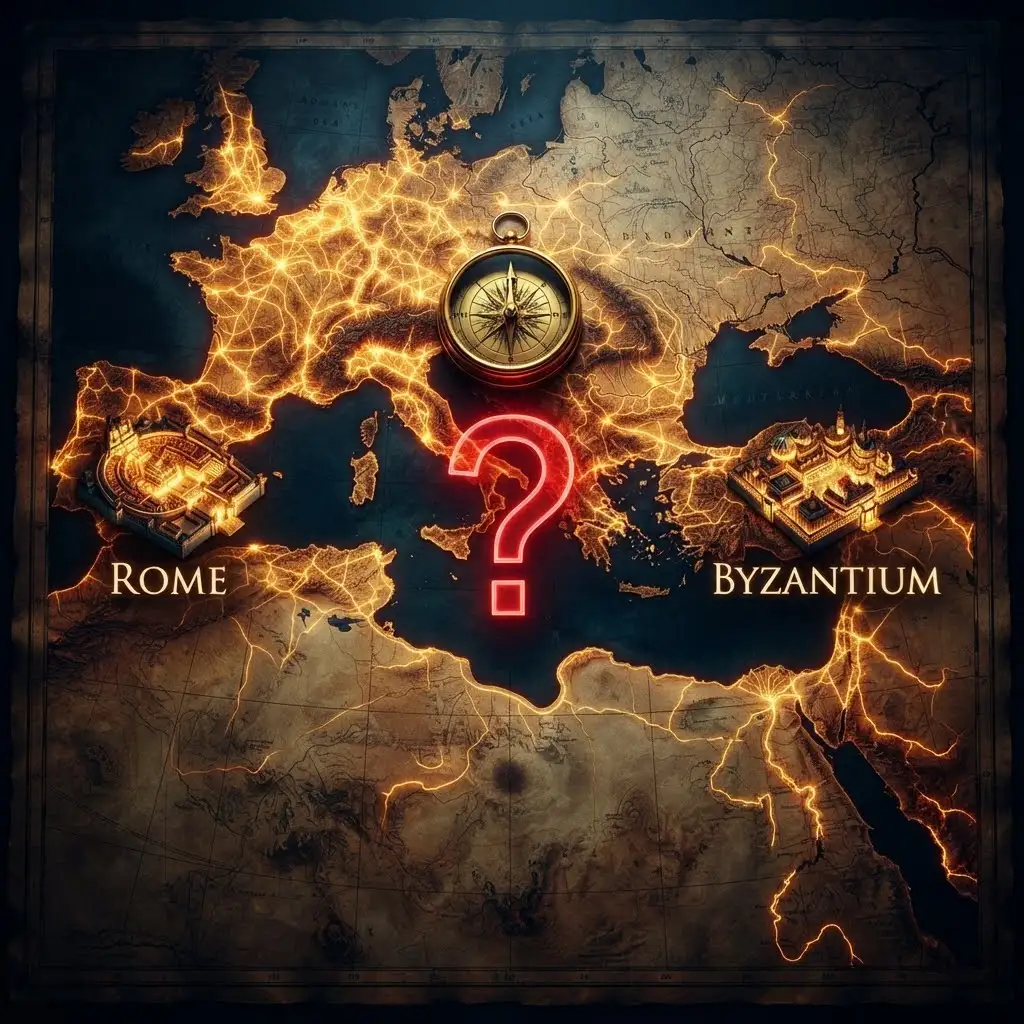
The 2.7% Statistic That Terrifies Roman Historians
FAQs
What was the Roman postal route system like?
The Roman postal route system was a sophisticated network of roads and relay stations used for the efficient transportation of messages and goods throughout the Roman Empire. It was crucial for the communication and administration of the vast empire.
How long did it take for a message to travel along the Roman postal route?
Messages could travel along the Roman postal route at an average speed of about 50 miles per day. This means that a message could potentially travel hundreds of miles in just a few days, depending on the distance and the condition of the roads.
What were the main challenges faced by messengers traveling along the Roman postal route?
Messengers traveling along the Roman postal route faced various challenges, including rough terrain, inclement weather, bandits, and the risk of getting lost. They had to be skilled riders and have a good knowledge of the route to ensure the safe and timely delivery of messages.
How did the Roman postal route contribute to the efficiency of the Roman Empire?
The Roman postal route played a crucial role in the efficiency of the Roman Empire by enabling rapid communication between different regions, facilitating the movement of troops and supplies, and aiding in the administration of the empire. It helped maintain control and unity throughout the vast territories of the empire.
Were there any innovations or improvements made to the Roman postal route system over time?
Over time, the Roman postal route system saw various innovations and improvements, such as the establishment of more efficient relay stations, the use of better road construction techniques, and the introduction of standardized postal rates. These advancements helped enhance the speed and reliability of the postal service in the Roman Empire.