The Dawn of Movement: Early Human and Animal Logistics
The story of terrestrial logistics is intrinsically linked to the very evolution of humanity. Before the advent of sophisticated tools or organized societies, the fundamental challenge of moving resources – food, shelter materials, and later, people – was met through innate biological capabilities and the domestication of animals. This initial phase of logistics was characterized by its localized nature and the direct application of physical effort. Early hominids relied on their own locomotion, their hands and backs acting as the primary transport mechanisms. The discovery and mastery of fire, while not directly a logistics innovation, profoundly impacted resource management, enabling the preservation and more efficient consumption of gathered goods, thereby influencing the patterns of movement and settlement.
The true dawn of terrestrial logistics, however, arrived with the domestication of animals. The camel in arid regions, the ox and horse in more temperate climates, and the llama in the Andes transformed the scale and efficiency of transport. These animals provided not just increased carrying capacity but also the ability to travel greater distances with less individual human exertion. This development allowed for more extensive foraging, hunting expeditions, and the beginnings of inter-group trade, even if that trade was primarily based on the exchange of essential, locally scarce resources. The development of rudimentary harnesses, yokes, and pack saddles, while simple by modern standards, represented significant technological advancements in harnessing animal power for logistical purposes. These innovations allowed for better weight distribution and more secure attachment of goods, minimizing spoilage and loss during transit. The establishment of early trails and pathways, often dictated by natural terrain and the routes favored by domesticated animals, marked the first human-engineered modifications to the landscape for logistical purposes. These were not planned networks in the modern sense but rather organic developments, emerging from repeated use and the pursuit of essential resources.
The Impact of Early Agriculture and Settlement
The Neolithic Revolution, with its shift towards settled agriculture, fundamentally altered the requirements and possibilities of terrestrial logistics. The surplus of food produced by farming necessitated new methods of storage, distribution, and protection. Settlements grew into villages, then towns, requiring the regular transport of agricultural produce from fields to population centers, and the movement of tools, seeds, and other necessary supplies to the agricultural areas. This created a demand for more organized and predictable movement of goods. The development of wheeled vehicles, even in their earliest forms, represented a quantum leap in logistical capability. The invention of the wheel, likely around the 4th millennium BCE in Mesopotamia, coupled with the use of draft animals, allowed for the efficient transport of much larger quantities of goods over longer distances than ever before. The subsequent development of carts and wagons, though initially crude and limited by road conditions, laid the groundwork for more sophisticated transportation systems.
The need to move resources within and between these nascent settlements also spurred the development of rudimentary infrastructure. Simple dirt paths evolved into more defined tracks, and in some cases, basic roads were constructed to facilitate the movement of carts. These early roads were primarily for utilitarian purposes, connecting agricultural lands to settlements, and settlements to resource extraction sites like quarries or forests. The concept of a “logistics network” was still nascent, but the increasing complexity of resource flows within and between communities demanded a more systematic approach to movement. The storage of harvested crops also presented logistical challenges, requiring granaries and other structures, and the movement of grain to these storage facilities, and then out to feed the population, became a key logistical operation. The very concept of surplus, a cornerstone of civilization, was enabled and sustained by increasingly effective terrestrial logistics.
In exploring the historical context of terrestrial logistics network analysis, it is essential to consider the broader economic frameworks that have influenced these systems over time. A relevant article that delves into the economic stabilization measures implemented in the United States, particularly during times of crisis, can provide valuable insights into how logistics networks adapt and evolve in response to economic pressures. For more information, you can read the article on economic stabilization measures for recovery at this link.
The Age of Empires and the Rise of Formal Infrastructure

As human societies grew more complex and organized, the need for efficient and controlled movement of goods, troops, and information became paramount for governance, defense, and economic expansion. This era, marked by the rise of empires, witnessed the deliberate construction of sophisticated terrestrial logistics networks designed for imperial purposes. The Roman Empire stands as a quintessential example. Their extensive road network, the Via Appia being a famous instance, was not merely for troop movement but also facilitated trade and communication across vast territories. These roads were engineered with remarkable precision, featuring paved surfaces, drainage systems, and milestones, demonstrating a deep understanding of load-bearing capacity and durability. The construction and maintenance of these roads required significant organization, labor, and resources, reflecting the strategic importance placed on logistical capabilities.
Beyond the roads themselves, the Romans developed a complex system of waystations, bridges, and fortifications that supported the continuous flow of goods and personnel. The military was a primary driver of these developments, requiring rapid deployment of legions and the constant resupply of provisions, weaponry, and equipment. However, these same logistical arteries also facilitated civilian trade, contributing to the economic integration and prosperity of the empire. The concept of “military logistics” began to solidify, encompassing not just the movement of soldiers but also the intricate planning and execution of supplying them with everything they needed to operate effectively. The establishment of official courier systems, using relay stations and specialized riders, demonstrated a nascent understanding of the importance of timely information dissemination, a crucial element of any effective logistics network. The standardization of measurements and weights across the empire also played a subtle but significant role in facilitating trade and thus logistics.
The Medieval Trade Routes and the Silk Road Phenomenon
The fall of the Roman Empire did not signify an end to the importance of terrestrial logistics, but rather a shift in its organization and focus. The medieval period saw the rise of powerful merchant guilds and the re-establishment of long-distance trade routes, albeit often more fragmented and less centrally controlled than their Roman predecessors. The Silk Road, though a network of overland routes connecting the East and West, is a prime example of how disparate regions could be linked through dedicated logistical efforts. Merchants, often organized into caravans for mutual protection, traversed vast distances, transporting luxury goods like silk, spices, and precious metals. This trade relied on a complex chain of intermediaries, local guides, and established stopping points, each contributing to the overall logistical flow.
The development of fortified towns and cities along these routes, serving as marketplaces and resting points, further solidified these logistical hubs. The proliferation of inns and taverns along popular routes provided essential services for travelers and their animals, facilitating the sustained operation of these trade networks. The rise of maritime trade in the medieval period, while a different domain, often complemented and connected with land-based logistics, with ports acting as crucial nodes where goods transitioned between sea and land. The economic power generated by these trade routes incentivized the protection and maintenance of the routes themselves, often through the patronage of local rulers or the formation of private security forces. The challenges of navigating diverse terrains, unpredictable weather, and potential banditry meant that medieval logistics required immense resilience, adaptability, and often, considerable risk. The specialized skills of camel drivers, cartwrights, and merchants themselves were the human capital that powered these extended logistical chains.
The Industrial Revolution: Mechanization and the Transformation of Movement

The Industrial Revolution, beginning in the late 18th century, brought about a seismic shift in terrestrial logistics, fundamentally altering its scale, speed, and efficiency through technological innovation. The invention of the steam engine and its subsequent application to transportation, particularly the steam locomotive, revolutionized overland movement. Railways offered unprecedented capacity and speed, enabling the mass transport of raw materials from mines and farms to factories, and the distribution of finished goods to wider markets. This marked a transition from animal-powered and human-powered logistics to machine-powered systems, dramatically reducing transit times and the cost of moving goods. The development of a cohesive railway network required massive investment, engineering prowess, and intricate planning, transforming landscapes and creating new centers of commerce.
The impact of railways extended beyond mere transport. They spurred the growth of industries that supported their operation, such as coal mining, iron and steel production, and manufacturing of rolling stock. This created a symbiotic relationship, where the advancements in logistics fueled industrial growth, and industrial output, in turn, provided the means to further expand and improve the logistics infrastructure. The concept of “supply chains” began to emerge in a more tangible form, as manufacturers became increasingly reliant on the predictable and efficient delivery of components and the timely dispatch of their products. The organization of railway timetables, the marshalling of goods yards, and the coordination of freight movements represented a new level of logistical complexity and management. The standardization of track gauges and coupling mechanisms, while not always immediate, became crucial for interoperability and the seamless transfer of goods between different railway lines.
The Rise of the Automobile and the Dawn of Road Networks
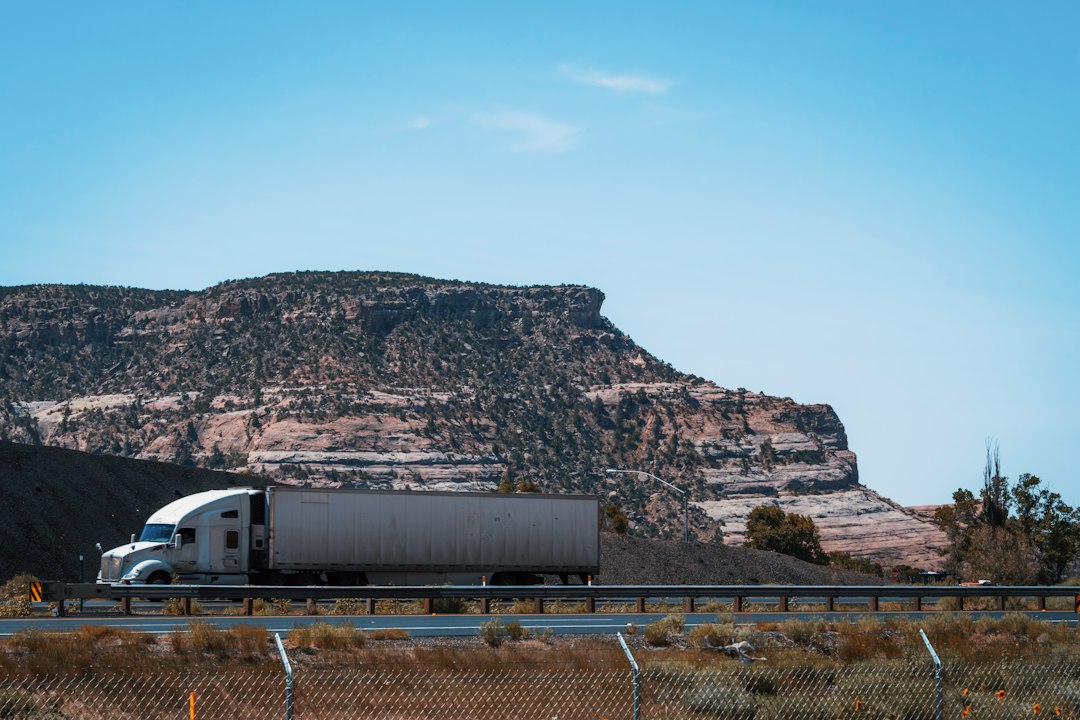
The early 20th century saw the advent of the automobile and, with it, the groundwork for a new era of personal and commercial terrestrial logistics: the road network. While initially a luxury, the automobile quickly evolved into a practical tool for transporting people and goods over shorter to medium distances. The development of internal combustion engines and pneumatic tires made road travel more comfortable and efficient. Governments, recognizing the economic and military potential of improved road infrastructure, began investing heavily in the construction and paving of roads. This paved the way for the widespread adoption of trucks and commercial vehicles, which offered greater flexibility than railways, able to reach destinations off the rail lines.
The growth of the automobile industry directly fueled the demand for better roads, creating a feedback loop of development. The concept of “last-mile delivery” began to gain prominence as vehicles could reach more dispersed locations. The establishment of standardized road numbering systems, traffic signals, and signage aimed to improve the safety and predictability of road travel, essential for efficient logistics. The rise of the trucking industry, independent of railway lines, allowed for more direct point-to-point transportation, revolutionizing the movement of goods in urban areas and between smaller towns. The logistical challenges of managing vehicle fleets, optimizing routes, and ensuring timely deliveries became increasingly important for businesses. The development of early road maps and navigational aids, though rudimentary compared to today’s GPS, represented initial steps towards systematic route planning.
The Information Age and the Modern Logistics Paradigm
The late 20th and early 21st centuries have been defined by the profound impact of the Information Age on terrestrial logistics. The convergence of computing power, telecommunications, and sophisticated software has transformed logistics from a purely physical undertaking to a highly integrated, data-driven discipline. The advent of the internet and digital communication technologies has enabled real-time tracking of shipments, inventory management, and the optimization of complex supply chains. This has led to a dramatic increase in transparency, predictability, and efficiency across the entire logistics spectrum. The concept of a “global supply chain” has become a reality, with goods and components moving seamlessly across continents, facilitated by advanced logistics management systems.
The development of sophisticated Enterprise Resource Planning (ERP) systems and Warehouse Management Systems (WMS) has allowed businesses to meticulously plan, execute, and monitor every stage of the logistical process. From procurement of raw materials to final delivery, every movement is optimized for cost, speed, and accuracy. The rise of e-commerce has placed unprecedented demands on terrestrial logistics, requiring faster, more frequent deliveries directly to consumers. This has spurred innovation in areas like last-mile delivery solutions, including the use of smaller, more agile vehicles, and the development of sophisticated routing algorithms to handle a high volume of individual packages. The concept of “just-in-time” inventory management, enabled by real-time data and predictive analytics, has become a cornerstone of efficient modern logistics, minimizing holding costs and waste.
The Evolution of Warehousing, Automation, and Predictive Analytics
Modern terrestrial logistics is characterized by its increasingly sophisticated warehousing and distribution centers. These are no longer just storage facilities but highly automated hubs designed for efficient sorting, picking, packing, and dispatch. Robotics and automation have become integral to these operations, from automated guided vehicles (AGVs) and robotic arms that handle goods to automated sortation systems that can process thousands of packages per hour. This reduces labor costs, improves accuracy, and significantly increases throughput. The development of advanced inventory management techniques, such as RFID (Radio-Frequency Identification) technology, allows for near-instantaneous tracking of individual items within a warehouse, providing unparalleled visibility and control.
Furthermore, the application of artificial intelligence (AI) and machine learning (ML) is revolutionizing logistics through predictive analytics. These technologies enable companies to forecast demand more accurately, anticipate potential disruptions (such as weather events or geopolitical issues), and proactively adjust their logistics strategies. Route optimization software, powered by AI, can dynamically reroute vehicles in real-time based on traffic conditions, delivery priorities, and other factors, ensuring maximum efficiency. The concept of “smart logistics” is emerging, where entire networks are interconnected and self-optimizing, driven by real-time data and intelligent algorithms. This shift from reactive to proactive logistics management, fueled by data and advanced analytics, represents the current frontier of terrestrial logistics. The challenges of sustainability and environmental impact are also driving innovation, leading to the development of more fuel-efficient vehicles, optimized routing to reduce mileage, and the exploration of alternative fuel sources for terrestrial transport.

The 2.7% Statistic That Terrifies Roman Historians
FAQs
What is a terrestrial logistics network analysis?
A terrestrial logistics network analysis is a method used to evaluate and optimize the transportation and distribution of goods over land, such as roads and railways, to ensure efficient and cost-effective operations.
Why is historical context important in terrestrial logistics network analysis?
Historical context provides valuable insights into the development and evolution of transportation networks, helping analysts understand how past decisions and events have shaped the current logistics infrastructure.
How can historical data be used in terrestrial logistics network analysis?
Historical data can be used to identify trends, patterns, and bottlenecks in transportation networks, allowing analysts to make informed decisions about route planning, resource allocation, and infrastructure improvements.
What are some key factors to consider when conducting a historical analysis of terrestrial logistics networks?
Some key factors to consider include changes in transportation technology, shifts in trade patterns, urbanization trends, regulatory policies, and major historical events that have influenced the development of transportation networks.
How can insights from historical analysis benefit the optimization of terrestrial logistics networks?
Insights from historical analysis can help identify inefficiencies, anticipate future challenges, and inform strategic planning decisions to improve the overall performance and resilience of terrestrial logistics networks.