The allure of the outlaw, the lone figure braving the wilderness against all odds, is deeply ingrained in popular culture. From dime-store novels to Hollywood epics, these narratives often paint a picture of resourcefulness and hard-won wisdom passed down through generations. Yet, many of these time-honored “survival tips” are, in fact, little more than myths, perpetuated by fiction and lacking any scientific grounding. In this exploration, we will dissect some of the most pervasive outlaw survival myths and contrast them with what science actually tells us about staying alive when the chips are down.
The Myth of the Indispensable Fire
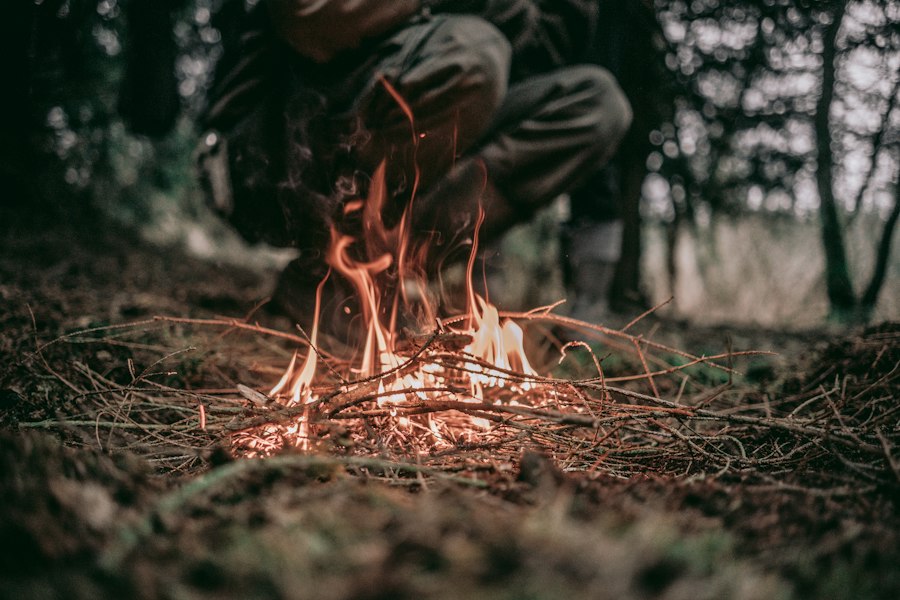
Fire is undoubtedly a cornerstone of survival. It provides warmth, purifies water, cooks food, signals for help, and offers psychological comfort. However, the methods often depicted in outlaw lore for fire-starting are frequently romanticized and, in many cases, incredibly difficult, if not impossible, for the untrained individual in realistic conditions. The image of the rugged frontiersman effortlessly coaxing flames from two sticks with sheer grit and a bit of tinder is a powerful one, but it rarely reflects the reality of friction-based fire starting.
Friction Fire: A Skill Requiring More Than Grit
The classic “bow drill” or “hand drill” method, while achievable, demands a specific combination of materials, technique, and practice. The wood types are crucial: a hard wood for the spindle and a softer wood for the fireboard, with the correct moisture content being paramount. Too dry, and the wood will crumble; too wet, and it will refuse to ignite. The angle of the spindle, the pressure applied, and the speed of rotation all play vital roles. Without significant training and specific environmental conditions, this method is far more likely to result in blisters and frustration than a life-saving flame. Furthermore, the “tinder” used in these portrayals is often depicted as readily available, dry grass or fluff. In reality, finding truly dry and fluffy tinder can be a significant challenge in damp or cold environments. Natural tinder often needs processing, such as scraping bark into fine fibers or preparing bird nests, which requires knowledge and time.
Modern Science and Reliable Ignition
Science offers far more reliable and accessible methods for fire starting. Modern survival kits almost universally include waterproof matches or lighters. These tools, while seemingly mundane, are incredibly effective and require minimal skill. Even the ubiquitous ferrocerium rod, often referred to as a “fire steel,” is a superior alternative to friction methods for most people. When scraped with a sharp edge, it produces a shower of intensely hot sparks that can ignite a wide range of tinder, even when slightly damp. The key here is not just the tool, but understanding what constitutes good tinder in the first place. Modern survivalists often prepare and carry their own tinder, such as cotton balls soaked in petroleum jelly, char cloth, or commercial fire-starting aids, ensuring a reliable ignition source regardless of the immediate natural environment. The scientific principle behind these is a controlled release of flammable material or a readily ignitable chemical reaction, making the process far less dependent on brute force or nuanced technique.
In the quest to debunk survival myths that often circulate in popular culture, it’s essential to consider the broader context of human resilience and the factors that contribute to the collapse of civilizations. A related article that explores the real reasons behind civilization collapse, particularly focusing on environmental degradation, can provide valuable insights into the challenges faced by societies throughout history. For more information on this topic, you can read the article here: The Real Reason for Civilization Collapse: Environmental Degradation.
The Perils of “Eating Anything”
Another enduring myth is the outlaw’s supposed ability to subsist on whatever the wilderness provides, often with an almost superhuman stomach. From grubs to questionable berries, the narrative suggests a level of biological resilience and indiscriminate eating that can be deadly in the real world. While foraging is a vital survival skill, it’s one that requires a deep and precise understanding of the natural world, not just a willingness to put anything in one’s mouth.
Misidentification: A Lethal Game of Chance
The most significant danger in indiscriminate foraging is misidentification. Many edible plants have toxic look-alikes that can cause severe illness, organ damage, or even death. For example, wild mushrooms are notoriously difficult to identify, and even experienced foragers can make mistakes. Similarly, certain berries, roots, and leaves can mimic their edible counterparts while harboring potent toxins. The outlaw trope often glosses over the painstaking process of learning to identify plants, their edible parts, and the specific seasons for harvesting them. It also ignores the potential for allergic reactions or cumulative toxicity from certain foods.
The Science of Edible Flora and Fauna
Botanical and zoological knowledge is critical for safe foraging. This involves understanding plant families, characteristic leaf arrangements, flower structures, and fruiting bodies to distinguish between safe and dangerous species. Scientific literature and field guides provide detailed descriptions and warnings about poisonous plants. Furthermore, even edible plants may contain toxins that can be neutralized through proper preparation, such as boiling or leaching. For example, acorns, while edible, contain tannins that must be leached out before consumption. Similarly, certain wild greens require thorough cooking to break down compounds that can cause digestive distress. Animal protein also presents challenges. While seemingly straightforward, consuming improperly cooked or scavenged meat can lead to serious parasitic infections and bacterial food poisoning. Understanding animal anatomy and safe butchering practices, along with thorough cooking, is essential. Modern survival training emphasizes the importance of positive identification through reputable sources and starting with small, known edible samples before consuming larger quantities. The “eat anything” mentality is a fast track to a survival situation becoming a medical emergency.
The Fictional Fountain of Youth: Water Wisdom
Water is life, and its scarcity is a primary concern in any survival scenario. Outlaw narratives often depict resourceful individuals finding clean water sources with ease, perhaps by observing animal tracks or knowing secret springs. While observation is indeed a valuable skill, the assumption of readily available, pristine drinking water is often far from reality.
Contamination Risks: The Invisible Enemy
The most significant danger associated with wild water sources is microbial contamination. Even water that appears crystal clear can be teeming with bacteria, viruses, and parasites such as E. coli, Giardia, and Cryptosporidium. These pathogens can cause severe gastrointestinal distress, dehydration, and even death, especially for individuals with compromised immune systems. The outlaw’s supposed ability to drink directly from any stream or pond is a dangerous oversimplification.
Scientific Purification Methods
Science provides proven methods for making water safe to drink. Boiling is the most effective and universally recommended method for killing microorganisms. Bringing water to a rolling boil for at least one minute (or three minutes at altitudes above 6,500 feet) will neutralize most harmful pathogens. Chemical purification tablets, typically containing iodine or chlorine dioxide, are another effective option, though they may leave an unpleasant taste and require a waiting period. Water filters, ranging from simple ceramic filters to advanced pump filters and UV sterilizers, physically remove or neutralize contaminants. Understanding the limitations of each method is crucial. A filter might remove bacteria but not viruses, for instance. Modern survivalists are trained to treat all wild water sources, regardless of their appearance, as potentially contaminated and to utilize one or more of these scientific purification techniques. The outlaw’s casual gulp from a murky stream is a recipe for debilitating illness, not survival.
Shelter: Beyond the “Lean-To” Stereotype
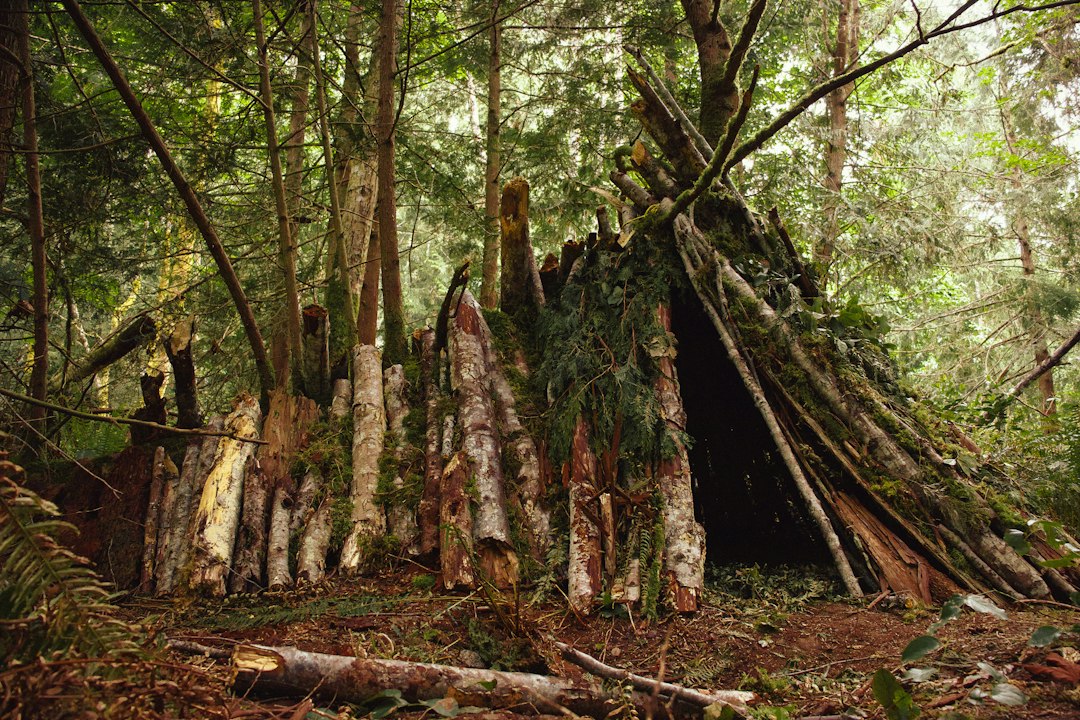
The image of the outlaw creating a rudimentary shelter, often a simple lean-to against a tree, is iconic. While such structures can offer basic protection from the elements, the effectiveness and practicality of these depictions are frequently exaggerated, and they often fail to account for the nuanced requirements of proper shelter.
The Importance of Insulation and Vapor Barrier
A basic lean-to, while offering shade or some protection from direct rain, often falls short in providing adequate insulation against cold, wind, and moisture. In cold environments, heat loss through conduction, convection, and radiation can be rapid. A poorly constructed shelter will allow cold air to circulate freely, significantly increasing the risk of hypothermia. Furthermore, moisture management is critical. Without a vapor barrier, body heat can condense on the inside of a shelter, leading to a damp and cold environment, even if the exterior is dry. Outlaw lore rarely addresses the finer points of trapping body heat and preventing internal condensation.
Modern Shelter Science and Design
Effective survival shelters, whether constructed from natural materials or utilizing modern equipment, prioritize insulation and moisture control. Natural shelters that are truly effective often involve excavating into the ground to utilize the earth’s stable temperature, creating an insulated debris hut with a thick layer of insulating material, or building more complex structures like a tipi or a quinzhee (a snow shelter). These designs focus on minimizing surface area exposed to the elements and maximizing the insulating properties of the materials used. Modern survival kits often include lightweight tarpaulins, emergency blankets, and bivvy sacks, which act as effective vapor barriers and provide significant insulation. The scientific principle behind effective shelter is creating a microclimate that shields the occupant from the harsh external environment by reducing heat loss and preventing moisture buildup. This requires understanding thermodynamics and the properties of different insulating materials, a far cry from casually leaning branches against a tree.
In the quest to understand survival techniques, many myths have been perpetuated over time, leading to misconceptions about what truly works in dire situations. A fascinating article that delves into this topic is one that explores ancient metallurgy techniques, shedding light on how historical practices can inform modern survival strategies. You can read more about these intriguing methods and their relevance in today’s world by visiting this article. By debunking survival myths through scientific evidence, we can better prepare ourselves for unexpected challenges.
Navigation: Instinct vs. In-depth Knowledge
| Myth | Claim | Scientific Finding | Explanation |
|---|---|---|---|
| Drinking urine prevents dehydration | Urine can be consumed to stay hydrated in the wild | Urine consumption can worsen dehydration | Urine contains salts and waste products that increase dehydration and strain kidneys. |
| Eating snow hydrates you | Eating snow is a good way to get water | Eating snow lowers body temperature and increases dehydration risk | Snow must be melted before consumption to avoid hypothermia and inefficient hydration. |
| Follow a river downstream to find civilization | Rivers always lead to inhabited areas | Not always true; rivers can lead to remote or dangerous areas | Some rivers flow into wilderness or hazardous terrain; navigation requires more context. |
| Eating wild plants is safe if they look edible | Visual inspection is enough to identify safe plants | Many toxic plants resemble edible ones | Proper identification requires knowledge; consuming unknown plants can cause poisoning. |
| Building a fire is easy in any weather | Fire can be started quickly regardless of conditions | Wet or windy conditions make fire-starting difficult | Fire requires dry tinder and shelter from elements; preparation is key. |
The lone outlaw, it is often said, possesses an innate sense of direction, navigating the wilderness with an almost mystical instinct. While some individuals may have a better natural sense of direction than others, relying solely on this “gut feeling” in unfamiliar territory can lead to disorientation and getting lost, a critical failure in a survival situation.
The Fallibility of Intuition
Human intuition, while sometimes helpful, is notoriously fallible when it comes to navigation, especially in featureless terrain or under stress. Factors such as fatigue, fear, and subjective perception can easily distort one’s sense of direction. Without external reference points or a structured method, it’s easy to walk in circles or move further away from one’s intended destination. The romanticized notion of the outlaw simply “knowing the way” often overlooks the necessity of systematic tracking and orientation.
Scientific Navigation Tools and Techniques
Science provides a robust toolkit for reliable navigation. The most fundamental tool is a map and compass. Understanding how to read a topographical map, orient oneself using a compass, and plot a course are essential survival skills. These tools provide objective data that overrides subjective feelings. Celestial navigation, using the sun and stars, is another scientifically grounded method that can be employed when other tools are unavailable. The position of the sun during the day and the patterns of constellations at night follow predictable astronomical principles. Modern technology has further enhanced navigation capabilities with GPS devices, which, while battery-dependent, offer unparalleled accuracy. However, even with GPS, understanding basic map and compass skills remains crucial as a backup. The outlaw’s reliance on “instinct” is a gamble; science offers certainty and reliability in finding one’s way.
In conclusion, while the legend of the resourceful outlaw continues to captivate imaginations, it is crucial to distinguish between fictional embellishment and practical, scientifically-validated survival knowledge. The ability to start a fire, find safe sustenance, secure potable water, build effective shelter, and navigate reliably are not born of brute will or innate instinct alone. They are skills honed through understanding and application of scientific principles. Modern survival training emphasizes preparedness, knowledge, and the judicious use of reliable tools, offering a far more effective path to overcoming the challenges of the wilderness than any romanticized outlaw myth.
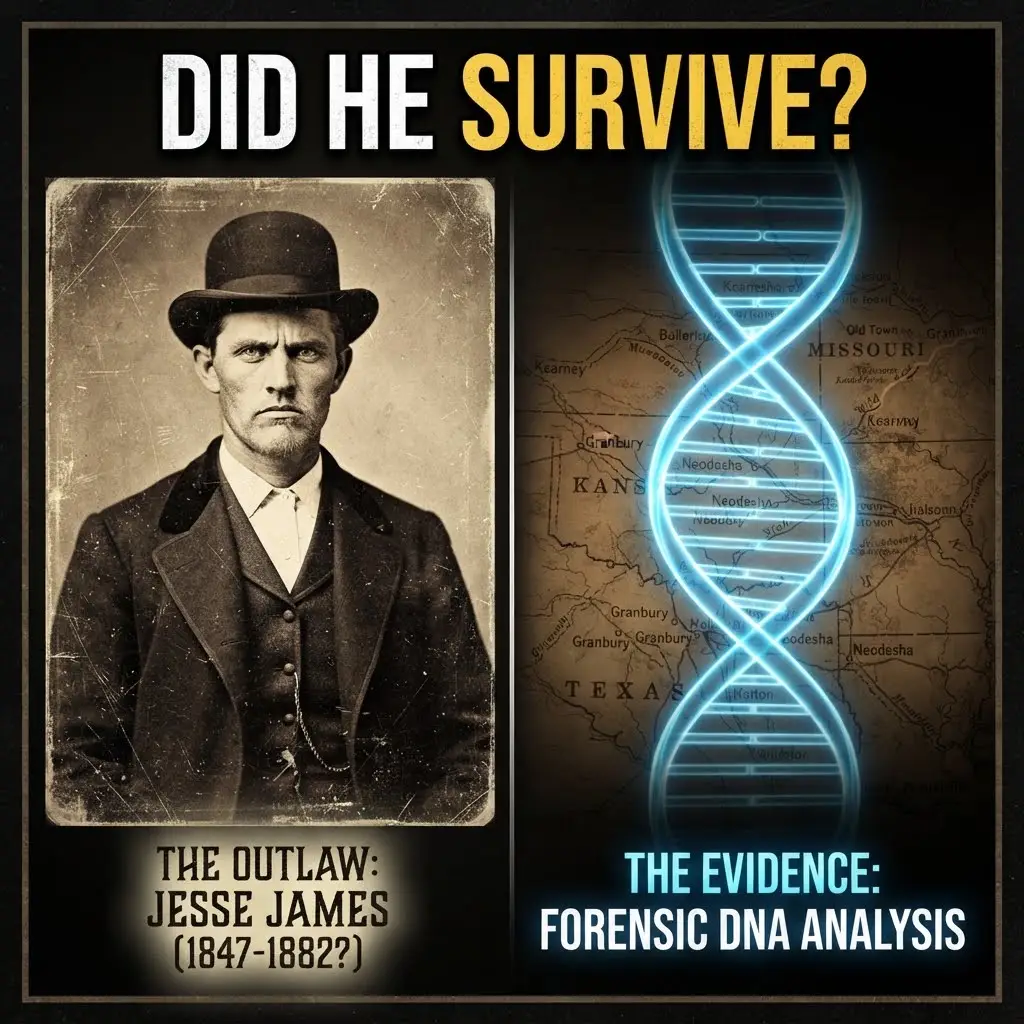
The Jesse James DNA Myth: Why Are There 3 Graves?
FAQs
1. Are outlaws able to survive solely on the land without any outside resources?
No, the idea of outlaws being able to survive solely on the land is a myth. In reality, humans require a variety of resources to survive, including food, water, shelter, and medical care.
2. Can outlaws evade capture indefinitely by living off the grid?
No, living off the grid does not guarantee that outlaws can evade capture indefinitely. Law enforcement agencies have advanced technology and resources that make it difficult for individuals to remain hidden for long periods of time.
3. Is it true that outlaws have superior survival skills compared to the average person?
While some outlaws may possess survival skills, it is not accurate to say that they have superior skills compared to the average person. Survival skills require training, practice, and knowledge, which not all outlaws may have.
4. Do outlaws have a higher chance of survival in dangerous situations due to their lifestyle?
Outlaws do not necessarily have a higher chance of survival in dangerous situations due to their lifestyle. Survival in dangerous situations often depends on a combination of factors, including preparation, decision-making, and luck.
5. Can outlaws rely on their instincts alone to survive in the wild?
Relying solely on instincts to survive in the wild is not a viable strategy for outlaws or anyone else. Survival in the wild requires a combination of skills, knowledge, and resources to overcome challenges and stay safe.