The Tiny Powerhouses and Their Singular Inheritance
Within the intricate tapestry of human genetics, two distinct types of DNA play crucial roles: nuclear DNA, found in the cell’s nucleus and responsible for the vast majority of our genetic blueprint, and mitochondrial DNA, a smaller, circular molecule residing within the mitochondria, the cell’s powerhouses. While nuclear DNA is a collaborative effort, inherited from both parents, mitochondrial DNA follows a remarkably simple and consistent rule: it is passed down exclusively from mother to child. This unique mode of inheritance, known as maternal line inheritance, has profound implications for understanding human evolution, tracing ancestry, and diagnosing certain genetic disorders. To truly grasp this concept, one must delve into the structure of mitochondria, the mechanics of their DNA, and the biological processes that ensure its maternal transmission.
Mitochondrial DNA (mtDNA) is inherited exclusively through the maternal line, a fascinating aspect of genetics that has significant implications for understanding ancestry and evolutionary biology. For a deeper exploration of how genetic inheritance shapes societal structures and influences population dynamics, you may find it interesting to read the article on the rise of failed government states, which discusses how genetic factors can intertwine with social stability. You can access the article here: The Rise of Failed Government States.
The Structure and Function of Mitochondria
Mitochondria, often referred to as the “powerhouses of the cell,” are essential organelles responsible for generating the majority of the cell’s adenosine triphosphate (ATP), the primary energy currency. Their presence is vital for virtually all eukaryotic cells, from the simplest yeast to the complex cells of the human body. Understanding the structure of these organelles is the first step in appreciating why their DNA is inherited in such a specific manner.
Double Membrane Architecture
Mitochondria possess a distinctive double-membrane structure. The outer membrane is smooth and encloses the entire organelle, acting as a barrier between the mitochondrial interior and the cytoplasm. Embedded within this outer membrane are specialized proteins that regulate the passage of molecules into and out of the mitochondrion. The inner membrane, in contrast, is highly folded into structures called cristae. These folds significantly increase the surface area of the inner membrane, which is crucial for its primary function: the electron transport chain and oxidative phosphorylation, the processes that generate ATP. The space between the outer and inner membranes is known as the intermembrane space, and the innermost compartment enclosed by the inner membrane is called the mitochondrial matrix.
The Mitochondrial Matrix: Home to mtDNA
It is within the mitochondrial matrix that the mitochondrial DNA (mtDNA) resides. The matrix is a gel-like substance containing a unique set of enzymes, ribosomes, and, importantly, multiple copies of the mtDNA. Unlike the linear chromosomes found in the nucleus, mtDNA is typically a circular molecule, a characteristic that reflects its ancient bacterial origins. This circular structure is a key feature that differentiates it from nuclear DNA.
ATP Production: The Powerhouse’s Purpose
The central role of mitochondria is energy production. This is achieved through a complex series of biochemical reactions. Glucose and fatty acids, derived from food, are broken down into smaller molecules. These molecules then enter the mitochondria and are further processed through the citric acid cycle (also known as the Krebs cycle) in the mitochondrial matrix. The electron carriers produced in this cycle then deliver high-energy electrons to the electron transport chain located on the inner mitochondrial membrane. As electrons move through a series of protein complexes, energy is released and used to pump protons from the matrix into the intermembrane space, creating an electrochemical gradient. This gradient then drives ATP synthase, an enzyme that uses the flow of protons back into the matrix to synthesize ATP. The efficiency and necessity of this process highlight why mitochondria are indispensable for cellular life.
The Unique Nature of Mitochondrial DNA
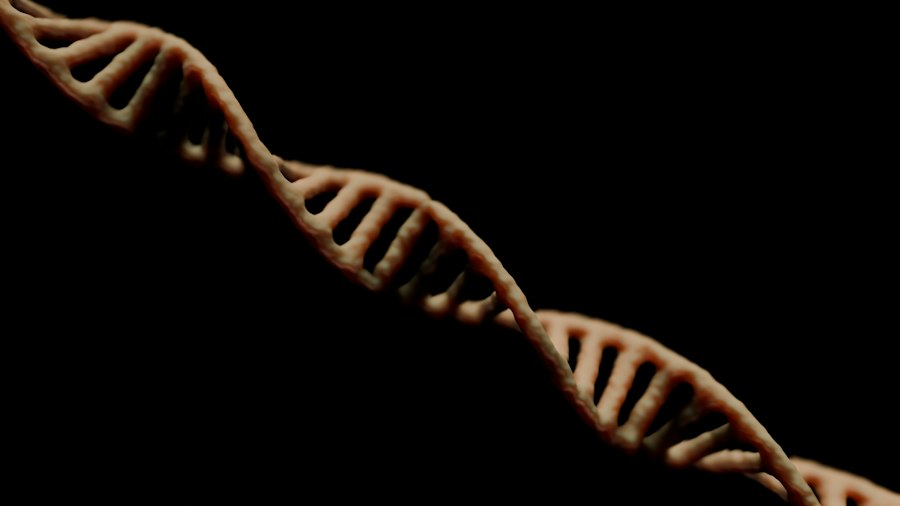
Mitochondrial DNA, though small compared to nuclear DNA, encodes for essential components of the cellular energy production machinery. Its distinct structure and composition are key to understanding its inheritance pattern.
Circularity and Size
As mentioned, mtDNA is typically a circular molecule, varying in size across different species but generally much smaller than nuclear DNA. In humans, the mitochondrial genome is approximately 16,569 base pairs long. This compact size is a result of its highly efficient gene organization. It contains 37 genes, which encode for 13 proteins involved in the electron transport chain, 22 transfer RNAs (tRNAs), and two ribosomal RNAs (rRNAs). These components are crucial for the synthesis of ATP. The circular nature of mtDNA is reminiscent of bacterial chromosomes, supporting the endosymbiotic theory of mitochondrial evolution, which posits that mitochondria originated from free-living bacteria engulfed by early eukaryotic cells.
Gene Content and Function
The 13 protein-coding genes within mtDNA are all integral parts of the oxidative phosphorylation system. These proteins, along with nuclear-encoded proteins, assemble into the five complexes that carry out the electron transport chain and ATP synthesis. The 22 tRNAs are essential for translating the genetic code into proteins, enabling the mitochondrial ribosomes to synthesize these crucial components. The two rRNAs are structural components of these ribosomes, which are distinct from the ribosomes found in the cytoplasm and are responsible for protein synthesis within the mitochondria. The limited number of genes means that mitochondria are heavily reliant on nuclear DNA for many of their proteins and for the replication and transcription machinery needed to maintain their own genome.
High Copy Number and Mutation Rate
A significant characteristic of mtDNA is its high copy number within each mitochondrion and within each cell. A typical human cell can contain hundreds or even thousands of mitochondria, and each mitochondrion can harbor multiple copies of mtDNA, ranging from 2 to 10. This high copy number provides a degree of redundancy and resilience, ensuring that even if some mtDNA molecules are damaged, the cell can still produce ATP. However, this high copy number also plays a role in inheritance. Furthermore, mtDNA has a mutation rate that is significantly higher than that of nuclear DNA. This is attributed to a lack of protective histones, the relative absence of DNA repair mechanisms compared to the nucleus, and the proximity of mtDNA to reactive oxygen species generated during oxidative phosphorylation. This higher mutation rate makes mtDNA a valuable tool for evolutionary studies and for tracking genetic drift.
The Mechanics of Maternal Inheritance
The exclusive transmission of mitochondrial DNA from mother to child is not an arbitrary occurrence but a consequence of fundamental biological processes occurring during fertilization and early embryonic development.
Sperm’s Contribution: Nuclear DNA Only
During sexual reproduction, a sperm cell fertilizes an egg cell. The sperm contributes its nuclear DNA, a total of approximately 20,000 genes arranged on 23 chromosomes, to the zygote. However, the sperm’s contribution to the zygote’s mitochondria is remarkably limited. While sperm cells do possess mitochondria to power their motility, these mitochondria are typically located in the midpiece of the sperm and are selectively excluded from the oocyte during fertilization. Various mechanisms are believed to contribute to this exclusion, including the degradation of paternal mitochondria after fertilization, targeted ubiquitylation of paternal mitochondria, or a failure of paternal mitochondria to be imported into the oocyte. The vast majority of the zygote’s initial mitochondrial population is therefore inherited from the egg.
The Egg’s Mitochondrial Bounty
The ovum, or egg cell, is a much larger cell than the sperm and is packed with numerous mitochondria. These mitochondria are not only present to support the energy demands of the egg itself but also to provide the initial mitochondrial population for the developing embryo. As the fertilized egg begins to divide and differentiate, these maternally inherited mitochondria are replicated and distributed to all the daughter cells. This ensures that every cell in the developing organism starts with a maternal legacy of mitochondrial DNA.
Avoiding Paternal mtDNA: A Selective Process
The precise mechanisms by which paternal mtDNA is eliminated or rendered inactive are still a subject of ongoing research. However, several hypotheses have been put forth. One involves the presence of specific proteins in the egg that actively degrade paternal mitochondria. Another suggests that the sperm’s mitochondria are tagged for destruction upon entering the egg. Regardless of the exact molecular mechanisms, the outcome is consistently the same: the offspring’s mitochondrial genome is a faithful replica of their mother’s. This selective filtering of paternal mitochondria is crucial for maintaining the integrity of the mitochondrial genome and preventing potential conflicts between two distinct sets of mitochondrial genetic information within the same cell.
Mitochondrial DNA is inherited exclusively through the maternal line, a fascinating aspect of genetics that highlights the unique role of mothers in passing down genetic information. This inheritance pattern allows scientists to trace lineage and study evolutionary relationships among species. For a deeper understanding of how these genetic principles can intersect with broader themes, you might find it interesting to explore the article on the space race and its implications for humanity’s future. You can read more about it in this related article.
Applications of Maternal Inheritance: Tracing Ancestry and Disease
| Aspect | Description | Details / Notes |
|---|---|---|
| Inheritance Pattern | Maternal Inheritance | mtDNA is inherited exclusively from the mother in most animals, including humans. |
| Source of mtDNA | Oocyte (Egg Cell) | mtDNA in the zygote originates from the mitochondria present in the egg; sperm mitochondria are typically degraded. |
| Heteroplasmy | Presence of Multiple mtDNA Variants | Some individuals may carry a mixture of mtDNA types, which can affect inheritance patterns and disease expression. |
| Mutation Rate | Higher than Nuclear DNA | mtDNA mutates faster, useful for tracing maternal lineage and evolutionary studies. |
| Transmission Bottleneck | Reduction in mtDNA Variants | During oogenesis, only a subset of mtDNA molecules is passed on, influencing heteroplasmy levels in offspring. |
| Exceptions | Rare Paternal Leakage | Occasionally, paternal mtDNA can be detected, but it is extremely rare and usually eliminated. |
| Applications | Genealogy and Disease Studies | mtDNA is used to trace maternal ancestry and diagnose mitochondrial diseases. |
The predictable and singular inheritance of mitochondrial DNA has made it an invaluable tool in various scientific fields, particularly in the study of human migration, evolutionary history, and the diagnosis of genetic diseases.
Unraveling Human Migration Patterns
Because mtDNA is passed down virtually unchanged from mother to daughter, it acts as a genetic marker that can trace maternal lineages through generations. Scientists can analyze the mtDNA of individuals from different populations and compare their genetic sequences. By identifying specific mutations that have accumulated over time, they can reconstruct patterns of human migration and dispersal across the globe. For instance, the presence of certain mtDNA haplogroups (groups of individuals sharing a common mtDNA ancestor) in different geographical regions provides strong evidence for ancient migratory routes and population movements. The relative lack of recombination in mtDNA means that the genetic variations observed are primarily due to accumulated mutations, making it a reliable clock for estimating divergence times between populations. This has been instrumental in understanding the “Out of Africa” model of human origins and the subsequent peopling of the world.
Studying Evolutionary History
mtDNA’s high mutation rate, compared to nuclear DNA, makes it particularly useful for studying recent evolutionary events and the relationships between closely related species. By analyzing the differences in mtDNA sequences, researchers can construct phylogenetic trees that depict the evolutionary relationships between different organisms. This has provided crucial insights into the evolutionary history of various species, including humans and our hominin ancestors. For example, studies of Neanderthal and Denisovan mtDNA have revealed their divergence from the modern human lineage and their interbreeding with early Homo sapiens. The consistency of maternal inheritance allows for a clearer interpretation of these genetic relationships without the complexities introduced by recombination.
Diagnosing and Understanding Mitochondrial Diseases
Disruptions in the function of mitochondria can lead to a range of debilitating genetic disorders, collectively known as mitochondrial diseases. Since mtDNA encodes for essential components of the oxidative phosphorylation system, mutations in mtDNA can impair ATP production, leading to cellular dysfunction and a variety of symptoms affecting organs with high energy demands, such as the brain, heart, muscles, and liver. Because mtDNA is maternally inherited, these diseases are passed down from mother to child. Understanding this mode of inheritance is critical for genetic counseling and for diagnosing affected individuals. Genetic testing for mtDNA mutations is a key diagnostic tool for many mitochondrial disorders. Furthermore, the concept of heteroplasmy—the presence of both normal and mutated mtDNA within the same cell—adds another layer of complexity to mitochondrial diseases. The proportion of mutated mtDNA can vary between tissues and individuals, influencing the severity of the disease. Maternal inheritance dictates the initial burden of heteroplasmy that is passed to offspring.
The Future of mtDNA Research
The continued study of mitochondrial DNA promises further revelations, from refining our understanding of human origins to developing novel therapeutic strategies for a growing list of associated diseases.
Advanced Sequencing Technologies
The advent of next-generation sequencing (NGS) technologies has revolutionized the study of mtDNA. These technologies allow for rapid and cost-effective sequencing of entire mitochondrial genomes, enabling researchers to analyze larger cohorts of individuals and identify rarer genetic variations. This has opened up new avenues for exploring the fine-scale patterns of human migration, identifying novel disease-causing mutations, and understanding the complex interplay between mtDNA and nuclear DNA in cellular function. The ability to sequence mtDNA from ancient remains with increasing accuracy also provides direct insights into the genetic makeup of extinct hominins and ancient populations, offering a window into our deep past.
Therapeutic Interventions for Mitochondrial Disorders
The growing understanding of mitochondrial genetics and the mechanisms underlying mitochondrial diseases is paving the way for potential therapeutic interventions. Strategies such as gene therapy, aimed at replacing mutated mtDNA with functional copies, or techniques that enhance the efficiency of residual functional mtDNA are being actively investigated. Mitochondrial replacement therapy (MRT), a controversial but promising technique, aims to prevent the transmission of mtDNA diseases by creating embryos with healthy nuclear DNA from the intended parents and healthy mtDNA from a donor. While still in its early stages, MRT highlights the potential to circumvent maternal inheritance in cases of severe mitochondrial disorders, offering hope to families at risk.
The Role of mtDNA in Aging and Other Conditions
Beyond inherited diseases, research is increasingly implicating mtDNA accumulation of mutations and declining mitochondrial function in the aging process. The wear and tear on these powerhouses over a lifetime may contribute to age-related decline in various tissues and organs. Furthermore, mtDNA has been linked to other complex conditions such as neurodegenerative diseases (e.g., Parkinson’s and Alzheimer’s), cardiovascular disease, and even certain types of cancer. The interplay between mtDNA integrity, cellular energy production, and disease pathogenesis is a rapidly evolving field of research with significant implications for public health. Future research will undoubtedly continue to uncover the multifaceted roles of mitochondrial DNA in health and disease, further solidifying its importance in biological and medical science.

The Jesse James DNA Myth: Why Are There 3 Graves?
FAQs
1. How is mitochondrial DNA inherited?
Mitochondrial DNA is inherited exclusively from the mother. This means that individuals receive their mitochondrial DNA from their mother’s egg cell, and not from the father’s sperm.
2. Can mitochondrial DNA be used to trace maternal ancestry?
Yes, mitochondrial DNA is often used in genealogy and anthropology to trace maternal ancestry. Since it is passed down unchanged from mother to child, it can reveal information about maternal lineages over many generations.
3. Are there any exceptions to the maternal inheritance of mitochondrial DNA?
While maternal inheritance is the general rule for mitochondrial DNA, there have been rare cases of paternal inheritance known as “paternal leakage.” However, these instances are extremely rare and do not significantly impact the overall pattern of maternal inheritance.
4. How does mitochondrial DNA differ from nuclear DNA?
Mitochondrial DNA is separate from the nuclear DNA found in the cell’s nucleus. It is much smaller, circular in shape, and contains genes that are essential for the function of mitochondria, the cell’s energy-producing organelles.
5. What are the implications of mitochondrial DNA maternal line inheritance for genetic research?
Understanding the maternal inheritance of mitochondrial DNA is crucial for genetic research, as it allows scientists to track specific genetic markers through maternal lineages. This information can be used to study human evolution, migration patterns, and genetic diseases that are passed down through the maternal line.