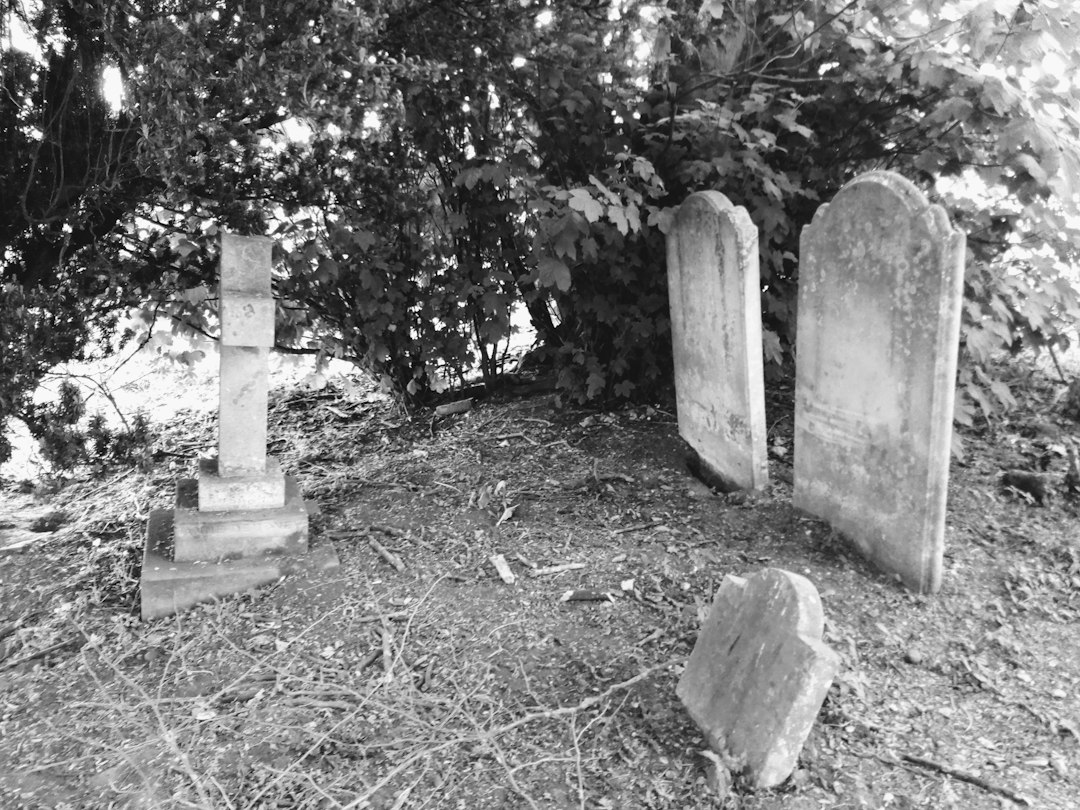
The weathered tombstone in a quiet Missouri cemetery has long been believed to mark the final resting place of the infamous outlaw Jesse James. For generations, this unassuming plot in the Mount Olivet Cemetery in St. Joseph, Missouri, has drawn curious visitors, historians, and even treasure hunters, all captivated by the legend of the notorious bandit. Yet, beneath the surface of this accepted narrative, a series of discoveries and ongoing investigations suggest that the story of Jesse James’s burial might be far more complex, and perhaps, far more intriguing, than commonly understood. These hidden clues, often overlooked or dismissed, are slowly piecing together a narrative that challenges the very foundation of what the world has come to believe about the end of Jesse James’s turbulent life. The secrets, it seems, are not confined to the outlaw’s notorious deeds, but also lie dormant, waiting to be unearthed, within the soil that supposedly cradles his remains.
The Official Narrative and Its Cracks
The prevailing story of Jesse James’s demise is one of betrayal and a swift, violent end. On April 3, 1882, Robert Ford, a disgruntled member of James’s own gang, shot and killed the outlaw in his own home in St. Joseph, Missouri. Ford’s motive was ostensibly to claim the $10,000 reward offered by Governor Thomas T. Crittenden for Jesse’s capture, dead or alive. The body, identified as Jesse James, was quickly buried, and the legend of his death seemed to be definitively sealed. However, from the very beginning, whispers of doubt began to circulate. The speed with which the burial occurred, the questionable identification process, and the subsequent emergence of men claiming to be Jesse James in various parts of the country all contributed to a persistent undercurrent of skepticism. These early cracks in the official narrative provided fertile ground for speculation and fueled the desire to seek definitive proof, leading to decades of debate and research.
The Identification Controversy
The identification of the body buried in Mount Olivet Cemetery has been the subject of intense scrutiny for over a century. Contemporary accounts of the assassination describe a gruesome scene, with a bullet wound to the head. However, the physical condition of the body, combined with the haste of the burial, made definitive identification challenging. Forensic science in the late 19th century was rudimentary compared to today’s standards. The remains were reportedly badly decomposed and disfigured, making visual identification by former associates or family members unreliable. Furthermore, the primary motivation for identifying the body was to secure the reward money, creating an incentive for a swift and conclusive, rather than entirely accurate, identification. The lack of meticulous examination at the time has left a legacy of doubt that continues to resonate.
The “Outlaw Resurrection” Phenomenon
Following the reported death of Jesse James, a peculiar phenomenon emerged: the appearance of individuals claiming to be the notorious outlaw himself. These claims, often accompanied by tales of elaborate escapes and disguises, fueled the legend and further eroded faith in the official account. Some of these claimants were undoubtedly charlatans seeking to capitalize on the fame of Jesse James. However, a few maintained their claims with a conviction that piqued the interest of some historians and researchers. One of the most prominent was a man named J. Frank Dalton, who bore a striking resemblance to the famed outlaw and possessed a wealth of knowledge about his life and exploits. While many dismissed these claims as mere folklore, the sheer persistence and detail offered by some of these individuals planted seeds of doubt that would eventually lead to more serious investigations.
The mystery surrounding Jesse James’ grave has captivated historians and treasure hunters alike, particularly due to the rumored clues hidden within it. Many believe that these clues could lead to undiscovered treasures or insights into the life of the infamous outlaw. For those interested in exploring the connections between historical enigmas and hidden messages, a related article titled “Uncovering the Secret Inscription of Ancient Climate” delves into the significance of secret inscriptions throughout history. You can read more about it here: Uncovering the Secret Inscription of Ancient Climate.
Forensic Investigations and Emerging Evidence
As forensic science advanced, so did the hope of definitively settling the Jesse James mystery. The possibility of exhuming the body for modern analysis has been a recurring theme, and in recent years, such investigations have yielded intriguing results. These scientific endeavors, though often met with resistance and legal hurdles, have begun to shed light on the true identity of the individual buried beneath the Jesse James marker, and in doing so, have uncovered clues that were hidden from the eyes of 19th-century investigators. The meticulous examination of skeletal remains, coupled with DNA analysis, offers a level of certainty previously unimaginable, and the findings have been anything but straightforward.
The 1995 Exhumation and DNA Analysis
Perhaps the most significant turning point in the ongoing investigation occurred in 1995, when the body believed to be Jesse James was exhumed for DNA testing. This groundbreaking procedure aimed to compare the DNA of the remains with that of known relatives. Samples were collected from the skeleton and compared to DNA from descendants of Jesse James’s sister, Susan James. The initial results were inconclusive, leaving the question of identity still open. However, the very act of exhumation and the application of advanced forensic techniques marked a new era in the quest for truth, opening doors for further, more refined analysis. The limitations of the DNA technology available at the time, coupled with potential degradation of the genetic material over the decades, contributed to the ambiguity of the findings.
Subsequent DNA Studies and Comparisons
Recognizing the limitations of the initial DNA analysis, further studies were conducted over the years, employing even more sophisticated techniques and accessing a wider range of genetic markers. These subsequent investigations sought to refine the comparison and increase the probability of a definitive match or exclusion. The challenge lay in obtaining pristine DNA samples from both the skeletal remains and the relatives, as well as accounting for potential contamination. Each new study, while sometimes yielding conflicting interpretations, contributed to a growing body of genetic data that analysts could use to weigh the evidence. The ongoing nature of these analyses underscores the complexity of definitively identifying historical figures solely through skeletal remains.
Anomalies in the Grave Site
Beyond the forensic examination of the remains, the grave site itself has yielded a surprising number of anomalies that challenge the straightforward narrative of Jesse James’s burial. These physical clues, embedded in the earth and the funerary artifacts, have been the focus of dedicated researchers and amateur sleuths alike, offering a different perspective on the events of 1882. These inconsistencies, when viewed collectively, suggest that the story might be more layered than a simple execution and burial. They point towards deliberate actions and perhaps even a level of misdirection.
The Bullet Hole Discrepancy
One of the most perplexing anomalies is the discrepancy regarding the bullet hole in the skull of the exhumed individual. Eyewitness accounts from the time of the assassination described Jesse James being shot in the back of the head. However, the exhumed skeleton, when examined by forensic anthropologists, revealed a bullet hole that appeared to be located more in the front of the skull. This inconsistency raised immediate questions. Could the bullet have traveled in an unusual path? Was the initial description of the wound inaccurate? Or did the discrepancy point towards a different individual being buried in the grave? The angle and trajectory of a bullet are critical pieces of forensic evidence, and this apparent contradiction fueled further speculation.
The Presence of Other Remains
During the 1995 exhumation, and subsequent investigations of the area around the primary coffin, archaeologists and forensic anthropologists discovered the presence of other human remains. These additional skeletal fragments, found in the same grave plot, were not initially accounted for in the historical records of Jesse James’s burial. The nature and origin of these secondary remains are a significant puzzle. Were they interred at a later date? Were they part of an earlier burial that was disturbed? Or did their presence suggest a more complex burial scenario for Jesse James himself, perhaps involving the placement of other individuals to obscure the truth? The careful excavation and analysis of these additional skeletal fragments became a crucial part of understanding the full picture of the grave site.
The Inconsistent Age of the Skeleton
Further examination of the skeletal remains revealed inconsistencies regarding the estimated age of the individual at the time of death. While Jesse James was reportedly in his early 30s when he died, the skeletal analysis suggested an age that was either significantly older or younger than that. This discrepancy, when combined with the bullet hole anomaly and the presence of other remains, further solidified the doubts about the identity of the person interred in the grave. The precise estimation of age from skeletal remains can be subject to interpretation, but significant deviations from the known age of Jesse James would be difficult to explain away.
Alternative Theories and Scenarios
The accumulating evidence of anomalies has naturally given rise to a multitude of alternative theories regarding Jesse James’s true fate. These theories, ranging from plausible historical scenarios to more sensationalistic claims, attempt to explain the discrepancies and reconcile the conflicting information. Each theory, while speculative, offers a potential explanation for the secrets buried beneath the Jesse James grave, and each one continues to be debated and investigated by dedicated researchers.
The Escape and Evasion Theory
The most persistent alternative theory suggests that Jesse James, in league with trusted individuals, faked his own death to escape the constant threat of capture and prosecution. In this scenario, Robert Ford, perhaps with assurances of leniency or a hidden reward, would have played a role in staging the assassination. The body of another individual, perhaps someone with a similar build or known to be dying, would have been substituted, allowing Jesse James to disappear and live out his life in anonymity. This theory finds support in the existence of numerous individuals who claimed to be Jesse James after 1882 and the general distrust of authority figures during that era. The meticulous planning required for such an elaborate deception would have been a significant undertaking, but not beyond the capabilities of a cunning outlaw.
The Robert Ford Deception Scenario
A variation of the escape theory posits that Robert Ford himself was either unaware of the full extent of the deception or was coerced into participating. Some historical accounts suggest that Ford was not entirely satisfied with his reward or the subsequent public perception of him as a murderer. This could have led him to participate in a staged killing, knowing that the individual he shot was not the real Jesse James. The motive for Ford would then shift from purely financial gain to something more complex, perhaps even an attempt to protect himself or a larger conspiracy. The pressure exerted by government officials or other powerful figures could have influenced Ford’s actions.
The Conspiracy Involving Other Gang Members
Another line of speculation suggests that the faked death was a more elaborate conspiracy involving other surviving members of the James-Younger gang or individuals sympathetic to their cause. These individuals might have provided resources, facilitated the escape, and helped to establish a new identity for Jesse James. The motive for such a conspiracy could have been to protect a legendary figure, preserve the mystique of the outlaw, or even to continue criminal activities under a new guise. This theory requires a significant level of coordination and trust among a network of individuals, making it a challenging scenario to prove definitively.
The mystery surrounding Jesse James’ grave has long fascinated historians and treasure hunters alike, with many believing that clues to hidden riches lie within. This intrigue is further explored in a related article that delves into the broader context of the Civil War and its impact on figures like James. For those interested in understanding the historical backdrop of such legends, you can read more about it in this insightful piece on the Civil War’s complexities at this article. The intertwining of history and myth continues to captivate audiences, making the search for Jesse’s secrets all the more compelling.
The Ongoing Quest for Truth
| Clue | Description | Location | Significance |
|---|---|---|---|
| Engraved Epitaph | Inscription on Jesse James’ gravestone mentioning his outlaw legacy | Grave marker, Kearney, Missouri | Provides historical context and confirms identity |
| Hidden Symbols | Carvings resembling playing cards and guns | Base of the tombstone | Possible references to Jesse James’ outlaw life and gambling habits |
| Unmarked Burial Spot | Nearby unmarked grave believed to be a family member or associate | Adjacent to Jesse James’ grave | May hold clues about family secrets or accomplices |
| Soil Disturbance | Signs of recent digging around the grave | Surrounding area of the grave | Could indicate attempts to retrieve or hide artifacts |
| Metal Detector Findings | Small metallic objects detected beneath the grave | Subsurface near the headstone | Potential remnants of personal belongings or hidden items |
The secrets beneath the Jesse James grave are not yet fully revealed. The ongoing quest for truth is a testament to the enduring fascination with the outlaw and the human desire to unravel historical mysteries. Researchers, forensic scientists, and historians continue to pore over the evidence, debate the theories, and search for new clues. The scientific advancements of the 21st century offer unprecedented opportunities to analyze historical artifacts and genetic material, and it is possible that future investigations will finally bring definitive closure to the story of Jesse James. The allure of the unknown, the thrill of discovery, and the weight of historical significance all contribute to the relentless pursuit of answers, ensuring that the legend of Jesse James, and the mysteries surrounding his final resting place, will continue to captivate generations to come. The journey to uncover these buried secrets is far from over, and each new piece of evidence, however small, brings us closer to understanding the true story of one of America’s most enigmatic figures.

The Jesse James DNA Myth: Why Are There 3 Graves?
FAQs
1. What are some of the clues hidden in Jesse James’ grave?
Some of the clues hidden in Jesse James’ grave include symbols, codes, and mysterious inscriptions that have intrigued historians and treasure hunters for years.
2. Why are there theories about hidden treasure in Jesse James’ grave?
There are theories about hidden treasure in Jesse James’ grave because of the rumors that the famous outlaw may have buried stolen loot or valuable items before his death.
3. How have experts tried to decipher the clues in Jesse James’ grave?
Experts have tried to decipher the clues in Jesse James’ grave by analyzing the symbols, researching historical records, and using advanced technology such as ground-penetrating radar to investigate the site.
4. What is the significance of the hidden clues in Jesse James’ grave?
The hidden clues in Jesse James’ grave are significant because they could potentially lead to the discovery of hidden treasure, shed light on the outlaw’s life and activities, or provide insights into the mysteries surrounding his death.
5. Are there any ongoing investigations or expeditions related to the clues in Jesse James’ grave?
Yes, there are ongoing investigations and expeditions related to the clues in Jesse James’ grave, with researchers, historians, and treasure hunters continuing to search for answers and explore the possibility of uncovering hidden secrets buried with the infamous outlaw.