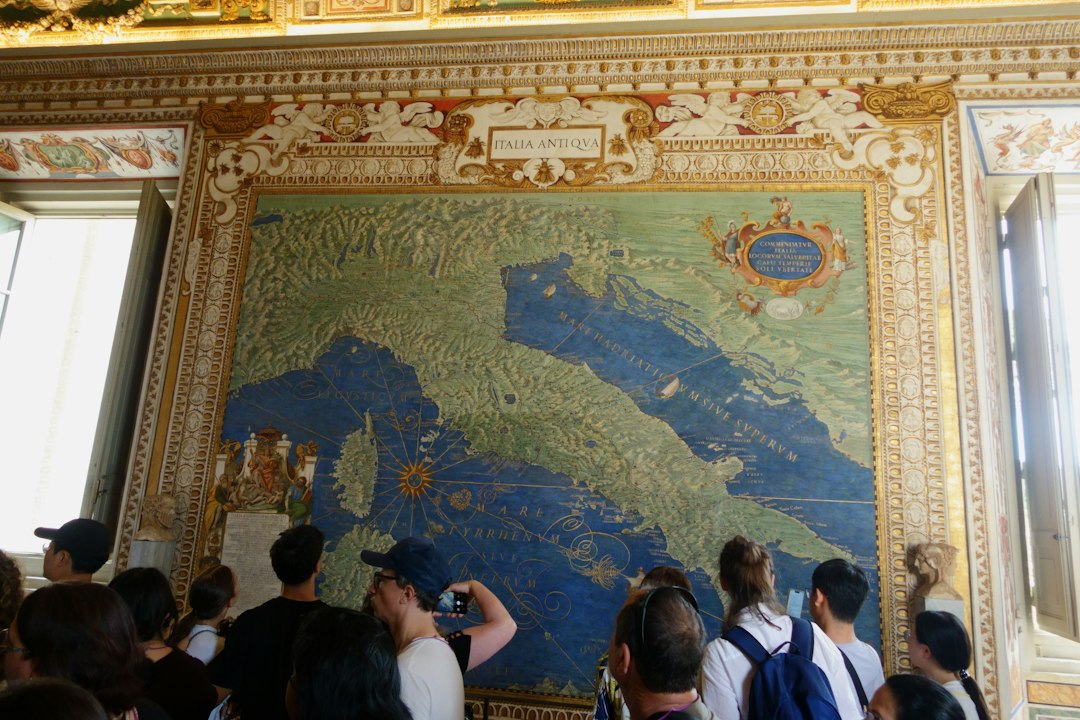
The Roman Empire, a civilization that profoundly shaped the Western world, left an indelible mark not only through its legions and laws but also through its remarkable feats of engineering and infrastructure. The very layout of its vast network of roads, aqueducts, public buildings, and urban centers was a testament to a sophisticated understanding of planning, logistics, and societal needs. This global historical analysis delves into the foundational principles and enduring impact of Roman infrastructure, exploring how its strategic design facilitated conquest, fostered trade, and laid the groundwork for future urban development across a sprawling dominion.
The Grand Design: Strategic Road Networks
The arteries of the Roman Empire were undoubtedly its roads. More than mere pathways, these were meticulously constructed and strategically placed networks designed to connect its far-flung territories, facilitate military movements, and promote economic integration. The Romans understood that effective control and communication were paramount to maintaining such a vast empire, and their road system was the primary enabler of both.
Engineering the Empire’s Lifelines
Roman roads were not haphazard constructions. They were built with a deliberate and enduring methodology, reflecting a commitment to quality and longevity. The typical construction involved several layers, starting with large stones for the foundation, followed by gravel, rubble, and finally a compacted surface of paving stones or well-laid gravel. This multi-layered approach ensured drainage, durability, and a smooth surface for wheeled traffic. The engineering prowess extended to their surveying techniques, which allowed for remarkably straight and well-graded routes, even across challenging terrain. Tunnels were bored through mountains, bridges were engineered to span rivers, and causeways were built across marshes, all demonstrating an unparalleled ability to overcome natural obstacles. The Via Appia, often cited as the “Queen of Roads,” is a prime example, stretching from Rome to Brindisi, connecting the capital to a vital Adriatic port and serving as a critical route for troop deployment and trade.
Connecting the Imperium: Military and Economic Imperatives
The primary impetus behind the Roman road network was military. The ability to rapidly move legions and supplies across the empire was crucial for suppressing rebellions, defending borders, and launching campaigns. The famed phrase “All roads lead to Rome” held a practical truth; the network radiated outwards from the capital, ensuring that military reinforcements could be dispatched to any threatened region with remarkable speed. However, the military benefits were intrinsically linked to economic prosperity. The same roads that carried soldiers also transported goods, agricultural produce, and raw materials. This facilitated trade between distant provinces, fostering specialization and creating a more unified economic zone. Merchants could travel more safely and efficiently, leading to increased commerce and the growth of markets in cities and towns along the routes. The diffusion of Roman culture and language was also an indirect but significant consequence, as the roads acted as conduits for the movement of people and ideas.
Legacy of the Roman Road
The enduring legacy of Roman roads is undeniable. Many of these ancient routes have been in continuous use for millennia, with sections still visible or incorporated into modern transportation networks. Their construction principles influenced road building for centuries, and the very concept of a planned, interconnected national road system can be traced back to Roman ingenuity. The Romans established a standard for durable and functional infrastructure that subsequent civilizations sought to emulate.
The infrastructure layout of the Roman Empire has long been a subject of fascination for historians and urban planners alike, as it showcases the advanced engineering and organizational skills of ancient civilizations. A related article that delves into the complexities of infrastructure and its implications in modern contexts can be found at this link: AIS Role in Autonomous Space Defense. This article explores how contemporary infrastructure systems, much like those of the Roman Empire, are essential for maintaining order and efficiency, albeit in the realm of space defense.
The Lifeblood of Cities: Roman Aqueducts and Water Management
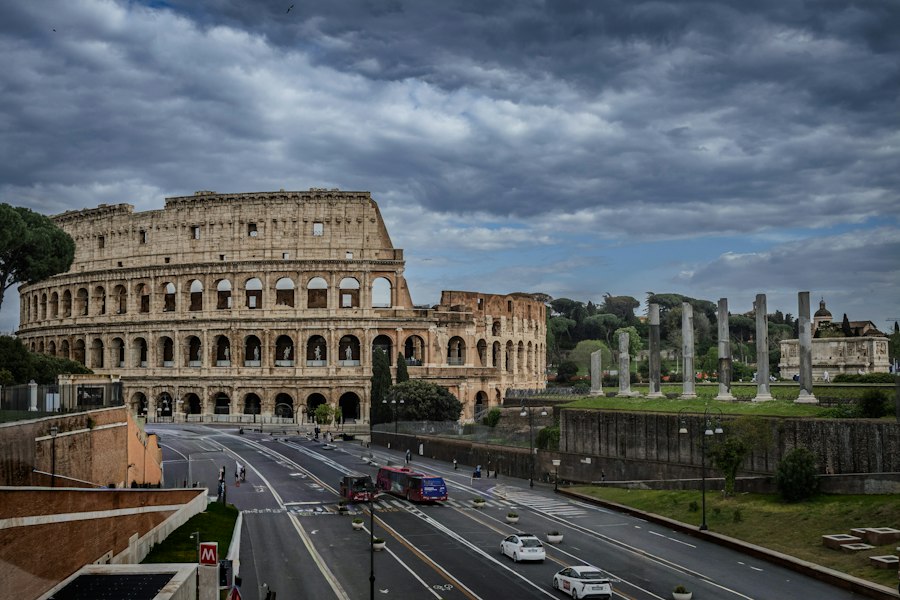
Water was fundamental to Roman urban life and a critical component of their civilization’s success. The construction of extensive aqueduct systems stands as one of the most impressive and enduring achievements of Roman engineering, demonstrating their commitment to public health, sanitation, and the development of large, thriving urban centers.
Engineering the Flow: Principles of Aqueduct Construction
Roman aqueducts were marvels of hydraulics and civil engineering. They relied on gravity to transport water from distant springs and rivers to urban centers. This required meticulous surveying and a deep understanding of gradient. Engineers carefully calculated the precise slope needed to ensure a steady, consistent flow without excessive speed, which could erode the channels, or insufficient speed, which could lead to stagnation. The aqueducts themselves were constructed using a variety of materials, including stone, brick, and concrete. While often depicted as grand arcades spanning valleys, much of the system comprised underground channels, tunnels, and gently sloping embankments, making them less visible but equally vital. The construction involved skilled laborers, engineers, and a significant logistical undertaking to quarry, transport, and assemble the vast quantities of materials.
Supplying the Metropolis: Public Baths, Fountains, and Sanitation
The primary purpose of the aqueducts was to supply the burgeoning Roman cities with a constant and abundant source of fresh water. This water was not solely for domestic consumption; it fueled the elaborate public baths, a cornerstone of Roman social life, where citizens gathered for hygiene, relaxation, and social interaction. The water also supplied public fountains, providing a readily accessible water source for the populace and enhancing the aesthetic appeal of urban spaces. Crucially, aqueducts also played a significant role in sanitation. Waste water was channeled away from living areas through a sophisticated network of sewers, often connected to the same water sources that supplied fountains and baths. This was a revolutionary concept for its time, contributing significantly to public health and reducing the incidence of waterborne diseases. The sheer volume of water brought into cities like Rome allowed for a scale of urban living and public amenity previously unimaginable.
The Long Reach of Roman Water: Beyond the Capital
While Rome itself was famously supplied by numerous aqueducts, this system was replicated across the empire. Major cities in provinces like North Africa, Gaul, Hispania, and Britannia all boasted impressive aqueduct systems, reflecting the Roman commitment to bringing the benefits of their civilization to every corner of their domain. These water systems were not merely utilitarian; they were symbols of Roman power and prosperity, demonstrating the empire’s ability to tame nature and provide for its citizens. The existence of such sophisticated water infrastructure directly influenced the size and sustainability of Roman settlements, enabling populations to grow and thrive in areas that might otherwise have been unsustainable.
The Heart of Roman Life: Urban Planning and Public Spaces
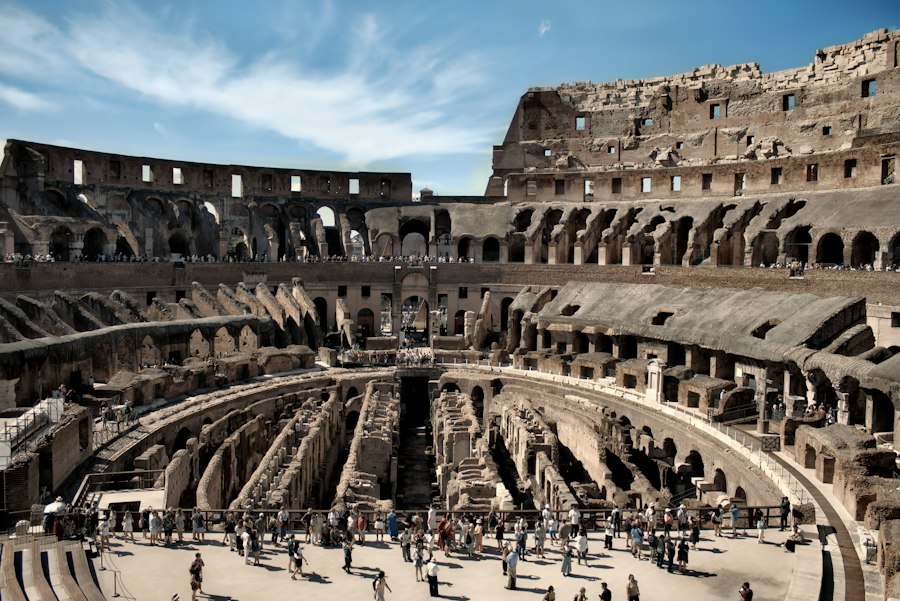
The layout of Roman cities was not a matter of organic growth but a deliberate manifestation of Roman ideals and societal organization. From the central forum to the public baths and temples, Roman urban planning prioritized functionality, order, and the creation of spaces that facilitated civic life, administration, and communal gathering.
The Grid and the Forum: Organizing the City
Many Roman cities, particularly those founded as new settlements or rebuilt after destruction, were laid out on a grid system. This orthogonal plan, derived from Greek and Etruscan precedents, provided a clear and logical structure for streets, blocks, and public buildings. The decumanus maximus (east-west main street) and the cardo maximus (north-south main street) formed the primary axes, intersecting at the city’s center. This central intersection often coincided with the forum, the bustling heart of Roman urban life. The forum served as the political, religious, commercial, and social hub of the city, a place for speeches, market activity, legal proceedings, and religious ceremonies. The placement of key public buildings around the forum underscored its importance and the Roman emphasis on civic engagement.
Monuments to Power and Piety: Temples, Theaters, and Amphitheaters
Roman cities were adorned with a wealth of public buildings that reflected the empire’s power, wealth, and cultural values. Temples, dedicated to Roman gods and emperors, were prominent features, often situated in commanding positions. Theaters provided venues for dramatic performances and public entertainment, while amphitheaters and circuses hosted gladiatorial contests, chariot races, and other spectacles, serving as important outlets for public engagement and social cohesion. The scale and grandeur of these structures were designed to impress and to demonstrate the might and sophistication of Roman civilization. The allocation of space for these public amenities was a deliberate choice, emphasizing their importance in the collective life of the city.
The Roman Dwelling: Domus and Insulae
Roman urban life also encompassed private dwellings, which varied significantly based on social status. The wealthy elite resided in domus, single-family homes often featuring internal courtyards, elaborate mosaics, and private bathing facilities. In contrast, the majority of the urban population lived in insulae, multi-story apartment blocks. These structures, often built with less durable materials and crowded together, could be prone to fire and collapse. However, even the insulae often included ground-floor shops and businesses, integrating residential and commercial life. The planning and construction of both domus and insulae, while different in execution, were still part of the broader urban fabric, contributing to the overall character and density of Roman settlements. The careful placement of these structures, their relationship to streets and public spaces, and the provision of basic services like water and sewage all contributed to the lived experience of urban Romans.
Beyond the Imperial Core: Provincial Infrastructure and Integration
The Roman Empire was not solely defined by its capital. The development and integration of infrastructure across its vast provinces were crucial to maintaining control, fostering economic activity, and extending the benefits of Romanization. While provincial infrastructure often mirrored that of Italy, it was adapted to local conditions and resources, showcasing a remarkable degree of flexibility.
Adapting to Local Realities: Provincial Building Practices
In the provinces, Roman engineers and architects often adapted their building techniques to the availability of local materials and existing traditions. For instance, in regions rich in stone, aqueducts and public buildings might utilize local quarrying and masonry styles, albeit with Roman design principles. In areas with abundant timber, wooden structures played a more significant role. While the grandiosity of imperial projects might be scaled down in some frontier regions, the fundamental Roman approach to planning, sanitation, and public amenities remained consistent. The construction of roads, baths, forums, and temples was a deliberate act of cultural imposition and integration, designed to bring Roman order and lifestyle to newly conquered territories. The spread of Roman urbanism was a key component of the Romanization process, offering tangible benefits to local populations and encouraging loyalty to the empire.
The Economic Web: Trade Routes and Port Development
The provincial road networks were vital extensions of the imperial system, connecting resource-rich regions to the wider empire and facilitating the flow of goods. Ports were particularly crucial for connecting land-based trade routes to maritime commerce. Roman engineers developed sophisticated harbors, docks, and warehousing facilities in key port cities across the Mediterranean and beyond. These developments not only supported the movement of goods but also enabled the projection of Roman naval power. The economic integration fostered by this infrastructure was profound, leading to the development of specialized industries in various provinces and a greater interconnectedness of economies across the empire. The extraction of resources, agricultural surplus, and manufactured goods from the provinces flowed towards the imperial core, while manufactured goods and luxury items were distributed back, creating a complex and dynamic economic web.
Cultural Diffusion and Imperial Identity
The presence of Roman infrastructure in the provinces served as a constant visual reminder of Roman power and influence. The construction of public buildings, the adoption of Roman urban planning, and the provision of public amenities like baths and theaters all contributed to the spread of Roman culture and values. This process, known as Romanization, was not always voluntary but often involved the adoption of Roman language, customs, and legal systems, facilitated by the physical infrastructure that supported these changes. The shared experience of using Roman roads, bathing in Roman baths, and participating in public life within Roman-designed spaces helped to forge a sense of shared imperial identity, even among diverse populations. The infrastructure thus acted as a powerful tool for cultural assimilation and the consolidation of imperial authority.
The Roman Empire is renowned for its advanced infrastructure, which played a crucial role in its expansion and administration. A fascinating analysis of how such historical frameworks can inform modern economic strategies can be found in a related article that discusses the implications of asset management in the face of dollar devaluation. This article highlights the importance of understanding historical contexts, much like the Roman infrastructure, to navigate contemporary financial landscapes effectively. For more insights, you can read the article on top assets for dollar devaluation here.
The Enduring Echo: Roman Infrastructure’s Lasting Influence
| Infrastructure Type | Estimated Length/Size | Geographical Coverage | Primary Purpose | Notable Examples | Impact on Roman Empire |
|---|---|---|---|---|---|
| Roads | Approx. 400,000 km (250,000 miles) | Across Europe, North Africa, and the Middle East | Military movement, trade, communication | Via Appia, Via Egnatia | Enabled rapid troop deployment and economic integration |
| Aqueducts | Over 500 km of channels and tunnels | Major cities throughout the empire | Water supply for urban centers | Aqua Claudia, Pont du Gard | Improved public health and urban growth |
| Bridges | Hundreds of stone and wooden bridges | Spanning rivers across Europe and Asia Minor | Facilitated road network continuity | Pons Fabricius, Pons Aemilius | Enhanced connectivity and trade routes |
| Ports and Harbors | Numerous constructed and improved ports | Mediterranean coastline and major rivers | Trade, military naval operations | Ostia, Portus | Boosted commerce and naval dominance |
| Urban Planning | Hundreds of cities with grid layouts | Throughout the empire | Efficient administration and habitation | Rome, Pompeii, Timgad | Standardized city design improved governance |
| Fortifications | Thousands of forts and walls | Frontiers such as Hadrian’s Wall, Rhine-Danube borders | Defense and border control | Hadrian’s Wall, Limes Germanicus | Secured empire boundaries and controlled invasions |
The Roman Empire may have fallen, but its infrastructure left an indelible mark on the course of Western civilization. The principles and practices developed by Roman engineers and planners have shaped urban development, transportation, and public works for centuries, demonstrating a profound and lasting influence that continues to resonate today.
Blueprint for Future Cities
The Roman approach to urban planning, with its emphasis on grid systems, public spaces, and essential services, provided a foundational blueprint for subsequent cities. While medieval cities often developed more organically, the ideal of a well-ordered and functional urban environment, as exemplified by Roman cities, remained an aspiration. Later periods of urban renewal and expansion frequently drew upon Roman precedents, whether consciously or unconsciously. The concept of a centralized forum, the importance of public baths (though their function evolved), and the provision of clean water remained influential ideas in urban design.
The Road Ahead: Transport and Logistics
The Roman road network established a standard for durable and efficient long-distance transportation that was unparalleled for its time. The principles of road construction, including surveying, grading, and layered construction, informed road building for centuries. While the advent of new technologies has transformed transportation, the Roman emphasis on creating interconnected networks for the efficient movement of people and goods remains a core principle of modern infrastructure development. The strategic importance of transportation networks for economic growth, national security, and social cohesion can be directly traced back to the Roman understanding of the power of their road systems.
A Legacy of Engineering and Public Works
Beyond roads and cities, Roman achievements in aqueducts, bridges, public buildings, and sanitation systems set a benchmark for engineering and public works. Their mastery of materials like concrete, their understanding of hydraulics, and their systematic approach to large-scale projects inspired generations of builders and engineers. The enduring presence of Roman ruins across Europe, North Africa, and the Middle East serves as a constant testament to their engineering prowess and their commitment to creating tangible infrastructure that served societal needs. The Roman legacy in infrastructure is not merely a historical curiosity; it is a foundational element upon which much of the modern world has been built, a testament to their enduring vision and remarkable capabilities.
The 2.7% Statistic That Terrifies Roman Historians
FAQs
What was the layout of the infrastructure in the Roman Empire?
The infrastructure in the Roman Empire consisted of a network of well-built roads, aqueducts, bridges, and ports that connected the vast empire and facilitated trade, communication, and military movements.
How did the infrastructure of the Roman Empire contribute to its global influence?
The advanced infrastructure of the Roman Empire allowed for efficient transportation of goods, troops, and information across vast distances, enabling the empire to exert control over a large territory and project power globally.
What impact did Roman infrastructure have on urban development?
The Roman infrastructure, including well-planned cities with amenities such as baths, theaters, and forums, influenced urban development not only within the empire but also in regions that came under Roman influence, shaping the layout of cities for centuries to come.
How did the Roman Empire’s infrastructure influence engineering and architecture globally?
The innovative engineering techniques and architectural designs used in Roman infrastructure, such as the construction of arches, domes, and concrete, had a lasting impact on subsequent civilizations and continue to influence modern construction practices around the world.
What are some examples of Roman infrastructure that still exist today and are considered engineering marvels?
Examples of Roman infrastructure that have stood the test of time and are considered engineering marvels include the Colosseum in Rome, the Pont du Gard aqueduct in France, and the Roman baths in Bath, England, showcasing the ingenuity and lasting legacy of Roman engineering and architecture.