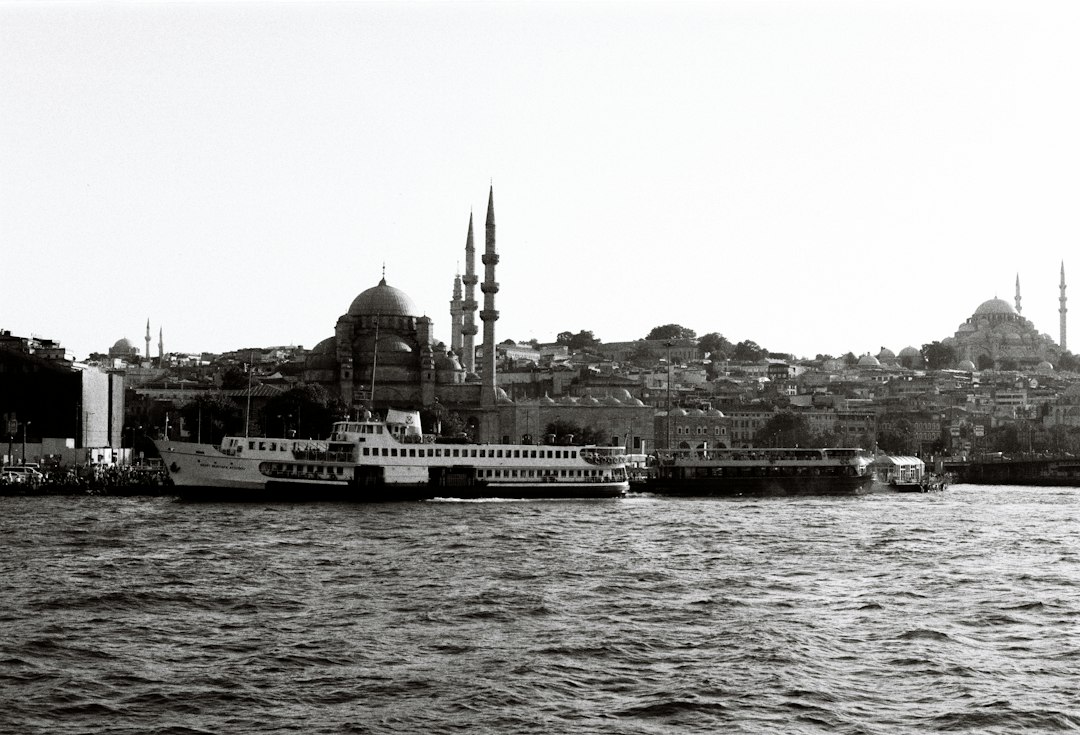
The rhythmic churn of the ferry engine, a modern echo of ancient mariners, has begun to weave a new narrative across Istanbul’s shimmering waters. For centuries, the Bosporus Strait, that vital artery dividing Europe and Asia, was the undisputed highway of this sprawling metropolis. Empires rose and fell on its currents, trade flowed, and countless lives were intertwined by its embrace. While modern bridges now span its width, the resurgence of Bosporus ferry connectivity is not merely about transportation; it is a profound revival of ancient travel paths, reawakening a historical rhythm that once defined Istanbul’s very soul.
The story of Istanbul is inextricably linked to its waterways. From its earliest days as Byzantium, then Constantinople, and finally Istanbul, the city’s identity has been shaped by the Bosporus. The very act of crossing this strait was, for millennia, an essential and often defining experience. The caiques, ferries, and larger vessels that plied these waters carried not just goods and people, but also cultures, ideas, and the very essence of urban life. This article explores how the current revival of Bosporus ferry services is breathing new life into these ancient routes, reconnecting modern Istanbulites and visitors alike with a profound sense of history and a more sustainable, engaging way to experience the city.
The Enduring Allure of the Bosporus Crossing
The Bosporus Strait, a natural marvel and a geopolitical linchpin, has been the undisputed protagonist in Istanbul’s long and storied history. Its strategic importance as a gateway between the Black Sea and the Mediterranean, and by extension, Europe and Asia, made it a coveted prize and a bustling hub of human activity from antiquity. The ferry, in its various guises throughout the ages, has been the primary instrument of interaction across this formidable natural barrier.
Byzantium’s Watery Embrace
Even before the city became Constantinople, the settlement of Byzantium, founded by Greek colonists, understood the fundamental role of the water. Early forms of watercraft would have been essential for connecting the settlements on either side of the strait, facilitating fishing, trade, and communication. The early inhabitants would have navigated the currents using rudimentary vessels, a daily act of connecting with their environment and each other. The Bosporus was not just a geographical feature; it was the lifeblood of their nascent community, dictating their movements and their very survival. The sounds of oars dipping into the water, the shouts of merchants hawking their wares from shore to shore, these would have been the ambient noises of this ancient settlement.
Constantinople: An Imperial Waterway
With the rise of Constantinople as the capital of the Roman and later Byzantine Empires, the Bosporus’s significance magnified exponentially. It became the grand highway of an empire, connecting its European and Asian territories. The imperial navy was a formidable force on these waters, protecting the city and projecting power. More importantly for the populace, the ferry services evolved. While grand imperial barges might have been reserved for state occasions, a robust network of smaller ferries would have been catering to the daily needs of citizens, merchants, and pilgrims. Imagine the bustling wharves, crowded with people from all walks of life – soldiers, traders, monks, and ordinary citizens – all waiting for their turn to cross. The ferries were the arteries that kept the imperial heart beating. The social fabric of Constantinople was woven across the water; neighborhoods on opposite shores were not isolated but interconnected by the constant flow of people. The scent of spices from the East, the news from distant provinces, all arrived and departed via the Bosporus.
The Ottoman Era and the Rise of the Sultan’s Ferries
The Ottoman conquest in 1453 did not diminish the Bosporus’s importance; it transformed it. Istanbul, as the new capital, became a center of Islamic civilization and a major global power. The Ottoman sultans recognized the strategic and symbolic value of controlling the Bosporus. The ferry system continued to thrive, with the Ottomans investing in larger, more sophisticated vessels. The iconic designs of Ottoman ferries, often adorned with intricate calligraphy and vibrant colors, became a familiar sight. These ferries were not just functional; they were statements of imperial presence and artistic expression. The crossing of the Bosporus in an Ottoman ferry was a sensory experience, from the call to prayer echoing across the water to the vibrant kaleidoscope of the city unfolding on either side. The social life of the Ottoman capital was also deeply intertwined with the ferries. Families would visit relatives on the other side, lovers would meet in secluded coves accessible only by boat, and fishermen would ply their trade, their catches destined for the bustling markets on both continents. The ferocity of the currents and the unpredictable weather also added an element of adventure and resilience to these daily crossings, a testament to the human capacity to master nature.
The Bosporus ferry connectivity not only serves as a modern transportation link between Europe and Asia but also echoes the ancient travel paths that have shaped the region’s history. These routes were vital for trade and cultural exchange, much like the Polynesian wayfinding techniques that guided navigators across vast oceans. For a deeper understanding of how ancient travel methods influenced maritime navigation, you can explore the article on Polynesian wayfinding, which highlights the intricate skills and knowledge used by early seafarers. You can read more about this fascinating topic in the article here: Navigating the Seas: Polynesian Wayfinding Explained.
The Modern Resurgence of Ferry Connectivity
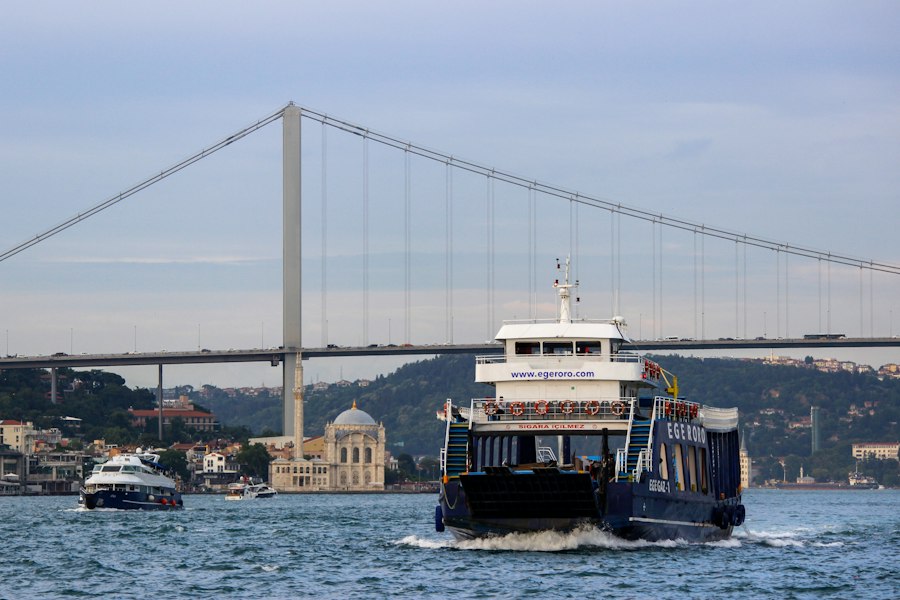
In the latter half of the 20th century, the construction of bridges – first the Bosporus Bridge in 1973 and later the Fatih Sultan Mehmet Bridge and the Yavuz Sultan Selim Bridge – seemed to signal a shift away from water-based transit. These colossal structures, engineering marvels in their own right, offered speed and directness for vehicular traffic, leading to a perception that ferries might become obsolete. However, recent years have witnessed a significant and welcome resurgence in the utilization and expansion of ferry services across the Bosporus, driven by a confluence of factors that underscore the enduring appeal and practicality of waterborne travel.
Addressing Congestion and Embracing Sustainability
Istanbul’s ever-growing population and its status as a global tourism magnet have placed immense strain on its road infrastructure. Traffic congestion has become a daily reality, turning commutes into arduous affairs and impacting the city’s overall efficiency and quality of life. The ferry system, with its ability to move large numbers of people efficiently without contributing to road congestion, has emerged as a crucial component of Istanbul’s multimodal transportation strategy. Beyond mere practicality, there is a growing global awareness of the environmental impact of transportation. Ferries, particularly modern ones powered by cleaner technologies, offer a more sustainable alternative to road travel. They reduce carbon emissions, noise pollution, and the demand for extensive road infrastructure, aligning with Istanbul’s aspirations for a greener future. The rhythmic movement of watercraft also offers a more serene and less stressful commute, a stark contrast to the honking horns and gridlocked streets.
Enhancing the Tourist Experience
For visitors, the Bosporus ferry offers an unparalleled perspective on Istanbul’s magnificent panorama. Instead of being confined to the confines of a bus or a car, tourists can experience the city from a unique vantage point, witnessing iconic landmarks like the Hagia Sophia, the Blue Mosque, Topkapi Palace, and the Maiden’s Tower from the glittering expanse of the strait. The journey itself becomes an integral part of the sightseeing experience, offering breathtaking views, the refreshing sea breeze, and opportunities to capture stunning photographs. The ferry provides a sense of immersion in the city’s geography, allowing one to truly appreciate the physical connection between its disparate parts. The gentle sway of the boat, the calls of the seagulls, the sun glinting off the minarets – these are sensory elements that enrich the tourist’s understanding and appreciation of Istanbul.
The Role of Public and Private Operators
The revival of ferry connectivity is a collaborative effort involving both public and private entities. Istanbul’s public ferry operator, Şehir Hatları, has been instrumental in modernizing its fleet, introducing new routes, and enhancing passenger comfort and safety. Simultaneously, private ferry companies have emerged, offering specialized services, catering to specific commuter needs, and contributing to the overall vibrancy of the ferry network. This competitive landscape, while driven by commercial interests, ultimately benefits the public by increasing options, improving service quality, and expanding reach. The introduction of smaller, more agile private ferries, for instance, can serve less accessible coastal areas, thereby expanding the network’s utility. The integration of these services with other public transport modes, such as metro and bus lines, creates a seamless and efficient travel experience for both residents and tourists.
Navigating the Bosporus: Routes and Connections
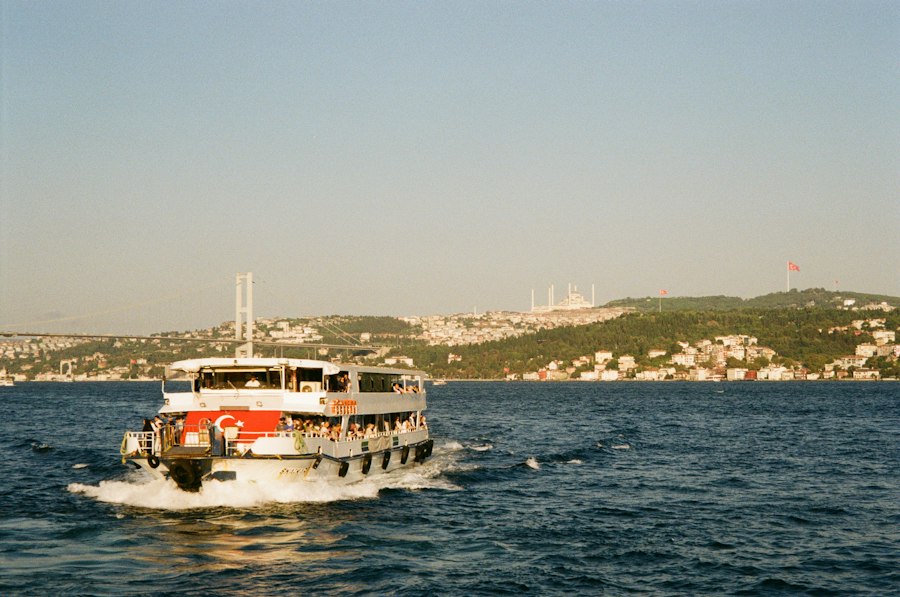
The Bosporus ferry network, in its contemporary iteration, has expanded to serve a diverse range of needs, connecting not just the iconic European and Asian sides of the city but also reaching further along the coastlines, catering to daily commuters, weekend explorers, and international visitors alike. The network is a testament to the strategic planning and the recognition of the inherent advantages of waterborne transport.
The Classic Crossings: Eminönü, Karaköy, and Kadıköy
The most traditional and heavily trafficked routes remain the arteries that connect the historical heart of the city on the European side with the bustling districts on the Asian side. The ferry terminals at Eminönü and Karaköy on the European side, and Kadıköy and Üsküdar on the Asian side, are vital hubs. These are the routes where the daily rhythm of Istanbul is most palpable. Commuters rush to catch their morning ferries, office workers grab a quick simit (a Turkish bagel) and tea on board, and students head to their classes. The journey across these stretches, often taking just 15-20 minutes, offers iconic views of the city’s skyline, the Galata Tower, and the majestic Süleymaniye Mosque. These crossings are the quintessential Istanbul ferry experience, a daily ritual that has been performed by generations. The constant flow of people, the symphony of boat horns, and the vibrant atmosphere of the ferry terminals encapsulate the dynamic spirit of the city.
Extending the Reach: The Golden Horn and Beyond
The ferry network has also been strategically extended to encompass the Golden Horn, a significant natural harbor that has played a crucial role in Istanbul’s history. Ferries now traverse the Golden Horn, connecting areas like Eyüp and Balat on the European side with districts further inland. This extension provides an alternative to congested road routes and offers a more scenic and relaxed way to explore these historically rich neighborhoods. Furthermore, routes have been developed to serve the Bosphorus’s northern and southern reaches, connecting more distant residential areas and popular coastal towns. These longer routes are particularly appealing to those seeking to escape the city’s hustle and bustle for a day trip or a weekend getaway, offering access to charming seaside villages, seafood restaurants, and recreational areas. The embrace of the Bosporus is now more comprehensive, allowing for exploration of its entire length and breadth.
Intermodal Connectivity: A Seamless Journey
A key aspect of the modern ferry revival is its seamless integration with Istanbul’s broader public transportation system. Ferry terminals are strategically located near metro stations, tram lines, and bus stops, enabling passengers to transition effortlessly between different modes of transport. This intermodal connectivity is crucial for creating an efficient and user-friendly urban transportation network. For instance, a tourist arriving at Istanbul Airport can take the metro to a nearby ferry terminal, cross the Bosporus by ferry, and then connect to a bus to reach their final destination. This integrated approach reduces travel time, minimizes stress, and encourages greater use of public transportation. The ticketing systems are often unified, allowing for a single payment method across different services, further simplifying the travel experience. This interconnectedness transforms the act of moving through Istanbul from a series of disconnected journeys into a fluid and integrated experience.
The Passenger Experience: A Blend of Tradition and Modernity
The experience of taking a Bosporus ferry today is a fascinating juxtaposition of ancient maritime traditions and contemporary conveniences. While the fundamental act of crossing the water remains the same, the modern ferry system offers a level of comfort, efficiency, and accessibility that would have been unimaginable in previous centuries. The ferry has transitioned from a purely utilitarian necessity to an enjoyable and integral part of daily life and a cherished part of the visitor’s journey.
Comfort and Amenities on Board
Modern ferries are equipped with a range of amenities designed to enhance passenger comfort. Clean and well-maintained seating areas, both indoor and outdoor, provide options for different preferences. Many vessels offer onboard cafes serving hot and cold beverages, snacks, and light meals, allowing passengers to relax and refuel during their journey. Wi-Fi connectivity is increasingly common, enabling commuters to stay connected with work or social media, or for tourists to share their experiences in real-time. Safety features are paramount, with life jackets readily available and crew members trained in emergency procedures. The design of contemporary ferries often incorporates large windows, maximizing the visual experience of the crossing and ensuring that every passenger has an opportunity to admire the stunning cityscape.
The Sensory Symphony of the Crossing
Despite the modernizations, the sensory experience of a Bosporus ferry crossing retains its timeless charm. The gentle rocking of the boat, the salty breeze caressing one’s face, the rhythmic thrum of the engines – these elements evoke a sense of connection to the sea and to the city’s maritime heritage. The visual spectacle is, of course, a dominant feature. As the ferry glides across the water, Istanbul unfolds in a breathtaking panorama. Minarets pierce the sky, domes crown majestic structures, and the vibrant energy of the city is palpable from the water. The calls of seagulls, the gentle lapping of waves against the hull, and the distant sounds of the city create a unique auditory landscape. For those who have lived in Istanbul for years, the ferry remains a moment of respite, a chance to pause and reconnect with the beauty of their surroundings. For visitors, it is an introduction to the city’s grandeur, a moment of awe and wonder.
Accessibility and Inclusivity
The revival of the ferry system has placed a strong emphasis on accessibility and inclusivity. Many modern ferries are designed to accommodate passengers with disabilities, featuring ramps, wider doorways, and designated seating areas. This commitment to accessibility ensures that the Bosporus ferry experience is open to everyone, regardless of their mobility. Furthermore, the frequency of services on key routes, particularly during peak hours, ensures that wait times are minimized, catering to the demands of a busy urban population. The introduction of electronic ticketing and information systems also enhances the ease of use for all passengers, providing real-time updates on schedules and potential delays. This focus on inclusivity and user-friendliness makes the ferry a truly democratic mode of transport, accessible and enjoyable for all who wish to experience the magic of crossing the Bosporus.
The Bosporus ferry connectivity has long been a vital link between Europe and Asia, echoing ancient travel paths that shaped trade and cultural exchanges throughout history. Interestingly, the discovery of ancient maps has shed light on how early civilizations navigated their surroundings, much like the way ferries traverse the Bosporus today. For those intrigued by historical navigation, you can explore more about these fascinating findings in this article on ancient maps and their implications for our understanding of geography by visiting this link.
The Future of Bosporus Ferry Connectivity
| Metric | Description | Ancient Context | Modern Equivalent |
|---|---|---|---|
| Travel Distance | Length of the Bosporus crossing | Approx. 700 meters at narrowest point | Approx. 700 meters (same) |
| Travel Time | Time taken to cross the Bosporus by ferry | 30-45 minutes by rowing or sail ferry | 10-15 minutes by modern ferry |
| Frequency | Number of ferry trips per day | Limited to daylight hours, approx. 4-6 trips | Up to 100+ trips daily |
| Passenger Capacity | Number of passengers per ferry | 20-50 passengers on wooden boats | Up to 2000 passengers on modern ferries |
| Trade Goods Transported | Types of goods commonly moved across | Grain, pottery, textiles, metals | General cargo, vehicles, passengers |
| Strategic Importance | Role in connecting continents and trade routes | Key link between Europe and Asia in ancient trade | Major commuter and trade route in Istanbul |
| Navigation Methods | Techniques used to cross the strait | Rowing, sailing, use of landmarks and stars | Engine-powered ferries with GPS navigation |
The trajectory of Bosporus ferry connectivity points towards continued growth and innovation, solidifying its role as an indispensable component of Istanbul’s urban fabric. The lessons learned from its historical significance and the successes of its recent revival are paving the way for an even more integrated and sustainable future.
Expansion of Routes and Services
Future developments are likely to see a further expansion of ferry routes, reaching more remote coastal areas and incorporating new urban development zones. The aim will be to create a truly comprehensive network that serves the needs of all Istanbulites and visitors. This could include the development of specialized ferry services, such as water taxis for rapid, on-demand transit, or larger, more leisurely cruise ferries offering extended sightseeing tours. The focus will be on leveraging the unique advantages of water transport to alleviate pressure on land-based infrastructure and offer more enjoyable and efficient travel options. The integration of smart technology will likely play a significant role, with real-time passenger information systems, mobile ticketing, and optimized route planning becoming standard.
Technological Advancements and Sustainability
The ongoing commitment to sustainability will drive the adoption of more environmentally friendly ferry technologies. This includes the exploration and implementation of electric or hybrid-powered ferries, which will significantly reduce emissions and noise pollution. The use of renewable energy sources to power terminals and onboard services will also be a key area of development. Furthermore, advancements in hull design and propulsion systems will lead to increased energy efficiency and reduced operational costs. The goal is not just to transport people, but to do so in a way that minimizes environmental impact and contributes to a healthier, more sustainable city. This forward-thinking approach ensures that the Bosporus remains a vibrant and clean natural resource, appreciated for both its beauty and its ecological importance.
Preserving Heritage While Embracing Innovation
The revival of Bosporus ferry connectivity is a delicate balancing act, striving to preserve the rich historical and cultural heritage associated with maritime travel in Istanbul while embracing the innovations of the modern era. The aim is to ensure that the ferry remains not just a mode of transport, but a vital link to the city’s past, a symbol of its enduring spirit, and a gateway to its future. By continuing to invest in and prioritize ferry services, Istanbul is demonstrating a profound understanding of its identity as a city shaped by its waters. The rhythmic journey across the Bosporus, a practice as old as the city itself, is thus being re-established as a fundamental element of modern Istanbul, connecting its people and its history in a way that is both timeless and profoundly contemporary. The ferries are more than just vessels; they are living embodiments of Istanbul’s continuous dialogue between its storied past and its dynamic present, a testament to the enduring power of its watery heart.
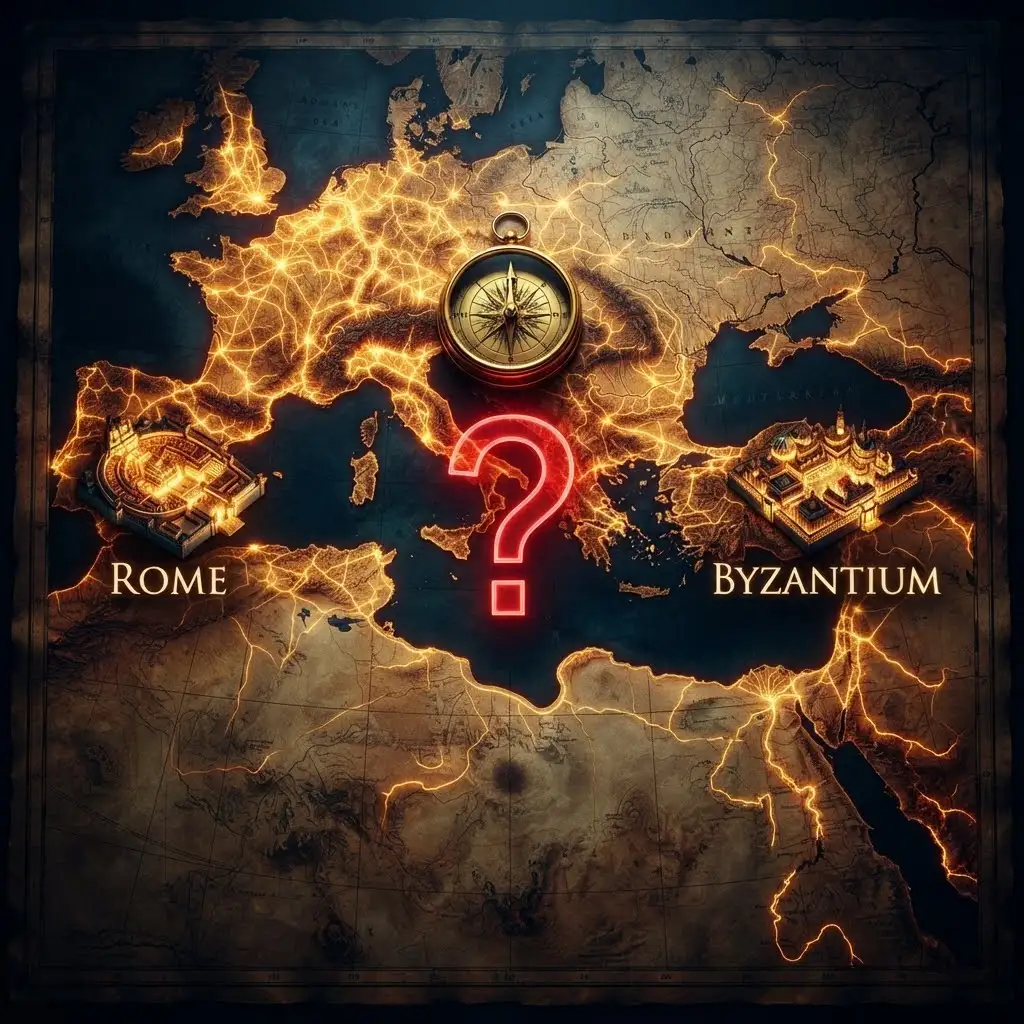
The 2.7% Statistic That Terrifies Roman Historians
FAQs
1. How did the Bosporus ferry contribute to ancient travel paths?
The Bosporus ferry provided a crucial link between Europe and Asia, allowing travelers to easily cross between the two continents.
2. What was the significance of the Bosporus Strait in ancient times?
The Bosporus Strait served as a vital waterway for trade and transportation, connecting the Black Sea to the Mediterranean Sea.
3. Were there any historical landmarks along the Bosporus ferry route?
Yes, travelers on the Bosporus ferry could see iconic landmarks such as the Hagia Sophia, Topkapi Palace, and the Maiden’s Tower.
4. How long has the Bosporus ferry been in operation?
The Bosporus ferry has been in operation for over a century, providing a reliable mode of transportation for locals and tourists alike.
5. Did the Bosporus ferry play a role in shaping the cultural exchange between Europe and Asia?
Yes, the Bosporus ferry facilitated cultural exchange by allowing people to easily travel between the two continents, influencing art, architecture, and cuisine in the region.