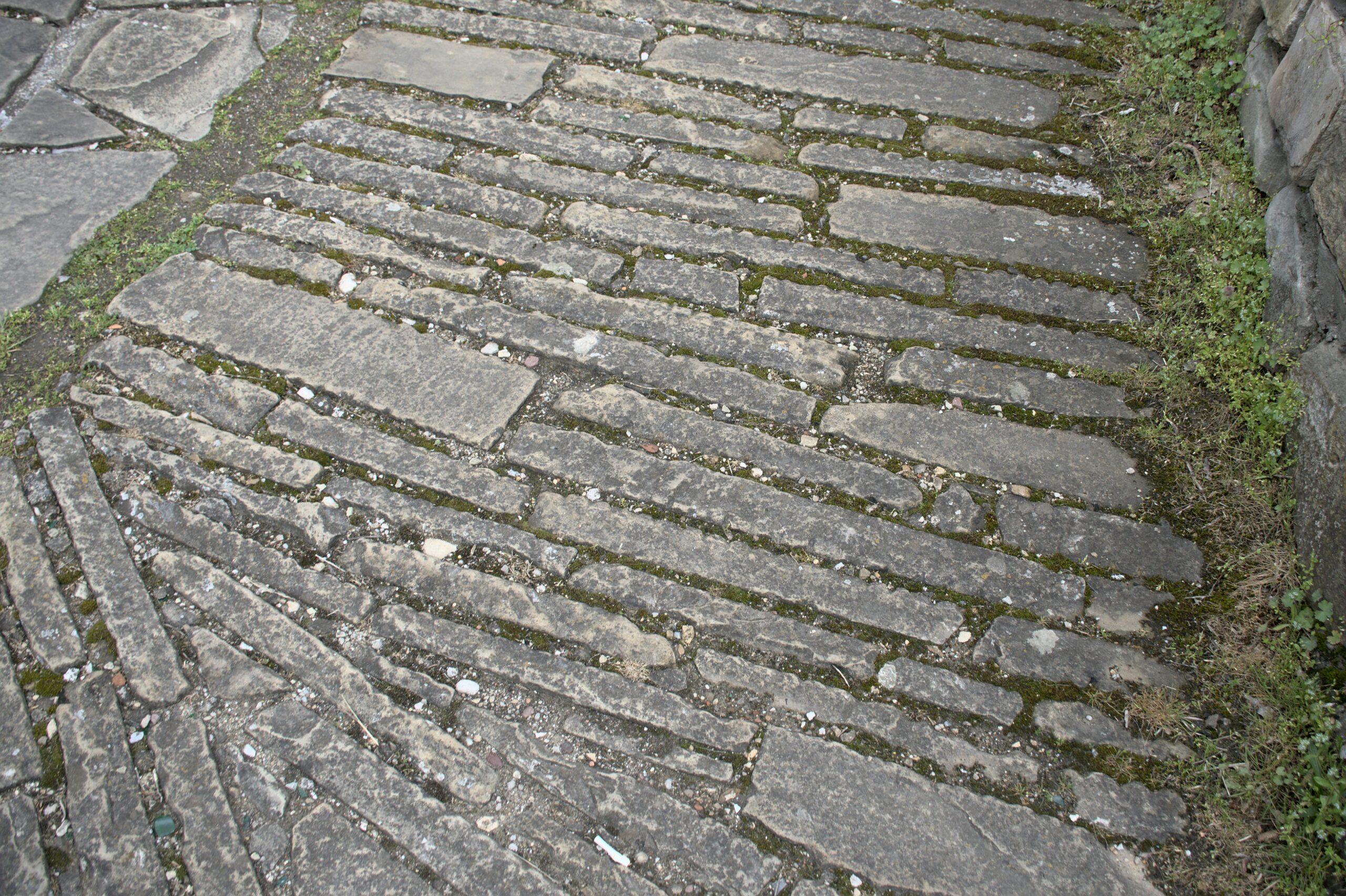
The enduring legacy of ancient Rome is etched not only in its monumental architecture and legal systems but also in the very fabric of the landscapes it conquered. Among its most remarkable achievements, the construction of its vast road network stands as a testament to Roman ingenuity, organizational prowess, and an unparalleled understanding of engineering. These roads, designed for military movement, trade, and communication, have survived for millennia, a silent witness to the empire’s might. At the heart of their longevity lay the Romans’ meticulous selection of durable stone materials and their sophisticated building techniques, a combination that ensured a level of permanence rarely seen in construction before or since.
The Foundation of Empire: The Strategic Importance of Roman Roads
The Roman road network was far more than mere pathways; it was the circulatory system of a vast empire, facilitating the swift movement of legions, the efficient transport of goods, and the rapid dissemination of information. This strategic infrastructure was a crucial element in Rome’s expansion and consolidation of power, enabling its armies to march rapidly to quell rebellions or defend frontiers, and allowing for the consistent flow of tribute and trade that fueled the empire’s economy. The sheer scale of this undertaking is staggering, with estimates suggesting over 400,000 kilometers (250,000 miles) of roads built across the empire, an accomplishment that would be challenging even with modern technology. The Romans understood that controlling territory meant connecting it, and their roads were the physical embodiment of that understanding.
Military Mobility and Imperial Control
The primary impetus behind the Roman road-building program was undeniably military. The ability to deploy legions quickly to any point within the empire was paramount to maintaining order and projecting power. These roads were engineered to withstand the constant passage of heavily armed soldiers, baggage trains, and siege equipment, often in all weather conditions. The straightness of many Roman roads, a characteristic often attributed to their directness and efficiency, was also a practical military advantage, minimizing travel time and allowing commanders to anticipate enemy movements more effectively. The network allowed for rapid reinforcements, enabling Rome to respond to threats on multiple fronts with unprecedented speed.
Economic Arteries: Facilitating Trade and Prosperity
Beyond their military applications, Roman roads were vital conduits for commerce. They linked fertile agricultural regions to burgeoning urban centers, facilitated the movement of raw materials to workshops, and enabled the widespread distribution of finished goods. Traders could travel with greater safety and predictability, reducing risks and costs. Tolls collected at various points along the roads also contributed to the imperial treasury, further solidifying their economic significance. The growth of cities and the prosperity of the empire were intrinsically linked to the efficient movement of goods and services facilitated by this extensive network.
Ancient Roman road building was a remarkable feat of engineering, utilizing various materials such as stone, gravel, and concrete to create durable pathways that facilitated trade and military movement across the empire. The choice of materials not only ensured the longevity of these roads but also reflected the resources available in different regions. For a deeper understanding of how infrastructure impacts societal stability, you can explore the related article on the fragmentation of Iraq and its implications for modern road systems at this link.
Engineering with Enduring Materials: The Choice of Stone

The Romans’ success in building roads that have stood the test of time can be attributed in no small part to their discerning selection of materials. While not all Roman roads were paved with the finest cut stone, particularly in less critical regions or in the early stages of construction, the most prominent and enduring roads, the so-called viae militares (military roads), made extensive use of durable stone. The Romans understood that the foundation and paving layers were critical to a road’s longevity, and they employed a variety of stones, chosen for their specific properties and availability, to create robust and resilient surfaces.
Igneous and Metamorphic Powerhouses: Granite and Basalt
In regions where they were readily available, igneous and metamorphic rocks like granite and basalt were highly prized for road construction. These stones are exceptionally hard, dense, and resistant to abrasion, making them ideal for paving surfaces that would experience heavy traffic. Granite, with its interlocking crystalline structure, offers superior strength and durability. Basalt, a volcanic rock, is similarly tough and weathers very slowly, providing a stable and long-lasting surface. The Romans often quarried these materials locally or transported them over significant distances, demonstrating the immense value they placed on such superior building components. The sheer weight and resilience of these stones meant that roads paved with them could withstand the harshest environmental conditions and the constant wear and tear of thousands of years.
Limestone and Sandstone: Versatility and Availability
While granite and basalt represented the pinnacle of durability, limestone and sandstone also played significant roles in Roman road construction. These sedimentary rocks are generally more easily quarried and worked than igneous or metamorphic counterparts, making them more accessible and economical in many areas. Limestone, when well-compacted, can provide a durable surface, particularly when used in the lower layers of the roadbed. Sandstone, depending on its grain structure and cementation, can also offer good wear resistance. The Romans were adept at utilizing these materials, often employing them in conjunction with harder stones or as aggregate in their concrete and mortar. Their widespread availability allowed for the construction of a vast network, even in regions lacking immediate access to the hardest igneous rocks.
Ancient Roman road building is a fascinating topic that highlights the ingenuity of early engineering techniques, particularly in the use of various materials like stone. The Romans meticulously selected durable stones to ensure their roads could withstand the test of time and heavy usage. For a deeper understanding of how infrastructure impacts society, you might find it interesting to explore the role of eminent domain in modern contexts. This concept is crucial for national security and urban development, as discussed in a related article. You can read more about it here.
Volcanic Aggregate: Pozzolana and its Revolutionary Impact
A crucial, albeit less visible, material in Roman road building was pozzolana, a volcanic ash found in abundance around the Bay of Naples and other volcanic regions. When mixed with lime, pozzolana creates a remarkably strong and durable hydraulic cement – Roman concrete. This material was not directly used as paving stones but was instrumental in binding together the various layers of the roadbed and in creating strong foundations. Roman concrete was significantly more water-resistant and resilient than traditional lime mortars, allowing them to build stable structures and robust roadbeds that could withstand water infiltration and frost damage. This innovation was a game-changer, enabling the Romans to construct roads that were not only durable but also remarkably stable in diverse geological and climatic conditions.
The Art of Foundation: Layers of Strength
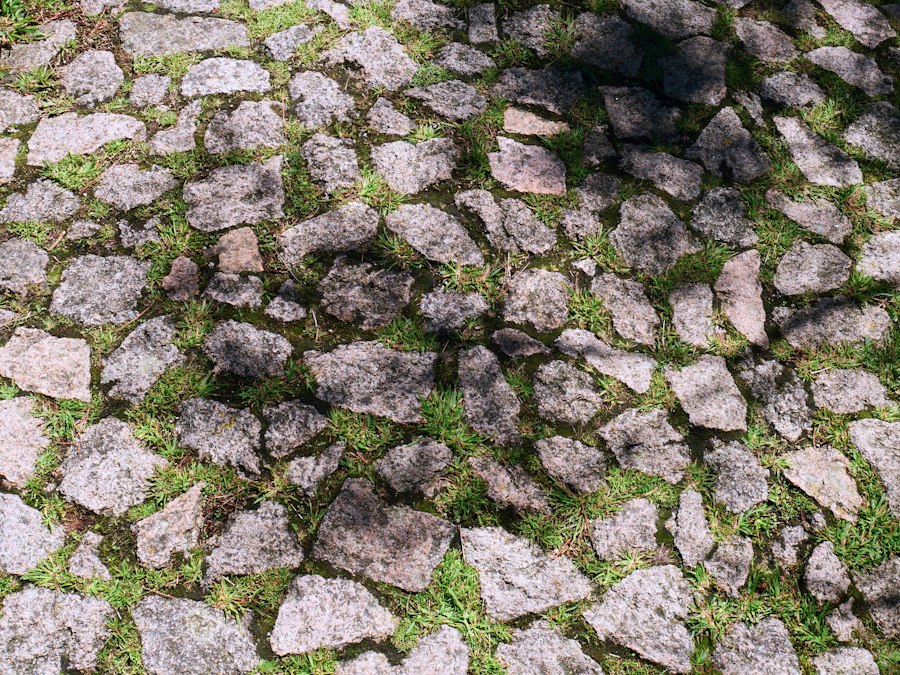
The durability of a Roman road was not solely dependent on the quality of its surface material. The Romans were masters of sub-base construction, employing a multi-layered approach that distributed weight and prevented water damage. This layered system, often several feet thick, was essential for creating a stable and long-lasting road that could endure the stresses of traffic and the elements.
Sub-base Preparation: Drainage and Stability
Before any paving material was laid, the Romans meticulously prepared the roadbed. This involved excavating a trench to a predetermined depth, ensuring a solid and stable foundation. Crucially, they incorporated drainage mechanisms. In marshy or wet areas, they might dig deeper trenches and fill them with permeable materials like gravel or sand to allow water to drain away from the roadbed. This preemptive measure was vital in preventing frost heave and the weakening of the road structure due to water saturation, a common cause of road failure in less sophisticated constructions.
Stratified Construction: The Roman Roadbed Layers
The typical Roman road was constructed in distinct layers, each serving a specific purpose:
- Statumen: The lowest layer, often consisting of large, flat stones or rocks, was laid to provide a solid base and distribute the load. This layer was crucial for supporting the subsequent, more refined layers.
- Rudus: Above the statumen, a layer of smaller stones and gravel, mixed with lime or cement, was compacted. This layer provided further drainage and a stable surface for the next stage.
- Nucleus: This was a finer mixture of gravel, sand, and cement, heavily compacted. It formed a dense and impermeable layer, preventing water from seeping down to the lower strata.
- Summum Dorsum (or Pavimentum): The uppermost layer, the actual wearing surface, was where the carefully selected paving stones were laid. For major roads, these were often large, tightly fitted polygonal or rectangular blocks of stone. For less important routes, smaller, more irregular stones might be used, or even layers of packed gravel. The surface was typically crowned in the center, allowing rainwater to run off quickly into drainage ditches on either side.
The thickness of these layers varied depending on the terrain and the expected traffic volume, but this systematic approach ensured a robust and well-drained road structure that could withstand centuries of use.
Paving Techniques: Precision and Durability
The final stage of Roman road construction involved the laying of the paving stones, a process that demanded precision and skill. The Romans understood that tightly fitted stones with minimal gaps would resist wear, prevent the ingress of water, and provide a smooth and stable surface for traffic.
Polygonal and Rectangular Paving: Engineered Surfaces
For the most important roads, the Romans employed either polygonal paving, where stones of irregular but complementary shapes were fitted together like a jigsaw puzzle, or rectangular blocks, laid in regular courses. Polygonal paving offered exceptional stability, as the irregular shapes prevented individual stones from shifting. Rectangular blocks, when precisely cut and fitted, created a very smooth and durable surface. The stones were often dressed on their top surfaces to provide a relatively even tread, and the joints were kept as tight as possible to minimize the infiltration of dirt and water.
Mortar and Jointing: Binding the Surface
While the sheer weight and interlocking nature of the stones provided significant stability, the Romans also used mortar to bind the paving stones together and fill any small gaps. This mortar often incorporated pozzolana, creating a strong and water-resistant bond. The care taken in jointing ensured that individual stones were firmly secured, preventing them from becoming dislodged by traffic or the elements. This meticulous attention to detail in the final paving layer was critical to the long-term integrity of the road surface.
The Via Appia: A Monument to Enduring Construction
Perhaps the most famous example of Roman road construction is the Via Appia, often referred to as the “Queen of Roads.” This ancient highway, still partially intact and even walkable in places, showcases the Romans’ mastery of their craft. Paved with large, precisely cut basalt blocks, its durability is a testament to the quality of materials and the engineering principles employed. The Via Appia, and countless other roads like it, were built not just for their time but with an eye towards a permanence that has, in many instances, outlasted the empire itself. The enduring presence of these stone arteries serves as a powerful reminder of Roman engineering brilliance and their profound understanding of how to build for the ages. The Romans did not merely build roads; they constructed foundations for civilization, pathways of power and prosperity that have left an indelible mark on the world.

The 2.7% Statistic That Terrifies Roman Historians
FAQs
What types of stones were commonly used in ancient Roman road construction?
Ancient Romans commonly used materials such as basalt, granite, limestone, and volcanic tuff for road construction.
How were the stones for Roman roads cut and shaped?
The stones used for Roman roads were typically cut and shaped using hand tools such as hammers, chisels, and saws. Skilled craftsmen would carefully shape the stones to fit together tightly.
Why were large stones preferred for Roman road construction?
Large stones were preferred for Roman road construction because they provided a durable and stable surface that could withstand heavy traffic and the elements over long periods of time.
Did the Romans use any techniques to improve the durability of the road surfaces?
Yes, the Romans used techniques such as laying a foundation of crushed stone or gravel, known as “statumen,” to improve the durability of the road surfaces. This helped to prevent the road from sinking or becoming uneven over time.
How did the Romans ensure that their roads were straight and level?
The Romans used a tool called a “groma” to ensure that their roads were straight and level. This tool consisted of a wooden cross with plumb lines hanging from each end, allowing surveyors to accurately align the road during construction.