The vastness of the Roman Empire, stretching from the windswept shores of Britain to the sun-baked sands of Egypt, was not merely a product of military might and administrative genius, but also a testament to its sophisticated commercial network. While the Mediterranean Sea served as a crucial artery for long-distance transport, the sinews of Roman commerce were equally, if not more, reliant on a complex web of overland trade routes. These routes, meticulously engineered and actively maintained, facilitated the movement of goods, people, and ideas, profoundly shaping the economic, social, and cultural landscape of the ancient world. The impact of these arteries of trade extended far beyond the mere exchange of commodities; they were instruments of Romanization, conduits for innovation, and vital components of imperial stability.
The Backbone of Empire: Engineering and Maintenance of Roman Roads
The Romans were unparalleled engineers, and their mastery of road construction was fundamental to the success of their overland trade. The legendary Roman roads, many of which still form the basis of modern infrastructure, were not haphazard paths but carefully planned and robustly built arteries designed to withstand the rigors of heavy traffic and diverse terrain. This commitment to infrastructure was a strategic investment, recognizing that efficient communication and transportation were essential for administering a sprawling empire and, crucially, for enabling the smooth flow of commerce.
The Strategic Planning of Roman Road Networks
The development of Roman roads was a deliberate and systematic process. Before construction commenced, surveyors meticulously charted routes, taking into account geographical features, the location of existing settlements, and the strategic needs of the military. The primary objective was often to connect major cities and military garrisons, but the overarching goal was to create a cohesive network that facilitated the movement of goods and information across vast distances. The famous saying, “All roads lead to Rome,” while an exaggeration, captures the essence of the network’s design, which ultimately funneled resources and trade towards the imperial capital. The construction itself was a monumental undertaking, involving legions of soldiers and skilled laborers. Initial groundwork often involved clearing vegetation and excavating trenches. Drainage was paramount, with ditches dug on either side to prevent waterlogging.
Construction Techniques and Durability
Roman roads were built to last, employing sophisticated construction techniques that ensured their longevity. The most famous type, the via munita, was a multi-layered construction. At the base, large stones were laid, followed by layers of rubble, gravel, and finally, a smooth, compacted surface of paving stones (summa crusta). This layered approach provided a stable and well-drained foundation. For less critical routes or in areas with abundant local materials, simpler constructions involving compacted gravel or earth might be employed. The width of the roads varied, with major arteries capable of accommodating several carts abreast, facilitating two-way traffic and the movement of military formations. The engineering prowess extended to bridges, aqueducts, and tunnels, all of which were integral to overcoming geographical obstacles and ensuring the continuous flow of trade. The durability of these roads is evidenced by the fact that many remain partially intact millennia later, a testament to the quality of Roman engineering and the enduring significance of their infrastructure for commerce. The meticulous attention to drainage, the use of durable materials, and the sheer scale of these projects underscores the Roman understanding that effective trade was inextricably linked to robust and reliable infrastructure.
The intricate network of Roman commerce paths over land routes played a crucial role in the expansion and sustainability of the Roman Empire, facilitating trade and cultural exchange across vast distances. To explore the broader implications of ancient technologies and their impact on civilization, you can read a related article that discusses the catastrophic effects of lost innovations in history. For more insights, visit this article.
The Arteries of Exchange: Major Overland Trade Routes

The Roman Empire was crisscrossed by a network of roads, each serving as a vital conduit for commerce. These routes were not merely pathways; they were meticulously managed and protected, facilitating the movement of goods from the farthest reaches of the empire to its bustling urban centers. The nature of the goods transported varied significantly, reflecting the diverse economic activities and resource endowments of the different Roman provinces.
The Via Appia and the Southern Spine
Perhaps the most iconic Roman road, the Via Appia, laid in 312 BCE, served as a crucial southern artery connecting Rome to Brundisium (modern Brindisi) on the Adriatic coast. This strategically vital route was not only a military highway but also a primary conduit for goods flowing from Greece, the eastern Mediterranean, and North Africa. Along its length, bustling towns and waystations sprang up, catering to travelers and merchants alike. The Via Appia facilitated the import of luxury goods such as silk, spices, perfumes, and precious metals from the East, as well as agricultural products and raw materials from southern Italy. Its construction, characterized by impressive engineering feats like the Pont du Gard bridge, ensured its longevity and continued importance for centuries. The economic activity generated along the Via Appia was substantial, with local economies thriving from the constant influx and outflow of merchandise and the services required by transient populations. The road’s strategic location in connecting the capital to a major port meant that it played a pivotal role in the imperial supply chain, ensuring the timely arrival of vital imports and the efficient export of Roman produce.
The Via Egnatia and the Balkan Passage
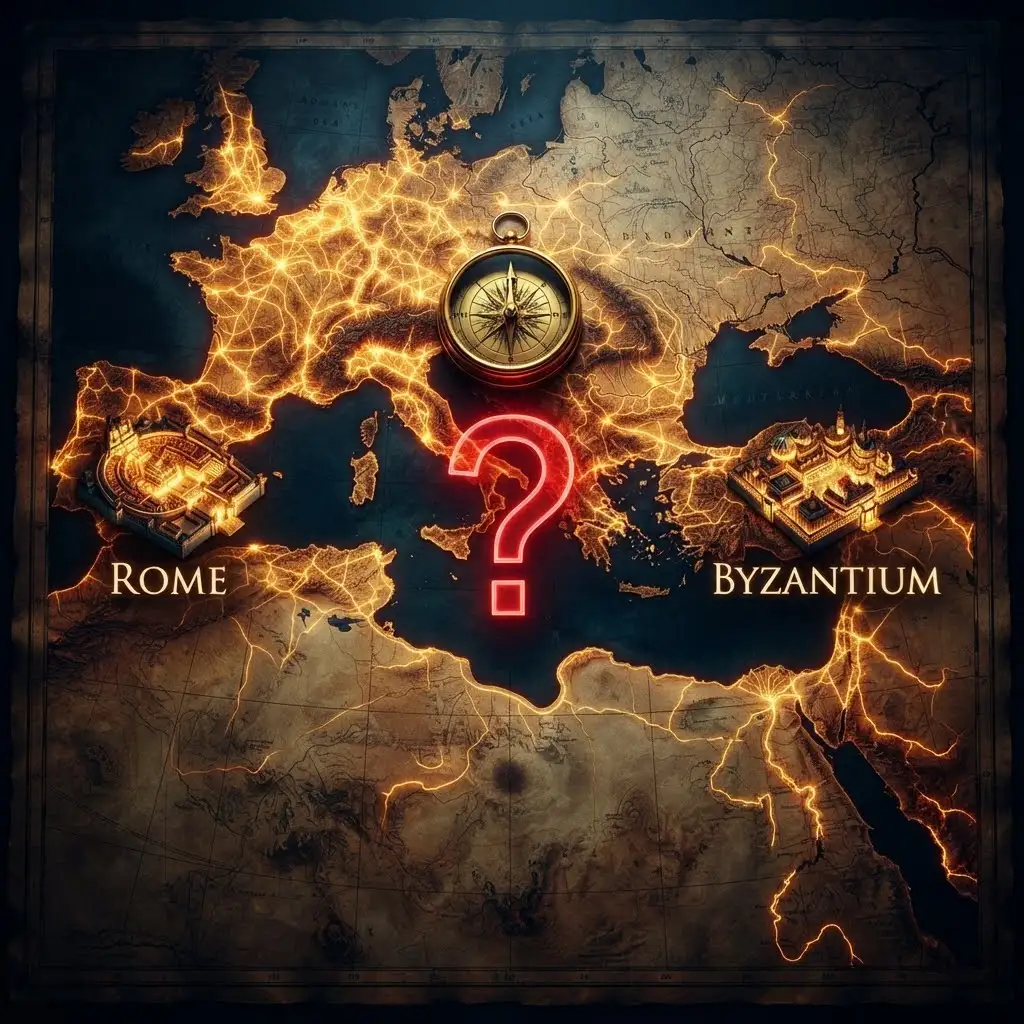
Stretching from Dyrrachium on the Adriatic Sea across the Balkans to Thessalonica and then onward to Byzantium, the Via Egnatia was another cornerstone of Roman overland trade. This route was essential for connecting the western and eastern halves of the empire, facilitating the movement of goods and legions across challenging terrain. It was particularly important for the transport of grain from the fertile plains of Thrace and Macedonia, vital commodities for feeding the growing urban populations of the empire, including Rome itself. Beyond grain, the Via Egnatia facilitated the trade of metals extracted from the Balkan mines, timber, wine, and livestock. The presence of numerous garrisons and fortified settlements along its length provided a degree of security that encouraged merchant activity. The Via Egnatia’s importance was amplified by its connection to other major routes, creating a complex and interconnected network that allowed for the seamless movement of goods throughout the eastern Roman provinces and beyond. The economic prosperity of the cities situated along the Via Egnatia was directly linked to the volume of trade passing through them, fostering a vibrant commercial environment.
The Northern Routes and the Frontier Trade
While the southern and eastern routes often receive more attention, the northern routes, particularly those leading towards the Rhine and Danube frontiers, were crucial for the empire’s economic stability. These routes facilitated the movement of troops and supplies to the legions defending the empire’s borders, but they also fostered significant trade with Germanic tribes and other peoples beyond Roman control. From the north flowed furs, amber, slaves, and iron ore, while the Romans exported manufactured goods, pottery, wine, and tools. The establishment of Roman settlements and trading posts along these frontiers created hubs of economic activity, blurring the lines between imperial territory and the outside world. The trade along these northern routes was not always peaceful, as it often involved complex relationships with semi-autonomous or independent groups. However, the economic incentives for exchange were powerful, leading to a constant flow of goods that enriched both Roman merchants and their northern counterparts. The maintenance of these routes, often through difficult and hostile territory, was a significant undertaking, demonstrating the Roman commitment to securing their economic interests even in the most challenging regions.
The Flow of Goods and the Engines of Prosperity
The impact of Roman overland trade routes on the economy of the Roman Empire cannot be overstated. These meticulously constructed and maintained arteries facilitated the movement of a vast array of goods, from essential commodities to luxurious imports, fostering economic specialization and driving prosperity across the provinces. The efficiency of these routes allowed for the integration of diverse regional economies into a larger imperial market, leading to unprecedented levels of wealth creation and a higher standard of living for many within the empire.
Agricultural Goods and Staple Commodities
The sustenance of the Roman population, particularly in its densely populated urban centers, relied heavily on the efficient transport of agricultural produce. Grain, the most fundamental staple, was transported in massive quantities from the fertile granaries of Egypt, North Africa, Sicily, and Thrace to Rome and other major cities. This movement was critical for preventing famine and maintaining social stability. Beyond grain, the overland routes facilitated the distribution of wine, olive oil, fruits, and vegetables, supporting the diverse dietary needs and preferences of the Roman populace. The specialization of different regions in producing specific agricultural goods, such as the olive groves of Hispania or the vineyards of Gaul, was enabled by the ability to transport these products to markets where they were in demand. The economic impact of this trade was profound, supporting large agricultural estates and creating employment for farmers, laborers, and transporters.
Raw Materials and Manufactured Goods
The Roman Empire was a vast quarry and workshop, and its overland trade routes were instrumental in distributing raw materials and manufactured goods. Mines across the empire, from the silver mines of Hispania to the tin mines of Britain and the iron mines of Noricum, supplied the metals essential for toolmaking, weaponry, and coinage. These raw materials were transported to centers of production where skilled artisans transformed them into a wide array of finished products. Pottery, glass, textiles, metalwork, and even prefabricated building components moved along these routes, catering to the needs of both domestic consumption and export. The standardization of Roman goods, such as pottery styles and legionary equipment, was facilitated by the widespread availability of these items through trade. The economic impact of this exchange of raw materials and manufactured goods was immense, fostering industrial development, creating specialized craft communities, and contributing significantly to the overall wealth of the empire.
Luxury Items and Exotic Imports
Beyond the essential commodities, Roman overland trade routes were also the conduits for the movement of luxury goods and exotic imports that catered to the tastes of the Roman elite. Spices from the East, precious stones from India, silk from China (though often indirectly), ivory from Africa, and rare perfumes found their way to Roman markets, fueling a demand for the exotic and the extravagant. The overland routes, though slower and more expensive than sea routes for such goods, were essential for their final distribution to inland cities and for connecting them to the wider Roman economic network. The trade in luxury items not only generated significant profits for merchants but also fostered cultural exchange, as these goods introduced new tastes, fashions, and ideas into Roman society. The demand for such items stimulated production in distant lands and further integrated the Roman economy into a global network of trade.
Beyond the Exchange: Social and Cultural Ramifications
The impact of Roman overland trade routes extended far beyond the purely economic realm, profoundly shaping the social fabric and cultural landscape of the empire. These routes acted as arteries of Romanization, facilitating the spread of Roman language, customs, and law, while also fostering a sense of shared identity and interconnectedness across diverse populations. The movement of people along these routes, from merchants and soldiers to administrators and travelers, led to increased interaction and cultural diffusion.
The Spread of Romanization and Cultural Diffusion
The Roman roads were not just conduits for goods; they were also highways for Roman culture. As merchants, soldiers, and administrators traversed these routes, they brought with them their language (Latin), their legal systems, their religious practices, and their architectural styles. This constant interaction led to the gradual Romanization of the provinces, as local populations adopted Roman customs and embraced aspects of Roman culture. The establishment of Roman towns and cities along these routes further cemented this process, creating centers of Roman life and administration. The influence of Roman art, literature, and philosophy also spread along these pathways, enriching the cultural tapestry of the empire. Conversely, the interaction was not always one-sided; Roman culture itself was influenced by the diverse traditions and practices encountered in the provinces, leading to a dynamic process of cultural synthesis. The shared experience of navigating these well-established routes fostered a sense of belonging to a larger Roman world.
The Growth of Cities and Urban Centers
The strategic positioning of Roman roads directly influenced the growth and development of urban centers. Cities located at the intersections of major trade routes, or at the termini of important routes connecting to ports or mining regions, often experienced significant economic growth and population increase. These cities became bustling hubs of commerce, administration, and culture, attracting merchants, artisans, and a diverse populace. The infrastructure that supported trade, such as markets, warehouses, and inns, further enhanced the urban environment. The prosperity generated by trade allowed for investment in public works, such as baths, theaters, and temples, further solidifying the importance of these urban centers within the imperial framework. The constant flow of people and goods through these cities fostered a vibrant social life and contributed to their unique character.
The Facilitation of Communication and Governance
The Roman road network was not solely for commercial purposes; it was also the backbone of imperial communication and governance. The ability to rapidly dispatch messengers, official decrees, and tax collectors across the empire was crucial for maintaining order and administering justice. The efficient movement of troops was also vital for quelling rebellions and defending borders. This robust communication network allowed the central government in Rome to exert its authority effectively over distant provinces, ensuring a degree of political stability that was essential for sustained economic activity. The interconnectedness fostered by the roads meant that news and information could travel with relative speed, allowing for a more coordinated response to crises and a greater sense of imperial unity. The reliability of these routes meant that governance was not merely an abstract concept but a tangible presence in the lives of citizens across the empire.
The intricate network of Roman commerce paths over land routes played a crucial role in the expansion of trade and cultural exchange throughout the empire. These routes facilitated not only the movement of goods but also the dissemination of ideas and innovations. For a deeper understanding of ancient civilizations and their trade practices, you might find it interesting to explore this related article on the early development of commerce and society, which can be found here. The connections established by these land routes laid the groundwork for future economic systems and interactions across Europe and beyond.
Challenges and Legacies: The Enduring Impact of Roman Commerce
| Land Route | Primary Goods Traded | Key Cities Connected | Approximate Distance (km) | Significance |
|---|---|---|---|---|
| Via Appia | Grain, Wine, Olive Oil | Rome – Capua – Brindisi | 560 | Major route for military and trade to southern Italy and ports |
| Via Egnatia | Spices, Metals, Textiles | Dyrrachium – Thessalonica – Byzantium | 1120 | Connected Adriatic Sea to the Aegean, facilitating east-west trade |
| Via Flaminia | Wine, Olive Oil, Ceramics | Rome – Rimini | 220 | Key route to northern Italy and the Po Valley |
| Via Aurelia | Marble, Wine, Salt | Rome – Pisa – Genoa | 500 | Coastal route important for trade with Gaul and Liguria |
| Via Claudia Augusta | Iron, Timber, Wine | Altinum – Augusta Vindelicorum (Augsburg) | 500 | Connected northern Italy to the Danube region |
Despite the remarkable achievements in Roman overland trade, the system was not without its challenges. The vastness of the empire, the inherent risks of long-distance travel, and the constant need for maintenance presented ongoing hurdles. Nevertheless, the legacy of Roman overland commerce is undeniable, leaving an indelible mark on the development of trade, infrastructure, and the interconnectedness of societies for centuries to come.
The Costs and Risks of Overland Trade
While Roman roads were impressive, overland trade was still a costly and risky endeavor. The sheer distance involved meant that transportation was slow, and the costs associated with moving goods by cart or pack animal were significant. Merchants faced the constant threat of banditry, although the presence of Roman legions and the relative safety of the roads mitigated some of these risks. Natural disasters, such as floods and landslides, could disrupt routes and cause significant delays. Furthermore, the upkeep of such an extensive road network was a continuous and expensive undertaking, requiring a dedicated workforce and substantial resources. The collection of tolls and taxes at various points along the routes, while a source of revenue for the state, also added to the cost of goods for the end consumer. These challenges meant that only goods with sufficient value or essential commodities could be economically transported over long distances overland.
The Decline and Transformation of Roman Trade Routes
With the eventual decline and fragmentation of the Western Roman Empire, the organized maintenance of the road network faltered. While many roads continued to be used, their condition deteriorated without the consistent Roman oversight. The breakdown of imperial authority led to increased insecurity and a fragmentation of trade into more localized networks. However, the physical infrastructure often remained, and some routes continued to be utilized, albeit with less efficiency and security. The fall of the Western Roman Empire did not erase the impact of its commercial endeavors. The legacy of Roman engineering and the concept of interconnected trade networks persisted, influencing subsequent periods and laying the groundwork for future developments in commerce and infrastructure.
The Enduring Influence on Modern Trade and Infrastructure
The legacy of Roman overland commerce continues to resonate today. The principles of systematic road construction, the importance of connectivity, and the recognition of trade as a driver of prosperity remain fundamental to modern economic development. Many of the routes established by the Romans, or their conceptual successors, are still in use, a testament to the foresight and enduring utility of their engineering. The Roman model of integrated trade networks, facilitating the movement of goods and fostering economic interdependence, provided a foundational blueprint for subsequent commercial empires and globalized economies. The Roman understanding that robust infrastructure is essential for economic growth and societal well-being remains a crucial lesson for nations around the world. The Roman investment in overland trade routes was not merely a feat of ancient engineering; it was a strategic vision that shaped the ancient world and left a lasting legacy on how societies connect, exchange, and thrive.
The 2.7% Statistic That Terrifies Roman Historians
FAQs
What were the main land routes used for Roman commerce?
The main land routes used for Roman commerce were the Via Appia, Via Flaminia, Via Aurelia, Via Aemilia, and Via Salaria. These roads connected major cities and regions within the Roman Empire, facilitating trade and the movement of goods.
How did the Roman Empire benefit from its extensive network of land routes?
The Roman Empire benefited from its extensive network of land routes by promoting trade, facilitating the movement of goods and resources, connecting different regions of the empire, and fostering economic growth. The roads also played a crucial role in the Roman military and administrative systems.
What were some of the goods traded along the Roman land routes?
Some of the goods traded along the Roman land routes included grain, olive oil, wine, spices, textiles, metals, pottery, and luxury items such as silk and ivory. These goods were transported between different regions of the empire and beyond, contributing to the prosperity of the Roman economy.
How did the Roman government maintain and protect the land routes for commerce?
The Roman government maintained and protected the land routes for commerce by constructing and repairing roads, establishing way stations and rest areas for travelers, deploying military units to guard against bandits and invaders, and implementing laws to regulate trade and ensure the safety of merchants and their goods.
What impact did the Roman land routes have on the development of trade and cultural exchange?
The Roman land routes had a significant impact on the development of trade and cultural exchange by facilitating the exchange of goods, ideas, technologies, and cultural practices between different regions of the empire and beyond. This interaction contributed to the spread of Roman influence and the integration of diverse cultures within the empire.