The Grand Project: Itiner e and the Digital Renaissance of Antiquity
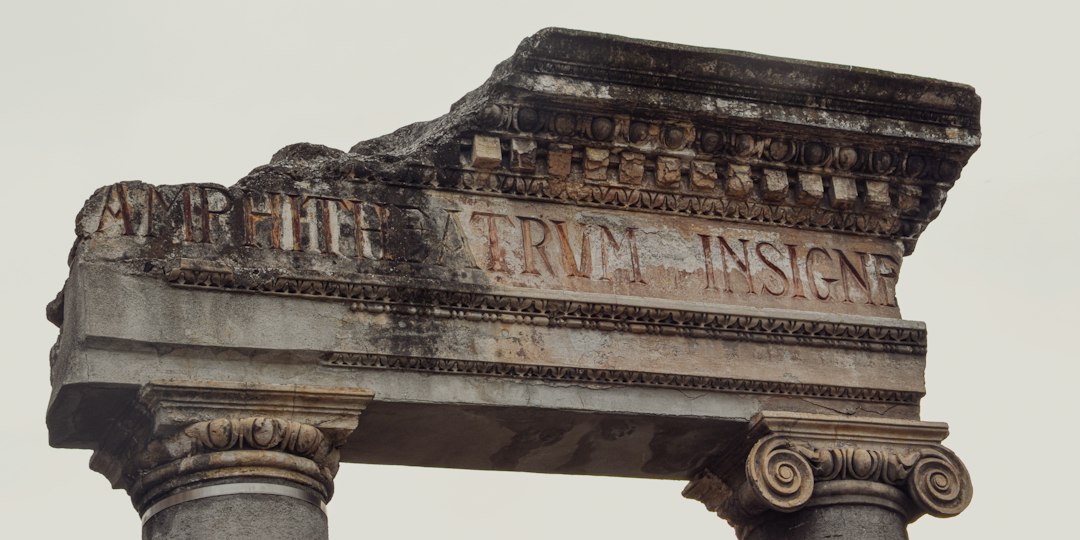
The dust of ages, once a formidable barrier to understanding, is being swept away by the relentless advance of digital technology. For scholars, enthusiasts, and the curious alike, the world of classical antiquity – a realm of empires, philosophies, art, and myth – has historically been accessed through trowel and text, fragments and conjecture. Yet, a groundbreaking initiative, known as “Itiner e: Digitizing Classical Antiquity for Modern Exploration,” is fundamentally transforming this landscape. Itiner e is not merely a collection of scanned manuscripts or a 3D model of a ruin; it is a comprehensive, interconnected ecosystem designed to unlock the past for contemporary understanding and future discovery, making the intricate tapestry of the ancient world accessible, searchable, and explorable as never before. This ambitious project seeks to bridge the chasm between the tangible remains of antiquity and the digital minds of the 21st century, offering a revolutionary new way to engage with the foundations of Western civilization.
The core philosophy behind Itiner e is rooted in the belief that accessibility breeds deeper engagement and fosters new avenues of research. By digitizing a vast array of primary sources, secondary scholarship, archaeological data, and even intangible cultural heritage, the project aims to create a unified, interdisciplinary platform. This is not about replacing traditional scholarship but augmenting it, providing tools and resources that empower researchers to ask new questions, identify previously unseen connections, and disseminate their findings with unprecedented reach. The vision extends beyond mere preservation; it is about reanimation, breathing digital life into the echoes of the past so that they can resonate more powerfully with modern audiences. The complexity of classical antiquity, with its myriad languages, diverse cultures, and sprawling geographical scope, presents a significant challenge, but Itiner e is poised to meet this challenge head-on with innovative methodologies and a commitment to open access.
The Itiner e project, which focuses on digitizing classical antiquity, plays a crucial role in preserving and making accessible the rich heritage of ancient civilizations. This initiative aligns with the growing trend of utilizing technology to enhance our understanding of historical contexts. For further insights into how modern technology intersects with various fields, including military and space infrastructure, you can explore the article on the role of private companies in these sectors at this link.
Building the Digital Foundation: Data Acquisition and Curation
The bedrock of any digital humanities project lies in the quality and breadth of its data. Itiner e’s undertaking in this regard is nothing short of monumental, involving the meticulous acquisition and meticulous curation of a diverse range of materials. The project recognizes that “classical antiquity” is not a monolithic entity but a vast and interconnected web of civilizations, cultures, and periods, spanning from the Bronze Age to the late Roman Empire and beyond, encompassing regions from the Mediterranean to the Near East and into Europe. Therefore, its data acquisition strategy is necessarily multifaceted, drawing upon a global network of institutions and researchers.
Preserving the Written Word: Manuscripts and Texts
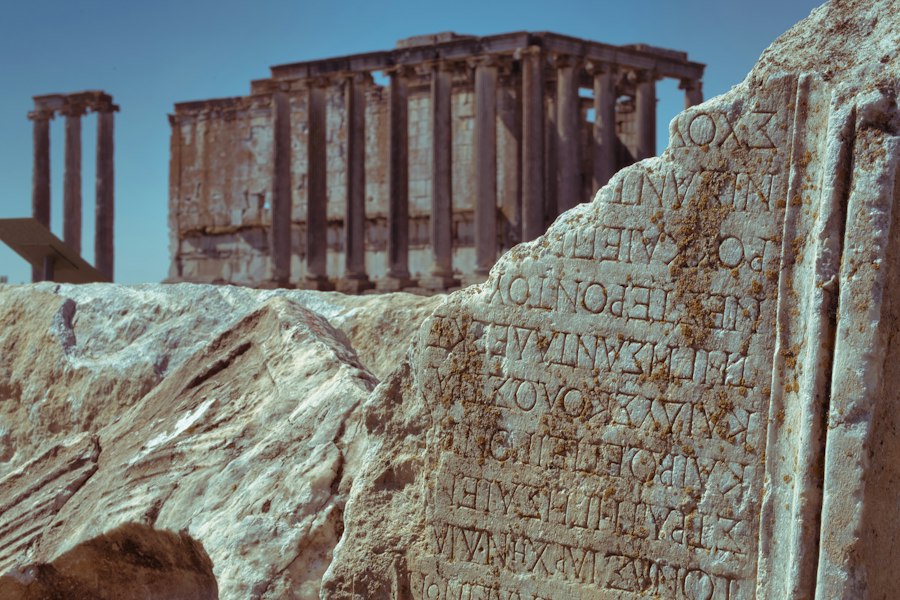
The written word forms the very spine of our understanding of classical antiquity. Itiner e is dedicated to the digital preservation and transcription of countless manuscripts, papyri, and inscribed artifacts. This involves collaborating with libraries, archives, and museums worldwide that house these invaluable historical documents. High-resolution imaging techniques are employed to capture every nuance of parchment, ink, and script, allowing scholars to examine texts with a detail that often surpasses what is possible with the physical artifact, particularly when dealing with fragile or damaged materials.
Beyond mere digitization, the project emphasizes the creation of accurate and searchable transcriptions. This is a labor-intensive process, often requiring paleographers and philologists with expertise in ancient languages and scripts to painstakingly decipher and render the text into modern readable forms. The inclusion of critical apparatus, annotations, and scholarly commentary within these digital texts further enhances their utility, transforming them from simple reproductions into dynamic research resources. The goal is not just to make texts visible, but to make them intellectually accessible, enabling scholars to cross-reference, compare, and analyze them with unparalleled ease.
Reconstructing the Material World: Archaeological Data and 3D Models
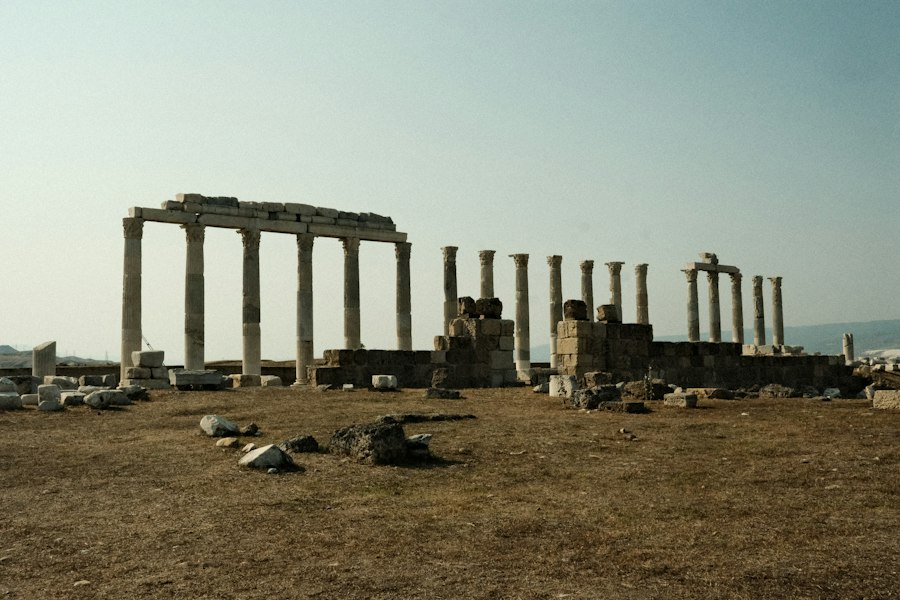
The physical remnants of classical antiquity – cities, temples, fortifications, and everyday objects – offer a tangible connection to the past. Itiner e is committed to digitizing and integrating vast quantities of archaeological data. This includes not only the visual documentation of excavations, such as photographs, drawings, and site plans, but also the raw data generated by modern archaeological techniques. Ground-penetrating radar surveys, LIDAR scans, and photogrammetry are all being leveraged to create detailed digital representations of archaeological sites and individual artifacts.
A particularly transformative aspect of Itiner e is its extensive use of 3D modeling. Many significant ancient structures, from the Colosseum in Rome to the Acropolis in Athens, are now being rendered in high-fidelity three-dimensional models. These models are not static representations; they are often animated, allowing for virtual walkthroughs and reconstructions of how these sites might have looked and functioned in antiquity. Similarly, individual artifacts, such as pottery, sculptures, and tools, are being digitized in 3D, enabling scholars to examine them from all angles, measure their dimensions, and even virtually reconstruct broken pieces. This empowers researchers to study the spatial relationships between objects, analyze manufacturing techniques, and gain a more intuitive understanding of the built environment and the material culture of ancient societies.
Beyond the Tangible: Epigraphy, Numismatics, and Art History
Classical antiquity is further illuminated by the study of inscriptions (epigraphy), coins (numismatics), and visual arts. Itiner e recognizes the importance of these specialized fields and is actively working to incorporate their unique data sets. Digital databases of inscriptions, complete with high-quality images, transcriptions, translations, and contextual information, are being developed. Similarly, comprehensive digital catalogs of ancient coins, detailing their iconography, inscriptions, metal composition, and provenance, are crucial for understanding economic systems, political propaganda, and cultural exchange.
Art historical materials, including detailed catalogs of sculptures, mosaics, frescoes, and other artistic creations, are also integral to the project. This involves not only high-resolution photography but also detailed metadata regarding materials, techniques, dating, provenance, and artistic attribution. The interconnected nature of Itiner e allows for the linking of these diverse datasets. For instance, an inscription found on a statue can be directly linked to the 3D model of that statue and to scholarly articles discussing its artistic context. This cross-referencing capability is a hallmark of the project, fostering interdisciplinary research and serendipitous discovery.
Weaving the Web: Interconnectivity and Semantic Enrichment
The true power of Itiner e lies not solely in the digitization of individual elements, but in the intelligent weaving of these elements into a coherent, interconnected, and semantically rich digital tapestry. This involves sophisticated data modeling, the application of ontologies and controlled vocabularies, and the creation of robust linking mechanisms to ensure that disparate pieces of information can speak to each other. The goal is to move beyond a simple repository of digital assets to a dynamic, intelligent research environment.
The Language of Meaning: Ontologies and Linked Data
To enable machines to understand and process the relationships between different pieces of information, Itiner e employs ontologies. These are formal representations of knowledge that define concepts, their properties, and the relationships between them. For classical antiquity, this means developing ontologies that can represent entities such as cities, emperors, deities, historical events, artistic styles, and geographical locations, along with the complex web of connections between them. For example, an ontology can define “Rome” as a “city,” which was the “capital of” the “Roman Empire,” and the “birthplace of” certain “emperors.”
The project also embraces the principles of Linked Data, a method of publishing structured data on the Web so that it can be interlinked. By using unique identifiers (URIs) for each entity and explicitly defining relationships between them, Itiner e makes its data machine-readable and explorable in ways that traditional databases cannot achieve. This allows for the creation of emergent knowledge, where new insights can be derived from the patterns and connections within the data that were not explicitly programmed.
Navigating the Labyrinth: Advanced Search and Discovery Tools
With such a vast and interconnected dataset, effective navigation and discovery are paramount. Itiner e is developing advanced search and discovery tools that go far beyond simple keyword searches. These tools leverage the semantic enrichment of the data to allow users to perform complex queries. For instance, a scholar could search for all inscriptions from a specific Roman province that mention a particular military legion, or they could find all depictions of the goddess Athena in mosaic art from the Hellenistic period.
Visualizations play a crucial role in this discovery process. Interactive maps can display the geographical distribution of archaeological sites, the spread of trade routes, or the locations where specific texts were found. Timelines can illustrate the chronological relationships between historical events, rulers, and artistic movements. Network graphs can reveal connections between individuals, cities, or ideas. These visual aids help users to grasp complex informationscapes and identify patterns and trends that might otherwise remain hidden.
The Human Element: Community and Crowdsourcing
While technology is the engine, the human element remains indispensable. Itiner e is actively fostering a community of scholars, students, and enthusiasts who contribute to the project and benefit from its resources. This includes features for annotation, discussion forums, and opportunities for collaborative research. Furthermore, the project is exploring the potential of crowdsourcing for tasks such as transcription of difficult texts or the identification of objects in images. This not only accelerates the digitization process but also engages a wider audience with the study of classical antiquity, fostering a sense of shared ownership and discovery.
Unlocking the Past for the Present: Applications and Impact
The ultimate aim of Itiner e is to transform how we understand and engage with classical antiquity. The project’s rich datasets and sophisticated tools are poised to have a profound impact across academia, education, and public engagement, opening up new avenues of inquiry and making the ancient world more accessible than ever before.
Empowering the Researcher: New Horizons in Scholarship
For academic researchers, Itiner e represents a paradigm shift. The ability to cross-reference diverse types of evidence – textual, material, and visual – in a single, integrated environment allows for unprecedented interdisciplinary research. Scholars can now more easily explore the connections between ancient literature and its material manifestations, or trace the dissemination of ideas across geographical and temporal boundaries. The project facilitates comparative studies on a scale previously unimaginable, enabling researchers to identify commonalities and divergences between different ancient societies with greater precision.
The semantic enrichment of the data also supports the development of more sophisticated analytical tools, such as computational text analysis, network analysis of social and political structures, and spatial analysis of urbanism and infrastructure. This can lead to new interpretations of historical events, a deeper understanding of ancient economies and societies, and the discovery of previously unnoticed patterns in the archaeological and textual record. Itiner e acts as a powerful engine for hypothesis generation and testing, accelerating the pace of scholarly discovery.
Bridging the Gap: Reimagining Classical Education
The impact of Itiner e extends significantly into the realm of education. For students studying classical antiquity, the platform offers a dynamic and engaging way to learn. Instead of relying solely on textbooks and static images, students can virtually explore ancient cities, examine 3D models of artifacts, and interact with digitized primary sources. This immersive experience can foster a deeper understanding and appreciation for the ancient world, making it feel more relevant and alive.
Furthermore, Itiner e provides educators with valuable resources for curriculum development. The ability to easily integrate primary source materials, archaeological data, and scholarly interpretations into lesson plans can create richer and more engaging learning experiences. The platform can also facilitate collaborative learning projects, where students can work together to analyze digitized evidence and present their findings. This democratizes access to high-quality classical scholarship, making it available to a wider range of educational institutions and students worldwide.
Igniting Public Curiosity: Democratizing Access to Heritage
Beyond the academic sphere, Itiner e has the potential to ignite public curiosity and democratize access to cultural heritage. The interactive and visually engaging nature of the platform makes classical antiquity accessible and appealing to a broad audience, including history enthusiasts, amateur archaeologists, and anyone with an interest in the ancient world. Virtual tours of historical sites, interactive timelines, and explorable 3D models can offer a captivating glimpse into the past, fostering a sense of connection to our shared human history.
By making these resources freely available, Itiner e promotes digital literacy and critical thinking skills. It allows individuals to engage directly with primary evidence, fostering a more informed and nuanced understanding of history. The project can also serve as a powerful tool for cultural tourism, allowing people to virtually visit ancient sites before or after a physical trip, or to explore places that may be inaccessible due to distance or preservation concerns. Itiner e is a testament to the idea that the treasures of the past are not the sole preserve of specialists but belong to all humanity.
The Itiner e project, which focuses on digitizing classical antiquity, has garnered attention for its innovative approach to preserving and sharing historical artifacts. This initiative aligns with broader discussions about the impact of technology on cultural heritage, as highlighted in a related article that explores the geopolitical dynamics between the US, Mexico, and China. By examining how these nations interact in the realm of technology and culture, we can better understand the implications for projects like Itiner e. For more insights, you can read the article here.
The Future of the Past: Evolution and Sustainability
| Metric | Description | Value | Unit |
|---|---|---|---|
| Number of Digitized Artifacts | Total classical antiquity artifacts digitized | 12,500 | items |
| 3D Models Created | Artifacts with 3D digital reconstructions | 3,200 | models |
| Textual Documents Digitized | Ancient manuscripts and inscriptions digitized | 8,750 | documents |
| Geographical Sites Mapped | Classical sites with digital mapping and GIS data | 150 | sites |
| Collaborating Institutions | Universities and museums involved in the project | 25 | institutions |
| Languages Supported | Languages available for digital content and metadata | 7 | languages |
| Public Access Portal Visits | Number of visits to the online digital archive | 1,200,000 | visits/year |
| Funding Received | Total funding allocated to the project | 4,500,000 | units |
As a project of immense scope and ambition, Itiner e is not a static endpoint but a continuously evolving entity. The future of the project hinges on its ability to adapt to technological advancements, secure long-term sustainability, and continue to foster a vibrant and engaged community of users and contributors. The ongoing evolution of digital technologies and the increasing availability of new forms of data mean that the project will always be looking to incorporate the latest innovations.
Embracing New Technologies: AI, VR, and Beyond
The integration of emerging technologies will be crucial for Itiner e’s continued relevance and impact. Artificial intelligence (AI) holds immense potential for tasks such as automated transcription of difficult scripts, image recognition for artifact classification, and even the generation of hypotheses based on pattern analysis within the data. Virtual reality (VR) and augmented reality (AR) offer even more immersive ways to experience classical antiquity, allowing users to walk through reconstructed ancient cities or interact with virtual artifacts in a tangible way.
The project will also need to remain agile in its approach to data formats and standards. As new methods of data capture and analysis emerge, Itiner e will need to adapt its infrastructure to incorporate these advancements, ensuring that it remains at the forefront of digital humanities research. This might involve developing new tools for analyzing complex geospatial data, incorporating real-time sensor data from archaeological sites, or integrating with other large-scale digital research infrastructures.
Ensuring Long-Term Viability: Funding and Collaboration
The long-term sustainability of a project as extensive as Itiner e is a critical consideration. This will require a multifaceted approach to funding, combining institutional support from universities and research councils with grants from foundations and philanthropic organizations. Furthermore, the project’s commitment to open access and its potential to benefit a wide range of users can attract ongoing support from individuals and communities.
Crucially, Itiner e relies on sustained collaboration with a global network of institutions and researchers. The ongoing commitment of libraries, museums, archives, and individual scholars to contribute data, expertise, and resources is essential. Building and maintaining these partnerships, ensuring clear communication, and fostering a shared vision for the project are vital for its enduring success. The project is a testament to the power of collective endeavor in unlocking the past.
A Living Legacy: Continuous Development and Community Engagement
Ultimately, the future of Itiner e is intrinsically linked to its ongoing development and the vibrancy of its community. The platform must continue to evolve based on user feedback and emerging research needs. This means regularly updating its tools, expanding its datasets, and refining its user interface. Providing ongoing training and support for users, particularly those new to digital research methods, will be essential for maximizing the project’s impact.
The active engagement of its community – the scholars, students, educators, and the public – is the lifeblood of Itiner e. By fostering dialogue, encouraging contributions, and celebrating discoveries made through the platform, the project can ensure that it remains a dynamic and relevant resource for generations to come. Itiner e is not just digitizing classical antiquity; it is cultivating a living legacy, ensuring that the wisdom, beauty, and complexity of the ancient world continue to inform, inspire, and enrich our present and future.
The 2.7% Statistic That Terrifies Roman Historians
FAQs
What is the Itinera Project?
The Itinera Project is a digital initiative aimed at digitizing and preserving classical antiquity through the mapping of ancient routes and sites.
How does the Itinera Project digitize classical antiquity?
The Itinera Project digitizes classical antiquity by creating interactive maps that showcase ancient routes, archaeological sites, and historical landmarks, providing users with a virtual experience of exploring the ancient world.
What is the significance of digitizing classical antiquity through the Itinera Project?
Digitizing classical antiquity through the Itinera Project allows for the preservation and accessibility of ancient history, enabling researchers, students, and enthusiasts to study and engage with the rich cultural heritage of the past in a modern and interactive way.
How can users interact with the digitized content on the Itinera Project?
Users can interact with the digitized content on the Itinera Project by exploring the interactive maps, accessing detailed information about ancient routes and sites, and engaging with multimedia resources such as images, videos, and scholarly articles related to classical antiquity.
Is the Itinera Project accessible to the public?
Yes, the Itinera Project is accessible to the public, allowing anyone with an internet connection to explore and learn about classical antiquity through its digital platform.