
The enduring legacy of Roman engineering is perhaps most tangibly represented by their extensive network of roads. These arteries of empire facilitated the movement of legions, trade, and communication, and their construction was a testament to meticulous planning and execution. Understanding the layered structure of a Roman road bed reveals not only the ingenuity of their builders but also the sophisticated approach they took to creating durable, long-lasting infrastructure. This article will delve into the architectural layers of a typical Roman road and provide a guide to their construction principles, offering insights into a bygone era of unparalleled civil engineering.
The Foundation: Understanding the Sub-Base
The success of any enduring construction project hinges on a solid foundation, and Roman roads were no exception. The sub-base, or statumen, represented the initial and arguably most critical layer in the Roman roadbed. Its primary function was to provide a stable platform, distributing the load of the road and any traffic above it, thereby preventing subsidence and ensuring longevity. The Romans understood that direct contact between the road surface and the often-unpredictable natural ground would lead to rapid deterioration. Therefore, the creation of a robust sub-base was paramount.
Site Preparation and Ground Leveling
Before any material was laid, the chosen route for the road underwent extensive preparation. This involved clearing the land of vegetation, rocks, and any other debris that could compromise the integrity of the foundation. The Romans were pragmatic engineers, and they would assess the local topography to determine the most efficient and stable path. This often involved following existing contours where possible, but also included significant earthmoving operations to create a relatively level surface. Drainage was a primary consideration even at this early stage. Ditches were often dug on either side of the proposed road to channel away surface water, preventing it from saturating the ground beneath the roadbed. The sub-base layer itself was then built up to a specific, often predetermined, level. This involved excavating the natural ground to a certain depth or building up the ground with compacted soil to achieve the desired elevation and uniformity. The goal was to create a consistent plane upon which the subsequent layers could be reliably placed.
The Role of Large Stones and Compacted Fill
The statumen layer was typically composed of large, roughly quarried stones, often referred to as “foundation stones.” These stones were selected for their size and durability. They were laid down in a single, thick layer, typically ranging from 15 to 30 centimeters (6 to 12 inches) in depth. The stones were not necessarily carefully shaped or fitted but were laid in a way that minimized voids. The spaces between these larger stones were then filled with smaller stones, gravel, and compacted earth. This process of filling and compaction was crucial. The Romans would often use heavy tampers, sometimes made of wood or stone, to pound down the materials, creating a dense and stable mass. The sheer weight of the stones and the force of compaction effectively locked them into place, forming a robust and interconnected layer. This prevented individual stones from shifting and provided a uniform surface to support the next stage of construction. The selection of local materials was common, but the emphasis remained on using materials that would withstand the stresses of constant traffic and the elements.
The architectural breakdown of Roman road beds layers reveals a sophisticated engineering approach that has stood the test of time, showcasing the Romans’ advanced understanding of materials and construction techniques. For a deeper exploration of how ancient civilizations have influenced modern infrastructure, you might find the article on the militarization of the Moon’s South Pole intriguing, as it discusses the parallels between historical and contemporary strategies in building and maintaining structures in challenging environments. You can read more about it here: The Militarization of the Moon’s South Pole.
The Binding Layers: Aggregate and Drainage
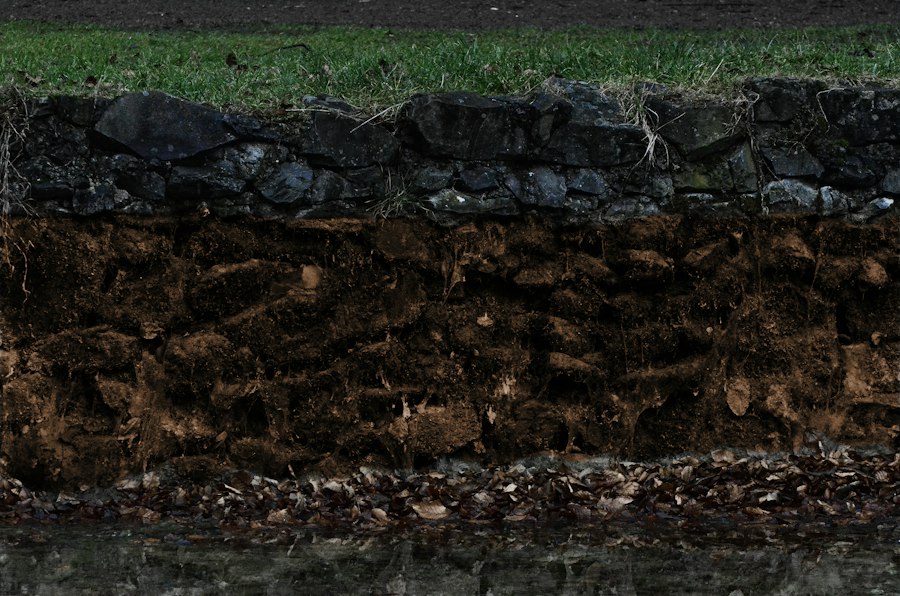
Above the foundational statumen, Roman road construction involved a series of aggregate layers, each serving distinct but complementary purposes. These layers provided further structural support, improved drainage, and prepared the surface for the final wearing course. The careful selection and layering of these materials were key to the road’s ability to withstand heavy use and adverse weather conditions over centuries.
The Rudus: Coarse Aggregate for Stability
The layer directly above the statumen was known as the rudus. This layer consisted of a coarse aggregate, primarily made up of broken stones, rubble, and gravel. The size of the stones in the rudus was generally smaller than those used in the statumen but still substantial. This material was spread evenly over the statumen and compacted thoroughly. The rudus served to further distribute the load from traffic, acting as a buffer between the larger foundation stones and the finer materials above. Its porous nature also began to play a role in drainage, allowing water that penetrated the upper layers to drain downwards. The compaction of the rudus was as important as its composition. Workers would use tampers to create a dense, interlocking mass of stones, ensuring that this layer provided a stable and continuous platform. The depth of the rudus could vary but was typically comparable to, or slightly less than, the statumen.
The Nucleus: Fine Aggregate for a Smooth Base
The nucleus, or core layer, was placed above the rudus. This layer was composed of finer gravel, crushed stone, and often a mixture of sand and lime or even volcanic ash. The materials used in the nucleus were generally smaller and more uniformly sized than those in the rudus. The primary function of the nucleus was to create a smooth and relatively impermeable base for the final paving stones or gravel surface. This layer was meticulously compacted, often to a considerable depth, creating a dense and firm core for the road. The addition of lime or volcanic ash in some regions acted as a binder, further solidifying the nucleus and improving its resistance to water penetration. This layer was crucial in preventing water from reaching the lower, more porous layers, thus safeguarding the road’s structural integrity, especially in areas with high rainfall or during freeze-thaw cycles. The compaction of the nucleus was a labor-intensive process, often involving teams of workers and heavy rollers, ensuring a solid and even surface.
The Wearing Surface: Durability and Traction
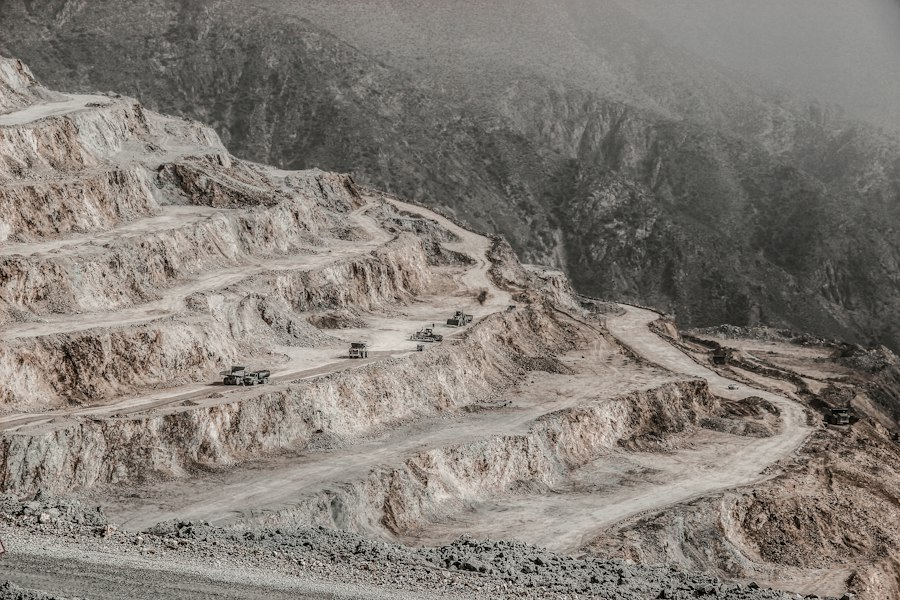
The uppermost layer of a Roman road, the summum dorsum or via munita (paved road), was the visible and functional face of the highway. Its design and construction varied depending on the importance of the road, the available materials, and the intended traffic. While some roads were paved with carefully cut stones, others were surfaced with compacted gravel or a combination of materials designed for durability and traction. This layer was the direct interface with travelers and their vehicles, and its quality directly influenced the speed and ease of travel.
Paved Surfaces: Stone Blocks and Cobbles
For major arterial roads, particularly those connecting important cities or military installations, a paved surface was the preferred choice. This involved laying carefully cut rectangular blocks of stone, known as clivus, or more commonly, rounded or irregular cobbles. The stones were typically chosen for their hardness and resistance to wear, with granite, basalt, and durable limestone being common choices. These stones were laid tightly together, often with very little space between them, to create a smooth and continuous surface. The precise fitting of these paving stones was a mark of high-quality Roman construction. In some instances, mortar or a sand-lime mixture was used to fill the small gaps, further consolidating the surface and preventing the ingress of water. The paving stones were laid on top of the compacted nucleus layer, ensuring a firm and stable bedding. The surface was often slightly convex, or crowned, to facilitate drainage of rainwater into the ditches on either side. This paving provided an exceptionally durable and smooth surface, capable of withstanding heavy wheeled traffic for centuries.
Gravel and Compacted Earth Surfaces
Not all Roman roads were paved with stone. Many, especially those in less critical areas or those intended for lighter traffic, were surfaced with a thick layer of compacted gravel or crushed stone. This gravel was carefully selected for its size and composition, typically ranging from pea-sized to fist-sized stones. This material was spread over the nucleus and then heavily compacted, often using rollers and tampers. The compaction was crucial to create a firm and stable surface that would resist erosion and provide good traction. In some cases, a finer layer of sand or clay might be mixed with the gravel to help bind it together. While not as durable as a paved surface, a well-constructed gravel road could still provide a solid and reliable pathway. The Romans also understood the importance of regular maintenance for these types of roads, with regular additions of gravel and re-compaction being necessary to preserve their integrity. The depth of these gravel layers could also be substantial, ensuring that the underlying layers were protected from direct wear.
Drainage and Edge Control: Essential for Longevity
The success of Roman roads was not solely dependent on the layers of aggregate and paving. The Romans were acutely aware of the destructive power of water and incorporated sophisticated drainage and edge control mechanisms into their designs. These elements were critical for preventing erosion, waterlogging, and structural failure, ensuring the roads remained functional for generations.
Ditches and Culverts: Managing Water Flow
One of the most visible and important features of Roman road construction was the ubiquitous presence of drainage ditches. These ditches, known as fossae, were dug along both sides of the road, running parallel to its length. Their purpose was to intercept surface water and channel it away from the roadbed. The size and depth of these ditches varied depending on the terrain and the expected rainfall, but they were consistently designed to be effective. In areas where the road had to cross natural watercourses or low-lying areas, the Romans constructed sophisticated drainage structures. These included culverts, often made of stone or brick, which allowed water to flow beneath the roadbed without undermining its structure. The construction of these culverts required careful engineering, ensuring that they were adequately sized to handle the volume of water and that their entrances and exits were protected from erosion. The integration of these drainage systems meant that water was actively managed, preventing it from pooling on or around the road.
Retaining Walls and Kerbs: Defining and Protecting the Road
To further protect the roadbed and maintain its integrity, especially on sloping terrain or where the road was elevated, the Romans employed various forms of edge control. Retaining walls, constructed from stone or brick, were built along the sides of the road to prevent the embankment from collapsing and to contain the roadbed. These walls were often substantial structures, demonstrating the Romans’ commitment to long-term stability. For roads that were not significantly elevated, kerbstones, or crepido, were often used. These were a line of stones laid along the edge of the paved surface, effectively defining the road’s boundaries and preventing traffic from straying onto the verge. The kerbstones also helped to prevent the outer edges of the road from being eroded by surface water or worn down by traffic. In some cases, the kerb stones were also integrated with the drainage ditches, providing a neat and functional boundary. The consistent application of these edge control measures ensured that the Roman roads maintained their form and function, resisting the forces of nature and the impact of constant use.
The architectural breakdown of Roman road beds reveals a fascinating complexity in ancient engineering, showcasing multiple layers designed for durability and efficiency. For a deeper understanding of how such advancements in technology were not only created but also ultimately lost, you might find it interesting to explore the related article on the destruction of ancient technology. This piece delves into the reasons behind the decline of these remarkable innovations, which can be found here.
Construction Principles and Modern Relevance
| Layer | Material | Thickness (cm) | Description | Function |
|---|---|---|---|---|
| Statumen | Large stones | 20-30 | Foundation layer of large, flat stones | Provides a stable base and drainage |
| Rudus | Gravel and small stones mixed with lime | 20-25 | Coarse concrete layer | Distributes weight and adds strength |
| Nucleus | Fine gravel, sand, and crushed pottery | 15-20 | Fine concrete layer | Creates a smooth, compact surface |
| Summum dorsum | Large polygonal paving stones | 10-15 | Top surface layer | Provides a durable, wear-resistant road surface |
The Roman approach to road building was characterized by a set of core principles that prioritized durability, functionality, and adaptability. These principles, honed over centuries of experience, offer valuable lessons for modern infrastructure projects and highlight the enduring wisdom of these ancient engineers. Understanding these principles allows us to appreciate the longevity of Roman roads and to draw parallels with contemporary construction practices.
The Importance of Layers and Compaction
At the heart of Roman road construction lay the concept of layered building and thorough compaction. The Romans understood that a strong structure was not achieved by a single, monolithic element but by the synergistic interaction of multiple, well-defined layers. Each layer served a specific purpose, contributing to the overall strength, drainage, and resilience of the road. The meticulous compaction of each layer, whether it was the foundation stones, the coarse aggregate, or the fine core, was non-negotiable. This process eliminated voids, created interlocking structures, and ensured that the roadbed was dense and stable. This contrasts with some modern approaches that may rely more heavily on specific binder materials or thinner, more homogenous layers. The Roman emphasis on mechanical compaction through physical force remains a fundamental principle in modern civil engineering for achieving load-bearing capacity.
Material Selection and Local Adaptation
The Romans were pragmatic in their material selection, often utilizing locally available resources. However, this did not mean a compromise on quality. They understood the properties of different stones, gravels, and binders, and selected them for their durability and suitability for their intended purpose. The choice between a fully paved road and a gravel surface, for instance, was dictated by the road’s importance and the available resources. This adaptability allowed them to build an extensive network across diverse geographical regions. Furthermore, their experimentation with binders like lime and volcanic ash demonstrated an early understanding of material science and the desire to improve performance. This principle of adapting construction methods to local conditions and materials is still a cornerstone of sustainable and cost-effective infrastructure development today.
Long-Term Vision and Maintenance
The enduring nature of Roman roads speaks volumes about their long-term vision. These were not projects built for a decade or two, but for centuries. The robust construction methods, meticulous drainage, and careful edge control were all geared towards longevity. While the Romans were masters of initial construction, they also understood the necessity of maintenance. Regular clearing of ditches, repair of potholes, and replenishment of gravel surfaces were likely part of the ongoing upkeep of their road network. This proactive approach to maintenance is crucial for extending the lifespan of any infrastructure, a lesson that remains highly relevant in modern times, where the cost of repair can often exceed the cost of proactive upkeep. The Roman road bed stands as a testament to intelligent design, rigorous execution, and a profound understanding of the principles that govern lasting construction.

The 2.7% Statistic That Terrifies Roman Historians
FAQs
What are the different layers of a Roman road bed?
A typical Roman road bed consists of several layers: the road surface made of large paving stones, a layer of smaller stones or gravel, a layer of sand or mortar, and a foundation of compacted soil or stone.
Why did the Romans use multiple layers in constructing their roads?
The multiple layers in Roman road construction served different purposes: the top layer of paving stones provided a durable and smooth surface for travel, while the underlying layers helped with drainage, stability, and load-bearing capacity.
How did the architectural design of Roman road beds contribute to their longevity?
The careful construction of Roman road beds with multiple layers helped distribute the weight of passing vehicles evenly, reducing wear and tear. Additionally, the use of durable materials like stone and mortar ensured the roads could withstand heavy traffic for centuries.
What role did Roman road beds play in the expansion of the Roman Empire?
Roman road beds were crucial to the expansion of the Roman Empire as they facilitated the movement of troops, supplies, and communication across vast distances. The well-built roads allowed for efficient travel, trade, and governance, helping to solidify Roman control over conquered territories.
Are there any modern engineering lessons that can be learned from the construction of Roman road beds?
Yes, modern engineers often study Roman road construction techniques for insights into durable and sustainable infrastructure design. The use of multiple layers, quality materials, and careful attention to drainage and stability in Roman roads can inform contemporary road-building practices.