
The Backbone of Empire: Introducing the Roman Cursus Publicus
The Roman Empire, a colossus of antiquity that spanned continents and influenced Western civilization for millennia, was not built solely on legions and roads. Its administrative prowess, its ability to govern vast territories, and its rapid dissemination of information relied on a sophisticated and remarkably efficient courier system: the cursus publicus. This imperial postal service, a marvel of ancient logistical planning, was the unseen circulatory system of Rome, ensuring that decrees, intelligence, and vital dispatches traversed the empire with astonishing speed and reliability. For the Romans, communication was not a luxury; it was a necessity for maintaining order, projecting power, and fostering a sense of unified identity across its diverse provinces. The cursus publicus was the physical manifestation of this imperative, a testament to Roman ingenuity in overcoming the inherent challenges of distance and time. It allowed emperors to issue commands from Rome and have them acted upon in distant Britannia or the sands of Syria within weeks, a feat that would have been unimaginable to most contemporary or preceding civilizations. This article will delve into the intricate workings of this ancient network, exploring its organization, its operational mechanics, the vital role it played in the empire’s success, and the remarkable achievements in speed and efficiency it represented.
The Roman courier system, known as the cursus publicus, was renowned for its remarkable speed and efficiency in delivering messages across the vast empire. This system utilized a network of relay stations and fresh horses, allowing couriers to travel long distances quickly. For a deeper understanding of how such systems of communication and control were essential to the governance of ancient societies, you can explore the article on the power dynamics of ancient elites in this related article.
The Genesis and Evolution of a State-Sponsored Network

The concept of a state-sponsored courier service did not emerge overnight in Roman history. While earlier forms of communication undoubtedly existed, it was under the Principate of Augustus that the cursus publicus as we understand it truly began to take shape. The immense task of unifying a republic that had been wracked by civil war, and then governing an empire of unprecedented scale, demanded a robust and centralized system for delivering information. Augustus, a master strategist and administrator, recognized this need and began to systematically establish the infrastructure that would underpin imperial communication for centuries.
Early Precursors and Augustan Reforms
Before Augustus, communication was largely informal and ad hoc, relying on individuals carrying messages or on the movement of official entourages. This system, while functional for smaller-scale governance, was wholly inadequate for the sprawling Roman Republic, let alone the burgeoning empire. Augustus, acutely aware of the need for swift and reliable communication to consolidate his power and govern effectively, initiated a comprehensive reform. He understood that the emperor’s authority needed to be felt across the vast reaches of the empire, and this required the rapid transmission of his will and the swift collection of vital intelligence. His reforms laid the groundwork for a standardized system, establishing designated routes and, crucially, providing official support for those tasked with carrying imperial dispatches. This marked a significant shift from a system reliant on private initiative to one directly managed and funded by the state.
The Imperial Mandate and Bureaucratic Integration
The cursus publicus was not merely a collection of roads; it was a highly organized bureaucratic entity. Its establishment and maintenance were an inherent part of the imperial administration, funded by the state and overseen by specific officials. This integration meant that the cursus publicus was not an independent entity but rather an indispensable tool of the emperor and the Roman government. Its operations were interwoven with the broader administrative machinery, ensuring that its purpose – serving the needs of the empire – remained paramount. The emperor’s decrees, military orders, tax collection notifications, and judicial pronouncements all flowed through this system, underscoring its central role in the daily functioning of Roman governance.
The Mechanics of Movement: Infrastructure and Logistics

The remarkable speed and efficiency of the cursus publicus were not a matter of chance but the result of meticulous planning and a sophisticated logistical framework. The Romans were unparalleled engineers and road builders, and the vast network of paved highways that crisscrossed the empire provided the physical arteries for the courier system. However, the roads alone were not sufficient. A complex system of waystations, resupply points, and trained personnel was essential to keep the messengers moving without undue delay.
The Roman Road Network: The Foundation of Speed
The legendary Roman roads were the bedrock upon which the cursus publicus was built. These meticulously constructed, durable, and strategically laid out arteries facilitated rapid travel across vast distances. The Romans understood the importance of direct routes, gradients, and drainage, ensuring that their roads remained passable in most weather conditions. For the cursus publicus, these roads meant consistency and predictable travel times. Messengers were not forced to navigate treacherous terrain or rely on ill-defined paths. They could move with a defined pace, knowing that the next station was a specific distance away and that the road surface would allow for consistent speed, whether on horseback or in a light carriage. The network extended from the heart of Italy to the furthest reaches of the empire, connecting major cities, military outposts, and administrative centers, making it possible for messages to travel from Rome to Hadrian’s Wall or to Antioch with a degree of regularity.
Stationes and Mansiones: The Pillars of Support
Crucial to the cursus publicus‘s operation were its strategically placed stations, known as stationes and mansiones. These were not simply inns but official rest and resupply points designed to facilitate the continuous movement of imperial couriers. Mansiones served as larger establishments, offering overnight accommodation, food, and stabling for horses. They were equipped to handle official travelers and provided a place where couriers could rest and refit before continuing their journeys. Stationes, often smaller and more numerous, primarily served as relay points where fresh horses could be acquired and where simple provisions might be obtained. The constant availability of fresh mounts at these stations was critical. A tired horse could significantly slow down a messenger, but the cursus publicus system ensured that a courier could exchange their fatigued steed for a fresh one every few Roman miles, allowing for a sustained high pace. This systematic replacement of horses was a cornerstone of the cursus publicus‘s impressive speed.
Personnel and Organization: The Human Element
The smooth functioning of the cursus publicus depended not only on infrastructure but also on the human element. A dedicated corps of officials and messengers were employed to manage and operate the system. Overseeing the network were officials known as procuratores cursus publici or praefecti vehiculorum, who were responsible for the organization, maintenance, and efficient operation of the stations and the dispatch of couriers. The messengers themselves, often referred to as speculatores or curricularii, were typically skilled riders, chosen for their speed, endurance, and reliability. They carried official documents, often sealed and bearing the emperor’s mark or that of a provincial governor, which granted them access to the resources of the cursus publicus at each station. This established hierarchy and clear chain of command ensured that the system operated with a degree of discipline and order, vital for its effectiveness.
The Speed of Empire: Quantifying the Cursus Publicus
While precise, universally applicable figures for the speed of the cursus publicus are difficult to ascertain due to variations in terrain, weather, and the urgency of the dispatch, historical accounts and archaeological evidence provide compelling insights into its remarkable capabilities. The Romans themselves were keenly aware of the value of speed in governing their vast empire, and the cursus publicus was designed to deliver information with a rapidity that was unprecedented for its time.
Daily Averages and Peak Performances
Estimates suggest that a horse could travel approximately 50 to 75 miles (80 to 120 kilometers) per day at a steady pace. However, the cursus publicus was designed for rapid transit, utilizing relay systems and fresh horses. This allowed couriers to cover significantly greater distances. Evidence suggests that an average daily distance of around 100 miles (160 kilometers) was achievable for routine dispatches. For urgent matters, particularly those involving military or imperial security, couriers could push themselves and their mounts to cover even more ground. Some scholars hypothesize that under optimal conditions, with relays every 10-15 miles, a courier could potentially cover 150 to 200 miles (240 to 320 kilometers) in a 24-hour period. This was a staggering feat in an era without modern transportation. For comparison, the journey from Rome to Jerusalem, a distance of over 1,500 miles (2,400 kilometers), could theoretically be covered in roughly 8 to 15 days, a testament to the system’s efficiency.
Factors Influencing Travel Time
Several factors influenced the actual speed of the cursus publicus. The quality of the road surface was paramount; well-maintained paved roads allowed for faster travel than less developed routes. The terrain also played a significant role, with mountainous or heavily forested areas inevitably slowing down progress. Weather conditions, such as heavy rain, snow, or extreme heat, could also impede travel. Furthermore, the urgency of the dispatch dictated the effort expended. A routine administrative letter might be carried at a steady pace, while a critical military report or an imperial summons would be prioritized, with couriers pushing their mounts and themselves to the absolute limit. The number of relay points and the efficiency of the station personnel in providing fresh horses and minimal rest also contributed to the overall speed. Finally, the physical condition and experience of the messenger and their mounts were inherently variable.
The Roman courier system, known as cursus publicus, was renowned for its impressive speed and efficiency in delivering messages across the vast empire. This system utilized a network of relay stations and fresh horses to ensure that information could travel quickly, often covering distances that would take modern couriers much longer. To understand the broader implications of communication systems on societal structures, one might explore how environmental factors influence migration patterns in contemporary times. For a deeper insight into this topic, you can read about the impact on communities in this related article on environmental migration here.
The Strategic Significance: Communication as a Tool of Power
| Metric | Value | Unit | Notes |
|---|---|---|---|
| Average Speed | 50 | km/day | Estimated average speed of the cursus publicus courier system |
| Maximum Speed | 80 | km/day | Speed achieved under optimal conditions with fresh horses and relay stations |
| Distance Between Relay Stations | 15-20 | km | Typical spacing of mansiones (relay stations) for horse changes |
| Horse Change Time | 5-10 | minutes | Time taken to switch horses at relay stations |
| Daily Travel Duration | 10-12 | hours | Estimated daily travel time for couriers |
| Courier System Name | Cursus Publicus | – | Official Roman state courier and transportation system |
The cursus publicus was far more than a mere postal service; it was a vital instrument of imperial power and control. Its ability to facilitate rapid communication across vast distances was fundamental to the Roman Empire’s success in maintaining order, projecting military strength, and administering its diverse territories. Without such a system, the empire would have been far more fragmented and vulnerable.
Military Command and Intelligence Gathering
In the realm of military affairs, the cursus publicus was indispensable. Orders from the emperor or his generals could be transmitted to legions stationed on the frontiers with remarkable speed, enabling coordinated responses to threats and swift deployment of troops. Crucially, intelligence gathered from distant provinces, such as reports of unrest or enemy movements, could be relayed back to Rome in a timely manner, allowing for informed decision-making. This constant flow of information between the battlefield and the imperial capital was a significant strategic advantage, enabling Rome to react proactively rather than reactively to challenges. The ability to receive dispatches from a frontier legion within days rather than weeks could mean the difference between victory and defeat.
Imperial Administration and Governance
Beyond military applications, the cursus publicus was the backbone of Roman imperial administration. Decrees from the emperor and the Senate could be disseminated throughout the empire, ensuring that laws and policies were implemented consistently across all provinces. Tax collection notices, judicial summonses, and administrative directives all relied on this network for their timely delivery. The cursus publicus allowed provincial governors to maintain regular contact with Rome and with each other, fostering a sense of cohesion within the imperial bureaucracy. It enabled the emperor to exert direct influence over even the most remote regions, reinforcing central authority and preventing the kind of regional autonomy that could lead to separatism. The efficiency of this system contributed to the long period of relative peace and stability known as the Pax Romana.
Economic and Social Impact
The cursus publicus also had a significant economic and social impact. The rapid movement of merchants’ letters and commercial information facilitated trade and economic activity across the empire. Official documents related to trade regulations, customs, and appointments could be delivered efficiently, supporting a complex and interconnected economy. Socially, the system allowed for the transmission of personal letters and news, albeit primarily for official use. While not a public postal service in the modern sense, it indirectly supported the flow of information that bound the empire together, fostering a shared cultural and administrative identity. The presence of the cursus publicus was a tangible sign of imperial presence and its commitment to connectivity, which in turn could foster a sense of belonging and order among the diverse populations of the Roman world.
Legacy and Comparison: The Enduring Influence of Roman Communication
The cursus publicus represented a monumental achievement in ancient logistics and communication. Its organizational complexity, its reliance on robust infrastructure, and its impressive speed set a precedent for future state-sponsored communication systems. While modern technologies have rendered such methods obsolete, the underlying principles of organized dispatch, strategic routing, and efficient resource allocation that characterized the cursus publicus remain relevant.
A Benchmark for Antiquity
The cursus publicus stands as a testament to Roman ingenuity and administrative capacity. In an era devoid of electricity, telegraphs, or motorized transport, the Romans devised a system that allowed them to govern an empire of unprecedented size with a degree of efficiency that was unparalleled. Its success was a direct result of their strategic vision, their engineering prowess, and their commitment to centralized control. The sheer scale of the undertaking – maintaining a network of roads, stations, and personnel across vast distances – was a feat of organization that has few parallels in the ancient world. It demonstrated that with meticulous planning and dedicated resources, remarkable communication speeds could be achieved even with pre-industrial technology.
Contrasting with Modern Systems
When compared to modern communication systems, the limitations of the cursus publicus are apparent. Today, information can traverse the globe instantaneously via the internet, and physical goods can be transported across continents in a matter of hours or days by air and high-speed rail. However, it is crucial to recognize the context. The cursus publicus was operating at the absolute cutting edge of what was technologically and logistically possible in its time. Its achievements, when measured against the standards of antiquity, were truly extraordinary. The speed it offered was relative, but for the ancient world, it was revolutionary, transforming the very nature of governance and imperial administration. The speed and reach it provided were the best available for its era, enabling Rome to maintain its vast dominion for centuries.
The Echoes in Later Systems
The principles behind the cursus publicus – the establishment of a state-controlled network for rapid information dissemination, the use of relay systems, and the integration of infrastructure with personnel – can be seen echoed in later communication systems. From the Pony Express in the American West to the development of national postal services, the Roman model of an organized, efficient, and state-supported courier system provided a foundational blueprint. The Romans established that effective governance and control over large territories were inextricably linked to the ability to communicate rapidly and reliably, a lesson that has resonated through the ages and continues to inform how we organize and utilize communication networks today. The very concept of a state-sponsored delivery system, designed to serve governmental and public needs, owes a significant debt to the pioneering efforts of the Romans and their remarkable cursus publicus.
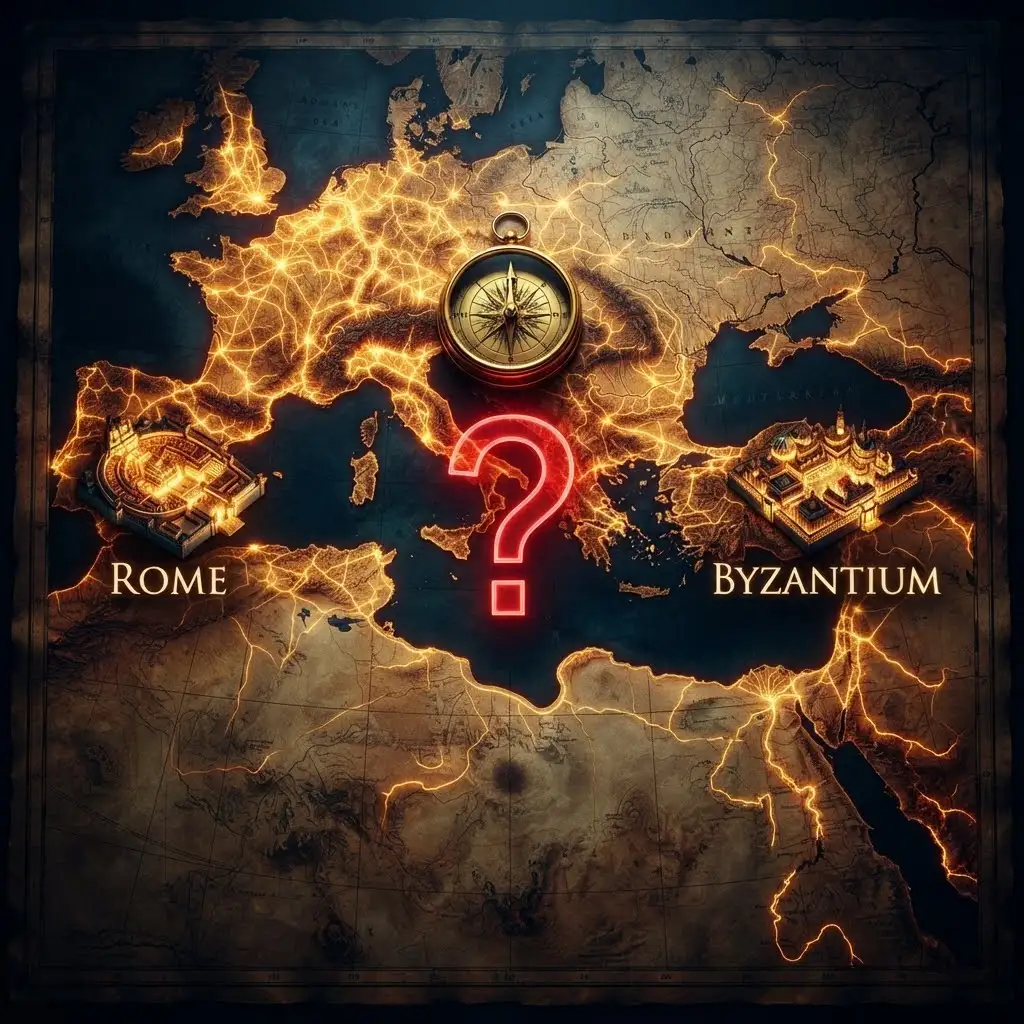
The 2.7% Statistic That Terrifies Roman Historians
FAQs
What was the Roman courier system, cursus publicus?
The cursus publicus was the official courier system established by the Roman Empire to ensure efficient communication and transportation of messages, officials, and goods across the vast empire.
How did the cursus publicus operate?
The cursus publicus operated through a network of relay stations located along major roads, where fresh horses and messengers were stationed to quickly deliver messages and officials to their destinations.
What was the speed of the Roman courier system, cursus publicus?
The Roman courier system, cursus publicus, was known for its remarkable speed, with messengers being able to cover long distances in a relatively short amount of time, thanks to the efficient relay system and well-maintained roads.
Who had access to the Roman courier system, cursus publicus?
Access to the cursus publicus was restricted to government officials, military personnel, and individuals authorized by the emperor, ensuring that important messages and officials could be swiftly transported across the empire for administrative and military purposes.
Was the Roman courier system, cursus publicus, an effective means of communication?
Yes, the Roman courier system, cursus publicus, was highly effective in facilitating communication and transportation throughout the vast Roman Empire, allowing for quick dissemination of information, efficient governance, and rapid military responses when needed.