
The Enduring Foundation: Early Stone Paving and its Impact on Ancient Highways
The creation of effective and durable transportation networks has been a hallmark of advanced civilizations throughout history. While the concept of a “highway” often conjures images of modern asphalt or concrete, the foundations of efficient road building were laid millennia ago with the sophisticated use of stone paving technologies. These ancient innovations were not mere rudimentary attempts at surfacing; they represented a deep understanding of engineering principles, resource management, and the crucial role of well-constructed roads in facilitating trade, military movement, and the overall cohesion of empires. From the meticulously crafted Roman roads to the more subtle, yet equally effective, paving techniques of other ancient cultures, the evolution of stone paving fundamentally shaped the design and longevity of early highway systems.
Ancient stone paving technologies played a crucial role in the development of highway design, influencing how roads were constructed and maintained throughout history. For a deeper understanding of how infrastructure has evolved and its impact on governance, you can explore the article on the rise of failed government states, which discusses the relationship between infrastructure and state stability. To read more, visit this article.
Engineering the Roadbed: Preparation and Foundation in Ancient Paving
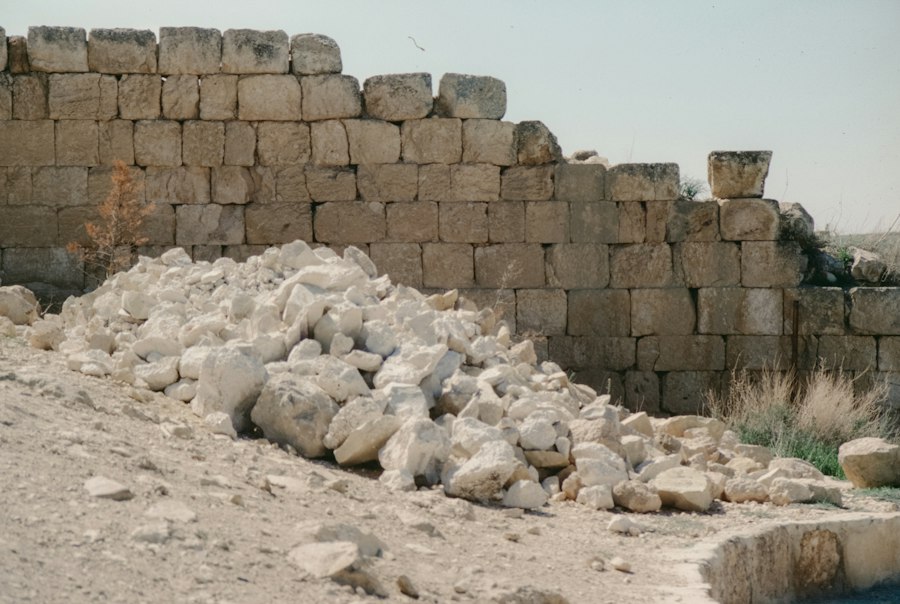
The success of any paved road, ancient or modern, hinges on the preparation of the ground beneath it. Ancient engineers, though lacking sophisticated surveying equipment, possessed an intuitive grasp of soil mechanics and drainage. The creation of a stable and well-drained foundation was paramount to preventing the ravages of water and frost, which could undermine even the most robust paving. This meticulous preparation stage was as critical as the paving stones themselves, ensuring that the highway would withstand the test of time and heavy use.
Site Selection and Grading
The initial step in ancient highway construction often involved careful site selection. Engineers would ideally choose routes that minimized steep gradients and avoided excessively marshy or unstable terrain. While direct routes were often preferred for efficiency, practical considerations of terrain dictated many choices. Once a general path was determined, the process of grading began. This involved clearing vegetation, removing topsoil, and then leveling the subgrade to a consistent gradient. This ensured that water would flow away from the roadbed, a fundamental principle of drainage. The sheer scale of labor involved in moving earth and shaping the landscape for these early roads is a testament to the organizational capacity of ancient societies. Without effective grading and compaction of the underlying earth, even the most carefully laid stones would eventually fail.
Drainage Systems: The Unsung Heroes of Paved Roads
Perhaps one of the most overlooked, yet most critical, aspects of ancient stone paving technology was the implementation of effective drainage systems. Water is the relentless enemy of any road structure. It can seep into the subgrade, weaken the foundation, and lead to the expansion and contraction of materials, causing cracking and disintegration. Ancient engineers understood this inherently and incorporated various methods to divert water away from the roadbed. These included carefully sloped surfaces, strategically placed ditches along the sides of the road, and sometimes even internal drainage channels. The efficacy of these drainage systems directly contributed to the longevity and usability of the ancient paved highways, allowing them to remain functional even in regions with significant rainfall.
The Importance of Compaction
Following the grading and drainage preparation, the subgrade was meticulously compacted. This involved pounding the earth to reduce air pockets and create a dense, stable base. While ancient methods of compaction were necessarily labor-intensive, relying on the treading of feet, animal power, and manual ramming, the principle was sound. A well-compacted subgrade provides a firm platform for the subsequent layers of the road, preventing settling and ensuring an even distribution of the loads imposed by traffic. This attention to detail in the foundation laid the groundwork for the durability that many ancient paved roads have exhibited for centuries.
The Art of the Stone Layer: Paving Techniques and Materials

The actual laying of the stones was where the visible innovation in ancient highway design truly manifested. Different cultures developed distinct techniques and utilized locally available stone materials, each with its own advantages and disadvantages. The selection of stone type, the shape and size of the paving units, and the method of their placement all contributed to the strength, durability, and smoothness of the finished road.
Modular Paving: The Roman Mastery of the Via
The Romans are perhaps the most famous practitioners of extensive stone paving, and their viae (roads) stand as enduring monuments to their engineering prowess. Roman roads were characterized by a layered construction, beginning with a foundational layer of large, irregular stones (statumen). Above this came a layer of smaller stones and gravel (rudus) for drainage and further stability. The uppermost layer, the summum dorsum, was the actual paved surface, typically composed of precisely cut, polygonal stones (basalt, granite, or limestone) fitted together with remarkable accuracy. The curvature of the road surface (the dorsum) facilitated drainage, with the stones often slightly raised in the center. This layered approach provided exceptional strength and flexibility, allowing the roads to withstand heavy military traffic and the passage of wagons for centuries.
Other Paving Styles: Beyond the Roman Model
While Roman roads are iconic, other ancient civilizations also employed sophisticated stone paving techniques. The Inca, for instance, built their vast road network across the Andes, often using precisely fitted, mortarless stonework. While not always a continuous paved surface in the Roman sense, their techniques for securing and shaping large stones created incredibly stable and erosion-resistant pathways in challenging mountainous terrain. In parts of ancient Greece and Mesopotamia, more rudimentary but still effective paving methods were employed, using smaller, less uniformly shaped stones or even packed gravel surfaces to improve traction and durability over softer ground. These variations highlight a pragmatic approach, adapting paving technologies to local resources and specific environmental conditions.
The Importance of Stone Selection and Preparation
The choice of stone was a crucial engineering decision. Durable, hard stones like granite and basalt were favored for high-traffic areas, offering excellent resistance to wear and tear. Softer stones like limestone could be used in less demanding sections or for internal layers. The process of preparing the stones was also critical. For Roman roads, this involved quarrying, transporting, and then meticulously shaping each paving unit. The precise fitting of polygonal stones required skilled stonemasons, and the collective effort of thousands of laborers and craftsmen was essential to the construction of these monumental roadways. The consistent quality and precise fit of the paving stones were key to their structural integrity and long-term performance.
Beyond the Paving Stones: Integrated Design for Ancient Highways
Ancient highway design was not solely about the paving material. It was an integrated system that considered the broader functionality of the road, including its width, gradients, alignment, and the inclusion of crucial infrastructure elements. The goal was to create not just a surface, but a comprehensive transportation artery capable of serving diverse needs.
Strategic Alignment and Gradients
The alignment of ancient highways was a carefully considered strategic decision. While straight lines were often preferred for directness, engineers were adept at navigating natural obstacles. They would contour around mountains, cross rivers at strategic points, and avoid impassable terrain. The gradients of the roads were also meticulously managed. Extremely steep inclines were avoided where possible, as they would have made travel arduous for both animal-powered transport and marching soldiers. Even seemingly minor adjustments in gradient could significantly impact the ease and speed of travel, and the ability to haul heavy loads. This understanding of topography and its impact on usability is a testament to the practical engineering knowledge of these ancient societies.
Width and Capacity Considerations
The width of ancient paved highways varied depending on their intended purpose and the anticipated volume of traffic. Major imperial roads, designed for military movement and extensive trade, were often wide enough to accommodate multiple carts or legions marching abreast. These wider roads not only facilitated smoother traffic flow but also allowed for passing and provided greater stability. In contrast, smaller local roads or pathways might have been narrower, reflecting their more limited use. The strategic planning of road width demonstrates an understanding of traffic management and the capacity requirements of a functional transportation network.
Infrastructure Elements: Bridges, Tunnels, and Milestones
The construction of paved highways often necessitated the creation of complementary infrastructure. Bridges, built from stone, timber, or a combination, were essential for crossing rivers and ravines. While many of these have not survived, historical records and archaeological evidence point to their widespread use. In some instances, tunnels were even excavated through hills to maintain a more direct and less arduous route. Furthermore, the Romans famously placed milestones (miliaria) along their roads, indicating distances and providing crucial information for travelers. These integrated infrastructure elements were not afterthoughts but integral components of the overall highway design, enhancing usability and extending the reach of these ancient transportation systems.
Ancient stone paving technologies played a crucial role in the development of highway design, influencing not only the durability of roads but also the efficiency of transportation systems. For a deeper understanding of how historical advancements in various fields, including infrastructure, have shaped modern society, you can explore this insightful article on the history of information control. The connections between these technological evolutions and their impact on communication and governance are fascinating, as they reveal the intricate web of progress throughout history. To read more, visit this article.
The Legacy of Stone: Enduring Influence and Modern Relevance
| Technology | Period | Region | Material Used | Design Features | Durability (Years) | Notable Example |
|---|---|---|---|---|---|---|
| Roman Stone Paving | 500 BC – 400 AD | Roman Empire | Large basalt and limestone slabs | Multi-layered foundation, cambered surface for drainage | 1000+ | Via Appia |
| Inca Stone Roads | 1400s – 1500s | Andes, South America | Fitted granite and andesite stones | Interlocking stones, drainage channels, retaining walls | 500+ | Qhapaq Ñan |
| Medieval Cobblestone Roads | 5th – 15th Century | Europe | Rounded river stones | Loose stone set in sand or mortar, uneven surface | 200-400 | Old Town Streets, Prague |
| Ancient Egyptian Stone Roads | 3000 BC – 1000 BC | Egypt | Limestone blocks | Flat stone slabs, raised causeways | 1000+ | Roads near Giza Pyramids |
| Mesopotamian Stone Pavements | 3000 BC – 1000 BC | Mesopotamia | Clay bricks and stone slabs | Layered foundation, drainage ditches | 800+ | Babylon City Roads |
The innovations in ancient stone paving technologies have left an indelible mark on the history of infrastructure. The principles of layered construction, drainage, and meticulous craftsmanship employed by ancient engineers continue to inform modern road building, even as materials and machinery have evolved dramatically. The longevity of many ancient paved roads is a powerful testament to the effectiveness of these early designs.
Durability and Longevity: A Testament to Ancient Ingenuity
The most striking legacy of ancient stone paving is its sheer durability. Many Roman roads, and other paved ancient routes, have survived for millennia, with sections still in use today. This enduring quality is a direct result of the robust engineering principles employed. The careful selection of materials, the layered construction that provided strength and flexibility, and the effective drainage systems all contributed to roads that could withstand centuries of wear and tear, extreme weather, and heavy traffic. This longevity is not merely a curiosity; it represents a sophisticated understanding of material science and structural engineering that far surpassed the rudimentary perceptions of ancient construction.
Impact on Trade, Military, and Societal Development
The development of well-constructed paved highways had a profound impact on ancient societies. For trade, these roads facilitated the movement of goods over long distances, fostering economic growth and the exchange of ideas. Militarily, they enabled the rapid deployment of troops and supplies, allowing empires to expand and maintain control over vast territories. Societally, they connected disparate regions, promoting cultural exchange and a sense of shared identity. The ability to travel efficiently and reliably was a fundamental driver of civilization’s progress, and the paved highway, born from early stone paving technologies, was the engine of that progress.
Lessons for Modern Engineering
While modern road construction utilizes sophisticated machinery and advanced materials like asphalt and concrete, the fundamental principles of good highway design remain consistent. The importance of a stable subgrade, effective drainage, and well-selected materials are lessons learned from the successes of ancient engineers. The study of ancient paving techniques provides valuable insights into sustainable construction practices and the enduring value of durable, long-lasting infrastructure. The ancient paved highway, therefore, is not just a relic of the past; it is a foundational blueprint for the transportation networks that underpin our modern world.
Ancient stone paving technologies played a crucial role in the development of highway design, influencing how civilizations connected and traded. The durability and engineering of these early roads facilitated not only transportation but also the exchange of goods and ideas across vast distances. For a deeper understanding of how these ancient networks functioned and their eventual decline, you can explore the related article on the collapse of Bronze Age trade networks at this link. This context enriches our appreciation of the sophisticated infrastructure that supported early societies.
The Unseen Foundations: The Material Science and Craftsmanship Behind Ancient Paving
The impressive longevity and functionality of ancient stone-paved highways were not solely a matter of grand engineering vision; they were also deeply rooted in a nuanced understanding of material science and a high degree of craftsmanship. The selection and preparation of the stones, the binding agents used (or intentionally omitted), and the precision with which they were laid all played crucial roles in the ultimate success of these ancient roads.
The Nuances of Stone Selection: Durability and Availability
The choice of stone was a critical decision influenced by both its intrinsic properties and its local availability. Ancient engineers understood that different types of stone possessed varying degrees of hardness, resistance to weathering, and fracture toughness. For high-traffic surfaces, particularly in areas subjected to significant rainfall or frost, durable igneous rocks like basalt and granite were often favored. These stones, while difficult to quarry and shape, offered superior resistance to abrasion and erosion. In contrast, softer sedimentary rocks like limestone and sandstone might have been used for less critical sections of the road or for the underlying foundation layers, where their properties were less exposed to direct wear. The ability to identify and exploit these material differences, often through generations of practical experience, was a vital component of their engineering expertise.
The Role of Aggregates and Binding Agents
While the iconic image of Roman roads often features precisely cut polygonal stones, the foundational layers and some less demanding paved surfaces relied on the careful selection and arrangement of smaller stones and gravel. These aggregates served multiple purposes. They provided a stable base, improved drainage by creating interstitial spaces for water to flow through, and acted as a cushion for the uppermost paving stones. In some ancient paving techniques, a rudimentary form of binding agent might have been employed. This could include a mixture of clay, sand, and water, or even lime-based mortars in more advanced constructions. However, a key innovation in many durable ancient paved roads, particularly those of the Romans, was the deliberate avoidance of strong binding agents in the uppermost layers. This allowed for a degree of flexibility, enabling the road to absorb stress and movement without fracturing catastrophically, a common issue in rigid modern pavements.
The Art of Fitting: Precision in Stonemasonry
The skill of the stonemasons was arguably as important as the quality of the stone itself. For roads requiring a smooth and tightly fitted surface, such as the polygonal paving of Roman viae, the precision required was immense. Each stone had to be quarried, transported, and then painstakingly shaped to fit its neighbors. This involved a deep understanding of geometry and the ability to work with the natural cleavage planes of the stone. The resulting tessellated surface was not only aesthetically pleasing but also incredibly strong and stable, minimizing the ingress of water and weed growth. The absence of significant gaps between stones reduced the ability of water to penetrate the subgrade and weaken the foundation, a critical factor in the long-term survival of these ancient routes. This level of dedicated craftsmanship speaks to a societal structure that valued and invested in specialized trades for the construction of essential infrastructure.

The 2.7% Statistic That Terrifies Roman Historians
FAQs
What are some examples of ancient stone paving technologies used in highway design?
Ancient civilizations such as the Romans used techniques like the construction of roads with layers of gravel, sand, and stones to create durable and long-lasting highways.
How did ancient civilizations ensure the durability of stone-paved highways?
Ancient engineers often incorporated techniques like proper drainage systems, strategic placement of stones, and compacting the layers to ensure the longevity and stability of the paved highways.
What are the benefits of using ancient stone paving technologies in modern highway design?
Modern engineers can learn from ancient techniques to create highways that are more durable, resistant to wear and tear, and have a longer lifespan compared to conventional asphalt roads.
How do ancient stone-paved highways compare to modern asphalt roads in terms of sustainability?
Ancient stone-paved highways are considered more sustainable as they require less maintenance, have a longer lifespan, and are made from natural materials that are environmentally friendly compared to modern asphalt roads.
Are there any challenges in implementing ancient stone paving technologies in modern highway design?
Challenges in implementing ancient stone paving technologies in modern highway design include higher initial costs, the need for skilled labor, and adapting the techniques to suit modern traffic and safety standards.