
The Arteries of Empire: Roman Overland Trade Routes
The Roman Empire, a civilization renowned for its military might and sophisticated governance, also owed a significant portion of its enduring power and prosperity to its extensive and remarkably efficient network of overland trade routes. Far from being solely a land-based military machine, Rome was a hub of commerce, connecting diverse regions and facilitating the movement of goods, ideas, and people across vast distances. These routes were not merely paths etched into the landscape; they were meticulously constructed arteries, vital for the sustenance, expansion, and economic vitality of the Roman world. Understanding their history and economic impact offers a profound insight into the mechanics of imperial dominance and the foundations of a globalized ancient economy.
The history of the Roman Empire’s overland trading routes is a fascinating topic that reveals the complexities of ancient commerce and cultural exchange. For those interested in exploring how these trade networks impacted societies, a related article titled “Uncovering Ancient Famine: Archaeological Insights” provides valuable insights into the economic challenges faced by ancient civilizations, including the Romans. You can read more about this intriguing connection by visiting the article here: Uncovering Ancient Famine: Archaeological Insights.
The Genesis and Evolution of Roman Trade Networks
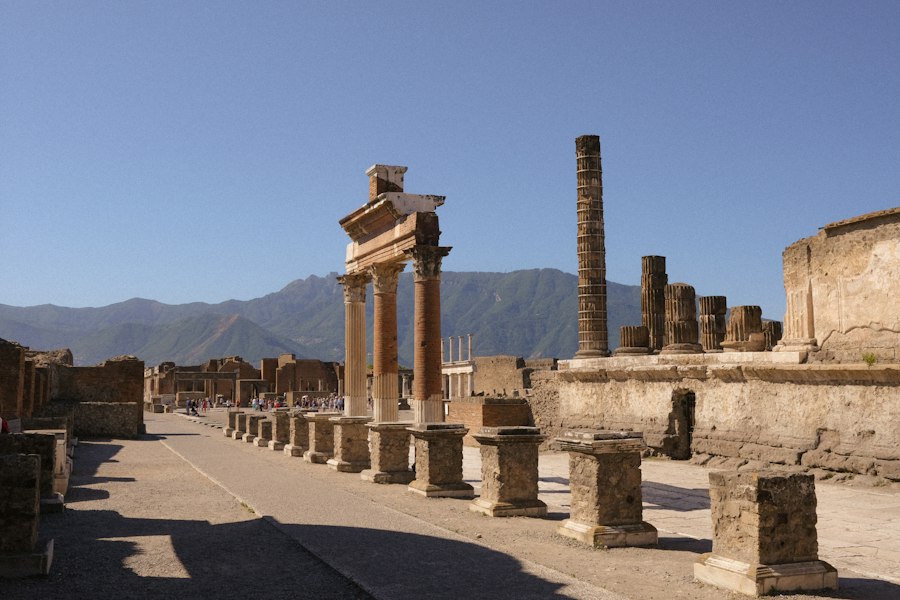
The origins of Roman overland trade can be traced back to the early days of the Republic, when nascent settlements engaged in local bartering. As Rome’s influence grew, so too did the need for more organized and secure avenues for commerce. The Punic Wars, a pivotal moment in Roman expansion, not only secured dominance over the Mediterranean but also opened up new territories and trade opportunities across North Africa and Hispania. This period saw a gradual but significant development of rudimentary roads, often following existing pathways and trails.
Early Roman Infrastructure and Indigenous Pathways
Before the iconic Roman roads, trade largely relied on existing local tracks and cartways. These were often unpaved, prone to erosion, and susceptible to the vagaries of weather. However, even in these early stages, a network of sorts existed, connecting villages and towns for the exchange of agricultural produce, livestock, and locally crafted goods. Indigenous peoples, long before Roman conquest, had established their own networks, often dictated by geographical features like river valleys and mountain passes. These pre-Roman routes provided the initial blueprints and knowledge of the land upon which Roman engineers would later build. The Romans were adept at adopting and improving upon existing practices, and this was certainly true of their road-building. They recognized the strategic importance of these established arteries and began to incorporate them into their expanding infrastructure.
The Reign of the Roman Road: Engineering and Expansion
The true revolution in Roman overland trade came with the systematic construction of the famous Roman roads. Beginning in earnest with the Via Appia in the 4th century BCE, the Romans embarked on an ambitious program of road building that would eventually span over 400,000 kilometers of paved surfaces across the empire. These were not simply dirt tracks; they were engineering marvels for their time. Built with meticulous precision, they featured layered foundations of stone, gravel, and sand, topped with durable paving stones, and designed with careful attention to drainage and gradient. This allowed for swift and efficient movement of legions, officials, and, crucially, merchant caravans. The expansion of this network was directly tied to Roman conquest. As new territories were subdued, Roman engineers were dispatched to build roads connecting them to the heart of the empire and to each other. This not only facilitated military control but also integrated these new regions into the Roman economic system. The construction was often a multi-stage process, involving surveying, excavation, quarrying of materials, and the skilled labor of soldiers and civilian contractors. The goal was permanence and usability, a testament to Roman engineering prowess that has left its mark on the landscape for millennia.
Military Needs Fueling Commerce
It is impossible to discuss Roman overland trade without acknowledging the symbiotic relationship between the military and commerce. The primary impetus for building many of the most important Roman roads was military. The swift deployment of legions, the rapid communication of orders, and the efficient supply of provisions to frontier garrisons were paramount for maintaining imperial security. However, the very roads built for military purposes became indispensable for trade. Merchants could travel with greater speed and safety along these well-maintained arteries, shielded to some extent by the Roman presence and the reduced risk of banditry. The Roman military also served as a de facto policing force along these routes, deterring petty crime and ensuring a degree of stability that was essential for sustained commercial activity. This dual-purpose nature of the Roman road network was a stroke of strategic genius, maximizing the utility of state resources and fostering economic growth as a byproduct of military necessity. The presence of legions at strategic points along the routes also provided a ready market for goods, further stimulating local economies and encouraging trade.
The Goods That Traveled: Commodities of the Roman World
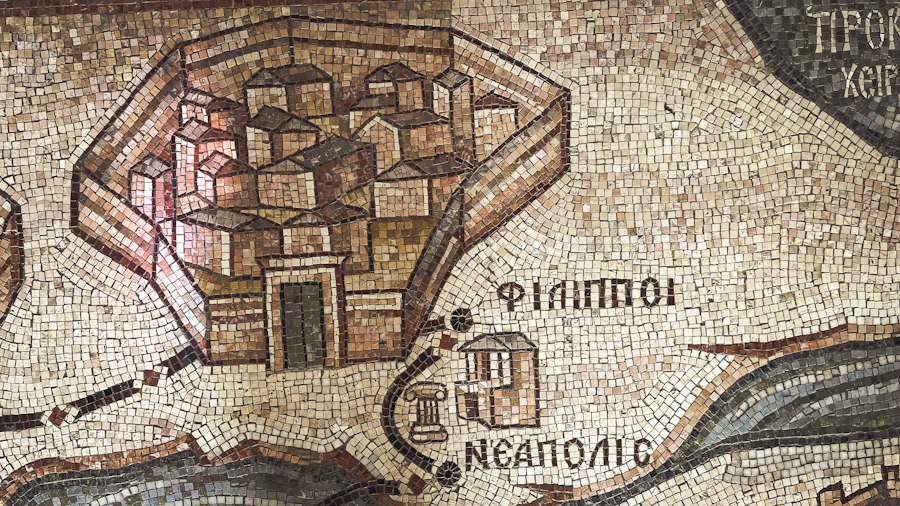
The economic impact of Roman overland trade routes is best understood by examining the sheer diversity of goods that traversed them. These routes were the conduits for a vast array of commodities, ranging from essential foodstuffs to luxury items, shaping daily life, provincial economies, and the imperial treasury. The movement of these goods was not random; it was driven by supply and demand, by regional specialization, and by the ever-present Roman desire for both necessities and luxuries.
Staple Foods and Agricultural Products
The most fundamental goods moved along Roman overland routes were foodstuffs. While much of the empire aimed for self-sufficiency in its immediate environs, certain regions specialized in particular agricultural products, leading to inter-regional trade. Grain, the absolute bedrock of the Roman diet, was transported from fertile areas like Egypt and North Africa to Rome and other major urban centers, often initially by sea but then distributed inland by road. Olive oil, another staple, flowed from Hispania and Italy, while wine, produced in abundance across the empire, also made its way to various markets. Beyond these primary staples, there was trade in dried fruits, nuts, cheeses, and animal products, all contributing to the dietary diversity of the Roman populace and the economic viability of agricultural communities. The efficiency of the roads meant that perishable goods could be transported further and faster, reducing spoilage and expanding the reach of regional producers.
Raw Materials for Industry and Construction
The insatiable demands of Roman industry and construction also fueled extensive overland trade. Timber, essential for building ships, homes, and public works, was transported from forested regions. Metals, including iron, copper, tin, and lead, were mined in areas like Britannia, Hispania, and the Balkans and then distributed throughout the empire for use in toolmaking, weaponry, coinage, and a myriad of other applications. Stone, particularly for monumental architecture, was quarried and transported to building sites, often over considerable distances, utilizing both road and river transport. The development of specialized mining and quarrying techniques, coupled with the efficient transport infrastructure, allowed for the large-scale exploitation of natural resources, underpinning the Roman capacity for monumental construction and military production. This trade in raw materials was a crucial engine of the Roman economy, providing the fundamental building blocks for its civilization.
Manufactured Goods and Artisan Crafts
Beyond raw materials, the overland routes facilitated the movement of a vast array of manufactured goods and artisan crafts. Pottery, from simple utilitarian wares to elaborately decorated Samian ware, was produced in specialized centers and distributed widely. Textiles, including woolens from Hispania and Egypt, and finer linens, were also important commodities. Glassware, produced in regions like Syria and Egypt, found its way to markets across the empire. Metalwork, from weaponry and armor to intricate jewelry and household items, was another significant trade item. The specialization of labor within the empire meant that certain regions became known for particular crafts, leading to extensive trade networks for these manufactured products. The roads allowed these artisan goods to reach a much broader customer base than would have been possible without them, fostering economic specialization and the growth of urban craft industries.
Luxury Items and Exotic Commodities
The Roman elite, with their insatiable appetite for opulence, drove a significant portion of the overland trade in luxury items. Spices, perfumes, silk (though often arriving via the Silk Road and then distributed overland), precious stones, exotic animals for spectacles, and fine wines from distant vineyards all traversed the empire. These high-value, low-volume goods represented a significant source of revenue and status. The routes leading to the eastern frontiers were particularly important for the influx of these exotic commodities. While not as voluminous as staple goods, the profitability of luxury trade was immense, supporting specialized merchants and contributing to the imperial coffers through customs duties. The demand for these items also stimulated production and innovation in luxury crafts and facilitated cultural exchange, as new tastes and fashions spread across the vast Roman dominion.
The Economic Impact and Imperial Integration
The overland trade routes were more than just conduits for goods; they were powerful agents of economic integration, shaping provincial economies, fostering urbanization, and contributing to the overall wealth and stability of the Roman Empire. Their impact reverberated through every level of Roman society, from the humblest farmer to the most powerful senator.
Fostering Regional Specialization and Interdependence
The Roman road network, by making transportation efficient and relatively safe, encouraged regions to specialize in the production of goods for which they had a comparative advantage. For example, regions with fertile land focused on grain production, while others with suitable climate and soil became centers for wine and olive oil. Mountainous areas might specialize in timber or mining. This specialization led to a degree of economic interdependence across the empire. Provinces that were not self-sufficient in certain goods could rely on the trade routes to procure them from surplus-producing regions. This created a more resilient and diverse imperial economy, less vulnerable to localized crop failures or production shortfalls. This interdependence also fostered a sense of shared economic destiny within the empire.
The Rise of Urban Centers and Commercial Hubs
The Roman roads were instrumental in the growth and prosperity of urban centers. Cities located at the intersections of major routes or at termini of important trade lines naturally became commercial hubs. These cities attracted merchants, artisans, and laborers, leading to rapid population growth and the development of sophisticated marketplaces, inns, and warehousing facilities. Rome itself, the imperial capital, was a massive consumer of goods that arrived via a complex network of overland routes, but numerous provincial cities also flourished as centers of trade. Lugdunum (modern Lyon) in Gaul, for instance, became a vital trading nexus due to its strategic location at the confluence of several important roads. The economic activity generated by trade created jobs, stimulated local economies, and contributed significantly to the wealth and influence of these urban centers, which in turn served as administrative and cultural centers for their surrounding regions.
Revenue Generation and Taxation
The Roman state recognized the economic potential of its trade networks and implemented systems of taxation and customs duties. Tolls were levied on goods passing through certain checkpoints, and import/export duties were collected at provincial borders and major ports connected to the overland routes. While the exact figures are difficult to ascertain, these taxes generated substantial revenue for the imperial treasury, funding the military, public works, and the administrative apparatus of the empire. The efficient collection of these revenues was facilitated by the clear and well-defined nature of the trade routes and the presence of Roman officials at strategic locations. This fiscal aspect of trade was a crucial element in the sustainability and expansion of Roman power.
The Facilitation of Cultural Exchange and Romanization
Beyond the purely economic, the overland trade routes served as vital arteries for the diffusion of Roman culture, language, and ideas. As merchants traveled, they carried with them not only goods but also news, customs, and even architectural styles. Roman military personnel, administrators, and settlers, who were also extensive users of these routes, further disseminated Roman practices and values. This constant flow of people and information contributed to the process of Romanization, integrating diverse populations into the broader Roman cultural sphere. The adoption of Latin, Roman law, and Roman administrative practices often followed the paths of trade. Even the demand for certain goods, like Roman pottery or imported wines, reflected an adoption of Roman lifestyles. This cultural exchange, inextricably linked to trade, was a powerful force in unifying the diverse peoples of the empire.
The Roman Empire was renowned for its extensive overland trading routes, which played a crucial role in the exchange of goods, culture, and ideas across vast distances. These routes not only facilitated trade between different regions of the empire but also connected Rome to distant territories, enhancing its economic power. For a deeper understanding of how these trading networks influenced the rise and fall of ancient economies, you can explore this insightful article on the topic. It provides a comprehensive analysis of the economic dynamics at play during this fascinating period in history, which you can find here: the fall of ancient economies.
Challenges and Limitations of Overland Trade
| Route Name | Starting Point | Ending Point | Primary Goods Traded | Approximate Distance (km) | Historical Significance |
|---|---|---|---|---|---|
| Via Egnatia | Dyrrachium (modern Albania) | Byzantium (modern Istanbul) | Grain, wine, olive oil, metals | 1,120 | Connected the Adriatic Sea to the Aegean, facilitating trade and military movement |
| Via Appia | Rome | Brindisi | Wine, olive oil, pottery, slaves | 563 | One of the earliest and most important Roman roads, key for trade and military logistics |
| Silk Road (Roman segment) | Rome | Eastern Asia (China) | Silk, spices, precious metals, glassware | Approx. 7,000 (full route) | Enabled long-distance trade between Rome and Asia, introducing luxury goods |
| Via Augusta | Rome | Gades (modern Cádiz, Spain) | Wine, olive oil, garum (fish sauce), metals | 1,500 | Major route in Hispania, facilitating trade across the western Mediterranean |
| Amber Road | Roman provinces in Central Europe | North Sea and Baltic Sea coasts | Amber, furs, salt | Varied, approx. 1,200 | Connected northern resources with Roman markets, important for luxury goods |
Despite the remarkable achievements of Roman overland trade, the system was not without its challenges and limitations. The sheer scale of the empire, the inherent costs of land transport, and the ever-present threat of disruption meant that Roman trade was a complex and often precarious undertaking.
The Cost and Speed of Land Transport
Compared to maritime transport, overland trade was inherently more expensive and slower. While Roman roads were excellent for their time, moving heavy goods like grain or building materials by cart and wagon required significant resources: draft animals, drivers, wagons, and provisions. The distance covered in a day was limited, and the terrain, even with well-constructed roads, could present obstacles. This meant that goods transported overland were generally of higher value or were essential commodities that could absorb the increased costs. Bulk goods, where possible, were always preferentially transported by sea or river to minimize expense. This inherent cost difference meant that long-distance overland trade was often reserved for higher-value items or situations where water transport was unavailable or impractical.
Security and the Threat of Banditry
While Roman roads were generally more secure than their predecessors, the threat of banditry and piracy (on connected waterways) remained a persistent concern. Although Roman legions patrolled major routes, vast distances and remote stretches of road offered opportunities for criminal activity. Merchants often traveled in caravans for mutual protection, and some may have paid for escorts. The effectiveness of Roman law enforcement could vary depending on the region and the strength of the local garrisons. Disruption due to localized unrest or organized banditry could lead to significant delays and losses for traders, impacting the reliability and profitability of overland routes. The maintenance of peace and order along these arteries was a constant undertaking for the Roman administration.
The Reliance on Seasonal and Environmental Factors
Overland trade was also subject to seasonal and environmental influences. Harsh winters could make roads impassable in mountainous regions or lead to the freezing of rivers, disrupting connected transport. Heavy rains could cause washouts and landslides, damaging road infrastructure. Droughts could impact the availability of water for draft animals, further limiting transport capacity. Furthermore, the productivity of agricultural regions, which were the source of many trade goods, was entirely dependent on weather patterns. These environmental factors, while not unique to the Roman Empire, presented constant challenges that traders and administrators had to manage, influencing the timing and flow of commerce.
The Interplay with Maritime and Riverine Networks
It is crucial to remember that Roman overland trade did not exist in a vacuum. It was intricately linked to extensive maritime and riverine networks. Many long-distance trade routes involved a combination of land and water transport. Goods might be transported overland to a river port, then shipped downstream, and then moved overland again to their final destination. This interconnectedness meant that disruptions to maritime or riverine trade could have knock-on effects on overland routes, and vice versa. The efficiency of the entire transport system relied on the smooth functioning of all its components. While the focus here is on overland routes, their ultimate economic impact was amplified by their integration into this broader, multi-modal transportation system.
The history of the Roman Empire is deeply intertwined with its overland trading routes, which facilitated not only commerce but also cultural exchange across vast territories. These routes played a crucial role in the empire’s expansion and economic prosperity, allowing goods such as silk, spices, and precious metals to flow into Rome from distant lands. For a deeper understanding of how such trade networks influenced political dynamics and historical narratives, you can explore this insightful article on the topic. To learn more, visit the political cover-up of ancient history.
Legacy and Enduring Influence
The Roman Empire may have fallen, but the legacy of its overland trade routes, and the engineering and economic principles behind them, endured for centuries. The well-constructed roads, though often falling into disrepair, provided the foundations for later medieval and modern transportation networks. The economic integration fostered by these routes demonstrated the power of efficient infrastructure in building and sustaining a large, diverse political entity.
The Enduring Infrastructure of Roman Roads
The physical remnants of Roman roads are a testament to their enduring construction and strategic planning. Many of these routes, or segments of them, continued to be used for centuries after the fall of the Western Roman Empire. Medieval kingdoms and later nations often built upon existing Roman foundations, recognizing their strategic value and the labor saved in not having to start from scratch. The principles of Roman road engineering, with their focus on durability, drainage, and directness, influenced subsequent road construction for generations. The very concept of a meticulously planned and maintained national road network owes much to the Roman example.
Lessons in Imperial Economic Integration
The Roman experience with overland trade offers invaluable lessons in economic integration. The empire demonstrated how infrastructure can be a powerful tool for binding together diverse regions, fostering specialization, and creating a shared economic destiny. The Roman model of using trade to fuel not only commerce but also cultural assimilation and administrative control remains a relevant case study for understanding the dynamics of empires and the development of globalized economies. The Romans understood that a thriving economy was not just a byproduct of empire but a fundamental pillar of its longevity and power.
The Foundation for Future Trade Networks
The Roman Empire’s vast network of overland trade routes laid the groundwork for future commercial systems. The establishment of common standards, legal frameworks for trade, and a general sense of connectivity across large geographical areas created an environment conducive to further economic development. While the political structures of the Roman Empire eventually dissolved, the economic connections and the physical infrastructure it fostered continued to shape trade patterns and influence the economic development of Europe and beyond. The Roman legacy is not just in its laws or architecture, but in the very pathways of commerce that it painstakingly built and maintained, pathways that continued to facilitate exchange long after the legions marched away.
The 2.7% Statistic That Terrifies Roman Historians
FAQs
What were the main overland trading routes of the Roman Empire?
The main overland trading routes of the Roman Empire included the Silk Road, the Amber Road, the Incense Route, the Spice Route, and the Trans-Saharan trade routes.
How did the Roman Empire benefit from overland trading routes?
The Roman Empire benefited from overland trading routes by gaining access to valuable goods such as silk, spices, precious metals, and exotic animals, which were in high demand among the Roman elite.
Which cities served as major trading hubs along the Roman Empire’s overland routes?
Major trading hubs along the Roman Empire’s overland routes included Rome, Alexandria, Antioch, Palmyra, Petra, Ephesus, and Carthage, among others.
What were some of the challenges faced by traders on the Roman Empire’s overland routes?
Traders on the Roman Empire’s overland routes faced challenges such as bandit attacks, harsh weather conditions, political instability in certain regions, and the risk of disease outbreaks along the trade routes.
How did the Roman Empire’s overland trading routes contribute to cultural exchange?
The Roman Empire’s overland trading routes facilitated cultural exchange by allowing for the spread of ideas, religions, languages, and technologies between different regions and civilizations, leading to a rich tapestry of cultural diversity within the empire.