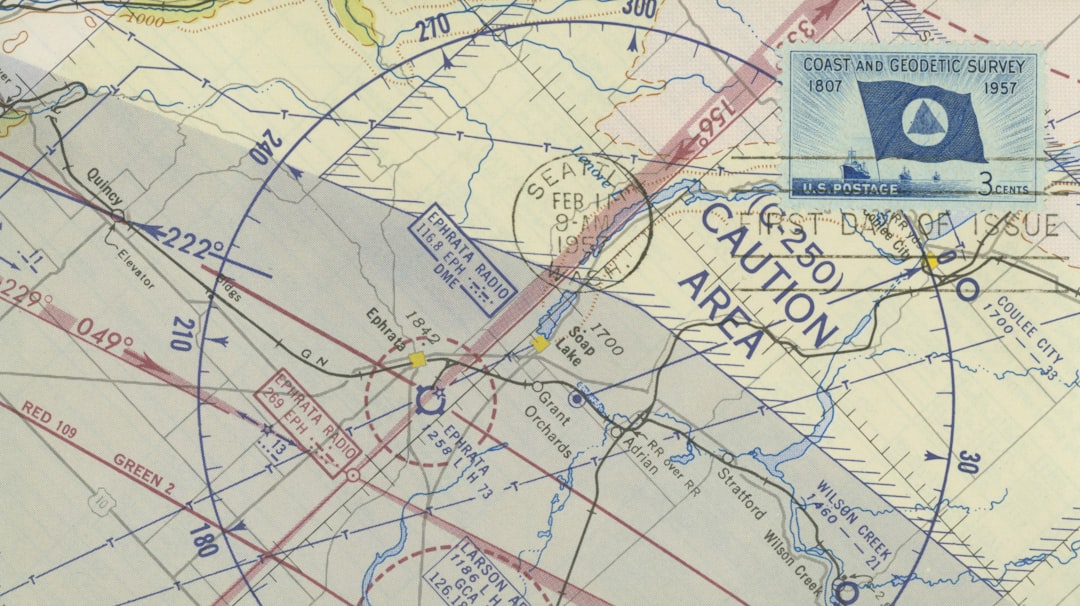
Cartographic analysis serves as a vital component in the field of geography, enabling researchers, planners, and decision-makers to visualize and interpret spatial data effectively.
As societies become increasingly data-driven, the importance of cartographic analysis has grown, allowing for enhanced understanding of spatial relationships and patterns that influence various aspects of life, from urban planning to environmental management.
The evolution of cartography has been profound, transitioning from traditional paper maps to sophisticated digital representations. This shift has not only expanded the tools available for cartographic analysis but has also democratized access to geographic information. Today, individuals and organizations can leverage advanced technologies to create dynamic maps that tell compelling stories about the world around them.
As such, cartographic analysis is not merely about producing maps; it is about interpreting data and communicating insights that can drive informed decision-making.
Key Takeaways
- Cartographic analysis integrates spatial data and GIS to effectively visualize geographic information.
- Remote sensing and diverse mapping techniques enhance the accuracy and depth of cartographic studies.
- Statistical analysis and geovisualization tools enable more insightful and interactive map interpretations.
- Advanced software supports complex cartographic tasks, demonstrated through practical case studies.
- Ethical considerations and emerging trends shape the responsible and innovative future of cartographic analysis.
Understanding Spatial Data and Geographic Information Systems (GIS)
At the heart of cartographic analysis lies spatial data, which refers to information that is associated with specific locations on the Earth’s surface. This data can take various forms, including points, lines, and polygons, each representing different geographic features such as cities, roads, and boundaries. Understanding spatial data is crucial for effective cartographic analysis, as it provides the foundation upon which maps are built.
The ability to manipulate and analyze this data allows cartographers to uncover patterns and relationships that may not be immediately apparent. Geographic Information Systems (GIS) play a pivotal role in managing and analyzing spatial data. These systems integrate hardware, software, and data to capture, store, analyze, and visualize geographic information.
GIS enables users to layer different types of data, facilitating a comprehensive understanding of spatial relationships. For instance, urban planners can use GIS to overlay demographic data with land use patterns, helping them make informed decisions about resource allocation and infrastructure development. The synergy between spatial data and GIS is essential for effective cartographic analysis, as it empowers users to derive meaningful insights from complex datasets.
Data Collection and Preparation for Cartographic Analysis
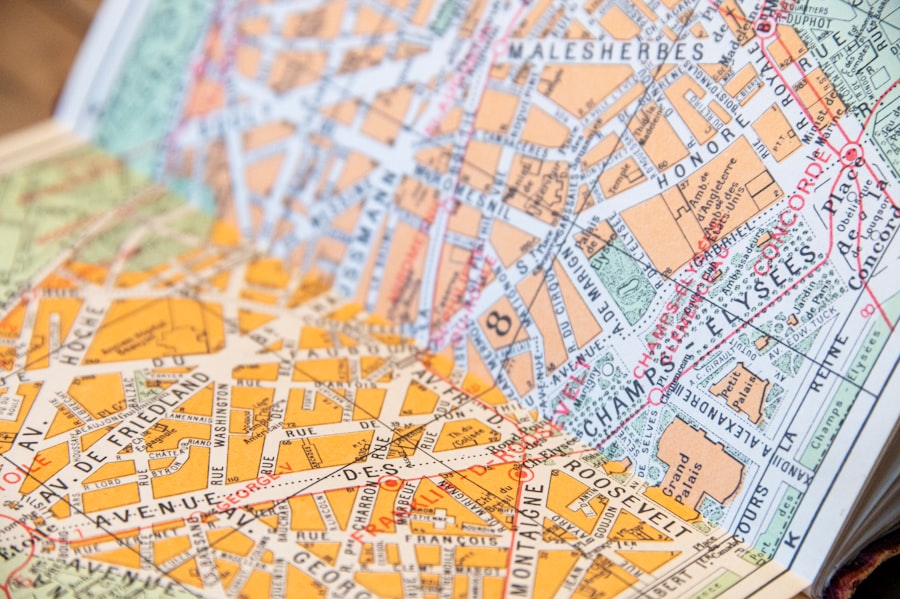
The process of cartographic analysis begins with data collection, which is a critical step that determines the quality and accuracy of the final map. Various methods can be employed to gather spatial data, including surveys, satellite imagery, and existing databases. Each method has its advantages and limitations; for example, satellite imagery provides a broad view of geographic features but may lack the detail required for specific analyses.
Conversely, ground surveys can yield highly accurate data but are often time-consuming and labor-intensive. Once data is collected, it must be prepared for analysis. This preparation involves cleaning and organizing the data to ensure its accuracy and usability.
Data cleaning may include removing duplicates, correcting errors, and standardizing formats. Additionally, data may need to be transformed or reprojected to fit a specific coordinate system or scale. This meticulous preparation process is essential for ensuring that the subsequent cartographic analysis yields reliable results.
Without proper data preparation, even the most sophisticated mapping techniques may lead to misleading conclusions.
Utilizing Remote Sensing for Cartographic Analysis
Remote sensing has revolutionized the field of cartographic analysis by providing a means to collect spatial data from a distance. This technology employs sensors mounted on satellites or aircraft to capture images of the Earth’s surface, allowing for the monitoring of changes over time. Remote sensing can provide valuable insights into land use changes, vegetation cover, and environmental conditions, making it an indispensable tool for cartographers.
The integration of remote sensing data into cartographic analysis enhances the depth of information available for mapping projects. For instance, by analyzing multispectral imagery, cartographers can distinguish between different types of vegetation or assess the health of crops in agricultural areas. Furthermore, remote sensing can facilitate large-scale assessments that would be impractical through ground surveys alone.
As technology continues to advance, the capabilities of remote sensing will only expand, offering even more opportunities for innovative cartographic analysis.
Exploring Different Mapping Techniques
| Method | Description | Common Applications | Key Metrics |
|---|---|---|---|
| Choropleth Mapping | Uses varying shades or colors to represent data values in predefined areas. | Population density, election results, disease incidence | Data classification accuracy, color contrast, spatial resolution |
| Isoline Mapping | Connects points of equal value with lines (contours). | Elevation, temperature, precipitation | Contour interval, line smoothness, data interpolation error |
| Dot Density Mapping | Represents quantities by placing dots within areas, each dot representing a fixed number. | Population distribution, resource allocation | Dot value, dot placement accuracy, visual density |
| Proportional Symbol Mapping | Uses symbols sized proportionally to the data value at specific locations. | City populations, economic indicators | Symbol scaling, overlap avoidance, data normalization |
| Cartogram | Distorts geographic areas to reflect a data variable. | Election results, demographic data | Area distortion, topology preservation, readability |
| Spatial Autocorrelation Analysis | Measures the degree to which similar values cluster spatially. | Crime hotspots, disease clustering | Moran’s I, Geary’s C, Getis-Ord Gi* |
| Kernel Density Estimation (KDE) | Estimates the probability density function of a random variable over space. | Crime analysis, wildlife habitat mapping | Bandwidth selection, density values, smoothing parameters |
Cartographers employ a variety of mapping techniques to convey information effectively. Each technique serves a specific purpose and is chosen based on the nature of the data being represented and the intended audience. Traditional techniques include choropleth maps, which use color gradients to represent statistical data across geographic areas, and dot density maps, which visualize the distribution of a phenomenon by placing dots within a defined area.
In recent years, more advanced mapping techniques have emerged due to technological advancements.
Additionally, 3D mapping techniques allow for a more immersive representation of geographic features, providing viewers with a better understanding of terrain and elevation changes.
By exploring these diverse mapping techniques, cartographers can tailor their visualizations to meet specific analytical needs and enhance communication with their audience.
Incorporating Statistical Analysis in Cartography
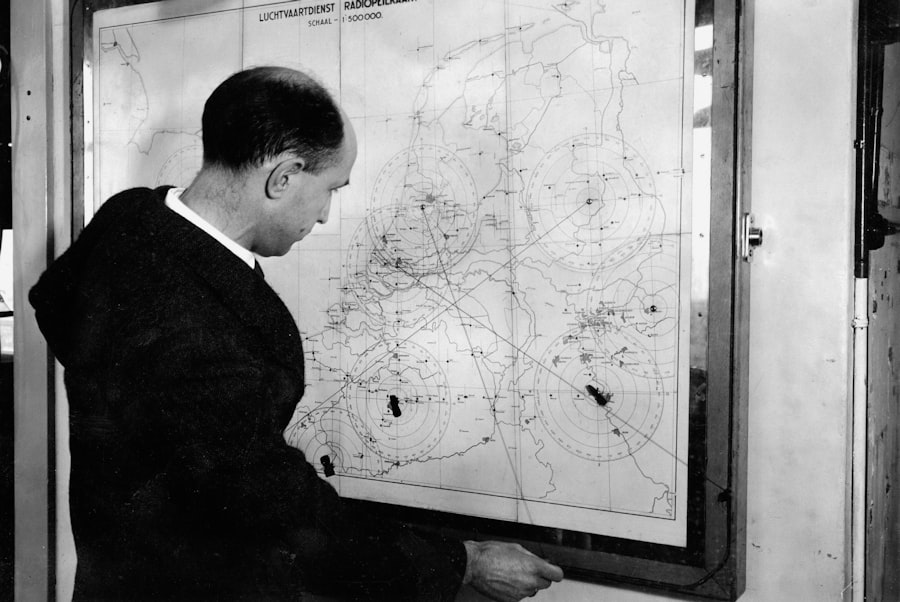
Statistical analysis plays a crucial role in cartographic analysis by providing a framework for interpreting spatial data quantitatively. By applying statistical methods, cartographers can identify trends, correlations, and anomalies within datasets that may not be immediately visible through visual inspection alone. For instance, regression analysis can help determine relationships between variables, such as population density and access to public services.
Incorporating statistical analysis into cartography also enhances the credibility of findings presented in maps. By grounding visualizations in empirical evidence, cartographers can support their conclusions with robust statistical backing. This approach is particularly important in fields such as public health or environmental science, where decisions based on inaccurate interpretations can have significant consequences.
As such, integrating statistical methods into cartographic analysis not only enriches the insights derived from spatial data but also strengthens the overall impact of the maps produced.
Geovisualization and Interactive Mapping
Geovisualization represents a significant advancement in cartographic analysis by allowing users to interact with maps in real-time. This approach combines traditional mapping techniques with interactive elements that enable users to explore data dynamically. Through geovisualization tools, users can manipulate variables, zoom in on specific areas, or filter information based on their interests.
Interactive mapping has transformed how individuals engage with geographic information. For example, urban planners can use interactive maps to visualize potential development scenarios based on different zoning regulations or population growth projections. Similarly, citizens can access interactive maps that display local resources or environmental hazards in their communities.
By fostering engagement and exploration, geovisualization enhances understanding and encourages informed decision-making among users.
Advanced Cartographic Analysis Tools and Software
The landscape of cartographic analysis has been significantly shaped by advancements in technology and software development. A plethora of tools are now available that cater to various aspects of cartography—from data collection and processing to visualization and sharing. Popular software such as ArcGIS and QGIS provide robust platforms for conducting comprehensive spatial analyses while offering user-friendly interfaces for map creation.
Moreover, open-source tools have democratized access to advanced cartographic capabilities. These platforms allow users from diverse backgrounds—whether academic researchers or community activists—to harness powerful mapping tools without prohibitive costs. As technology continues to evolve, new software solutions are emerging that incorporate artificial intelligence and machine learning algorithms into cartographic analysis.
These innovations promise to enhance predictive modeling capabilities and streamline workflows in ways previously unimaginable.
Case Studies in Cartographic Analysis
Examining case studies in cartographic analysis reveals the practical applications of mapping techniques across various fields. One notable example is the use of cartography in disaster management. During natural disasters such as hurricanes or wildfires, real-time mapping can provide critical information about affected areas, helping emergency responders allocate resources effectively and communicate risks to the public.
Another compelling case study involves urban planning initiatives that utilize cartographic analysis to address issues such as transportation accessibility or housing equity. By visualizing demographic trends alongside infrastructure development plans, planners can identify areas that require targeted interventions or investments. These case studies illustrate how cartographic analysis not only aids in understanding complex spatial phenomena but also informs actionable strategies that can lead to positive societal outcomes.
Ethical Considerations in Cartographic Analysis
As with any field that deals with sensitive information and representation, ethical considerations are paramount in cartographic analysis. The choices made during the mapping process—such as what data to include or how to represent certain features—can significantly influence public perception and policy decisions. Cartographers must be mindful of potential biases that may arise from selective data representation or misinterpretation.
Furthermore, issues related to privacy and consent are increasingly relevant in an era where personal data is often collected for mapping purposes. Cartographers must navigate these ethical dilemmas carefully to ensure that their work respects individual rights while still providing valuable insights into broader trends. By prioritizing ethical considerations in their analyses, cartographers can foster trust among stakeholders and contribute positively to societal discourse.
Future Trends in Cartographic Analysis
Looking ahead, several trends are poised to shape the future of cartographic analysis significantly. One prominent trend is the increasing integration of artificial intelligence (AI) into mapping processes. AI algorithms can automate tasks such as data classification or anomaly detection, allowing cartographers to focus on higher-level analytical tasks while improving efficiency.
Additionally, advancements in augmented reality (AR) and virtual reality (VR) technologies are set to revolutionize how geographic information is visualized and experienced. These immersive technologies offer new possibilities for engaging with spatial data in ways that traditional maps cannot achieve. As these trends continue to evolve alongside technological advancements, they will undoubtedly expand the horizons of cartographic analysis and its applications across various domains.
In conclusion, cartographic analysis stands at the intersection of technology and geography, providing essential tools for understanding our world through spatial representation. As this field continues to evolve with advancements in technology and methodologies, its significance will only grow in addressing complex challenges faced by societies today.
Cartographic analysis methods play a crucial role in understanding spatial relationships and patterns in various fields, including urban planning and environmental studies. For a deeper insight into these methods, you can explore the article available at this link, which discusses innovative approaches to cartographic analysis and their applications in real-world scenarios.
WATCH THIS! 🗺️ The Map That Proves Humans Explored Earth 5,000 Years Too Early
FAQs
What is cartographic analysis?
Cartographic analysis refers to the process of examining and interpreting maps to understand spatial patterns, relationships, and geographic phenomena. It involves using various techniques to analyze the visual and data components of maps.
What are common methods used in cartographic analysis?
Common methods include spatial analysis, thematic mapping, overlay analysis, buffer analysis, and network analysis. These methods help in identifying patterns, trends, and correlations within geographic data.
How does GIS relate to cartographic analysis?
Geographic Information Systems (GIS) are essential tools in cartographic analysis. GIS software allows users to create, manipulate, and analyze spatial data, facilitating advanced cartographic analysis through digital mapping and spatial data processing.
What types of data are used in cartographic analysis?
Cartographic analysis uses various types of spatial data, including vector data (points, lines, polygons), raster data (grids, satellite images), and attribute data that provide additional information about geographic features.
What is the importance of scale in cartographic analysis?
Scale is crucial because it determines the level of detail and extent of the area represented on a map. Accurate analysis depends on choosing an appropriate scale to ensure meaningful interpretation of spatial relationships.
Can cartographic analysis be used for decision-making?
Yes, cartographic analysis supports decision-making in fields such as urban planning, environmental management, transportation, and public health by providing spatial insights that inform policy and strategy development.
What role do thematic maps play in cartographic analysis?
Thematic maps highlight specific spatial themes or patterns, such as population density or land use. They are vital in cartographic analysis for visualizing and interpreting particular geographic phenomena.
Is cartographic analysis limited to digital maps?
No, cartographic analysis can be performed on both traditional paper maps and digital maps. However, digital tools have enhanced the capabilities and efficiency of cartographic analysis.
What skills are needed for effective cartographic analysis?
Effective cartographic analysis requires knowledge of geography, spatial data handling, GIS software proficiency, understanding of map design principles, and analytical skills to interpret spatial patterns accurately.
How does cartographic analysis contribute to geographic research?
Cartographic analysis provides a visual and analytical framework for exploring spatial data, enabling researchers to identify trends, test hypotheses, and communicate geographic information effectively.