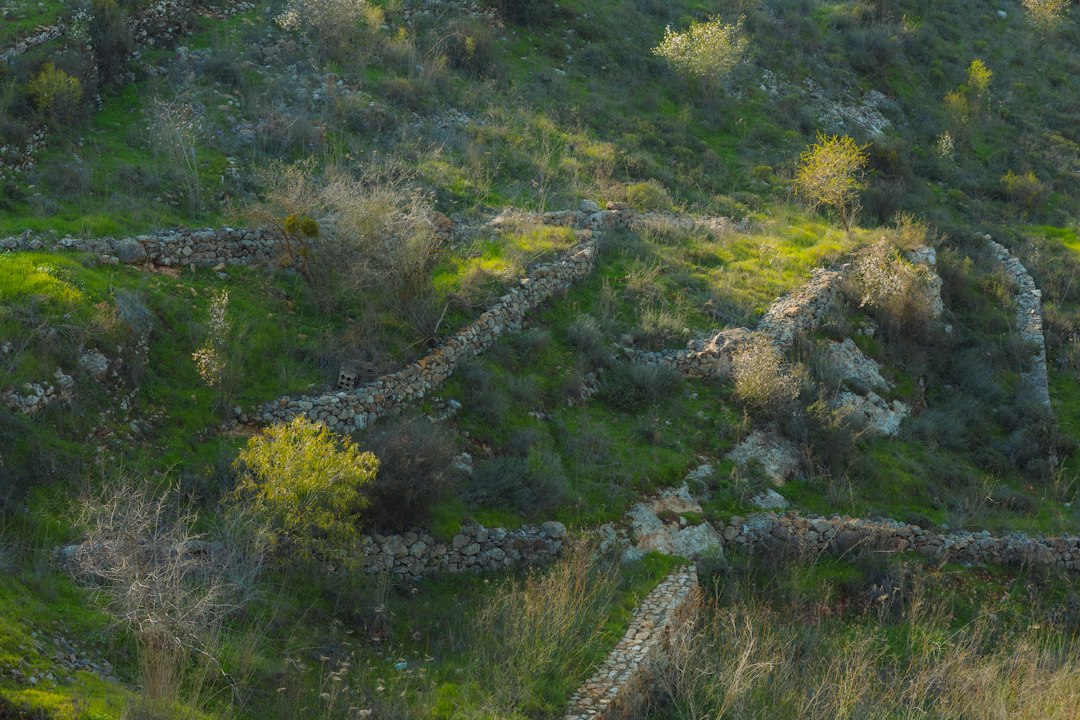
The dust of ages settles, but the indelible marks left by Roman military engineering on the landscape persist. Beyond mere conquerors, the Romans were master builders, and their roads, particularly those forged for military purposes, stand as a testament to their strategic brilliance and organizational prowess. These ancient routing models were not simply pathways; they were arteries of empire, crucial for the movement of legions, the swift delivery of supplies, and the projection of power across vast and often hostile territories. Understanding these networks offers a profound insight into Roman strategy, logistics, and their enduring impact on the development of Western civilization.
The Foundations of Roman Road Building
The Romans did not invent road construction, but they refined it to an unparalleled degree, establishing standards that would influence road building for centuries. Their approach was systematic and empirical, driven by the practical needs of an expanding military machine and the administration of a burgeoning empire. The philosophy behind Roman road construction was rooted in permanence, efficiency, and defense, qualities essential for military effectiveness.
The Principles of Roman Road Design
At the heart of Roman military road construction lay a set of fundamental principles. Foremost among these was the concept of a direct route. Roman engineers aimed to connect two points as straightly as possible, avoiding unnecessary detours that would slow down troop movements or lengthen supply lines. This directness was achieved through meticulous surveying, often employing sophisticated tools like the groma for laying out straight lines and establishing right angles. The landscape was adapted to their will rather than unduly circumvented. Gradients were considered, with steep inclines minimized through cutting into hillsides or constructing retaining walls, though in mountainous terrain, such compromises were sometimes unavoidable. Drainage was another critical consideration. Roman roads were not flat surfaces but were often crowned, meaning they were higher in the center than at the edges, allowing rainwater to run off into strategically placed ditches. This ensured the longevity of the road, preventing the erosion and degradation that would plague less well-constructed paths. The construction itself was a labor-intensive but highly organized process. Typically, a trench was dug to a considerable depth, and then layers of different materials were laid down. The lowest layer often consisted of large stones, followed by a mixture of smaller stones and gravel, and finally, a surface layer of tightly packed gravel or, in more important roads, paving stones (lapides). This multi-layered construction provided a stable, durable, and well-draining foundation capable of withstanding the passage of heavy legions and supply wagons in all but the most extreme weather conditions.
The Strategic Purpose of the Via Militaris
The term Via Militaris, Latin for “military road,” encapsulates the primary function of these extensive networks. While civilian travel and trade undoubtedly benefited from their existence, the overriding objective was military: to facilitate the rapid deployment and sustained presence of Roman legions across the empire. These roads enabled the swift suppression of rebellions, the timely reinforcement of distant garrisons, and the effective response to incursions by barbarian tribes. They served as conduits for communication, with horsemen relaying messages and orders across vast distances. Furthermore, the very presence of a well-maintained military road signaled Roman authority and control. It was a physical manifestation of their power, demonstrating their ability to impose order and project their military might into every corner of their dominion. The construction of these roads was often a direct consequence of military campaigns. After a region was subdued, Roman engineers would immediately begin constructing roads to consolidate control and prevent future uprisings. This proactive approach to infrastructure was as crucial to Roman expansion and maintenance of power as their formidable legions.
Ancient routing models, particularly those related to Roman military paths, provide fascinating insights into the strategic planning and logistical capabilities of the Roman Empire. These paths not only facilitated the movement of troops but also influenced trade and communication across vast territories. For a deeper understanding of how environmental factors have historically impacted migration and community dynamics, you can explore the article on this topic at Environmental Migration: Understanding the Impact on Communities. This article discusses the broader implications of migration patterns, which can be linked to the strategic routes established by ancient civilizations.
Roman Military Networks: An Empire Connected
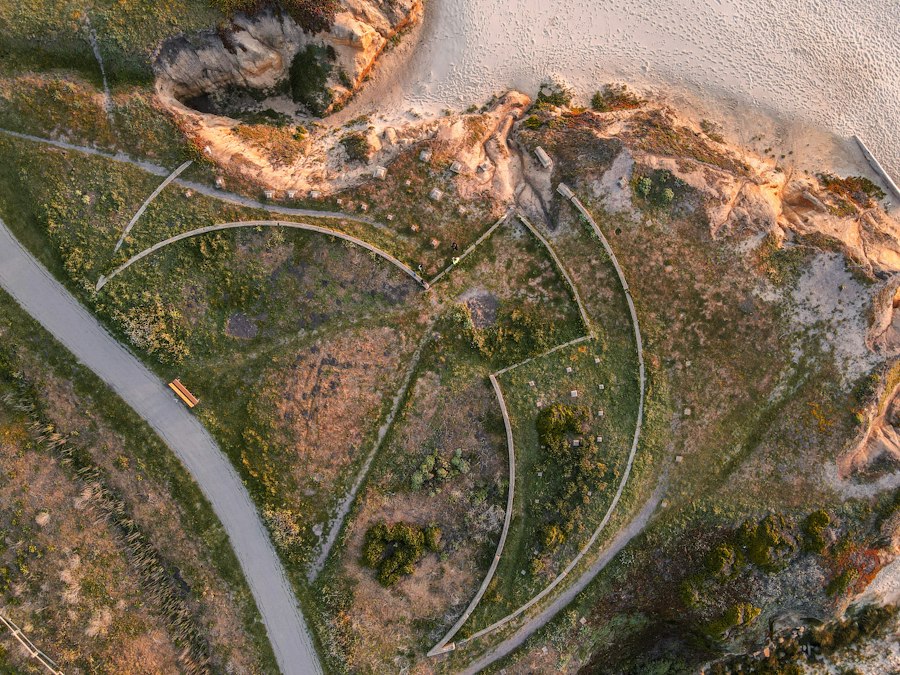
The Roman military road network was not a haphazard collection of tracks but a deliberately planned and integrated system that spanned the entirety of the empire. From the misty shores of Britain to the sun-baked deserts of North Africa, these roads formed a cohesive whole, enabling the swift movement of troops and supplies across unprecedented distances. This interconnectedness was a strategic masterpiece, allowing Rome to react with remarkable speed to threats and to maintain a consistent military presence wherever it was deemed necessary.
The Backbone of the Empire: Key Roman Roads
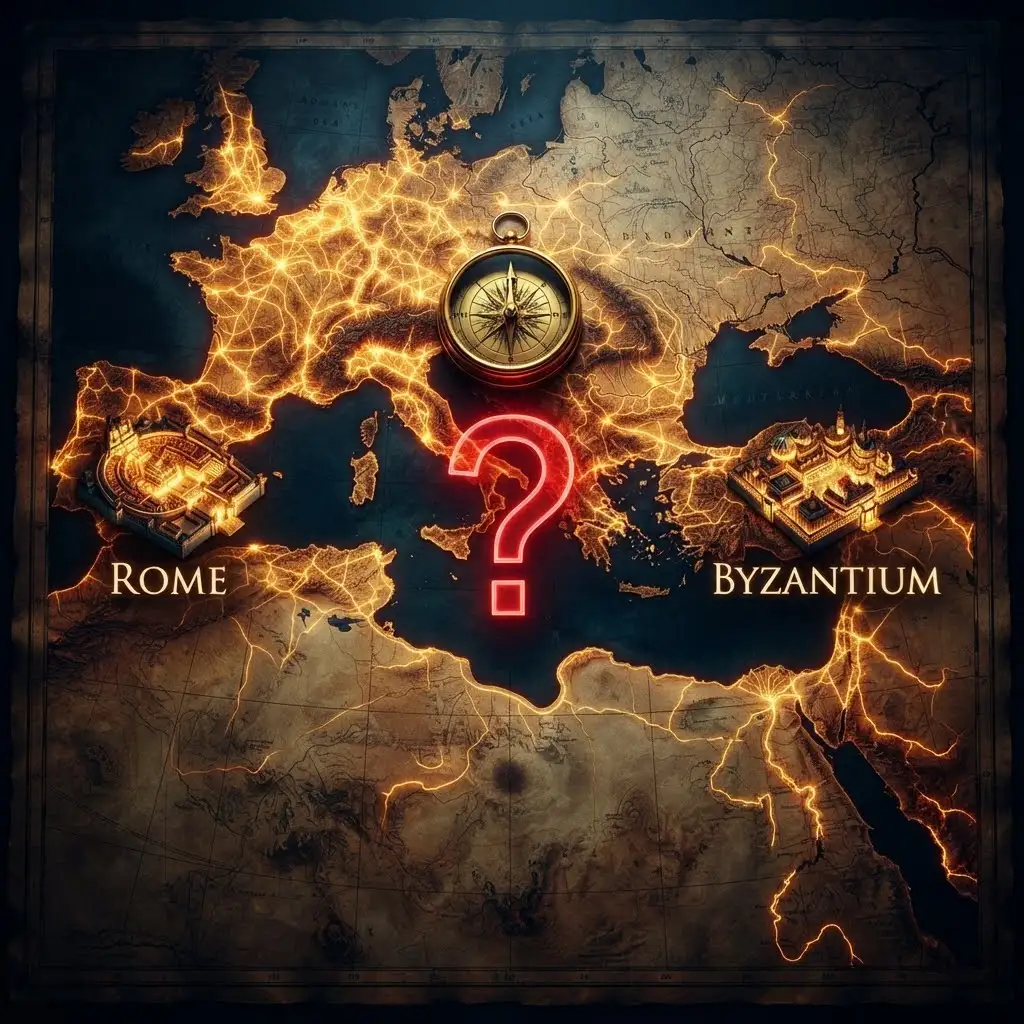
Several major arteries formed the backbone of this vast network, each with its own strategic significance. The Via Appia, stretching from Rome to Brundisium on the Adriatic coast, was one of the earliest and most important military roads, crucial for troop movements to Greece and the East. The Via Egnatia, traversing the Balkans from Dyrrhachium to Byzantium (later Constantinople), served a similar purpose, connecting Italy to the eastern provinces and facilitating the movement of troops towards the Danubian frontier and the East. In Gaul, the Via Domitia connected Italy to Spain, passing through important Roman settlements and providing access to strategic territories. In Britain, Watling Street and Ermine Street were vital for controlling the island and defending against northern incursions. These were not mere country lanes; they were robust, paved highways, often wide enough for several carts to pass abreast, built to withstand the rigors of constant military traffic. They were often marked with milestones, indicating distances and providing information about the reigning emperor, further reinforcing the imperial presence. The strategic placement of these roads was no accident; they were designed to link important legionary fortresses, supply depots, and strategic towns, creating a network of rapid deployment and communication that was unparalleled in the ancient world.
The Interconnectedness of Garrison and Frontier
The true genius of the Roman military road system lay in its interconnectedness. Roads were not built in isolation but were designed to link together, forming a cohesive network that allowed for flexible and rapid deployment. A legion stationed on the Rhine frontier, for example, could be swiftly reinforced by troops marching from Gaul or even Italy, thanks to the contiguous road system. This allowed Rome to concentrate its forces where they were most needed, often overwhelming potential adversaries with their ability to appear suddenly and in overwhelming numbers. Frontier regions were particularly well-served by this network. Roads ran parallel to borders, allowing for constant patrolling and rapid response to incursions. Fortified roads, often lined with ditches and ramparts, provided a secure passage for troops even in hostile territory. Supply lines were also optimized. The roads facilitated the efficient transport of grain, weapons, and equipment from the rich agricultural heartlands of the empire to the often sparsely populated frontier zones. This logistical superiority was a critical factor in Rome’s ability to maintain its vast territorial holdings for centuries.
The Role of Roads in Roman Expansion and Control
The construction of roads was intrinsically linked to Roman expansion. As new territories were conquered, engineers followed closely behind the legions, building roads to solidify control and integrate the newly acquired lands into the empire. These roads served as conduits for Romanization, facilitating the spread of Roman culture, language, and law. They also opened up new territories for economic exploitation, allowing for the easier transport of resources and trade goods. The roads were a constant reminder of Roman power and dominance. They were symbols of order imposed upon chaos, of civilization conquering barbarism. The ability to move troops and supplies rapidly along these well-maintained arteries meant that rebellions could be quickly suppressed, and the authority of Rome could be projected with undeniable force. In essence, the Roman road network was a vital tool of imperial governance, as crucial to maintaining the empire as its legions and its laws.
Beyond the Legions: Logistics and Communication Networks
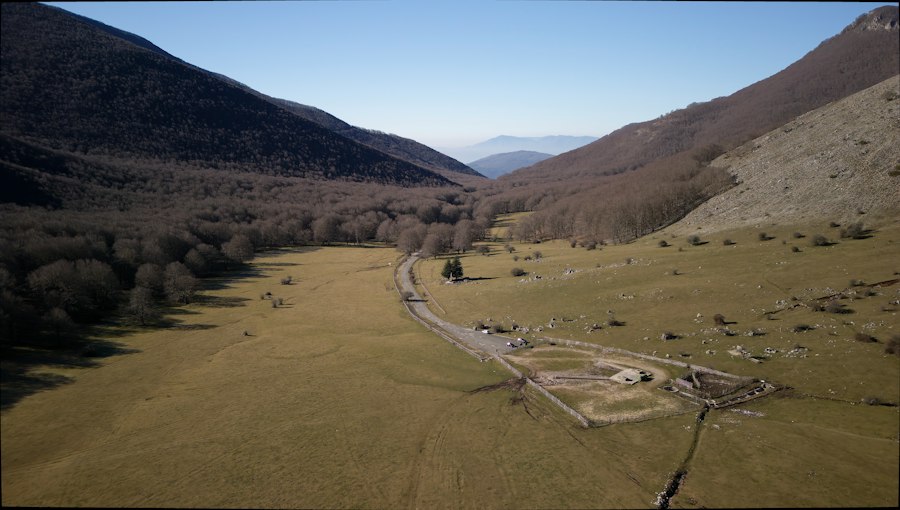
While the primary purpose of Roman military roads was troop movement, their utility extended far beyond the immediate needs of the battlefield. These meticulously constructed pathways formed the backbone of Roman logistics and communication, enabling the empire to function as a cohesive and efficient entity. The ability to move vast quantities of supplies and to transmit information rapidly was as vital to Rome’s enduring power as its military might.
The Lifelines of Empire: Roman Supply Chains
The sustenance of Roman legions, particularly those stationed on distant frontiers, depended entirely on a sophisticated and reliable supply chain. Roman military roads were the arteries of this system, enabling the continuous flow of essential goods from the agricultural heartlands to the legions. Grain, the staple diet of Roman soldiers, was transported in vast quantities, often in large wagons pulled by oxen. Weapons, armor, tools, and other military equipment were also manufactured in centralized arsenals and distributed throughout the empire via these roads. The construction of roads often coincided with the establishment of supply depots and granaries at strategic locations, ensuring that provisions were readily available. The efficiency of these supply chains was a testament to Roman organizational genius. They understood that a well-fed and well-equipped army was a formidable force, and the roads were instrumental in achieving this. The ability to sustain large armies in the field, often far from their home bases, was a key factor in Rome’s military successes.
The Speedy Dissemination of Information: Roman Messaging Systems
In an era without rapid communication technologies, Roman military roads played a crucial role in the dissemination of information. Messengers, often mounted on swift horses, would travel along these roads, carrying dispatches and orders from one end of the empire to another. The cursus publicus, the state-run postal service, utilized these roads, providing a reliable and relatively fast method of communication for official purposes. This system was essential for coordinating military operations, transmitting intelligence about enemy movements, and communicating governmental decrees. The existence of well-maintained roads meant that these messages could be delivered with a degree of speed and reliability that was revolutionary for its time. The speed at which news and orders could travel allowed for centralized command and control, enabling emperors and generals to react quickly to changing circumstances and maintain a coherent strategy across vast distances. The milestones that dotted the roads also served as a form of public information, displaying imperial decrees and pronouncements.
The Economic and Social Impact of Military Roads
While their primary purpose was military, Roman military roads had profound economic and social consequences that extended far beyond the needs of the legions. They facilitated trade and commerce by providing safe and efficient routes for merchants and their goods. This stimulated economic growth, allowing for the movement of raw materials to manufacturing centers and finished products to markets. The roads also fostered cultural exchange, connecting disparate regions and facilitating the spread of ideas, customs, and technologies. They enabled easier travel for administrators, officials, and even ordinary citizens, contributing to a sense of shared identity within the empire. In many cases, Roman roads served as the foundational infrastructure for the development of later settlements and towns, many of which grew around crucial road junctions and military outposts. Their enduring presence today, often still visible as linear features in the landscape or incorporated into modern road networks, is a testament to their enduring utility and the foresight of their Roman creators.
Engineering and Construction: The Roman Method
The construction of Roman military roads was a marvel of ancient engineering, characterized by meticulous planning, skilled craftsmanship, and a deep understanding of materials and terrain. The Romans did not simply lay down stones; they engineered enduring structures that could withstand the passage of legions, supply wagons, and the ravages of time and weather. Their methods were systematic and repeatable, ensuring a high standard of construction across the vast expanse of the empire.
Surveying and Planning: Laying the Groundwork
Before a single shovel of earth was turned, extensive surveying and planning took place. Roman engineers, equipped with tools like the groma (for establishing straight lines and right angles), the chorobates (a leveling instrument for determining gradients), and the dioptra (a more sophisticated surveying instrument), meticulously mapped out the intended route. Their primary goal was to achieve the most direct path possible between two points, while also considering factors like terrain, water sources, and the avoidance of excessively steep gradients. The agrimensores, or land surveyors, played a critical role in this initial phase, ensuring that the proposed route was practical and achievable. They would stake out the intended path, marking its width and boundaries. This careful planning minimized wasted effort and ensured that the road would be fit for its intended purpose.
Layered Construction: Building for Durability
The characteristic multi-layered construction of Roman roads was key to their remarkable durability. The process typically began with the excavation of a trench to a predetermined depth, often around three feet. The bottom of this trench was then filled with large, flat stones, providing a solid foundation. This was followed by a layer of smaller stones and rubble, which was compacted to create a stable base. Next came a layer of gravel, which further aided in drainage and provided a smooth surface. The uppermost layer, the actual road surface, varied depending on the importance of the road. For major military roads, this often consisted of carefully fitted polygonal paving stones (lapides) laid in a firm bed of mortar or sand. In less critical areas, a well-compacted layer of gravel or crushed stone might suffice. This layered approach provided excellent drainage, preventing water from seeping into the roadbed and causing frost damage or erosion. It also distributed the weight of passing traffic evenly, preventing the road from sinking or becoming rutted.
Drainage and Bridges: Overcoming Obstacles
The Romans understood that effective drainage was paramount to the longevity of their roads. They employed several techniques to ensure that water was carried away efficiently. The most common method was to crown the road surface, making it higher in the center than at the edges. This allowed rainwater to flow into meticulously constructed ditches that ran along either side of the road. These ditches were often lined with stones to prevent erosion. Where roads encountered streams or rivers, Roman engineers constructed sturdy bridges, many of which still stand today. These bridges were typically built using arches, a Roman innovation that allowed for strong, stable structures capable of spanning significant waterways. They were constructed from stone and reinforced with mortar, designed to withstand the flow of water and the weight of heavy traffic. The construction of tunnels through hillsides, though less common than bridges, also demonstrated their engineering ingenuity in overcoming natural obstacles to maintain their direct routes.
Ancient routing models, particularly those used by the Roman military, played a crucial role in the efficiency of their campaigns and the expansion of their empire. These meticulously planned paths not only facilitated troop movements but also enhanced trade and communication across vast distances. For a deeper understanding of how strategic routes influenced various aspects of ancient societies, you might find it interesting to explore the article on the Trading with the Enemy Act, which discusses the complexities of trade regulations and their historical implications. You can read more about it here.
The Enduring Legacy of Roman Military Routing
| Route Name | Region | Approximate Length (km) | Primary Use | Construction Period | Key Features |
|---|---|---|---|---|---|
| Via Appia | Italy (Rome to Brindisi) | 563 | Military and Trade | 312 BC | Stone paving, milestones, drainage systems |
| Via Egnatia | Balkans (Dyrrachium to Byzantium) | 1,120 | Military movement and communication | 2nd century BC | Bridges, way stations, strategic forts |
| Via Augusta | Hispania (Spain) | 1,500 | Military logistics and trade | 1st century BC | Roadside inns, mile markers |
| Fosse Way | Britannia (England) | 320 | Military supply and troop movement | 1st century AD | Straight alignment, forts along route |
| Via Claudia Augusta | Alps (Italy to Germany) | 540 | Military and trade across Alps | 1st century AD | Mountain passes, bridges, fortified stations |
The impact of Roman military roads and their underlying strategic principles extends far beyond the fall of the Western Roman Empire. These ancient networks served as blueprints for future infrastructure development, influencing the design and construction of roads for centuries. Their strategic implications continue to be studied, offering valuable lessons in logistics, connectivity, and the projection of power.
Foundation for Modern Infrastructure
The Roman road network laid the foundation for much of the infrastructure that developed in Europe. Many modern roads follow the ancient Roman routes, a testament to the initial planning and the strategic placement of these pathways. The principles of durable construction, straight routing, and effective drainage established by the Romans were adopted and adapted by subsequent generations of engineers. Even where the original Roman paving has long since disappeared, the underlying roadbed and the linear features they created often persist, guiding the course of modern transportation networks. The systematic approach to road building, from surveying to construction, set a precedent for organized infrastructure projects.
Strategic Lessons for Military and Civil Planners
The study of Roman military routing models offers profound strategic lessons that remain relevant today. The emphasis on directness, connectivity, and the integration of logistical support into military planning highlights the importance of infrastructure in enabling military effectiveness. The Romans understood that the ability to move troops and supplies rapidly and reliably was as crucial as battlefield tactics. Their networks demonstrate the power of interconnectedness, allowing for rapid response and concentration of force. Modern military planners and civil infrastructure developers can still glean valuable insights from the Roman approach to network design, considering factors such as redundancy, speed of deployment, and the integration of communication and logistical capabilities. The concept of building infrastructure not only for immediate needs but for long-term imperial control and economic development also resonates strongly.
A Testament to Roman Ingenuity and Vision
Ultimately, the Roman military road network stands as a monumental testament to Roman ingenuity, engineering skill, and strategic vision. These were not merely functional pathways but were meticulously crafted arteries of empire, designed to connect, control, and sustain a vast dominion. The durability of their construction, the sophistication of their engineering, and the sheer scale of their undertaking continue to inspire awe. They represent a remarkable achievement in human organization and a lasting legacy that has shaped the physical and strategic landscape of the Western world for over two millennia. The echoes of marching legions can still be faintly heard on these ancient stones, a reminder of the enduring power of Roman planning and the enduring impact of their extraordinary roads.
The 2.7% Statistic That Terrifies Roman Historians
FAQs
What were the main purposes of the ancient routing models used by the Roman military?
Ancient routing models were used by the Roman military for strategic planning, efficient movement of troops, communication, and supply logistics.
How did the Roman military create and maintain their network of paths and roads?
The Roman military utilized engineering skills to construct a vast network of roads and paths across their empire, often incorporating existing routes and improving them for military use.
What were some key features of the Roman military paths and roads?
Roman military paths and roads were known for their durability, straightness, and ability to withstand heavy traffic. They were often paved with stones or gravel and featured milestones for distance measurement.
How did the Roman military use their routing models for rapid deployment of troops?
By strategically planning and maintaining their network of paths and roads, the Roman military could quickly mobilize troops to respond to threats or engage in battles across their vast empire.
What impact did the Roman military paths and routing models have on the development of infrastructure and trade in the ancient world?
The Roman military paths and roads not only facilitated the movement of troops but also played a crucial role in the development of infrastructure, trade, and communication throughout the Roman Empire and beyond.