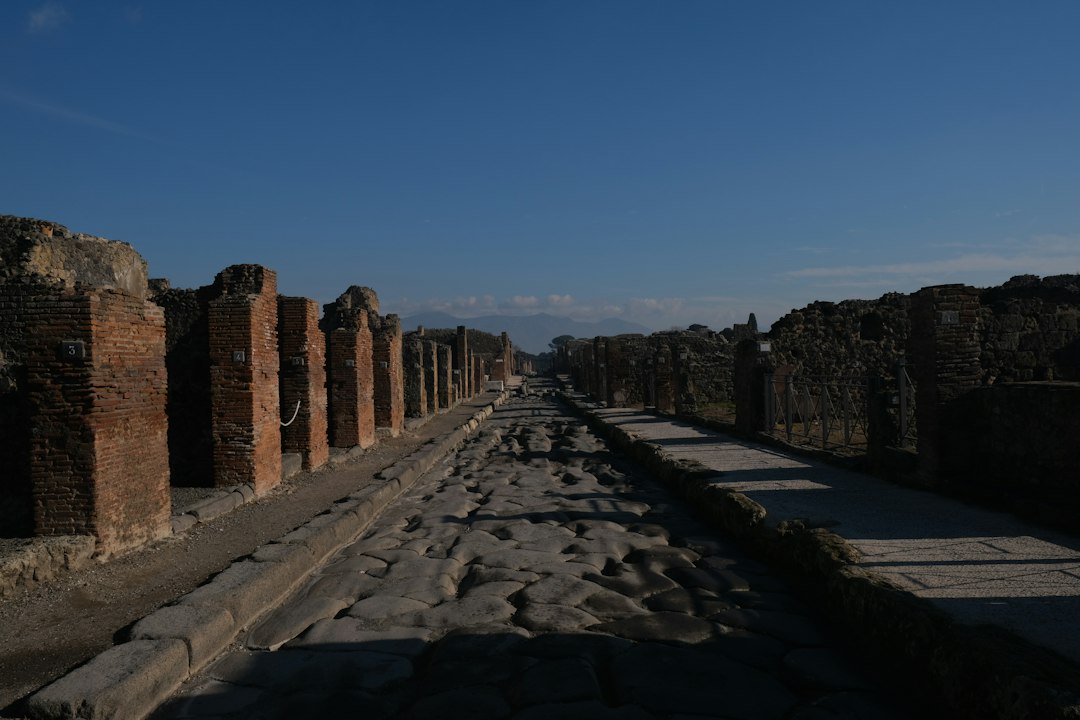
The Arteries of Empire: Roman Roads and Unprecedented Connectivity
The Roman Empire, a civilization that reshaped the ancient world, was built on a foundation of strategic prowess and organizational genius. While legions marched and aqueducts flowed, it was the vast network of Roman roads that truly bound this sprawling dominion together, facilitating communication, trade, and military movement with an efficiency previously unimaginable. These meticulously engineered pathways were not merely conduits for travel; they were the very arteries through which the lifeblood of the empire coursed, enabling its expansion, administration, and cultural dissemination. The sheer scale of their construction and the sophistication of their design speak volumes about Roman ingenuity and their understanding of the critical role of infrastructure in maintaining a vast and diverse territory.
The extensive network of Roman roads played a crucial role in connecting the vast territories of the Roman Empire, facilitating trade, military movement, and cultural exchange. These roads not only improved communication but also helped in the efficient administration of the empire, allowing for quicker responses to local issues. For a modern perspective on how infrastructure can enhance connectivity and economic benefits, you might find the article on nearshoring for U.S. companies interesting. It discusses the strategic advantages of optimizing supply chains and logistics, much like the Romans did with their road systems. You can read more about it here: Maximizing Benefits of Nearshoring for U.S. Companies.
Laying the Foundation: The Genesis of Roman Road Building
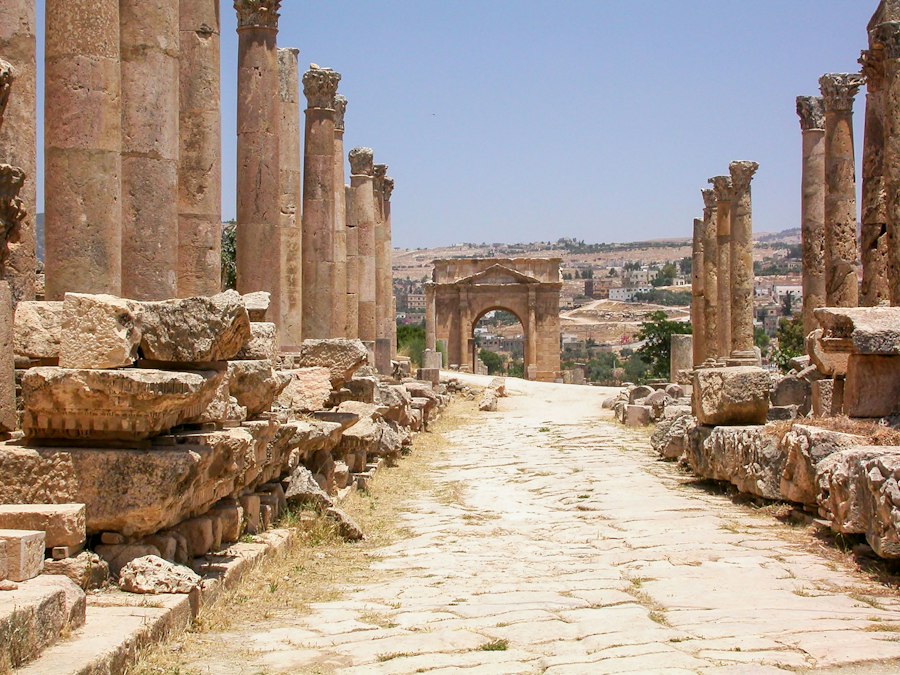
The Romans did not invent roads, but they elevated their construction and utilization to an art form. Prior to the Romans, most settlements were connected by rudimentary tracks or paths, often dictated by the terrain and the immediate needs of local populations. The Romans, however, approached road building with a systematic and ambitious vision, recognizing its profound strategic and economic implications. Their early forays into road construction were driven by military necessity. The constant need to move legions quickly to quell rebellions or defend borders demanded reliable and swift passage. The early Republic, facing threats from neighboring tribes, saw the strategic advantage of connecting Rome to its surrounding territories.
The Punic Wars and the Need for Mobility
The Punic Wars, a series of conflicts with Carthage spanning over a century, proved to be a pivotal catalyst for Roman road development. Fighting on multiple fronts, often far from Rome, exposed the limitations of existing communication and transportation methods. The ability to rapidly deploy troops and supplies was essential for victory. Consequently, the construction of major arteries radiating from Rome, such as the Via Appia, began to accelerate. This iconic road, initiated in 312 BCE by the censor Appius Claudius Caecus, was a testament to Roman resolve. It connected Rome to Capua, and its initial construction laid the groundwork for a comprehensive system that would eventually stretch across the entire Italian peninsula and beyond. The Via Appia, in particular, was renowned for its straightness, durability, and the sophisticated engineering techniques employed, setting a precedent for future constructions.
Engineering Prowess and Material Selection
Roman road construction was characterized by a remarkable degree of engineering skill and a pragmatic approach to materials. They understood that a road needed to withstand the constant passage of heavy traffic, including carts laden with goods and marching armies, and endure varying weather conditions. This led to the development of a layered construction method that provided both strength and drainage. Typically, a trench was dug, and layers of stones, gravel, and sand were compacted to form a stable base. The uppermost layer, the surface, was often paved with carefully fitted flagstones or, in some cases, a surface of hard-packed gravel. The Romans also paid meticulous attention to drainage, incorporating cambered surfaces to shed water and strategically placed ditches to prevent waterlogging, which could undermine the road’s integrity. The selection of materials was often dictated by local availability, but the emphasis was always on durability and suitability for the intended purpose. Quarried stone was preferred for paved surfaces, while compacted gravel served well in less demanding regions.
The Anatomy of a Roman Road: Design and Construction Techniques
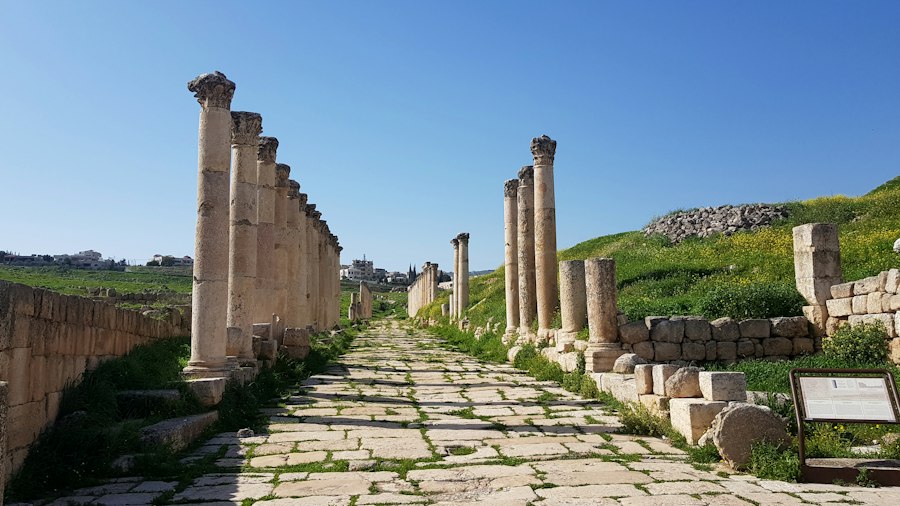
The meticulous planning and execution behind Roman roads are evident in their enduring remnants. These were not haphazard affairs; each road was a carefully designed infrastructure project, often with specific objectives in mind. The Romans aimed for directness, minimizing gradients and curves to facilitate swift movement. This focus on straightness, when feasible, was a defining characteristic, often achieved by cutting through hills and bridging valleys. The scale of these projects was immense, requiring significant labor forces, often comprised of legionaries themselves, who possessed the engineering skills and the disciplinary drive to undertake such demanding tasks.
The Strategic Straightness: Cutting Through Obstacles
A hallmark of Roman road design was their tendency towards straightness. This was not an arbitrary aesthetic choice but a practical one driven by the desire for speed and efficiency. A straight line is the shortest distance between two points, and for a military force or a merchant caravan, time was a critical factor. When faced with natural obstacles like hills or rivers, the Romans did not shy away from engineering solutions. They employed techniques such as cutting through hillsides to create a level passage and constructing impressive bridges and viaducts to span valleys and waterways. The iconic Pont du Gard in Gaul, a section of Roman aqueduct that also served as a bridge, exemplifies the multi-functional and grand scale of Roman engineering. These feats of construction not only ensured directness but also demonstrated a mastery over their environment, imposing Roman order onto the landscape.
Layered Construction: Durability and Drainage
The robust construction of Roman roads was crucial to their longevity and their ability to handle heavy traffic. The typical cross-section of a Roman road involved several distinct layers, each serving a specific purpose. At the bottom, large foundation stones were laid, providing a solid base. This was followed by layers of smaller stones, gravel, and sand, each compacted to create a stable and well-drained sub-base. The top surface, or pavement, was often made of large, flat paving stones (called summae stratae or pavimentum), meticulously fitted together. In less critical areas or for secondary roads, a surface of compacted gravel might be used. Crucially, the Romans understood the importance of drainage. They designed the roads with a slight camber (a convex surface) to allow water to run off quickly into side ditches. These ditches, known as fossae, were essential for preventing water from seeping into the roadbed and causing damage, particularly during the wet seasons. This layered approach ensured that the roads could withstand the rigents of weather and traffic for centuries, a testament to their engineering foresight.
Measuring and Maintaining: The Milestones and the Censors
The Romans understood the importance of scale and distance. To facilitate travel and administration, they erected milestones at regular intervals along their major roads. These milestones, or miliaria, typically marked distances in Roman miles (approximately 1,000 paces) from significant points, such as the nearest city or a major intersection. They often bore inscriptions detailing the emperor or official responsible for the road’s construction or maintenance, along with the distance to the next milestone or a major destination. These markers provided invaluable information for travelers, couriers, and the military, allowing them to gauge their progress and plan their journeys. Furthermore, the maintenance of these roads was a continuous undertaking. Officials known as censors were responsible for overseeing public works, including the upkeep of roads. They ensured that repairs were carried out promptly, and that the roads remained in good condition to serve their vital functions. This systematic approach to measurement and maintenance was crucial to the enduring efficacy of the Roman road network.
The Social and Economic Impact: Roads as Connectors
The Roman road network was far more than a logistical marvel; it was a powerful engine of social and economic integration. It facilitated the movement of people, goods, and ideas, breaking down geographical barriers and fostering a sense of shared identity within the empire. The ability to travel safely and efficiently allowed for the dissemination of Roman culture, law, and language, and stimulated unprecedented levels of trade and economic activity. The roads were the conduits through which the empire’s prosperity flowed, connecting producers to consumers and fostering the growth of cities and towns along their routes.
The Engine of Trade: Markets and Merchant Caravans
The Roman roads were the lifelines of commerce. They enabled merchants to transport goods across vast distances with relative speed and security. Before the Roman roads, long-distance trade was often perilous and time-consuming, relying on sea routes or difficult overland paths. The well-maintained and relatively safe roads, patrolled by Roman legions, significantly reduced these risks. Caravans laden with exotic goods from the East, agricultural produce from the provinces, and manufactured items from Roman workshops traversed these highways. Ports and river junctions became bustling hubs of exchange, and towns strategically located along the roads flourished as centers of trade and hospitality. The economic boom generated by this interconnectedness was a significant factor in the empire’s wealth and stability. The ability to move goods efficiently also led to greater specialization and diversification of economies across the empire, with regions developing expertise in producing specific commodities.
The Spread of Culture and Language: Romanization on the Move
The Roman roads played a crucial role in the process of Romanization, the assimilation of conquered peoples into Roman culture, language, and way of life. As legions marched, administrators traveled, and merchants plied their trade, they carried with them the Latin language, Roman customs, and legal principles. The roads facilitated the spread of Roman settlements, or coloniae, which often became centers of Roman culture in the provinces. Latin, initially the language of Rome, gradually became the lingua franca of the empire, especially in its western territories, largely due to its prevalence on these vital communication routes. The shared experience of traversing these roads, interacting with people from different regions, and participating in a common economic system fostered a sense of belonging to a larger Roman world. This cultural diffusion, facilitated by the roads, contributed to the remarkable longevity of Roman influence long after the empire’s political collapse.
The Military Might: Rapid Deployment and Control
The strategic importance of the Roman roads for military purposes cannot be overstated. They were constructed with the primary aim of enabling the swift and efficient movement of legions. In an empire constantly facing external threats and internal unrest, the ability to deploy troops rapidly to any given point was a paramount concern. Roads allowed legions to march at a brisk pace, covering significant distances in a single day. This speed was crucial for responding to invasions, suppressing rebellions, and projecting Roman power. Furthermore, the roads facilitated the supply of provisions and equipment to distant garrisons, ensuring their operational readiness. The presence of well-maintained roads also allowed for easier troop rotations and the reinforcement of frontier defenses. The Roman road network was, in essence, a military infrastructure that provided unparalleled strategic mobility and control over the vast territories of the empire.
The extensive network of Roman roads played a crucial role in connecting the vast territories of the Roman Empire, facilitating trade, military movement, and cultural exchange. These roads not only linked major cities but also helped in the efficient administration of the empire. For a fascinating exploration of how ancient maps, like the Piri Reis map, reveal insights into historical navigation and geography, you can read more in this article about decoding the Piri Reis map. This connection between infrastructure and exploration highlights the importance of communication and logistics in shaping ancient civilizations.
The Enduring Legacy: Roman Roads in the Modern World
| Metric | Value | Description |
|---|---|---|
| Total Length | ~400,000 km (250,000 miles) | Estimated total length of Roman roads throughout the empire at its peak. |
| Primary Roads | ~80,500 km (50,000 miles) | Main roads connecting major cities and military bases. |
| Road Width | 4.1 to 6 meters (13.5 to 20 feet) | Typical width allowing two-way chariot and cart traffic. |
| Average Distance Between Mansiones | 25-30 km (15-19 miles) | Distance between official stopping points for rest and resupply. |
| Travel Speed | Up to 50 km/day (31 miles/day) | Estimated speed of Roman couriers using the road network. |
| Number of Provinces Connected | ~40 | Number of provinces linked by the road system at the empire’s height. |
| Military Mobility | Significantly Improved | Enabled rapid deployment of legions across vast distances. |
| Economic Impact | High | Facilitated trade, tax collection, and integration of markets. |
The impact of Roman roads extends far beyond the fall of the Western Roman Empire. Their remarkable construction has ensured that many of these ancient arteries have survived, in various states of preservation, for millennia. These remnants continue to offer invaluable insights into Roman engineering, urban planning, and the socio-economic fabric of the ancient world. Moreover, the principles of Roman road construction and their understanding of connectivity have influenced modern infrastructure development, serving as a foundational blueprint for the road networks that crisscross the globe today.
Surviving Remnants: Echoes of an Ancient Network
Even today, sections of Roman roads can be found remarkably intact across Europe, North Africa, and the Middle East. These surviving segments, often paved with their original stones, serve as tangible links to the past. Walking or cycling on these ancient pathways offers a unique and profound experience, allowing one to connect with the very routes that facilitated the movement of legions, traders, and emperors centuries ago. Archaeologists and historians continue to study these remnants, piecing together the vastness of the Roman network and learning about the daily lives of those who traversed them. The sheer durability of their construction, utilizing techniques and materials that have withstood the ravages of time, is a testament to their engineering brilliance. Many of these historical routes have even been incorporated into modern road systems, a silent acknowledgment of their enduring utility.
A Blueprint for Connectivity: Influencing Modern Infrastructure
The Romans’ approach to road building set a precedent for subsequent generations. Their emphasis on systematic planning, durable construction, and a comprehensive network of interconnected routes laid the groundwork for modern infrastructure development. The concept of a well-connected empire, facilitated by efficient transportation, was not lost on later civilizations. While modern technology has advanced, the fundamental principles of creating direct, stable, and well-drained pathways remain relevant. The legacy of Roman roads can be seen in the straightness of many modern highways, the importance of sturdy foundations, and the recognition that efficient transportation is vital for economic prosperity and national unity. The Roman achievement serves as a constant reminder that investing in infrastructure is investing in the future.
The Symbol of Unity: Bridging Cultures and Continents
More than just a feat of engineering, Roman roads became enduring symbols of the empire’s ambition to unite diverse peoples under a common rule. They represented a shared infrastructure that transcended regional differences and facilitated interaction between disparate cultures. The ease of travel and trade fostered by these roads contributed to a sense of imperial identity, however imperfectly realized. Even after the empire’s decline, the roads themselves continued to serve as important communication and trade routes, often forming the backbone of nascent kingdoms and principalities. Their legacy is not just in the stones and mortar, but in the enduring idea that connectivity is a powerful force for integration, prosperity, and the forging of common destinies. The Roman roads stand as a monumental testament to how infrastructure can be a powerful tool for shaping history, fostering empires, and connecting humanity.
The 2.7% Statistic That Terrifies Roman Historians
FAQs
1. How did Roman roads benefit the empire?
Roman roads played a crucial role in connecting the vast Roman Empire, facilitating trade, communication, and the movement of troops and goods across long distances efficiently.
2. What materials were used to construct Roman roads?
Roman roads were typically constructed using several layers of materials, including a foundation of stones or gravel, a layer of sand or mortar, and finally a top layer of tightly fitted stones or bricks known as “pavement.”
3. How were Roman roads built in a straight line?
Roman engineers used advanced surveying techniques such as the groma, a simple surveying tool, to ensure that roads were built in a straight line over varying terrains, hills, and valleys.
4. What was the significance of mile markers on Roman roads?
Mile markers, known as “miliaria,” were placed along Roman roads to indicate distances to important cities, landmarks, or military outposts, helping travelers navigate and estimate travel times.
5. How did Roman roads influence the development of modern road systems?
The advanced engineering techniques and infrastructure innovations used in constructing Roman roads served as a model for future road-building projects, influencing the development of modern road systems around the world.