
The story of human civilization is inextricably linked to its ability to move people, goods, and ideas. From the earliest footpaths to the sophisticated highways and waterways of antiquity, the development of transportation networks has been a fundamental driver of social, economic, and political evolution. Infrastructure science, a multidisciplinary field that examines the design, construction, operation, and maintenance of these vital systems, offers a powerful lens through which to understand these ancient networks. By applying modern analytical tools and conceptual frameworks, researchers can uncover profound insights into the ingenuity, challenges, and lasting impact of early transportation systems. This exploration delves into the multifaceted world of ancient transportation, revealing how infrastructure science illuminates its significance.
The Arteries of Empire: Roads and Their Strategic Significance
Ancient roads were far more than mere dirt tracks; they were carefully engineered arteries that facilitated the expansion and administration of empires. The Romans, perhaps the most renowned road builders of the ancient world, understood the strategic imperative of robust transportation infrastructure. Their vast network of paved roads, exemplified by the Appian Way, was not just for civilian travel but was crucial for the rapid deployment of legions, the efficient collection of taxes, and the swift communication of imperial decrees. Infrastructure science helps us understand the principles behind their enduring construction, the materials used, and the economic and social consequences of such an integrated system.
Roman Engineering Prowess: Materials and Construction Techniques
The success of Roman roads lies in their sophisticated engineering. Far from being simply flattened earth, these were layered structures designed for durability and longevity. Typically, a Roman road would consist of several strata, beginning with a foundation of large stones, followed by layers of smaller stones and gravel, and finally topped with a meticulously paved surface of tightly fitted polygonal stones or flagstones. This layered approach provided excellent drainage, preventing water from undermining the roadbed and contributing to its remarkable resilience. Infrastructure science examines the biomechanics of these layers, the load-bearing capacities of different materials, and the long-term performance under various environmental conditions. The choice of materials, often sourced locally but sometimes transported over significant distances, also speaks volumes about logistical capabilities and resource management. The sheer scale of these projects required immense organization, labor, and planning, demonstrating a sophisticated understanding of project management and resource allocation that predates modern notions of such disciplines.
The Economic Impact of Roman Roads
The economic ramifications of the Roman road system were transformative. By reducing travel times and improving the reliability of transport, these roads facilitated trade on an unprecedented scale. Merchants could move goods more efficiently, leading to greater market integration and specialization. Agricultural produce from distant regions could reach urban centers, and manufactured goods could be distributed widely. Infrastructure science can model the economic benefits by analyzing the reduction in transportation costs, the increase in trade volume, and the creation of economic hubs along these routes. Furthermore, the construction and maintenance of these roads provided significant employment, stimulating local economies. The standardization of road widths and construction also contributed to a degree of predictability in trade and travel, fostering a more stable economic environment.
The study of ancient transportation infrastructure networks provides fascinating insights into the development of early civilizations and their interactions with the environment. A related article that delves into the geological aspects influencing such networks is available at this link: Geological Evidence of Subglacial Antarctica. This article explores how geological formations and subglacial environments can impact transportation routes, offering a broader understanding of how ancient societies adapted to their landscapes.
Navigating the Currents: Waterways as Ancient Superhighways
While roads connected overland territories, rivers, canals, and coastal routes formed equally vital transportation networks for ancient civilizations. Water offered a more energy-efficient means of transporting heavy goods over long distances, making it the backbone of many economies. From the Nile’s lifeblood for ancient Egypt to the extensive canal systems of Mesopotamia and the maritime trade routes of the Mediterranean, waterways were indispensable for commerce, communication, and cultural exchange. Infrastructure science allows us to analyze the hydrological challenges, engineering feats, and the strategic importance of these liquid highways.
The Engineering of Canals and Harbors
The construction of artificial waterways, such as canals, required considerable engineering skill. Ancient peoples had to contend with terrain, water management, and navigation. The Grand Canal of China, begun in the 5th century BCE and significantly expanded over centuries, is a testament to this. Its construction involved overcoming geographical barriers and managing water levels through locks and aqueducts. Infrastructure science can assess the hydraulic principles involved, the stability of canal banks, and the effectiveness of ancient water control mechanisms. Similarly, the development of sophisticated harbors and port facilities, with breakwaters, docks, and warehousing, was crucial for facilitating maritime trade. Understanding the design of these structures, their resistance to erosion and wave action, and their capacity for handling vessels provides insights into the advanced maritime engineering of the time.
The Flow of Goods and Ideas: Maritime Trade Routes
The Mediterranean Sea, in particular, was a vast highway connecting diverse cultures and economies for millennia. Phoenicians, Greeks, Romans, and later civilizations all relied on maritime trade routes to exchange commodities like grain, wine, olive oil, metals, and luxury goods. Infrastructure science helps us understand the navigational challenges of ancient seafaring, including the limitations of celestial navigation, the reliance on coastal landmarks, and the development of ship design to cope with varying sea conditions. The economic impact of these routes was immense, fostering the spread of technologies, religions, and artistic styles. Analyzing the distribution of traded goods, as evidenced by archaeological finds of pottery, amphorae, and other artifacts, allows infrastructure scientists to map ancient trade flows and understand the interconnectedness of these societies. The development of port cities as centers of commerce and culture is also a direct consequence of these maritime networks.
The Power of the Pack: Animal and Human-Powered Networks

Before the advent of large-scale mechanical transportation, the movement of goods and people relied heavily on the strength of animals and the endurance of humans. Pack animals, such as donkeys, mules, and camels, were essential for traversing challenging terrain where wheeled vehicles were impractical. Similarly, human porters played a crucial role in many societies. Infrastructure science can analyze the efficiency of these methods, the development of specialized paths and trails, and the logistical demands they placed on communities.
Trail Networks and Their Design
The seemingly simple networks of trails and paths were the precursors to more formalized roads. These were often developed organically, following the most efficient routes dictated by topography, water sources, and natural barriers. Infrastructure science can apply principles of network analysis to understand the formation and optimization of these trail systems. Factors such as gradient, surface conditions, and proximity to resources would have influenced their design and usage. The presence of watering holes, rest stops, and even rudimentary inns along these routes further highlights a form of proto-infrastructure development. Understanding the capacity and limitations of these trails for carrying loads and accommodating traffic provides a valuable perspective on the constraints and ingenuity of ancient transport.
The Role of Domesticated Animals in Transportation
The domestication of animals revolutionized ancient transportation. Donkeys and mules were particularly well-suited for carrying heavy loads on uneven terrain, while camels became indispensable for long-distance travel across arid regions. Infrastructure science can examine the biomechanics of these animals, their carrying capacity, and the development of appropriate harnesses and pack saddles. The breeding and management of these animals represent a form of biological infrastructure, contributing significantly to economic and social development. The reliability and predictability of animal-powered transport enabled the establishment of regular trade routes and the movement of essential resources to remote settlements.
The Dynamics of Water Management: Irrigation and Inland Waterways
Beyond large navigable rivers, smaller waterways and sophisticated irrigation systems also played a vital role in ancient societies, often intertwined with transportation. While primarily focused on agriculture, these systems facilitated local movement of goods and materials, especially in regions where overland transport was difficult. Infrastructure science can shed light on the engineering principles behind ancient dams, canals, and aqueducts, and their dual role in both sustenance and mobility.
The Engineering of Ancient Irrigation Systems
The meticulous construction of irrigation systems, such as those found in Mesopotamia and the Indus Valley, demonstrates a deep understanding of hydrology and civil engineering. These systems not only delivered water to crops but also often created navigable channels for smaller boats and rafts. Infrastructure science examines the design of these canals, the control of water flow, and the prevention of siltation. The labor required for their construction and maintenance speaks to the organized societal efforts that underpinned these essential infrastructures. The ability to control water resources through these systems also had significant implications for settlement patterns and agricultural productivity, indirectly influencing the demand for and patterns of transportation.
Inland Navigation and Local Commerce
In many regions, a network of smaller rivers, streams, and man-made canals provided vital arteries for local commerce. These waterways allowed for the transport of agricultural produce, raw materials, and finished goods between villages and towns, often bypassing the need for extensive overland travel. Infrastructure science can analyze the navigability of these ancient inland waterways, considering factors like water depth, current speeds, and the presence of natural obstacles. The development of specialized boats and barges for these routes further illustrates the adaptation of technology to specific environmental conditions. The economic vitality of many ancient settlements was directly linked to their access to and utilization of these inland water routes.
The study of ancient transportation infrastructure network science reveals fascinating insights into how early civilizations optimized their routes for trade and communication. A related article discusses innovative technologies used by ancient cultures, such as solar furnaces, which played a crucial role in their development. For more information on this topic, you can explore the article on harnessing ancient solar furnace technology. Understanding these advancements not only sheds light on their engineering prowess but also highlights the interconnectedness of their transportation systems.
Legacy and Lessons: Infrastructure Science’s Enduring Relevance
| Ancient Civilization | Type of Transportation Infrastructure | Approximate Length (km) | Primary Materials Used | Purpose | Network Complexity (Nodes) | Estimated Construction Period |
|---|---|---|---|---|---|---|
| Roman Empire | Roads (Viae) | 80,000 | Stone, Concrete, Gravel | Military, Trade, Communication | 1000+ | 500 BCE – 400 CE |
| Inca Empire | Roads (Qhapaq Ñan) | 40,000 | Stone, Earth | Military, Trade, Administration | 600+ | 1400 – 1533 CE |
| Ancient Egypt | Canals and River Routes | 1,000+ | Earth, Stone | Irrigation, Transport, Trade | 200+ | 3000 BCE – 1000 BCE |
| Mesopotamia | Canals and Roads | 500+ | Earth, Mudbrick | Agriculture, Trade, Communication | 150+ | 3500 BCE – 500 BCE |
| Ancient China | Roads and Canals | 10,000+ | Stone, Earth, Wood | Trade, Military, Communication | 800+ | 2000 BCE – 200 CE |
The study of ancient transportation networks through the lens of infrastructure science offers more than just historical curiosity. It provides invaluable lessons for contemporary challenges and highlights the timeless principles of effective infrastructure development. The ingenuity displayed by ancient civilizations in overcoming environmental and technological constraints continues to inspire.
Resilience and Sustainability in Ancient Design
Ancient infrastructure, despite its often simpler materials and technologies, demonstrated remarkable resilience and longevity. Roman roads, Egyptian canals, and Greek harbors, some of which still exist in some form today, are testaments to their enduring quality. Infrastructure science can identify the design principles that contributed to this longevity, such as the emphasis on proper drainage, the use of locally sourced durable materials, and a deep understanding of local environmental conditions. These ancient approaches offer insights into building sustainable infrastructure that can withstand the test of time and varying environmental pressures, a crucial consideration in an era of climate change.
The Interconnectedness of Infrastructure and Society
Perhaps the most profound insight from studying ancient transportation networks is the inextricable link between infrastructure and the development of human societies. The ability to move people and goods facilitated the growth of cities, the expansion of empires, the spread of knowledge, and the flourishing of trade. Infrastructure science helps us to quantify these impacts and understand how the design and evolution of transportation networks shaped social structures, economic systems, and political landscapes. The legacy of these ancient networks continues to influence modern transportation planning, reminding us that robust infrastructure is not merely a utilitarian concern but a fundamental pillar of civilization. By understanding the successes and failures of the past, we can better design and manage the infrastructure that will shape our future.
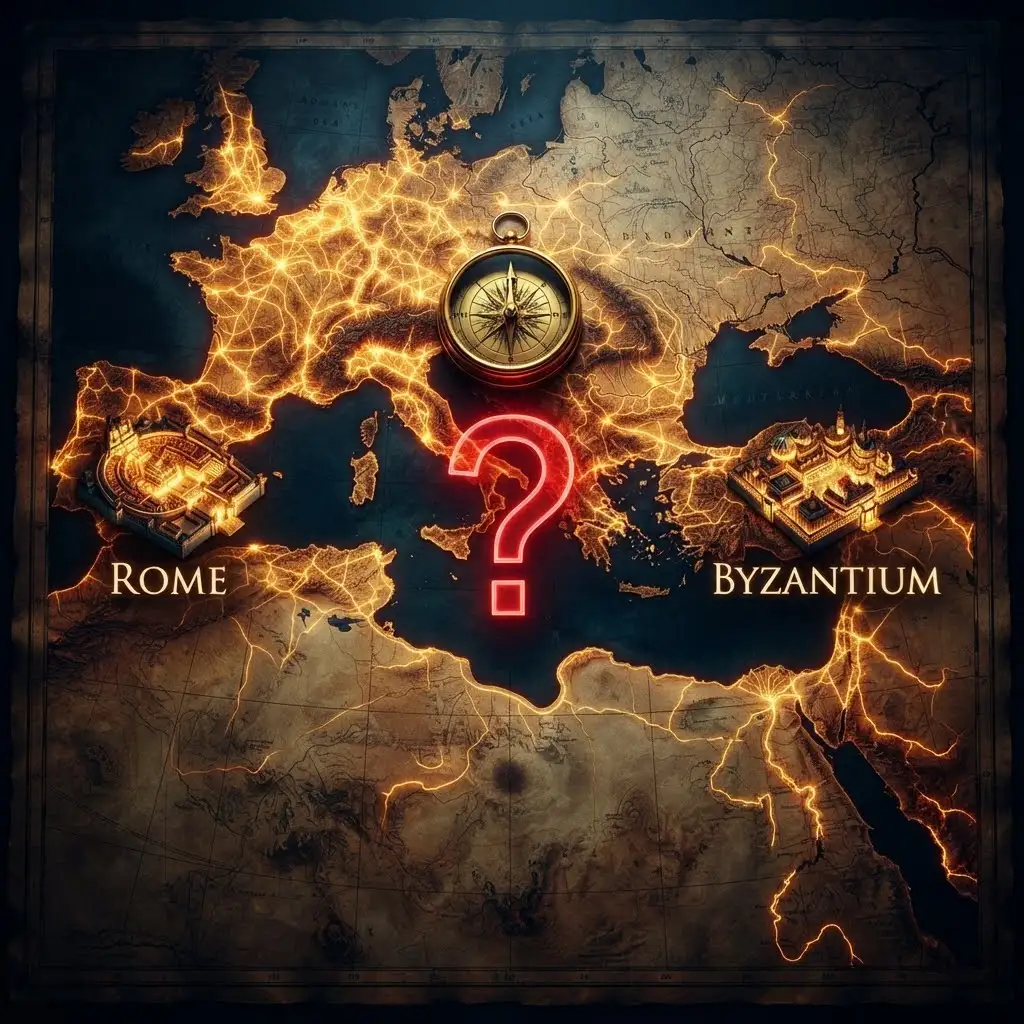
The 2.7% Statistic That Terrifies Roman Historians
FAQs
What is ancient transportation infrastructure network science?
Ancient transportation infrastructure network science is the study of the interconnected system of roads, bridges, canals, and other transportation routes used by ancient civilizations to facilitate trade, communication, and travel.
How did ancient civilizations develop their transportation infrastructure networks?
Ancient civilizations developed their transportation infrastructure networks through careful planning, engineering, and construction techniques using locally available materials such as stone, wood, and clay. They often utilized slave or forced labor to build these networks.
What were some key benefits of ancient transportation infrastructure networks?
Some key benefits of ancient transportation infrastructure networks included improved trade routes, faster communication between cities, easier movement of troops during times of war, and increased cultural exchange between different regions.
Which ancient civilizations were known for their advanced transportation infrastructure networks?
Ancient civilizations such as the Romans, Egyptians, Greeks, Persians, and Chinese were known for their advanced transportation infrastructure networks, which included well-maintained roads, aqueducts, canals, and bridges.
How has the study of ancient transportation infrastructure networks influenced modern urban planning and engineering?
The study of ancient transportation infrastructure networks has influenced modern urban planning and engineering by providing valuable insights into sustainable transportation systems, efficient city layouts, and the importance of connectivity in creating thriving communities.