
The enduring legacy of the Roman Empire is etched not only in its architectural marvels and legal systems but also in the very fabric of Europe’s landscape, thanks to its sophisticated network of roads. These ancient arteries, built with unparalleled engineering prowess and strategic foresight, facilitated the movement of legions, the spread of commerce, and the diffusion of culture across a vast and diverse continent. From the windswept coasts of Britain to the sun-drenched plains of North Africa, the Roman roads served as the sinews of an empire, shaping the routes that many modern highways still follow today. Their construction was not merely a feat of engineering but a deliberate act of imperial consolidation, binding disparate territories into a cohesive whole. The sheer scale of their undertaking, the materials employed, and the planning involved speak volumes about Roman ambition and their understanding of logistics and governance. These roads were more than just pathways; they were symbols of Roman power, agents of Romanization, and enduring testaments to a civilization that profoundly influenced the course of Western history.
The Engineering Prowess Behind the Paved Pathways
The construction of Roman roads was a meticulous and demanding process, reflecting a deep understanding of surveying, drainage, and materials science. These were not haphazard trails but carefully planned and precisely engineered structures designed for durability and efficiency. The Romans understood that a good road needed to withstand the rigors of constant use by heavy carts, marching soldiers, and swift messengers, all while remaining functional in diverse climatic conditions. Their methods, refined over centuries, laid the groundwork for subsequent road-building techniques, many of which still hold relevance today.
Surveying and Planning the Roman Route
Before a single stone was laid, extensive surveying was undertaken. Roman surveyors, known as agrimensores, used tools like the groma (a cross-staff instrument for establishing right angles) and the chorobates (a water-level device for determining gradients) to ensure straight lines and appropriate slopes. The primary objective was to create the shortest and most direct routes between important points, often overcoming natural obstacles with impressive ingenuity. Straight lines were favored for speed and efficiency, though deviations were made to avoid impassable terrain like steep mountains or large bodies of water. Where gradients were unavoidable, they were kept as gentle as possible to minimize the effort required by transport and marching troops. The planning phase also involved considerations for drainage, crucial for preventing erosion and maintaining the road’s integrity.
Construction Techniques and Materials
The typical construction of a Roman road involved several distinct layers, each serving a specific purpose. The process began with clearing and leveling the ground. Then, a trench was dug, often to a depth of several feet. This trench was then filled with layers of increasingly finer materials. The foundation, or statumen, consisted of large, flat stones to provide a stable base. Above this came the rudus, a layer of smaller stones and rubble, followed by the nucleus, a mixture of gravel and lime or clay. The surface layer, the summum dorsum, was typically paved with tightly fitted, irregular polygonal stone slabs, creating a smooth and durable carriageway. In some regions, particularly where stone was scarce, roads might be surfaced with compacted gravel or even timber. The crowning glory of a well-constructed Roman road was its slightly convex surface, known as the agger, which facilitated water runoff, preventing pooling and damage. Ditches were often dug along the sides to further channel water away from the roadbed.
The Vital Role of Drainage
Effective drainage was paramount to the longevity of Roman roads. Without it, water would seep into the roadbed, causing frost heave in colder climates and erosion in wetter regions, leading to rapid deterioration. The Romans achieved this through several methods. The aforementioned convex surface of the road helped direct rainwater towards the ditches that ran along its edges. These ditches, often lined with stones or clay, were designed to carry water away from the road and into natural watercourses or reservoirs. In marshy or low-lying areas, elevated causeways or bridges were constructed to keep the road above the water table. The careful placement of culverts and drains under the road also ensured that water could flow freely beneath it, preventing stagnation and structural compromise.
Ancient Roman roads played a crucial role in connecting various regions across Europe, facilitating trade, military movement, and cultural exchange. These meticulously constructed routes not only enhanced the efficiency of transportation but also laid the groundwork for modern road systems. For those interested in exploring the broader implications of infrastructure development, you might find the article on exploiting lunar resources particularly intriguing, as it discusses the potential for commercial ventures beyond Earth. You can read more about it here: Exploiting Lunar Resources: The Commercial Frontier.
Linking the Empire: Key Arteries of Roman Europe
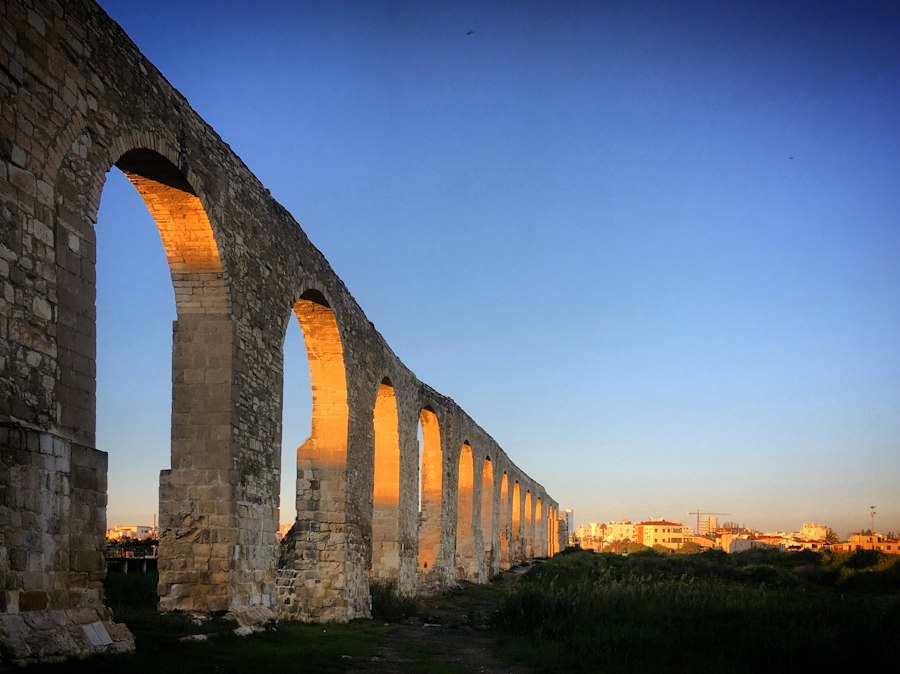
The Roman road network was not a uniform entity but a strategically developed system designed to connect the diverse provinces of the Empire. While many roads served purely military purposes, others were vital for trade, communication, and the administration of justice. These routes represent a remarkable feat of logistical planning, weaving a complex web that unified disparate regions and facilitated the spread of Roman influence. Understanding these key routes provides insight into the economic and military priorities of the Roman state and how they perceived their vast dominion.
The Via Appia: Queen of the Roman Roads
Perhaps the most famous of all Roman roads, the Via Appia (Appian Way) was a marvel of ancient engineering and a vital artery connecting Rome to southern Italy. Construction began in 312 BCE under the censor Appius Claudius Caecus, and it was later extended to Brundisium (modern Brindisi), a major port for trade and travel to the East. The Via Appia was renowned for its straightness, its durable paving, and the impressive mausoleums and tombs that lined its sides, a testament to the wealth and prestige of those who could afford such a grand final resting place. This road was instrumental in the movement of troops during Roman expansion and later for facilitating trade and communication with the burgeoning cities of Magna Graecia. Its enduring presence, with sections still remarkably preserved, allows modern visitors to walk in the footsteps of ancient Romans.
The Via Flaminia: Gateway to Northern Italy
Stretching from Rome northwards to Ariminum (modern Rimini) on the Adriatic coast, the Via Flaminia was another crucial route that opened up northern Italy to Roman control and commerce. Built in 220 BCE, it served as a primary conduit for goods and legions moving between the capital and the Po Valley. Its strategic importance was highlighted during various conflicts, including Hannibal’s invasion of Italy. The Via Flaminia facilitated the integration of newly conquered territories and fostered economic development by connecting Rome with important agricultural and trading centers. Its existence enabled faster communication and troop deployment, crucial for maintaining Roman authority in the northern regions.
The Via Egnatia: Connecting East and West
Crossing the rugged Balkans, the Via Egnatia was a vital link between the Adriatic coast and the Aegean Sea, effectively connecting the western and eastern halves of the Roman Empire. Starting from Dyrrhachium (modern Durrës) in Illyricum, it traversed through Macedonia and Thrace, reaching Byzantium (later Constantinople). This road was a major commercial highway, facilitating trade between Italy and the East, and it also served as a critical military route for troop movements during conflicts in the East. The Via Egnatia played a significant role in the spread of Roman culture and administration into the Balkan provinces, ensuring smooth governance and efficient communication across a geographically challenging region.
Roads in Britannia: Securing the Northern Frontier
The Roman presence in Britannia, though relatively short-lived compared to some other provinces, necessitated an extensive road network to maintain control and facilitate expansion. Major routes like Watling Street and Ermine Street were built to connect key military bases and important settlements. Watling Street, for example, ran from Richborough on the Kent coast to Wroxeter in the West Midlands, while Ermine Street connected London to Lincoln and the northern frontier. These roads were essential for deploying legions to quell rebellions, for transporting supplies, and for enabling administrators and merchants to travel throughout the province. The construction of these roads was a significant undertaking, reflecting the Roman commitment to consolidating their hold on this far-flung territory.
Germanic and Gallic Networks: Integrating the Provinces
Beyond Italy and Britannia, Roman roads were instrumental in integrating Gaul and Germania into the Empire. In Gaul, routes like the Via Domitia, which traversed southern France and connected Italy to Hispania, were vital for trade and communication. Further north, a dense network of roads connected major Gallic cities like Lugdunum (Lyon) and Lutetia (Paris) to the Roman frontier. In Germania, the Romans built roads to support their military campaigns and to establish strategic outposts. These roads facilitated the Romanization of these provinces, bringing with them Roman law, language, and culture, and fostering economic ties with the rest of the Empire. The systematic construction of these routes across diverse landscapes demonstrates the Romans’ comprehensive approach to imperial administration.
Beyond Transportation: The Multifaceted Impact of Roman Roads

The significance of Roman roads extended far beyond their primary function of facilitating movement. They were powerful instruments of imperial policy, catalysts for economic growth, and conduits for cultural diffusion, profoundly shaping the societies and landscapes they traversed. Their enduring presence continues to influence modern infrastructure and our understanding of ancient life. The Romans understood that a physical connection was a powerful tool for unification and control.
Military Might and Imperial Control
The primary impetus for much of the Roman road construction was military. The ability to move legions quickly and efficiently to quell rebellions, defend borders, or launch offensives was crucial for maintaining the vast Roman Empire. Roads allowed for rapid deployment of troops and supplies, enabling the Romans to project power and enforce their will across immense distances. The straight, well-paved surfaces allowed for swift marching and the easy passage of heavy equipment, giving Roman armies a distinct tactical advantage. Furthermore, the presence of these well-maintained roads served as a visible symbol of Roman authority and their permanent presence in conquered territories.
Facilitating Trade and Economic Prosperity
Roman roads were the backbone of a thriving imperial economy. They connected resource-rich regions with consumer centers, enabling the efficient transport of agricultural produce, raw materials, and manufactured goods. Trade flourished along these routes, fostering economic specialization and the growth of cities. Merchants could travel more safely and quickly, reducing the costs and risks associated with long-distance commerce. The development of roadside inns (mansiones) and waystations (mutationes) further supported this commercial activity, providing essential services for travelers and their animals. The economic integration fostered by the road network contributed significantly to the overall prosperity and stability of the Roman Empire.
Cultural Diffusion and Romanization
As legions marched and merchants traveled along the Roman roads, they carried with them the culture, language, and customs of Rome. The roads acted as highways for the spread of Romanization, influencing local populations and gradually integrating them into the Roman way of life. Latin became the lingua franca of administration and commerce, and Roman laws and administrative practices were disseminated. The presence of Roman settlements and infrastructure, facilitated by the road network, further encouraged the adoption of Roman lifestyles. This cultural exchange, driven by physical connectivity, played a pivotal role in shaping the identity of Western Europe.
The Enduring Legacy: Roads of Today and Yesterday
The Roman road network was so well-constructed that many sections remained in use for centuries after the fall of the Western Roman Empire, and some even form the basis of modern road systems. Their engineering principles and strategic planning continue to inspire civil engineers, and their historical significance is a constant reminder of the ingenuity and ambition of this ancient civilization. The echoes of Roman ambition can still be seen and felt on the very ground beneath our feet.
Echoes in Modern Infrastructure
The legacy of Roman roads is not confined to historical texts and archaeological sites. Many modern highways and national roads in Europe follow the ancient Roman alignments, a testament to the Romans’ excellent route selection and engineering. For example, sections of the Via Appia are still used as local roads in Italy, and the general routes of many British A-roads echo the lines of their Roman predecessors. The strategic locations chosen by the Romans for their roads often remain important transportation hubs today. This enduring influence highlights the timeless principles of efficient transportation planning.
Archaeological Discoveries and Preservation Efforts
Archaeological excavations continue to uncover and document Roman roads, providing invaluable insights into their construction, use, and impact. Preservation efforts are crucial to protecting these ancient marvels from the ravages of time and modern development. Many Roman roads, or sections thereof, are protected heritage sites, allowing future generations to study and appreciate this remarkable aspect of Roman engineering. The ongoing work of archaeologists and historians ensures that the story of these vital arteries is not lost to time, illuminating the lives and capabilities of those who built and used them.
Learning from the Past
The study of Roman roads offers valuable lessons for contemporary infrastructure development and urban planning. The Romans’ focus on durability, efficient drainage, and strategic alignment in challenging terrains provides a historical blueprint for sustainable and effective transportation solutions. Their understanding of how to connect disparate communities and foster economic and cultural exchange through physical infrastructure remains a relevant concept in our increasingly interconnected world. The Roman road network stands as a powerful reminder of how infrastructure can shape not only the landscape but also the trajectory of civilization itself.
The intricate network of ancient Roman roads played a crucial role in connecting various parts of Europe, facilitating trade, military movement, and cultural exchange. These routes not only served practical purposes but also influenced the development of modern infrastructure. For those interested in the broader implications of ancient civilizations on contemporary society, a fascinating read can be found in the article about archaeological insights into ancient famine, which explores how historical events shaped the landscapes we see today. You can check it out here.
Challenges and Innovations in Roman Road Building
| Road Name | Starting Point | Ending Point | Approximate Length (km) | Key Cities Connected | Modern Countries Covered |
|---|---|---|---|---|---|
| Via Appia | Rome | Brindisi | 563 | Rome, Capua, Beneventum, Brindisi | Italy |
| Via Augusta | Rome | Cadiz | 1,500 | Rome, Tarraco, Corduba, Gades | Italy, Spain |
| Via Egnatia | Dyrrachium (modern Durrës) | Byzantium (modern Istanbul) | 1,120 | Dyrrachium, Thessalonica, Byzantium | Albania, North Macedonia, Greece, Turkey |
| Via Claudia Augusta | Altinum (near Venice) | Donau River (Danube) | 350 | Altinum, Tridentum, Augusta Vindelicorum | Italy, Austria, Germany |
| Via Flaminia | Rome | Ariminum (Rimini) | 225 | Rome, Narni, Forum Flaminii, Ariminum | Italy |
| Via Domitia | Italy (crossing the Alps) | Gaul (modern France) | 300 | Italy, Narbonne, Nîmes | France |
While the Romans are renowned for their road-building prowess, the construction and maintenance of such an extensive network were not without their challenges. Overcoming natural obstacles, adapting to diverse geographical conditions, and ensuring the long-term viability of these routes required constant innovation and considerable effort. The sheer scale of the undertaking in the Roman world demanded creative solutions.
Navigating Difficult Terrain
Building straight roads across mountainous regions, over rivers, and through dense forests presented significant engineering hurdles. The Romans employed remarkable solutions, such as the construction of elevated causeways through marshlands, the building of sturdy bridges over rivers using arches and timber, and the creation of tunnels through hills where necessary. The famous Pons Aemilius in Rome, though much altered, has roots in Roman bridge-building techniques. In Gaul, the Romans constructed sophisticated wooden bridges, and in mountainous regions like the Alps, they carved roads into the mountainsides or built retaining walls to create stable pathways. These adaptations demonstrate their willingness to innovate rather than abandon a desired route.
Maintaining the Network
The vastness of the Roman Empire meant that maintaining its extensive road network was a continuous and resource-intensive task. Roads required regular repair to fix damage caused by heavy traffic, erosion, and the elements. The responsibility for maintenance often fell to local authorities or the military, who were tasked with ensuring the roads remained passable. The Romans established a system of miliaria (milestones) to mark distances and indicate which authorities were responsible for specific sections, aiding in the organization of upkeep. The sheer commitment to ongoing maintenance underscores the strategic importance they placed on their road system.
Technological Advancements and Materials
The Romans continuously refined their techniques and materials. While stone paving was the ideal, they also utilized gravel, packed earth, and even timber in areas where stone was scarce or difficult to procure. The development of Roman concrete, while not always used for the surface layer of roads, contributed to the stability of bridges and other associated structures. The use of lime in the nucleus layer, for example, helped to bind the materials together and provide a more water-resistant surface. Their willingness to experiment with and adapt their methods based on local resources and environmental conditions was key to the success of their ambitious construction program. The evolution of their techniques over centuries reflects a pragmatic and adaptive approach to engineering.
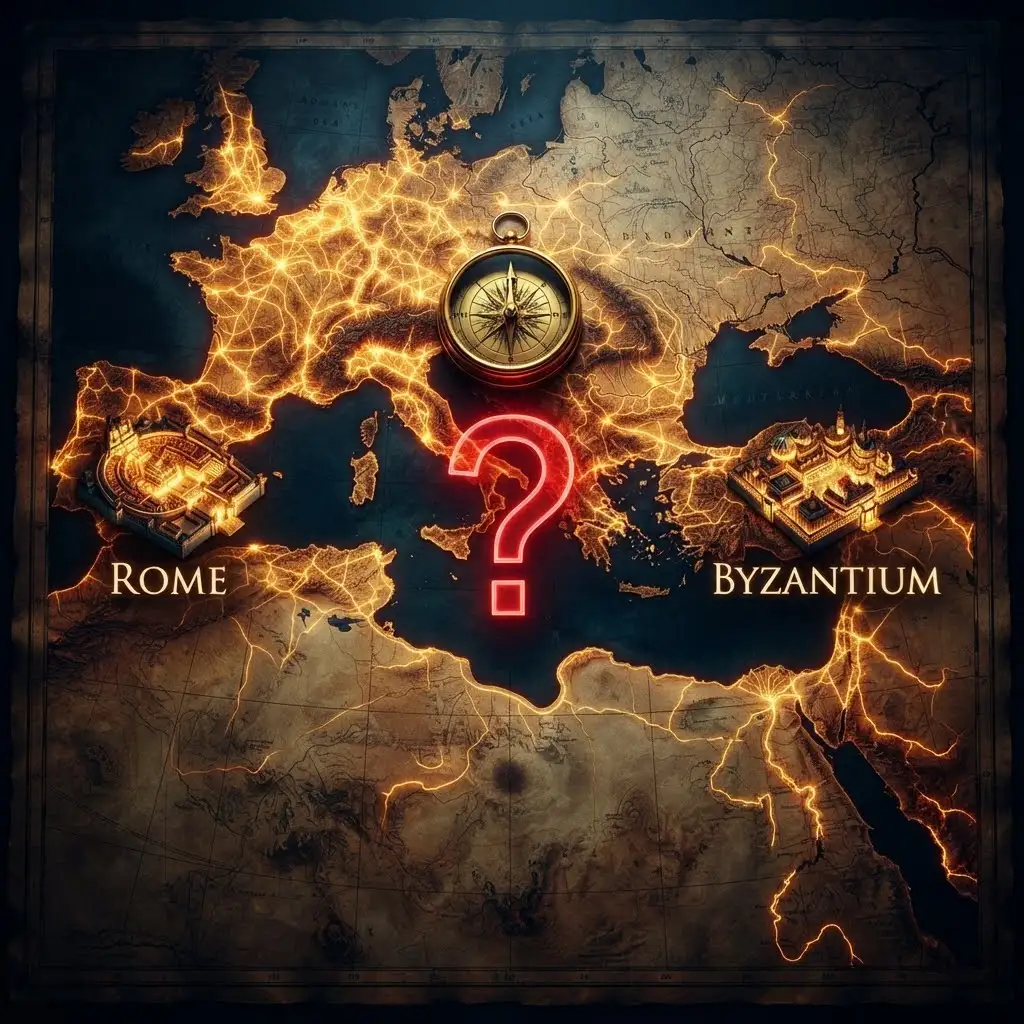
The 2.7% Statistic That Terrifies Roman Historians
FAQs
1. What was the purpose of ancient Roman roads in Europe?
Ancient Roman roads in Europe were primarily built for military and economic purposes. They facilitated the movement of troops, goods, and information across the vast Roman Empire.
2. How were ancient Roman roads constructed?
Ancient Roman roads were typically built by leveling the ground, adding layers of stones, gravel, and sand, and then paving the surface with large stone slabs. The roads were designed to be durable and able to withstand heavy traffic.
3. What was the significance of the Roman road network in Europe?
The Roman road network in Europe played a crucial role in the expansion and maintenance of the Roman Empire. It allowed for efficient communication, trade, and the rapid movement of troops, which helped in the administration and defense of the empire.
4. How did the Roman road system influence European infrastructure?
The Roman road system had a lasting impact on European infrastructure. Many modern roads and highways in Europe still follow the routes of ancient Roman roads, demonstrating the engineering expertise and strategic planning of the Romans.
5. What are some famous Roman roads in Europe?
Some famous Roman roads in Europe include the Appian Way in Italy, the Via Augusta in Spain, the Fosse Way in England, and the Via Egnatia in the Balkans. These roads were key arteries of the Roman Empire, connecting major cities and regions across Europe.