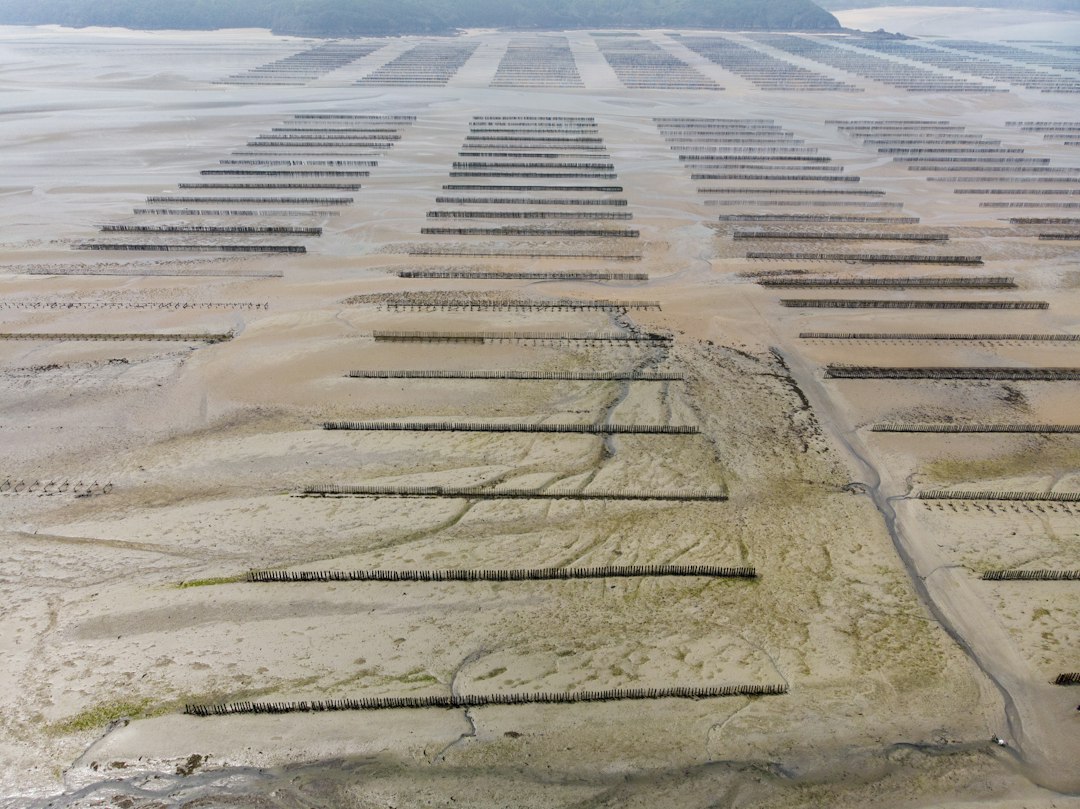
The grains of sand had, for millennia, guarded their secrets jealously. Buried deep beneath the shifting dunes, a forgotten world lay dormant, a testament to a past civilization lost to time and the unforgiving desert. It was a place that whispered of daily lives, of mundane routines and perhaps, of extraordinary events. The prospect of unearthing such a place, a farm swallowed by the sands, ignited a spark of curiosity in archaeologists and historians alike. What kind of life thrived in this arid landscape? What crops were cultivated, what tools were used, and what were the rhythms of existence for those who tilled this buried soil? The questions were as vast as the desert itself, and the answers, they hoped, lay dormant within the very earth they sought to excavate. This is the story of that discovery, of a farm brought back from the brink of oblivion, and the secrets it held within its sandy embrace.
Echoes of the Ancient Farmer: The Site’s Unveiling
The initial discovery was almost accidental, a stroke of luck born from persistent scientific inquiry. For years, satellite imagery had hinted at anomalies in the desert floor, subtle geometric patterns that defied natural formation. These faint traces, invisible to the casual observer, spoke of human intervention, of structures and fields that once existed but were now subsumed by the relentless advance of the desert. Expeditions, armed with ground-penetrating radar and other advanced geological tools, had scoured the region, meticulously mapping these subsurface irregularities. It was during one such survey, conducted by a team from the International Institute of Desert Archaeology, that the most compelling evidence emerged. A series of remarkably straight lines and rectilinear shapes, far too organized to be geological, appeared in the radar data. The concentration of these anomalies in a specific area suggested a concentrated settlement, and the characteristic grid-like patterns pointed towards an agricultural landscape. The excitement was palpable. This wasn’t just a scattering of ruins; it was the potential blueprint of an entire working farm, preserved by the very desert that had claimed it. The team secured funding and began the arduous process of excavation, each shovel of sand a step closer to uncovering a tangible link to a forgotten past.
The Whispers of the Wind: Initial Ground Surveys
Before any excavation commenced, a comprehensive ground survey was undertaken. This involved walking the area in a grid pattern, visually inspecting the surface for any artifacts or topographical clues. While the sand had smoothed over most features, subtle changes in soil color, slight depressions, or the occasional glint of worked stone could indicate buried structures. Geologists and soil scientists collected samples to understand the stratigraphy, the layers of earth that had accumulated over time, providing clues about the environment of the past. This meticulous approach ensured that the excavation would be targeted and efficient, maximizing the chances of finding significant remains. The desert, however, remained a formidable adversary. Wind erosion could quickly erase any surface evidence, and the extreme temperatures tested the endurance of the survey teams. Despite these challenges, the initial surveys confirmed the presence of significant subsurface structures, reinforcing the belief that something substantial lay beneath the dunes. The preliminary findings painted a picture of a planned settlement, not a random collection of dwellings, but a structured entity designed for a specific purpose – agriculture.
Radar’s Revelation: Mapping the Subterranean Landscape
The true power of modern technology was unleashed when the ground-penetrating radar (GPR) began to work its magic. This non-invasive technique sends radio waves into the ground and measures the time it takes for them to return, creating a layered image of what lies beneath. The GPR data from this particular site was nothing short of astonishing. It revealed a network of interconnected features that strongly suggested agricultural infrastructure. Clear outlines of walls, possibly enclosing fields or buildings, became visible. The radar also detected linear features that were interpreted as irrigation channels, a crucial element for any farm, especially in an arid environment. Furthermore, the presence of what appeared to be a central courtyard or gathering space, surrounded by smaller structures, hinted at a community or a family unit. The resolution of the GPR was sufficient to distinguish between different types of features, allowing archaeologists to prioritize areas for more intensive digging. It was like looking at an X-ray of the earth, revealing the bones of a long-dead organism. The GPR’s detailed mapping provided the archaeologists with a roadmap, guiding their excavation efforts with unprecedented precision.
The exploration of ancient agricultural practices has revealed fascinating insights into how civilizations thrived in challenging environments. For instance, the article “Uncovering Ancient Engineering Marvels” delves into the innovative techniques used by ancient societies to cultivate crops in arid regions, much like the farm beneath the sand that utilized advanced irrigation methods. To learn more about these remarkable engineering feats and their impact on agriculture, you can read the full article here: Uncovering Ancient Engineering Marvels.
A Glimpse Through Time: Architectural Remains and Layout

As the sand was carefully removed, the architectural remnants of the forgotten farm began to materialize. The sheer ingenuity and resilience of the people who built and sustained this settlement became immediately apparent. They had not simply survived in the desert; they had thrived, adapting their building techniques and farm design to the harsh realities of their environment. The layout of the farm revealed a thoughtful approach to resource management and daily life, indicating a community that understood the delicate balance of their ecosystem.
Stones that Speak: Building Materials and Techniques
The materials used in construction offered a direct window into the local resources and the technological capabilities of the inhabitants. Primarily, the farm structures were built from sun-dried mud bricks, a common and effective building material in arid regions, providing good insulation against the extreme temperatures. These bricks were often reinforced with straw or other organic matter to increase their strength and durability. In some instances, where more substantial support was needed, rough-hewn stones were incorporated, particularly for foundations and corners. The precision with which these bricks were laid, even without the benefit of modern mortar, spoke of skilled craftsmanship. Mortar, when used, was typically a mixture of clay, sand, and water, providing a binding agent for the bricks. The walls, though now weathered and eroded, were clearly designed to be robust, offering protection from the elements and any potential threats. The thickness of the walls suggested a conscious effort to maintain a stable interior temperature, a critical factor for survival in a desert climate. The discovery of intact doorways and window frames, or at least their impressions in the mud, provided further insight into the architectural features of the dwellings and outbuildings.
The Heart of the Farm: Layout and Functional Zones
The layout of the unearthed farm was a testament to its organized and efficient operation. It wasn’t a haphazard collection of buildings, but a meticulously planned entity designed to maximize productivity and facilitate daily life. The central courtyard, a common feature in traditional agricultural settlements, appeared to be the nexus of activity. This open space likely served multiple purposes: a gathering place for the family, a work area for processing crops, and potentially a space for livestock. Radiating outwards from this central hub were distinct functional zones. Residential quarters, likely comprising a main dwelling and perhaps smaller attached rooms for family members, were found adjacent to the courtyard. These dwellings, though simple in construction, showed evidence of hearths and storage areas, indicating where meals were prepared and food was kept. Beyond the immediate residential area, the evidence of agricultural activity became more pronounced.
The presence of what were interpreted as storage silos, large circular structures designed to protect harvested grains from pests and moisture, was particularly significant. These silos suggested a well-established system of food preservation, essential for surviving lean periods. Furthermore, the radar data had hinted at irrigation channels, and the excavation revealed remnants of these. These channels, likely lined with compacted clay to prevent water loss, would have brought precious water from a nearby source, perhaps a well or a seasonal riverbed, to the cultivated fields. The existence of these channels definitively confirmed that this was a functioning agricultural settlement, capable of sustaining itself in a challenging environment. The careful planning and execution of the farm’s layout spoke volumes about the foresight and resourcefulness of its inhabitants.
Cultivating the Arid Lands: Evidence of Agricultural Practices
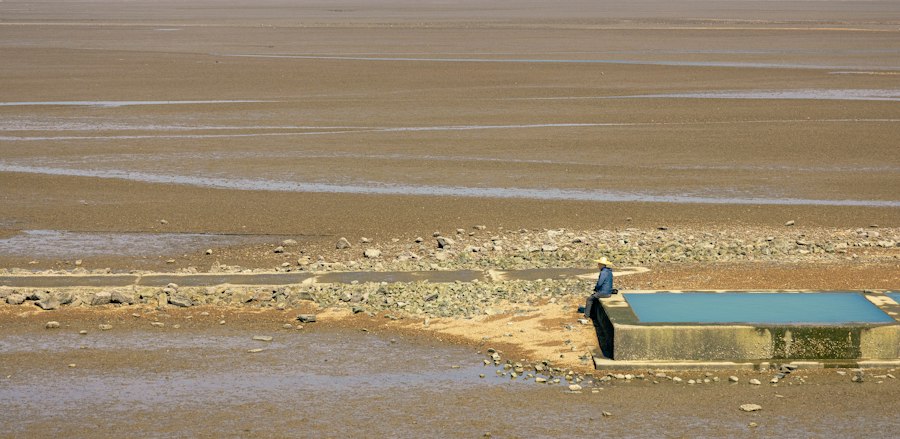
The most compelling revelations from the unearthed farm were those pertaining to its agricultural operations. This was not a passive existence; these people were actively engaged in cultivating the land, transforming the desert into a source of sustenance. The evidence unearthed provided a remarkable snapshot of their farming techniques, the crops they grew, and the challenges they faced in coaxing life from the parched earth.
Seeds of Survival: Crops and Cultivation Methods
The identification of specific crop remains was crucial in understanding the agricultural output of the farm. Analysis of soil samples revealed the presence of carbonized grains and seeds, preserved through the ages. These included staple crops like barley and wheat, indicating a diet rich in carbohydrates. Evidence of legumes, such as lentils and peas, suggested a balanced intake of protein. The presence of certain types of pottery shards, which often retain residues of cooked food, also provided corroborating evidence for the types of grains and vegetables consumed. Beyond the identification of crops, the excavation also shed light on the cultivation methods employed. The network of irrigation channels, as mentioned earlier, was paramount. These channels would have been strategically designed to distribute water efficiently across the fields, a feat requiring considerable knowledge of hydraulics and land management. The fields themselves, though now largely obscured by sand, showed subtle signs of being tilled and prepared. The presence of rudimentary plows, or at least fragments of their wooden components, and agricultural tools like hoes and sickles further solidified the picture of an active farming community. The sheer effort involved in cultivating even a small plot of land in such an environment highlights the determination and resilience of these ancient farmers. They were not simply planting seeds; they were engaged in a constant battle against the desert, employing ingenious methods to ensure their survival and prosperity.
Water’s Precious Flow: Irrigation and Resource Management
The management of water was undoubtedly the most critical aspect of life and agriculture on this desert farm. The discovery and mapping of the irrigation system were therefore of paramount importance. The channels, constructed from compacted earth and sometimes lined with clay, were remarkably well-preserved in places. Their intricate network suggests a sophisticated understanding of how to harness and distribute the limited water resources available. It is likely that the farm relied on a nearby oasis, a seasonal riverbed, or a carefully maintained well as its primary water source. The presence of what appeared to be a large cistern or reservoir near the main settlement further supports the idea of water storage and conservation. This reservoir would have allowed them to collect and hold water during periods of greater availability, ensuring a supply during drier spells. The careful construction and maintenance of these water systems would have been a continuous effort, requiring communal cooperation and a deep understanding of the local hydrology. The agricultural practices were undoubtedly dictated by the availability of water, with crops chosen for their drought tolerance and the fields laid out to maximize water distribution. The success of this farm, and indeed its very existence, was a testament to their ability to effectively manage and utilize this most precious of desert resources.
Daily Rhythms and Social Structures: Life Beyond the Fields
The unearthed farm was not just a place of agricultural labor; it was a living, breathing community where daily life unfolded with its own rhythms and social dynamics. The artifacts recovered, the layout of the dwellings, and the evidence of communal spaces painted a vivid picture of the people who called this place home. Their lives were undoubtedly shaped by the demands of agriculture and the challenges of the desert, but they also found ways to foster social connections, create art, and pass down traditions.
The Fabric of Society: Family Units and Communal Living
The arrangement of the residential structures strongly suggests the presence of family units. Multiple smaller rooms attached to a main dwelling likely housed immediate family members or extended relatives. The presence of hearths within these rooms indicates individual cooking areas, suggesting a degree of privacy within the family unit. However, the existence of a central courtyard and possibly other communal areas hints at a broader sense of community. These shared spaces would have facilitated social interaction, the exchange of goods and services, and perhaps communal activities like storytelling or celebrations. The presence of shared storage facilities, if any were identified, would also suggest a degree of communal resource management. The size and complexity of the farm suggest it was not a solitary endeavor but likely supported a small, cohesive group of people, possibly a few extended families working together. The division of labor would have been essential, with different individuals likely responsible for distinct agricultural tasks, childcare, tool maintenance, and other domestic duties. The social structure was likely hierarchical, with elders or those with specific skills holding positions of respect and influence.
Artifacts of Everyday Existence: Tools, Possessions, and Craftsmanship
The excavation yielded a wealth of artifacts that provide intimate glimpses into the daily lives of the farm’s inhabitants. These objects, though often humble, speak volumes about their ingenuity, their needs, and their aspirations. Agricultural tools, such as stone hoes, flint sickles with sharp edges for harvesting, and grinding stones for processing grains, were abundant. Fragments of pottery, ranging from simple storage vessels to more elaborately decorated bowls and cups, indicated their culinary practices and perhaps a sense of aesthetic appreciation. The pottery often showed signs of repeated use, burn marks from cooking, and wear from daily handling. Tools for crafting, such as awls and needles made from bone or metal (if any evidence of metalworking was found), suggested the production of textiles and other woven goods for clothing and household use. Small personal adornments, such as beads made from shells or polished stones, hint at a desire for decoration and self-expression. The discovery of children’s toys, even simple carved wooden figures, underscores the presence of families and the nurturing of the next generation. Each artifact, a silent witness to a bygone era, contributed to the mosaic of understanding about the people who lived and worked on this farm beneath the sand.
The concept of what the farm beneath the sand might have looked like can be intriguing, especially when considering how agricultural practices have evolved over time. For a deeper understanding of how global trade dynamics, such as those between the US and China, can impact agricultural sectors, you might find it interesting to explore this related article. It provides insights into how international relations can influence farming and trade policies, which ultimately shape the landscapes of agriculture around the world. You can read more about it in this comprehensive guide.
The Legacy of the Desert Farm: Lessons for the Future
| Aspect | Description |
|---|---|
| Location | Beneath a layer of sand, possibly in a desert or coastal area |
| Soil Condition | Sandy soil with limited nutrients, requiring irrigation and soil enrichment |
| Vegetation | Drought-resistant crops such as barley, millet, or date palms |
| Structures | Simple wooden or stone farm buildings, possibly partially buried or eroded |
| Water Source | Wells or irrigation channels to support farming in sandy terrain |
| Farm Size | Small to medium-sized plot adapted to harsh environmental conditions |
| Animal Husbandry | Likely included hardy animals such as goats or camels suited to arid climates |
The unearthing of this ancient desert farm is more than just an archaeological triumph; it offers profound lessons that resonate even in our modern world. The resilience, ingenuity, and resourcefulness of these ancient peoples, who carved a life out of a seemingly inhospitable environment, provide a powerful case study for understanding sustainable living and human adaptation. The secrets they held within their sandy tomb offer a valuable perspective on how we might approach similar challenges in the future.
Echoes of Sustainability: Adapting to Aridity
The most striking lesson from this unearthed farm is the remarkable capacity for sustainable living in an arid environment. The inhabitants demonstrated an intimate understanding of their ecosystem and developed sophisticated strategies to work within its limitations. Their advanced irrigation techniques, coupled with careful water conservation methods, highlight a deep respect for natural resources. The choice of drought-resistant crops and the efficient use of every available drop of water are lessons in ecological awareness that are profoundly relevant today. In an era of increasing water scarcity and climate change, the ancient methods employed on this farm offer a blueprint for adapting to challenging environmental conditions. Their success serves as a powerful reminder that human ingenuity, when guided by an understanding of nature, can achieve remarkable feats of sustainability. The farm itself stands as a monument to their ability to not just survive, but to thrive by harmonizing with their environment rather than attempting to conquer it.
Insights into Human Ingenuity: Overcoming Adversity
The existence of this farm, flourishing for a period in a challenging desert landscape, is a testament to the enduring power of human ingenuity. Faced with limited resources and a harsh climate, these ancient people did not despair; they innovated. They developed tools, techniques, and social structures that allowed them to overcome adversity and build a stable existence. Their architectural designs, optimized for temperature regulation, their agricultural practices, honed to maximize yield from minimal rainfall, and their community-based approach to resource management all speak to a remarkable capacity for problem-solving. This legacy of ingenuity offers a powerful message of hope and resilience. It reminds us that even in the face of seemingly insurmountable challenges, human creativity and determination can forge pathways to success. The farm beneath the sand is a silent but potent testament to the extraordinary potential that lies within humanity to adapt, to build, and to endure.

The Viking “Bison” Myth That Was Just Debunked
FAQs
1. What was the layout of the farm beneath the sand?
The farm beneath the sand was laid out in a grid pattern with rows of crops neatly organized and separated by pathways for easy access.
2. What types of crops were grown on the farm beneath the sand?
The farm beneath the sand grew a variety of crops including wheat, barley, lentils, and chickpeas, which were staples of the ancient diet.
3. How were the crops watered on the farm beneath the sand?
The crops on the farm beneath the sand were watered using a sophisticated irrigation system that channeled water from nearby rivers or underground wells to the fields.
4. What structures were present on the farm beneath the sand?
Structures such as storage silos, granaries, and possibly a farmhouse or shelter for the farmers were present on the farm beneath the sand.
5. What evidence suggests the existence of the farm beneath the sand?
Archaeological excavations have uncovered remnants of ancient farming tools, pottery fragments, and the remains of crops that indicate the presence of a farm beneath the sand.