You’ve always been fascinated by the sheer scale of Imperial Rome, haven’t you? From its sprawling aqueducts to its legions marching across continents, the image of Rome is one of immense power and dominance. But what if I told you that for much of its later history, the heart of the empire, at least in terms of its population and focus, began to beat more strongly in the East? It’s a notion that might seem counterintuitive at first. After all, Rome itself, the Eternal City, sat at the apex of this vast dominion. Yet, as the centuries wore on, a discernible shift occurred, a migration of people, power, and prosperity towards the eastern provinces. Understanding this phenomenon isn’t just about tracing demographic trends; it’s about grasping the profound economic, political, and cultural forces that reshaped the Roman world.
The Shifting Economic Sands
The economic engine of Rome, for so long fueled by the bounty of Italy and the western Mediterranean, began to experience a significant redistribution of wealth and activity. This wasn’t a sudden collapse of the West, but rather a gradual enhancement of the East’s economic dynamism. You’d find that the traditional economic centers in Italy, while still important, found themselves increasingly overshadowed by the vibrant trade networks and burgeoning metropolises of the eastern provinces. This shift was not merely about people moving; it was about capital, resources, and opportunities following suit.
The Richer East: Agriculture and Resources
When you consider the agricultural heartlands, the East presented a more fertile and productive landscape for crucial staples. Provinces like Egypt, the breadbasket of the empire, consistently delivered vast quantities of grain, a vital commodity that fed the insatiable Roman populace and its armies. Beyond grain, the East was a treasure trove of other valuable resources. Think of the fine silks, spices, and precious metals that flowed in from further East and were channeled through its ports. These weren’t just luxury goods; they were essential components of the Roman economy and highly sought after. The agricultural lands in regions like Asia Minor and Syria also supported significant populations and were integrated into complex trade routes, contributing to a more diversified and robust economy compared to some of the more resource-strained western territories. You could observe how the productivity of these regions made them attractive for investment and settlement.
Trade Routes and Urban Hubs
The East was strategically positioned at the crossroads of major trade routes, both overland and maritime. The Silk Road, though not a single road, was a network of arteries that brought unimaginable wealth and exotic goods from the Far East. Roman traders, and indeed Roman citizens, were drawn to these routes, and the cities that served as their termini and staging posts flourished. Constantinople, Antioch, Alexandria – these weren’t just provincial capitals; they were burgeoning metropolises that rivaled Rome itself in terms of population, wealth, and cultural influence. The proximity to these trade networks meant that goods could be acquired more efficiently, and markets for Roman products were more readily accessible. The development of sophisticated port infrastructure and the relative security of these eastern sea lanes facilitated a constant flow of commerce, further enriching the region. You’d see how the economic gravitational pull of these vibrant urban centers started to draw people seeking opportunity and prosperity.
The population of Imperial Rome shifted toward the east for various reasons, including economic opportunities, trade routes, and the allure of more prosperous cities. This demographic change is explored in depth in the article “The Rise of Failed Government States,” which discusses how political instability and economic factors influenced migration patterns in ancient civilizations. For a more comprehensive understanding of these dynamics, you can read the article here: The Rise of Failed Government States.
The Allure of the East: Political and Strategic Considerations

The eastward population shift wasn’t solely driven by economic considerations. Political and strategic imperatives played a crucial role, influencing where imperial resources were deployed and where power was consolidated. The empire’s challenges and opportunities evolved over time, and the East began to present a more compelling case for focused attention.
The Persian Threat and Frontier Defense
For centuries, Rome’s eastern frontier was a constant source of concern, primarily due to the powerful Sasanian Empire of Persia. The Sasanians were not a fringe group; they were a formidable rival, capable of launching large-scale invasions and challenging Roman dominance in the region. Defending this vast frontier required a significant military presence, leading to the establishment of numerous forts, garrisons, and supply depots. This, in turn, necessitated the settlement of soldiers and their families, as well as the development of civilian infrastructure to support the military establishment. You could see how the constant need for defense acted as a magnet, drawing people and resources to the eastern provinces. The military presence also fostered economic activity in these frontier regions, as soldiers needed to be provisioned, housed, and entertained.
The Emperor’s Residence and Imperial Focus
As the empire grew and its challenges became more complex, emperors began to spend less time in Rome and more time closer to the frontiers or in strategically important eastern cities. The establishment of Constantinople as the “New Rome” by Constantine in the early 4th century was a watershed moment. This decision wasn’t arbitrary; it reflected a recognition of the East’s strategic importance, its economic vitality, and its defensibility. The presence of the emperor and his court naturally attracted administrators, merchants, diplomats, and a host of other individuals seeking to be close to the seat of power. This influx of people further boosted the population and economic activity of these eastern centers. You’d find that the imperial court acted as a powerful engine of growth, creating demand for goods and services and fostering a cosmopolitan atmosphere. The shift of the imperial focus eastward wasn’t just a symbolic gesture; it had tangible consequences for population distribution.
The Cultural Tapestry of the East
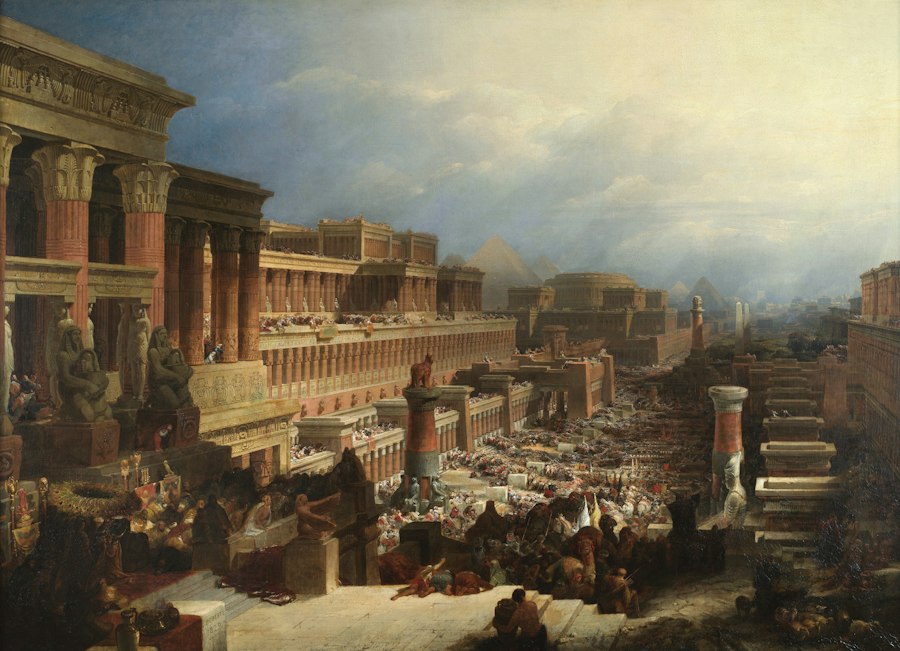
Beyond economics and politics, the East possessed a rich and ancient cultural heritage that held a significant appeal. It was a region where Greek and Roman traditions mingled with older indigenous cultures, creating a unique and vibrant intellectual and artistic landscape. This cultural dynamism contributed to the region’s attractiveness for settlement.
Hellenistic Legacy and Intellectual Centers
The East had been heavily Hellenized during the Hellenistic period, following the conquests of Alexander the Great. This left behind a strong tradition of Greek language, philosophy, and learning. Cities like Alexandria, Antioch, and Athens remained centers of intellectual activity, boasting renowned libraries, schools, and philosophical academies. You could observe how the intellectual currents that flowed through these eastern cities attracted scholars, students, and thinkers from all over the Roman world. This created a vibrant intellectual milieu that was a draw for many. The established traditions of scholarship and public discourse made these cities hubs of cultural exchange and innovation.
Religious Diversity and Syncretism
The East was also a melting pot of religious beliefs and practices. While Roman polytheism was present, the region was also home to a multitude of other faiths, including various mystery cults, the worship of indigenous deities, and the burgeoning Christian movement. This religious diversity, and the subsequent development of syncretic practices where different beliefs blended, created a complex and fascinating religious landscape. As Christianity gained traction, its early centers of growth and significant communities were predominantly in the East. This religious vibrancy, and the opportunities for spiritual and intellectual engagement it offered, undoubtedly contributed to population movements. You’d find that the spiritual and intellectual ferment in these eastern regions offered a different kind of appeal than the more established religious traditions of the West.
The Western Decline and its Influence
While the East was experiencing a surge in growth and importance, the western provinces faced a different set of challenges. The decline of certain economic activities and increased instability in some western regions indirectly contributed to the eastward population shift.
Economic Strains in the West
Certain traditional economic activities in the West began to face increasing strains. Factors such as over-cultivation, soil exhaustion in some areas, and the disruption of trade routes due to barbarian incursions could lead to localized economic decline. The constant need to defend long and vulnerable frontiers in the West, particularly along the Rhine and Danube rivers, also diverted resources and manpower away from other productive sectors. You could see how these economic pressures made the West a less attractive destination for those seeking prosperity, pushing them to consider opportunities elsewhere. The perceived stability and economic dynamism of the East became even more pronounced in contrast to these western challenges.
Invasions and Instability
The later centuries of the Western Roman Empire were marked by an increasing frequency and intensity of barbarian invasions. The Visigoths, Vandals, Franks, and others repeatedly breached imperial frontiers, leading to widespread destruction, displacement of populations, and disruption of economic life. Cities and agricultural lands were sacked, leading to a decline in productivity and a sense of insecurity. You’d find that in the face of such instability, people naturally sought safer and more prosperous regions. The relative stability of the eastern provinces, particularly after the establishment of Constantinople and the strengthening of its defenses, offered a more appealing prospect for settlement and investment. This outward movement from the destabilized West to the more secure East was a significant factor in the overall population shift.
The population of Imperial Rome experienced a significant shift toward the east due to various factors, including economic opportunities, trade routes, and the allure of the Eastern provinces. This migration was influenced by the increasing importance of cities like Antioch and Alexandria, which became cultural and commercial hubs. For a deeper understanding of how geographical and environmental factors can impact population movements, you might find the article on Piri Reis and ice sheet mass balance insightful. It explores how climate changes can affect human settlements and migrations, drawing parallels to historical shifts in populations. You can read more about it here.
The Enduring Legacy of the Eastern Pivot
| Factor | Description | Impact on Population Shift |
|---|---|---|
| Economic Opportunities | The Eastern provinces, especially cities like Constantinople, had thriving trade routes and wealth. | Attracted merchants, artisans, and laborers, increasing population density in the East. |
| Political Stability | The Eastern Roman Empire maintained stronger governance and fewer invasions compared to the West. | Encouraged migration to safer and more stable regions in the East. |
| Military Pressure | Barbarian invasions and internal conflicts weakened Western Rome more severely. | Caused population decline in the West and movement toward the East for security. |
| Administrative Reforms | Emperor Diocletian and Constantine shifted the imperial capital to the East (e.g., Constantinople). | Centralized power and resources in the East, drawing population and investment. |
| Urban Development | Eastern cities invested in infrastructure, public buildings, and amenities. | Improved living conditions attracted residents from less developed Western areas. |
The eastward population shift wasn’t a temporary phenomenon; it had profound and lasting consequences for the Roman world, ultimately contributing to the eventual division of the empire and the continuation of Roman traditions in the East.
The Rise of the Byzantine Empire
The culmination of this eastward pivot was the emergence of the Byzantine Empire. With its capital in Constantinople, the Eastern Roman Empire preserved Roman laws, administration, and culture for another thousand years after the fall of the Western Roman Empire. The population centers, economic power, and intellectual life that had gradually gravitated eastward now formed the bedrock of this new, enduring civilization. You could see how the strategic location, robust economy, and rich cultural heritage of the East, nurtured by centuries of Roman influence and investment, provided the perfect foundation for this continuation of Roman imperial tradition. The shift wasn’t just a change in where people lived; it was a transformation that shaped the future of Roman civilization itself.
A Different Roman Identity
As the West crumbled, the East forged a distinct identity, blending Roman traditions with Greek language and culture, and developing its own unique artistic and religious expressions. The legacy of this eastern Roman world continues to influence the Balkans, the Middle East, and Eastern Europe to this day. You’d find that the population shift Eastward was not merely a demographic adjustment; it was a fundamental reorientation that ultimately allowed a part of the Roman legacy to survive and thrive long after its western counterpart had faded. The choices made, the investments undertaken, and the opportunities seized in the East created a destiny distinct from that of the West, a destiny that you can still trace through the annals of history and the enduring monuments of the Byzantine world.

Did DNA Finally Prove African Americans Are Igbo?
FAQs
1. Why did the population of Imperial Rome shift toward the east?
The population of Imperial Rome shifted toward the east due to various factors such as economic opportunities, political stability, and the presence of important trade routes.
2. What role did the establishment of Constantinople play in the population shift?
The establishment of Constantinople as the new capital of the Roman Empire by Emperor Constantine in 330 AD played a significant role in attracting people to the eastern part of the empire, leading to a shift in population.
3. How did the division of the Roman Empire into East and West impact the population distribution?
The division of the Roman Empire into East and West in 286 AD by Emperor Diocletian led to a concentration of power and resources in the eastern part, which attracted more people and contributed to the population shift toward the east.
4. Were there cultural or religious factors that influenced the population shift in Imperial Rome?
Yes, cultural and religious factors also played a role in the population shift toward the east. The eastern part of the empire was known for its rich cultural heritage and was a center of Christianity, which attracted followers and migrants.
5. How did the threat of invasions and barbarian attacks impact the population movement in Imperial Rome?
The constant threat of invasions and barbarian attacks in the western part of the empire pushed many people to migrate eastward where there was more stability and protection, contributing to the population shift toward the eastern regions of the Roman Empire.