You’re delving into the fascinating and often challenging world of post-Civil War genealogy, and you’ve likely encountered a common hurdle: the scarcity of readily available records for many individuals, especially those who were formerly enslaved or from less affluent backgrounds. You might have hit a wall with census data, marriage records, or even death certificates. This is where cohabitation records, though less publicized than their more formal counterparts, can become an invaluable tool in your research journey. They offer a unique window into the lives of ordinary people, shedding light on relationships, family structures, and community connections that might otherwise remain hidden.
Unearthing the Unwritten: What are Cohabitation Records?
You might be asking yourself, “What exactly are cohabitation records, and how do they differ from traditional marriage certificates?” Simply put, cohabitation records are official or semi-official documents that acknowledge and sometimes legitimize unions that were not formalized through a legal marriage ceremony. For many in the post-Civil War era, particularly newly freed African Americans who faced systemic barriers to marriage or simply couldn’t afford the legal fees, cohabitation was a common and accepted way of life. These relationships, while not legally recognized as marriage at the time, were often enduring partnerships built on mutual commitment and recognized by their communities.
Defining the Nuance: Cohabitation vs. Legal Marriage
It’s crucial to understand the distinction between cohabitation and legal marriage in this context. A legal marriage, documented by a marriage certificate, conferred specific rights and responsibilities upon the individuals involved, such as inheritance, property ownership, and parental authority. Cohabitation, on the other hand, lacked this legal framework. However, this doesn’t mean these relationships were any less significant or that they didn’t leave a paper trail. For researchers, the key is to recognize that a lack of a marriage certificate doesn’t necessarily mean a couple wasn’t together. They might have been “married” in the eyes of their community, raising children, and building a life together, but without the official stamp of approval.
The Historical Context: Freedmen’s Bureau and Beyond
The post-Civil War period, especially the Reconstruction era, was a time of immense social and legal upheaval. For formerly enslaved individuals, the ability to legally marry was a significant step towards reclaiming their humanity and establishing stable family units. The Freedmen’s Bureau played a crucial role in facilitating these marriages, recognizing existing unions, and documenting them. However, not all cohabiting couples were able to formalize their unions, either due to circumstances, lack of awareness, or continued discrimination. This is where other types of records come into play.
Beyond Formalities: The Everyday Lives Captured
Cohabitation records are not always a single, neatly labeled document. They can be found scattered across various sources, often embedded within other types of official or unofficial records. The value lies in piecing together the narrative. You’re not just looking for a “cohabitation certificate” (though those sometimes exist in specific contexts). You’re looking for evidence of a stable, recognized partnership. This might include:
- Freedmen’s Bureau Records: As mentioned, these are goldmines. They often contain marriage registers, lists of recognized unions, and even reports on families living together.
- County Court Records: While you might not find a specific “cohabitation record,” you might find references to couples living together in land deeds, wills, probate records, or even court cases involving property disputes or child custody.
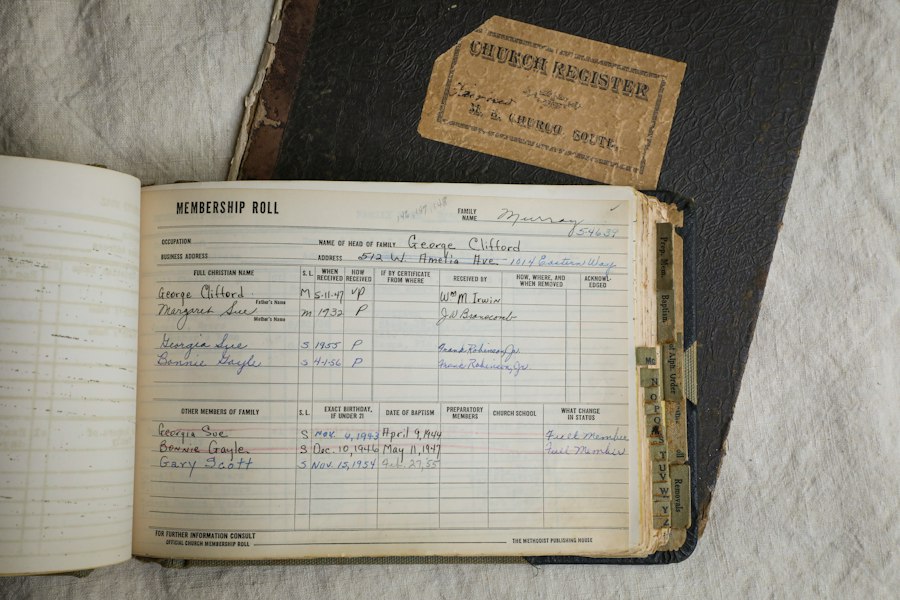
- Church Records: Many churches kept their own registers of members, baptisms, and even “vows” or blessings of unions that weren’t legally married.
- Census Records (Indirect Evidence): While census records typically list individuals and their relationship to the head of household, you can sometimes infer cohabitation by noting long-term patterns of individuals living together over multiple census years, especially if they are listed as “partners” or simply share a household without a formal marital status listed for one or both.
- Wills and Estate Papers: If one partner died, the surviving partner might be mentioned in the deceased’s will, even if they were not legally married. This can provide strong evidence of a long-term relationship.
- Pension Records: Surviving spouses, even if not legally married, could sometimes claim pensions if their partner had served in the Civil War, especially if their cohabitation was recognized by the community.
- Newspaper Articles and Local Histories: Local newspapers might report on community events, family news, or even minor legal disputes that indirectly mention cohabiting couples. Local historical societies and published family histories can also be valuable.
Cohabitation records can be a valuable resource for genealogists researching post-Civil War families, as they often provide insights into the lives of freedmen and their families during a transformative period in American history. For those interested in exploring how these records can enhance their genealogical research, a related article can be found at this link. This article delves into the significance of cohabitation records and offers tips on how to effectively utilize them in your family history research.
Navigating the Archives: Where to Find These Records
You’ve grasped the concept, but the next logical question is: “Where do I actually look for these elusive cohabitation records?” The answer, as you might expect, is not always straightforward and often involves a multi-pronged approach. These records are not typically found in a single, easily searchable database. Instead, they are often embedded within larger collections, requiring you to dig deeper and think creatively. Your research journey will likely involve exploring various archival repositories, both physical and online, and understanding the types of records they hold.
The Freedmen’s Bureau: A Cornerstone of Reconstruction Records
The Freedmen’s Bureau, officially the Bureau of Refugees, Freedmen, and Abandoned Lands, established in 1865, is arguably the most critical resource for post-Civil War genealogical research, especially for African Americans. You need to become intimately familiar with its holdings. The Bureau was tasked with aiding formerly enslaved people in various aspects of their new lives, including legalizing marriages, reuniting families, and managing education and employment.
- Marriage Records: The Bureau actively facilitated and registered marriages. You’ll find registers of marriages performed under their auspices, often listing the names of both individuals, the date of the ceremony, and sometimes even the names of witnesses or parents. These are crucial for establishing legal unions that might have been unrecognized before emancipation.
- Family Records: Beyond formal marriages, the Bureau kept records related to family structures. These can include lists of individuals, their reported family members, and their living arrangements. Sometimes, these records implicitly acknowledge cohabiting couples.
- Claims and Petitions: If individuals made claims for property, support, or to locate lost family members, these documents can reveal family connections and household compositions. You might find petitions where one partner is acting on behalf of another, even without a legal marriage.
You can access Freedmen’s Bureau records through the National Archives and Records Administration (NARA) and various online genealogical platforms. Many of these records have been digitized and indexed, making them more accessible. However, always be prepared for incomplete indexes or the need to manually review original documents.
County and State Archives: The Local Landscape
While federal records are vital, don’t underestimate the power of local archives. County and state courthouses, historical societies, and archives are repositories of a vast amount of information that can shed light on your ancestors’ lives.
- Probate and Estate Records: When an individual died, their estate was often settled through the probate court. These records can name beneficiaries, including surviving partners who might not have been legally married. You might find mentions of “common-law wife” or “partner” in these documents.
- Land Records and Deeds: If your ancestors owned or transferred property, these transactions would be recorded at the county level. You may find deeds where individuals are listed as spouses or joint owners, even if a marriage certificate is absent.
- Court Dockets and Case Files: Civil and criminal court records can sometimes provide clues. Disputes over property, inheritance, or even minor offenses might mention individuals living together as a couple.
- Tax Records: Property tax assessments or tax lists might group households or individuals who are living together, offering another indirect clue.
The accessibility of these records varies greatly. Some states and counties have extensive online catalogs and digitized records, while others may require you to visit in person or hire a local researcher. Start by searching the websites of your ancestor’s state archives and county clerk’s office.
Religious Institutions: Spiritual and Social Bonds
Churches played a significant role in community life during the post-Civil War era. Religious institutions often kept their own records that can be incredibly valuable for genealogical research, especially when formal civil records are lacking.
- Church Membership Rolls: These lists can show individuals affiliated with a particular congregation. You might find entire families listed together, including partners who were not legally married but were recognized by the church community.
- Baptismal Records: When children were baptized, the records often listed the parents. If a couple was cohabiting, their names would appear as parents, providing evidence of their relationship.
- Marriage or Union Blessings: Some churches would provide informal blessings or recognize unions that were not legally registered. These records, while not legal marriage certificates, can still be significant indicators of a recognized partnership.
When seeking these records, you’ll need to identify the denominations your ancestors belonged to and then contact individual churches or their denominational archives. Many of these records are not digitized and may require direct communication with the institution.
Online Genealogical Platforms: The Digital Frontier
While many of these records still require manual searching, the rise of online genealogical platforms has revolutionized the way we access them. Websites like Ancestry.com, FamilySearch, Findmypast, and others have digitized vast collections of records, including many of the types mentioned above.
- Indexed Databases: Many of these platforms offer searchable indexes for Freedmen’s Bureau records, census data, vital records, and court documents. Use a variety of search terms, including variations of your ancestor’s name, potential spouse’s name, and location.
- User-Submitted Trees and Records: While these should always be cross-referenced with original sources, user-submitted family trees and record collections can sometimes point you in the right direction or highlight potential connections you hadn’t considered.
- Community Forums and Message Boards: Many platforms have forums where you can connect with other researchers working on similar lines or in the same geographic areas. This can lead to valuable shared discoveries.
Remember that online databases are constantly growing and improving. Regularly check these platforms, even if your initial searches don’t yield immediate results.
Strategies for Effective Searching: Unlocking Hidden Connections

You’ve identified the types of records and potential locations, but now the real work begins: how do you effectively search for these often-elusive cohabitation records? This is where your detective skills come into play. You need to be systematic, creative, and persistent. Think of yourself as piecing together a puzzle where some of the most crucial pieces are hidden in plain sight or require a different lens to see.
Beyond the Obvious: Creative Search Terms and Variations
You’re probably accustomed to searching for an ancestor’s full name and birth or death dates. For cohabitation records, you need to expand your search vocabulary significantly.
- Name Variations: People’s names were often spelled inconsistently in records. Don’t just search for “John Smith.” Try “Jon Smith,” “Jno Smith,” “Smith, John,” and even consider phonetic spellings if you suspect significant transcription errors.
- Relationship Terms: Look for terms beyond “husband” and “wife.” Consider “partner,” “companion,” “living with,” “concubine” (though this term is often loaded and used pejoratively, it can appear in older records), or simply individuals listed consecutively in a household in census records.
- Location Specificity: When searching census records or court documents, be as specific as possible with the county, town, and even election district or beat. This helps narrow down the possibilities.
- Hypothesize and Test: If you know or suspect two individuals were a couple, search for them together. For example, search for “John Smith and Mary Jones” in a particular county. This might uncover records that link them directly.
- Focus on the “Fringe” Records: Don’t discount records that seem tangential. A mention of a couple in a newspaper article about a local fair, or a name appearing alongside another in a list of church attendees, can be the thread that unravels a connection.
Chronological Tracking: Following the Paper Trail Through Time
One of the most powerful strategies in genealogy is to follow your ancestors chronologically. This means starting with the earliest records you have for an individual and moving forward in time, meticulously documenting what you find at each stage.
- Census Records: These are your bedrock. Examine every census record where your ancestor appears. Note who they are living with, their stated marital status, and the ages and relationships of other household members. Look for patterns of individuals living together across multiple census years. For instance, if a woman is listed as single in one census and then living with a man identified as “partner” or simply sharing a household with children in subsequent censuses, this strongly suggests cohabitation.
- Vital Records: While you might be looking for a marriage record, also examine birth, death, and divorce records. A death record might list a surviving “partner” or “common-law spouse.” Birth records will list parents, providing crucial links.
- Military Records: If your ancestor served in the Civil War, their military records can be incredibly informative. Pension files, in particular, can contain affidavits from friends, family, and neighbors attesting to relationships, including cohabitation, which could impact pension eligibility.
- Land and Property Records: As your ancestors acquired or sold property, these transactions were recorded. Examine deeds and mortgages for mentions of spouses or cohabitants involved in these dealings.
By meticulously tracking your ancestors through these records over time, you can often build a compelling case for cohabitation even without a direct “cohabitation record.”
Community and Kinship: Looking Beyond the Nuclear Family
Your ancestors didn’t live in a vacuum. They were part of families, communities, and social networks. Understanding these connections can provide indirect evidence of relationships.
- Extended Family Listings: In census records, look at who else is living in the household or nearby. Siblings, parents, and even in-laws living together or in close proximity can sometimes shed light on family structures and living arrangements.
- Witnesses and Neighbors: When you find any kind of official record, pay close attention to the witnesses or individuals who signed documents. These individuals often lived in the same community and could have had firsthand knowledge of your ancestors’ relationships.
- Church and Social Groups: If you can identify the churches or social organizations your ancestors were involved with, investigate their membership lists or any extant records of their activities. This can reveal who they associated with regularly.
- Obituaries and Death Notices: While formal marriage is usually mentioned, sometimes less formal relationships are alluded to in death notices or obituaries. Look for phrases that indicate long-term companionship or familial ties beyond legal marriage.
By broadening your perspective to include the wider community, you can uncover valuable clues that corroborate or even establish cohabitation.
The Value of Indirect Evidence: Piecing Together the Narrative
You might be thinking, “But what if I can’t find a single document explicitly stating ‘X and Y were cohabiting’?” This is where the true art of genealogical detective work comes into play. You will almost certainly rely on indirect evidence. The absence of a marriage certificate, coupled with consistent patterns of individuals living together, raising children, and being recognized by their community, can be more than enough to establish a strong case for cohabitation.
Building a Case: The Cumulative Power of Clues
Think of it like a legal trial. You don’t always have a smoking gun. Instead, you present a series of circumstantial pieces of evidence that, when taken together, point overwhelmingly to a single conclusion. In genealogy, this means:
- Consistent Household Composition: If you see the same man and woman consistently living together in census records over several decades, and they have children together, this is strong indirect evidence of a partnership.
- Children’s Records: Look at the birth records of children. If a child is consistently listed as the offspring of a particular man and woman, even if that couple never had a marriage certificate, it indicates a family unit.
- Community Recognition: Newspaper mentions, church records, or even later legal documents (like wills or land deeds) that refer to a couple as being together or as having a long-standing relationship, even without formal marriage, are powerful pieces of evidence.
- Property Transactions: If a couple jointly buys or sells property, or if one partner leaves property to the other in a will, this implies a recognized, enduring relationship.
- Pension or Aid Applications: As mentioned earlier, applications for Civil War pensions or other forms of aid could require proof of familial relationships. Affidavits submitted as part of these applications often provided detailed accounts of long-term partnerships.
Your goal is to amass enough of these clues that a reasonable person would conclude that these two individuals were, for all intents and purposes, a couple.
Recognizing Patterns and Inferences
It’s about learning to read between the lines of historical documents.
- “Head of Household” and “Wife” Labels: In census records, if a man is consistently listed as “Head of Household” and a woman with his surname is consistently listed as “Wife,” but there’s no marriage certificate available for that specific time, it’s a reasonable inference that they were married or at least cohabiting as husband and wife. You’re looking for these consistent patterns.
- Children’s Surnames: If a couple has multiple children who all share the same surname, and that surname aligns with one of the parents, it further strengthens the case for a familial unit.
- Geographic Proximity: If individuals are consistently living in the same small community, appearing in records together, and exhibiting family-like connections, it’s a strong indicator.
You are not fabricating information; you are making educated inferences based on the available data. It’s crucial to document why you are making these inferences, citing the specific records that support your conclusion.
The Role of “Common-Law Marriage”
While “common-law marriage” as a legal construct varied significantly by state and time period, the concept of a recognized informal union was prevalent. In many Southern states post-Civil War, even if formal marriage was difficult, communities and legal systems often recognized unions that were established and maintained openly and consistently as de facto marriages.
- Legal Recognition: Some states had laws that recognized common-law marriages if certain conditions were met (e.g., holding yourselves out to the public as married, intending to be married). Even if these legal conditions weren’t met, the social recognition of the union could be significant in other records.
- Social Acceptance: It’s important to remember that social norms and community acceptance often predated or superseded formal legal recognition. If your ancestors were known and respected in their community as a couple, this carries weight.
Your research might uncover records where individuals are referred to as “husband” or “wife” in contexts where a formal marriage certificate is absent. This often points to a recognized common-law union or simply a socially accepted cohabitation.
Cohabitation records can be a valuable resource for those researching post-Civil War genealogy, as they often provide insights into family structures and relationships during a tumultuous period in American history. For a deeper understanding of how to effectively utilize these records, you might find it helpful to explore related topics, such as the nuances of communication in historical contexts. An interesting article on this subject can be found here, which discusses the importance of language in shaping relationships and societal dynamics. This perspective can enhance your approach to interpreting cohabitation records and understanding the lives of your ancestors.
Overcoming Challenges: Persistence and Creativity in Research
| Metric | Description | Usage in Post Civil War Genealogy | Example Data |
|---|---|---|---|
| Record Type | Type of cohabitation record available | Identify if the record is a census, court record, or personal affidavit | Freedmen’s Bureau Cohabitation Records |
| Date Range | Time period covered by the record | Focus on records from 1865-1880 to capture immediate post-war relationships | 1865-1875 |
| Names Recorded | Individuals listed in the cohabitation record | Use to establish family units and relationships | John Smith & Mary Smith |
| Relationship Status | Nature of the relationship documented | Helps determine if couples were married, cohabiting, or otherwise connected | Cohabitants (not legally married) |
| Location | Geographic area of the record | Pinpoint where ancestors lived and cohabited | Charleston, South Carolina |
| Children Listed | Names and ages of children in the household | Trace lineage and family growth over time | Sarah Smith, age 3 |
| Occupation | Jobs or roles of individuals | Provides context about economic status and lifestyle | Farmer |
| Legal Notes | Any legal annotations or court decisions | May clarify legitimacy or disputes over relationships | Affidavit confirming cohabitation |
You’ve encountered obstacles. Every genealogist does. The search for cohabitation records, especially for marginalized communities, is fraught with unique challenges. But remember, persistence and a creative approach are your greatest allies. You are not alone in this; many researchers face similar hurdles.
Dealing with Missing or Damaged Records
It’s a frustrating reality that many historical records are lost, damaged, or simply never created.
- Fire, Flood, and Neglect: County courthouses have burned down, storms have destroyed documents, and in the past, record-keeping wasn’t always a priority. This means you might simply not find the record you’re looking for in its original location.
- Incomplete Digitization: Not all records have been digitized or indexed. You might need to consult microfilmed records or even original documents housed in archives.
- Poor Quality Originals: Even when records survive, they can be difficult to read due to faded ink, poor handwriting, or damage. Patience and good lighting are essential.
If you hit a dead end in one archive or collection, don’t give up. Broaden your search to other repositories or explore different types of records. Sometimes the information you seek is hiding in an unexpected place.
Bridging Gaps in Documentation for Formerly Enslaved Ancestors
The legacy of slavery presents specific and profound challenges for genealogical research.
- Lack of Surnames: Many enslaved people did not have surnames. They were often known by a given name and their enslaver’s name. When they gained freedom, they adopted surnames, often choosing names of former enslavers, prominent figures, or even occupational names. This makes tracking individuals across generations incredibly difficult.
- Separation of Families: Enslaved families were routinely torn apart through sale. This means you might be searching for parents, siblings, or children who were forcibly separated and may have adopted new names or lived in different locations.
- Limited Access to Formal Records: Due to systemic discrimination, formerly enslaved people often faced barriers to accessing formal education, legal services, and even the ability to register marriages or births.
In these cases, your reliance on indirect evidence, community records, and records from organizations like the Freedmen’s Bureau becomes even more critical. Focus on identifying clusters of individuals with similar given names in a particular area and look for patterns of association that suggest family ties. Remember that tracing these lines can take significantly more time and effort, and often involves extensive research into the broader history of the area and the people who lived there.
Leveraging DNA and Collaborative Research
In today’s genealogical landscape, you have powerful tools at your disposal that your predecessors did not.
- Autosomal DNA Testing: Services like AncestryDNA, 23andMe, and MyHeritage can connect you with living relatives. If you’re struggling to find a specific link, a DNA match with someone who shares a common ancestor can provide crucial clues. Work collaboratively with your matches to triangulate your research and identify shared ancestors.
- Building a Network: Connect with other researchers. Join genealogy societies, participate in online forums, and reach out to people who are researching similar surnames or geographic areas. You might find someone who has already solved the puzzle you’re grappling with or who can offer a fresh perspective.
- Surname Projects and Location-Based Groups: Many DNA testing companies and genealogical websites offer surname-specific projects or location-based research groups. These can be excellent resources for finding others who are passionate about the same ancestral lines or regions.
Don’t be afraid to ask for help. The genealogical community is often generous with its knowledge and willing to assist fellow researchers. Your journey into your ancestors’ lives is enriched by the shared effort and collective knowledge of others.
Did DNA Finally Prove African Americans Are Igbo?
FAQs
1. What information can be found in cohabitation records?
Cohabitation records typically include the names of formerly enslaved individuals, their ages, places of residence, and sometimes the names of their former owners. These records can provide valuable insights into family relationships and connections.
2. How can cohabitation records help with post Civil War genealogy research?
Cohabitation records can help researchers trace the lives of formerly enslaved individuals after emancipation. By identifying individuals in these records, researchers can establish family connections, track migrations, and uncover valuable details about their ancestors’ lives.
3. Where can one find cohabitation records for genealogy research?
Cohabitation records are often found in county courthouses, state archives, and online databases specializing in African American genealogy. Some records may have been digitized and made available for online research, while others may require in-person visits to access.
4. Are cohabitation records the same as marriage records?
No, cohabitation records are not the same as marriage records. Cohabitation records were created specifically for formerly enslaved individuals to legalize their relationships after emancipation. These records were often created when marriages were not legally recognized for enslaved individuals.
5. How can one interpret cohabitation records for genealogy research?
When interpreting cohabitation records, researchers should pay attention to details such as names, ages, locations, and any additional information provided. Comparing information across different records and cross-referencing with other genealogical sources can help paint a more complete picture of an individual’s post-Civil War life.