The Silent Threat: Unmasking DNA Contamination with Laboratory Extraction Blanks
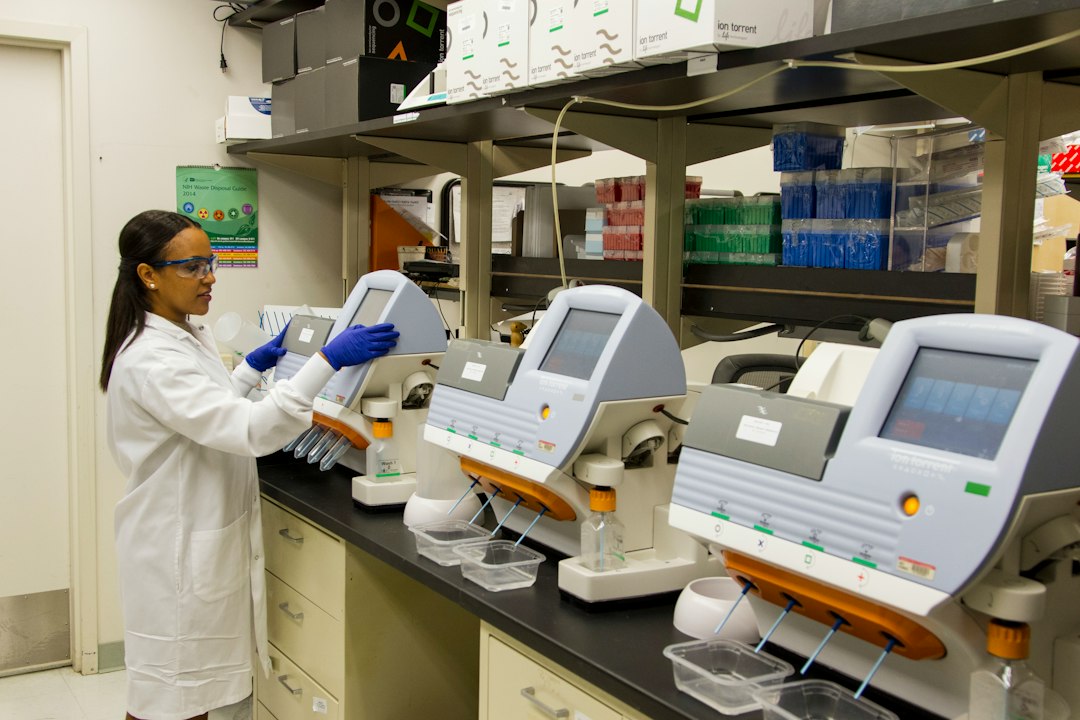
In the intricate world of molecular biology and forensic science, the presence of DNA is the cornerstone of analysis. Whether identifying a perpetrator at a crime scene, diagnosing a genetic disorder, or understanding evolutionary relationships, the accurate detection and interpretation of DNA are paramount. However, this crucial data can be compromised by an insidious adversary: contamination. DNA is ubiquitous; it resides on our skin, in the air, and on surfaces. During the laboratory process of extracting DNA from a sample, there is an inherent risk that extraneous DNA, not belonging to the original source, can be introduced. This is where laboratory extraction blanks, often referred to as process blanks or extraction blanks, play an indispensable role. These meticulously prepared controls act as the silent sentinels, diligently working to detect and quantify DNA contamination that might otherwise go unnoticed, leading to erroneous results and potentially devastating consequences.
The concept behind extraction blanks is elegantly simple yet profoundly effective. They are essentially negative controls, subjected to the identical DNA extraction procedure as the actual samples being analyzed, but with one critical difference: they contain no target DNA to begin with. Imagine a DNA extraction kit being opened, reagents pipetted, and samples processed in the same laboratory environment, on the same day, and by the same personnel as the forensic evidence or clinical specimens. The only distinction is that the “sample” for the extraction blank is a sterile, DNA-free matrix, such as ultrapure water or a buffer solution. By processing these blanks alongside the actual samples, any DNA detected in the blank must, by definition, have been introduced during the extraction process itself. This allows researchers and analysts to identify the source and extent of contamination, enabling them to take corrective actions to ensure the integrity of their primary data. The rigorous implementation and interpretation of extraction blank data are not merely a matter of good practice; they are fundamental to maintaining scientific rigor and ensuring the reliability of DNA-based conclusions.
In forensic science, the use of laboratory extraction blanks is crucial for identifying and mitigating DNA contamination during analysis. These blanks serve as control samples that help detect any extraneous DNA that may inadvertently enter the testing process, ensuring the integrity of the results. For a deeper understanding of how contamination can impact various fields, including historical research, you can explore the article on the political cover-up of ancient history, which discusses the implications of contamination in archaeological findings. For more information, visit this article.
The Genesis of Contamination: Pathways and Pitfalls in DNA Extraction
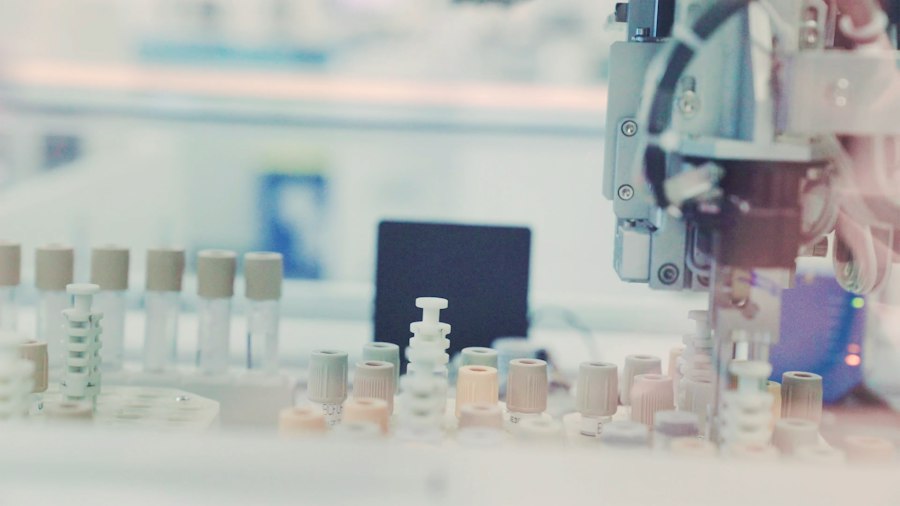
Understanding how DNA contamination arises is crucial for appreciating the importance of extraction blanks. The DNA extraction process, while a standard procedure, is inherently susceptible to introducing foreign DNA at multiple stages. From the initial handling of samples to the final elution of purified DNA, numerous opportunities exist for unwanted genetic material to infiltrate the system. Recognizing these potential entry points is the first step in mitigating contamination and validating the effectiveness of extraction blanks in detecting it.
Environmental Contamination: A Pervasive Peril
The laboratory environment itself can be a significant source of DNA contamination. DNA molecules are shed by individuals present in the lab, whether they are researchers, technicians, or even visitors. These DNA fragments can become airborne and settle on surfaces, reagents, and equipment. Even with stringent laboratory protocols, such as wearing gloves, lab coats, and hairnets, complete elimination of environmental DNA transfer is practically impossible. Aerosols generated during pipetting, vortexing, or centrifuging can carry DNA particles. Furthermore, inadequately cleaned workspaces, shared equipment, or even airflow from ventilation systems can contribute to the dispersion of contaminating DNA. Extraction blanks, by mimicking the laboratory conditions without any target DNA, effectively capture this background environmental DNA, allowing for its quantification. If the level of DNA detected in the blanks exceeds a predefined threshold, it signals that the laboratory environment is contributing significantly to contamination, prompting investigations into air filtration, surface decontamination, and personal protective equipment usage.
Reagent and Consumable Contamination: The Unseen Invaders
The very tools used to extract DNA can themselves be contaminated. Reagents, such as buffers, enzymes, and elution solutions, are manufactured in large batches, and contamination can occur at various stages of production or packaging. Similarly, disposable consumables like pipette tips, microcentrifuge tubes, and DNA purification columns can be inadvertently contaminated during manufacturing, storage, or handling. Even seemingly sterile materials can harbor trace amounts of DNA. For instance, if a batch of pipette tips is processed in a facility where DNA extraction is also performed, there is a risk of cross-contamination. Extraction blanks, which are processed using the same lot numbers of reagents and consumables as the actual samples, are crucial for identifying if a particular batch of reagents or a specific type of consumable is the source of contamination. A positive result in an extraction blank that utilizes a particular reagent or consumable can trigger a quarantine of that batch, preventing further compromised analyses.
Human Error and Sample Handling: The Human Factor
Human error, though often unintentional, remains a significant contributor to DNA contamination. This can manifest in various ways during the extraction process. Improper aseptic techniques, such as touching the inside of a reagent bottle with a gloved finger that has come into contact with another sample, can transfer DNA. Inadvertent contact between different sample tubes or between a sample tube and a contaminated surface is another common route. Cross-contamination between samples during pipetting or processing is also a prevalent issue, especially in high-throughput laboratories. Even during sample preparation before extraction, such as aliquoting or weighing, DNA can be inadvertently transferred. Extraction blanks serve as a critical check on the meticulousness of human procedures. If the blanks show contamination, it strongly suggests that the handling protocols or the training of personnel may need to be reviewed and reinforced. This can lead to enhanced training programs, stricter adherence to standard operating procedures, and the implementation of additional checks to minimize human-introduced contamination.
The Mechanics of Mitigation: How Extraction Blanks Illuminate Contamination
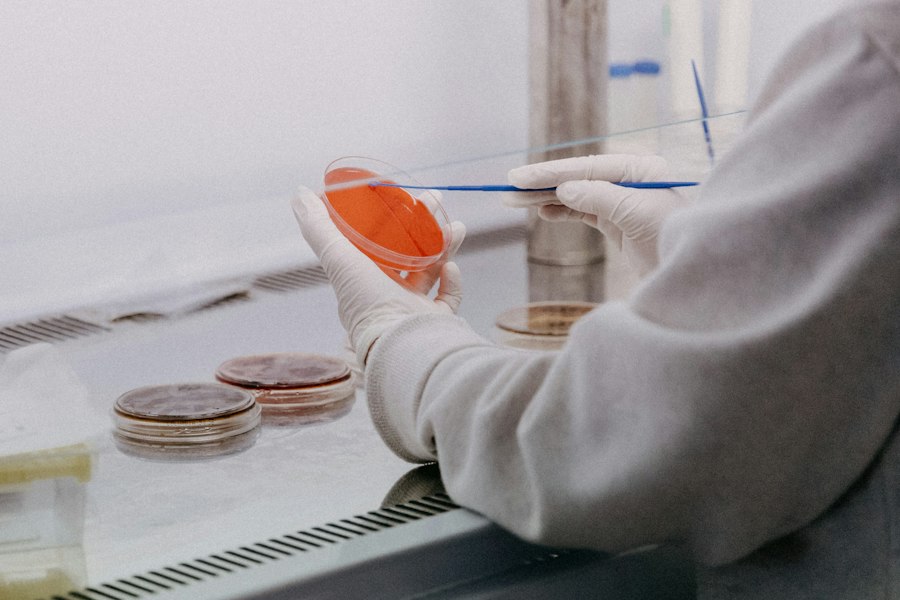
Extraction blanks are not passive observers; they actively contribute to the integrity of DNA analysis by providing quantifiable evidence of contamination. Their value lies in their ability to be processed and analyzed in precisely the same manner as the test samples, allowing for a direct comparison of results. This comparative analysis forms the bedrock of contamination detection and subsequent remedial actions.
Processing Parity: Mimicking the Main Workflow
The fundamental principle behind the efficacy of extraction blanks is their identical treatment to the actual samples. This means that an extraction blank undergoes every single step of the DNA extraction protocol that the research or forensic samples endure. This includes everything from the initial addition of lysis buffers, incubation periods, mixing steps, purification techniques (such as column-based purification or magnetic bead-based separation), to the final elution of DNA. Crucially, the extraction blanks are typically processed concurrently with the test samples, utilizing the same reagents, consumables, and laboratory equipment, and often by the same technician. This parallel processing is vital. If contamination occurs due to a faulty reagent batch, a contaminated piece of equipment, or a flaw in the laboratory environment during a specific run, the extraction blank will capture this contamination alongside the test samples. Without this parity, any DNA detected in a control processed differently would be uninterpretable. The meticulous adherence to identical processing steps ensures that any DNA found in the blank is unequivocally attributable to the extraction procedure itself and not to any pre-existing DNA in the blank matrix or an unrelated procedural deviation.
Analytical Validation: Detecting the Undetected
Once the extraction process is complete, the DNA extracted from the blanks, just like the DNA from the test samples, is subjected to downstream analytical testing. This typically involves quantitative polymerase chain reaction (qPCR) to determine the concentration of DNA present. qPCR is a highly sensitive technique that can detect even minute quantities of DNA. If the extraction blank yields a detectable amount of DNA by qPCR, it serves as a clear indication of contamination. Furthermore, if the downstream analysis involves specific DNA profiling (e.g., Short Tandem Repeat (STR) analysis in forensic science), the blank will also undergo this profiling. The results of these analyses are then compared. If a DNA profile is generated from an extraction blank, it signifies that foreign DNA has been introduced. This detected DNA can then be compared to the profiles of the actual samples. If the profile from the blank matches a profile found in one of the test samples, it strongly suggests that the test sample has been contaminated with DNA that was present in the blank, or vice-versa, depending on the circumstances. This detection capability is paramount in identifying when a potential “hit” in a forensic investigation might actually be the result of laboratory error.
Threshold Setting and Actionable Insights: Quantifying the Threat
The mere presence of DNA in an extraction blank does not automatically invalidate an entire experiment. The level of DNA contamination needs to be assessed in the context of established thresholds. These thresholds are typically determined based on the sensitivity of the downstream analytical methods and the expected amount of DNA in the original samples. For example, in forensic science, where DNA amounts can be very low, even picograms of contaminating DNA can be significant. Laboratory-specific or internationally recognized guidelines often dictate acceptable levels of DNA in extraction blanks. If the DNA quantity detected in an extraction blank falls below the established threshold, it is generally considered acceptable background contamination, and the results from the test samples are deemed reliable. However, if the DNA concentration in the extraction blank exceeds this threshold, it signals a significant contamination event. This finding triggers immediate action. This might involve re-extraction of the compromised samples, discarding the results if they are deemed unreliable, and, most importantly, conducting a thorough investigation into the source of the contamination. This investigation could involve inspecting reagents, cleaning procedures, equipment maintenance, and personnel training to identify and rectify the root cause of the contamination, thereby safeguarding future analyses.
Interpreting the Results: Drawing Conclusions from Blank Analyses
The data generated from analyzing laboratory extraction blanks is not merely a binary “yes” or “no” answer to contamination. A nuanced interpretation is required to draw meaningful conclusions and take appropriate actions. The findings from extraction blanks provide crucial insights into the reliability of the primary sample analyses and guide the subsequent steps in the laboratory workflow.
Identifying the Source: Pinpointing the Culprit
One of the primary objectives of analyzing extraction blanks is to pinpoint the likely source of contamination. If a consistent low-level of DNA is detected across multiple extraction blanks processed within a particular timeframe or using specific reagents, it strongly suggests an environmental or reagent-based source of contamination. This would prompt the laboratory to investigate air quality, surface cleanliness, and the integrity of reagent stocks. Conversely, if contamination is observed in only a few blanks, or if it appears sporadically, it might point towards a more localized issue, such as a temporary lapse in aseptic technique by a specific individual or a brief contamination event with a particular piece of equipment. In forensic casework, if the DNA profile obtained from an extraction blank closely matches a suspect’s DNA profile, it raises a significant red flag, indicating potential contamination of the evidence during processing rather than a genuine link between the suspect and the crime scene. This meticulous comparison of profiles is a critical aspect of validation.
Quantifying the Impact: Assessing the Degree of Contamination
Beyond simply detecting contamination, extraction blanks allow for its quantification. The concentration of DNA detected in the blanks provides a measure of the background level of extraneous DNA present in the laboratory environment and during the extraction process. This quantitative data is vital for assessing the potential impact on the primary samples. For instance, if the amount of DNA extracted from a clinical sample is very low, and the extraction blank shows a comparable or even higher amount of DNA, it suggests that the detected DNA in the primary sample might be largely, if not entirely, due to contamination. In such scenarios, the reliability of the primary sample’s DNA profile would be severely questioned, and it might be deemed uninterpretable. Conversely, if the primary samples yield significantly higher concentrations of DNA compared to the extraction blanks, and the profiles are distinct, it provides greater confidence in the authenticity of the DNA derived from the original source.
Validating the Workflow: Ensuring Data Integrity
Ultimately, the interpretation of extraction blank results serves as a crucial validation step for the entire DNA extraction workflow. A consistent absence of detectable DNA in the extraction blanks provides strong evidence that the laboratory’s protocols, reagents, and procedures are robust and effective in minimizing contamination. This builds confidence in the reliability and accuracy of the data generated from the actual samples. If, however, extraction blanks repeatedly show contamination above acceptable limits, it signifies that the workflow is flawed and requires immediate re-evaluation and improvement. This might involve revising standard operating procedures, investing in better containment measures, enhancing staff training, or changing suppliers for reagents and consumables. The ongoing monitoring of extraction blank results is therefore an integral part of quality assurance and control in any laboratory performing DNA analysis, ensuring that the scientific conclusions drawn are based on genuine genetic material.
In the realm of forensic science, ensuring the integrity of DNA evidence is paramount, and one effective method for identifying contamination is the use of laboratory extraction blanks. These blanks serve as controls, helping to detect any unintended DNA that may be introduced during the extraction process. For a deeper understanding of how contamination can impact scientific integrity, you might find this article on the militarization of the moon particularly insightful, as it discusses the broader implications of maintaining purity in various fields. You can read more about it here.
The Broader Implications: Why Blank Controls Matter in Science
| Metric | Description | Typical Values | Significance in Detecting DNA Contamination |
|---|---|---|---|
| Number of DNA Reads in Extraction Blank | Total DNA sequence reads obtained from the blank sample | 0 – 1000 reads | Higher read counts indicate potential contamination during extraction |
| Percentage of Contaminant DNA | Proportion of reads matching known contaminant sequences | 0% – 5% | Helps quantify contamination level and identify sources |
| Presence of Human DNA | Detection of human-specific DNA sequences in blank | Usually absent or very low | Indicates contamination from lab personnel or reagents |
| Number of Unique Contaminant Taxa | Count of distinct microbial taxa detected in blank | 0 – 10 taxa | Higher diversity suggests multiple contamination sources |
| Cycle Threshold (Ct) Value in qPCR | Number of cycles needed to detect DNA in blank | Typically >35 cycles | Lower Ct values indicate higher contamination levels |
| Blank-to-Sample DNA Ratio | Ratio of DNA quantity in blank compared to actual samples | Higher ratios suggest significant contamination affecting sample integrity |
The meticulous use and interpretation of laboratory extraction blanks extend far beyond the confines of a single experiment or laboratory. They are fundamental to the advancement of scientific knowledge, the integrity of legal proceedings, and the safety of clinical diagnoses. The failure to adequately control for DNA contamination can have far-reaching and detrimental consequences.
Ensuring Reproducibility and Reliability: The Pillars of Science
Scientific progress hinges on the reproducibility and reliability of experimental results. If DNA contamination is not properly controlled, results can be inconsistent and misleading. An experiment that yields a positive result in one instance due to contamination might not be reproducible in subsequent attempts, leading to confusion and hindering the validation of findings. Extraction blanks act as a critical safeguard, ensuring that the observed results are attributable to the biological material under investigation and not to spurious additions of DNA. By demonstrating a low or negligible level of contamination in blanks, researchers provide strong evidence that their experimental conditions are sound, increasing the confidence that their findings can be replicated by other scientists, thereby upholding the rigor and credibility of scientific research.
Upholding Justice: The Forensic Application
In the realm of forensic science, the stakes are incredibly high. DNA evidence is often a critical component in criminal investigations, influencing judgments and determining guilt or innocence. If forensic samples are contaminated during the extraction process, it can lead to false identifications or misinterpretations of evidence. For example, if DNA from an innocent individual involved in sample handling contaminates a crime scene sample, it could wrongly implicate them. Conversely, if DNA from a known offender contaminates a sample from an unrelated victim, it could create a false association. Rigorous use of extraction blanks in forensic laboratories is therefore not just a matter of good practice; it is an ethical and legal imperative. It allows for the crucial distinction between genuine evidence and laboratory artifacts, ensuring that justice is served based on accurate and untainted genetic data. The meticulous analysis of blanks can be a key factor in defending the validity of forensic evidence in court.
Advancing Medical Diagnostics: The Clinical Significance
Accurate DNA analysis is increasingly vital in clinical diagnostics, from identifying genetic predispositions to diseases to monitoring treatment efficacy. In clinical settings, contamination of patient samples can lead to misdiagnoses, incorrect treatment decisions, and unnecessary patient anxiety. For instance, if a diagnostic test for a rare genetic disorder is performed on a sample contaminated with DNA from another individual, it could yield a false positive or a false negative result. This could lead to patients undergoing unnecessary invasive procedures or missing critical therapeutic interventions. Extraction blanks in clinical laboratories help ensure that the genetic information obtained from a patient sample is indeed that of the patient and not an artifact introduced during the laboratory workflow. This enhances the reliability of diagnostic tests, leading to better patient care and improved health outcomes. The presence or absence of DNA in blanks provides a critical layer of assurance for clinicians relying on molecular diagnostics.

The Viking “Bison” Myth That Was Just Debunked
FAQs
What is a laboratory extraction blank?
A laboratory extraction blank is a sample that goes through the same extraction process as the actual samples, but it does not contain any DNA. It is used to monitor and detect contamination during the extraction process.
How do laboratory extraction blanks help catch DNA contamination?
By processing a blank sample alongside the actual samples, any DNA contamination introduced during the extraction process can be identified. If DNA is detected in the blank, it indicates that contamination has occurred.
What are common sources of DNA contamination in laboratory settings?
Common sources of DNA contamination in laboratory settings include airborne DNA, DNA from laboratory personnel, cross-contamination from equipment, and DNA from previous samples processed in the same area.
How are laboratory extraction blanks processed and analyzed?
Laboratory extraction blanks are processed in the same way as the actual samples, including DNA extraction, amplification, and analysis. Any DNA detected in the blank is considered contamination and is used to assess the reliability of the results from the actual samples.
Why is it important to use laboratory extraction blanks in DNA analysis?
Using laboratory extraction blanks is crucial in DNA analysis to ensure the accuracy and reliability of the results. By monitoring and detecting contamination, researchers can identify and address any issues that may affect the integrity of the data obtained from the samples.