The Unraveling of Civilizations: A Bronze Age Confluence of Catastrophe
The late Bronze Age, a period characterized by flourishing trade networks, complex political structures, and monumental architecture across the Eastern Mediterranean and Near East, stands as a testament to human ingenuity and interconnectedness. Yet, this era of unprecedented advancement also witnessed a dramatic and widespread collapse, a phenomenon that has long captivated and perplexed archaeologists and historians. Recent discoveries and the re-evaluation of existing evidence are increasingly pointing towards a striking convergence of factors, revealing remarkable parallels in the way these diverse Bronze Age societies unraveled. This article delves into the archaeological evidence that illuminates these shared trajectories of decline, exploring the common threads that may have led to the demise of once-mighty kingdoms and empires.
The study of the Bronze Age collapse has garnered significant attention in recent years, particularly as researchers draw parallels between ancient societal failures and modern geopolitical tensions. A related article that explores the complexities of historical conflicts and their implications can be found at The Battle of Belgium: Flanders vs. Wallonia. This piece delves into the socio-political dynamics that can lead to societal fragmentation, echoing themes observed in the archaeological evidence surrounding the decline of Bronze Age civilizations.
Echoes of Upheaval: The Widespread Nature of the Collapse
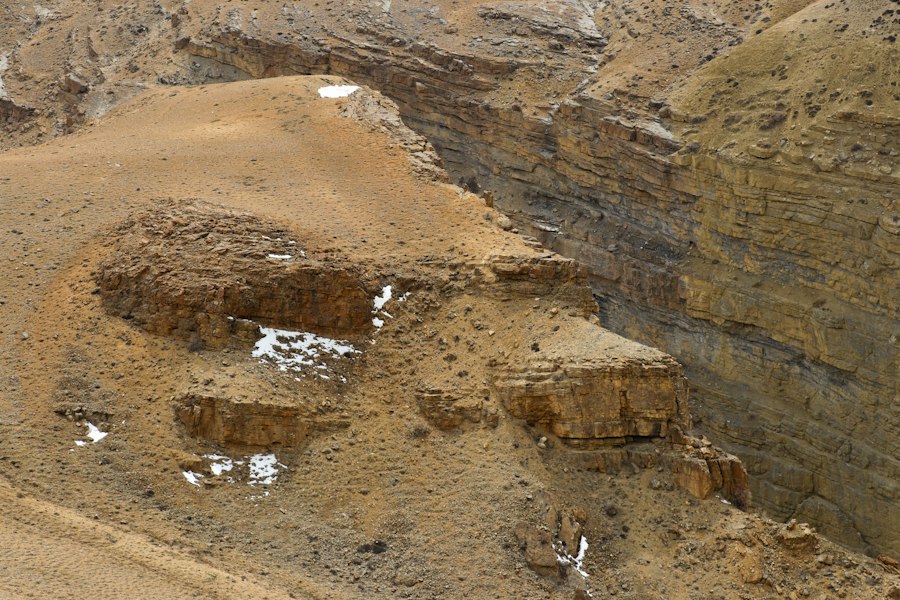
The Late Bronze Age collapse, often dated to around the 12th century BCE, was not an isolated incident confined to a single region. Instead, it was a pan-Mediterranean and Near Eastern event, affecting civilizations from Greece and the Aegean to Anatolia, the Levant, Mesopotamia, and even parts of Egypt. The archaeological record bears witness to this widespread disruption through a common set of indicators: the abandonment of major urban centers, the destruction of fortified cities, the disruption of long-distance trade routes, and a general decline in artistic and material culture. The sheer geographical scope of this upheaval suggests that the causes were not localized but rather systemic, affecting a connected world.
Shattered Cities and Deserted Settlements
One of the most potent archaeological signatures of the Bronze Age collapse is the evidence of widespread urban destruction and subsequent abandonment. Sites that had thrived for centuries, boasting impressive palaces, temples, and extensive fortifications, were suddenly left desolate. In the Aegean, Mycenaean centers like Mycenae, Tiryns, and Pylos, which had been bastions of power and wealth, show clear signs of violent destruction, with palaces burned and settlements razed. Similarly, in Anatolia, the Hittite capital of Hattusa was sacked and abandoned. The Levant, too, presents a grim picture: major Canaanite cities such as Ugarit, Hazor, and Megiddo experienced destruction and depopulation. Even Egypt, while largely spared direct invasion of its core territories, suffered significant losses in its northern territories and experienced a weakening of its centralized authority, reflected in abandoned administrative centers and a decline in monumental building projects. The sheer number of these abandoned sites, often found with layers of ash and destruction debris, paints a picture of a region plunged into chaos and instability.
The Silence of Trade Routes
The Bronze Age was an era of intense maritime and overland trade, connecting distant lands and facilitating the exchange of goods, ideas, and technologies. The collapse of this interconnected network is another crucial piece of archaeological evidence. The widespread destruction of port cities and the interruption of established trade routes would have had devastating economic consequences for societies reliant on these exchanges. For instance, the cessation of copper and tin trade, vital for bronze production, would have crippled economies. The archaeological evidence for this disruption is seen in the sudden disappearance of exotic goods, such as amber from the Baltic, lapis lazuli from Afghanistan, and obsidian from various sources, from many sites. The decline in the production of finely crafted pottery and metalwork, often using materials sourced from afar, further testifies to the breakdown of these trade arteries. The silence on these once-bustling routes signals a profound economic and social fragmentation.
A Diminution of Grandeur
Beyond the physical destruction and economic disruption, the archaeological record also points to a decline in the sophistication and scale of cultural production following the collapse. While it is crucial to avoid generalizations, many regions experienced a period of reduced artistic output, smaller-scale settlements, and a simplification of material culture. This is often referred to as a “dark age” in some of these regions, a period where monumental architecture declined, writing systems may have fallen out of common use (or were applied to fewer purposes), and craftsmanship became less refined. This cultural dimming, evident in the archaeological layers, suggests a loss of accumulated knowledge, a disruption of specialized crafts, and a societal focus on survival rather than grand artistic endeavors.
The Gathering Storm: Multifaceted Drivers of Collapse
While the evidence of widespread destruction and disruption is clear, the underlying causes of the Bronze Age collapse remain a subject of intense debate. However, a growing consensus among archaeologists suggests that no single factor was solely responsible. Instead, a confluence of interconnected environmental, social, and military pressures likely converged to create a perfect storm, pushing these complex societies beyond their breaking point. The archaeological evidence, when examined through multiple lenses, reveals how these different drivers played out in tandem.
Climate’s Cruel Hand: Drought and Famine
Increasingly, scientific analyses of paleoclimate data, derived from ice cores, lake sediments, and tree rings, are pointing to significant climatic shifts in the late Bronze Age. Widespread and prolonged droughts are particularly implicated, impacting agricultural productivity and leading to widespread famine. Archaeological evidence can corroborate these findings. For example, pollen analysis from ancient lake beds can reveal changes in vegetation patterns indicative of drier conditions. The study of animal bones from archaeological sites can reveal shifts in herd composition and the presence of species adapted to drier environments. Furthermore, inscriptions and textual records from some regions, such as those found in Ugarit, allude to severe food shortages and desperate pleas for grain. The impact of drought would have been devastating for societies heavily reliant on rain-fed agriculture, leading to social unrest, mass migrations, and increased competition for dwindling resources.
The Unseen Enemy: Disease and Epidemics
While direct archaeological evidence for specific diseases is often elusive, the conditions created by drought, famine, and the movement of displaced populations would have been ripe for the spread of epidemics. Archaeological studies of human remains can sometimes reveal evidence of malnutrition and stress, which weaken immune systems. The dense populations within Bronze Age cities, combined with stressed populations and potential disruptions to sanitation, would have created ideal breeding grounds for infectious diseases. The sudden depopulation of some sites, even in the absence of clear signs of violent destruction, could, in some instances, be attributed to disease outbreaks. The interconnectedness of the Bronze Age world also meant that diseases could travel rapidly along trade routes, potentially exacerbating local crises.
Shifting Sands of Power: Internal Strife and Social Unrest
The stresses imposed by environmental degradation and resource scarcity would have inevitably placed immense pressure on the social and political structures of Bronze Age societies. Archaeological evidence for internal conflict can be found in the form of fortifications being strengthened, or in instances of internal destruction within cities that cannot be attributed to external forces. The concentration of wealth and power in the hands of ruling elites, common in Bronze Age kingdoms, could have led to resentment and rebellion among the general populace, especially during times of hardship. The disruption of agricultural production and trade would have weakened the economic base of these elites, potentially undermining their authority and leading to internal fragmentation.
The Barbarian at the Gate: The Enigma of the “Sea Peoples”
Perhaps the most enigmatic, yet frequently cited, factor in the Bronze Age collapse is the appearance of groups referred to in Egyptian and Near Eastern texts as the “Sea Peoples.” These enigmatic confederations of migrants and raiders are described as attacking and overwhelming various regions. Archaeological evidence for their presence includes destruction layers at sites attributed to their incursions, the appearance of distinctive pottery styles in certain regions, and the migration of populations. The exact origins and composition of the Sea Peoples remain a mystery, but their disruptive activities, whether as organized invaders or as part of larger migratory waves driven by the same pressures affecting established societies, undoubtedly contributed to the widespread instability. Their attacks on cities and disruption of maritime routes would have amplified the existing crises.
Converging Catastrophes: Interconnected Systems Under Strain
The most compelling aspect of the Bronze Age collapse, and the focus of much recent archaeological research, is the interconnectedness of these various pressures. The collapse was not simply a series of isolated events but rather a cascade of failures within a highly integrated system. The archaeological evidence for this interconnectedness is found in the way different regions experienced similar patterns of decline, and how the breakdown in one area had ripple effects in others.
The Domino Effect: From Environmental Stress to Societal Breakdown
The interconnectedness of Bronze Age societies meant that environmental pressures, such as drought, could have far-reaching consequences. Prolonged drought would have led to crop failures, exacerbating food shortages. This, in turn, could have triggered mass migrations as populations sought more fertile lands. These migrations would have placed additional strain on the resources of neighboring regions and could have led to conflict. Furthermore, weakened states, struggling with internal unrest and food scarcity, would have been more vulnerable to external threats, including the incursions of groups like the Sea Peoples. The archaeological record often shows a sequence of events: evidence of drought followed by signs of societal stress, then destruction and abandonment, and finally, the arrival of new, often less sophisticated, material cultures.
The Vulnerability of Complexity
The very complexity that defined the late Bronze Age also rendered it vulnerable. Highly specialized economies, reliant on long-distance trade for essential resources like tin and copper, were acutely susceptible to disruptions in these networks. Similarly, centralized political structures, dependent on efficient administration and taxation, could crumble quickly when faced with widespread famine and social unrest. Archaeological evidence for this vulnerability can be seen in the rapid decline of sophisticated infrastructure and the loss of specialized crafts following the collapse. The intricate web of relationships, both economic and political, that had sustained these civilizations became a liability when stretched too thin.
A Connected World in Crisis
The Bronze Age collapse serves as a stark reminder of the fragility of complex, interconnected systems. The archaeological evidence, from the scorched ruins of cities to the silent trade routes and the subtle shifts in climate and culture, all speak to a shared experience of profound disruption. The late Bronze Age was a period where many civilizations reached the zenith of their power and influence, only to be brought down by a confluence of factors that tested the resilience of their carefully constructed societies. The widespread parallels in their unraveling underscore the interconnectedness of the ancient world and the common vulnerabilities inherent in such sophisticated civilizations.
Recent studies have shed light on the archaeological evidence surrounding the Bronze Age collapse, revealing intriguing parallels with modern challenges faced by ancient civilizations. For instance, the article on surviving drought in ancient civilizations discusses various techniques that were employed to combat environmental stressors, which can be linked to the factors contributing to the decline of Bronze Age societies. Understanding these strategies not only provides insight into the resilience of past cultures but also offers valuable lessons for contemporary societies facing similar threats. To explore this topic further, you can read the article here.
Lessons from the Ruins: Archaeological Insights for Today
| Metric | Bronze Age Collapse Evidence | Parallels in Other Civilizations | Notes |
|---|---|---|---|
| Destruction Layers | Widespread destruction in Late Bronze Age cities (circa 1200 BCE) | Similar destruction layers found in Mycenaean Greece, Hittite cities, and Levantine sites | Indicates simultaneous societal collapse or invasions |
| Abandonment of Urban Centers | Many major cities abandoned or significantly reduced in size | Parallels with collapse of urban centers in Mesopotamia and Egypt | Suggests economic and social disruption |
| Decline in Trade Networks | Reduction in long-distance trade evidenced by fewer imported goods | Similar trade decline seen in contemporaneous civilizations | Trade collapse contributed to economic downturn |
| Changes in Material Culture | Shift from bronze to iron tools and weapons | Iron Age emergence in other regions following collapse | Technological transition linked to resource scarcity |
| Population Decline | Archaeological evidence of reduced population density | Population drops noted in other ancient societies during collapse periods | May be due to famine, warfare, or migration |
| Evidence of Invasions or Migrations | Signs of new groups settling in formerly stable regions | Parallels with “Sea Peoples” and other migratory events | Contributed to destabilization of established states |
The study of the Bronze Age collapse is not merely an academic pursuit; it offers valuable insights into the dynamics of societal resilience and vulnerability that remain relevant today. The archaeological evidence, meticulously pieced together from sites across a vast geographical expanse, provides a historical laboratory for understanding how complex systems respond to multiple, interacting pressures.
Resilience and Adaptability in the Face of Catastrophe
While the term “collapse” often implies complete destruction, it is crucial to recognize that the Bronze Age did not represent a complete end to civilization. Rather, it was a period of profound transformation. Many societies adapted, restructured, and eventually re-emerged in new forms. The archaeological record shows evidence of smaller, more localized settlements, the development of new technologies, and the gradual re-establishment of trade networks. Understanding the strategies that facilitated survival and adaptation in the aftermath of the collapse, such as increased local self-sufficiency or the formation of new political alliances, can offer lessons for contemporary societies facing their own challenges. The capacity for innovation and adaptation in the face of adversity is a recurring theme in human history, and the Bronze Age collapse is a potent example.
The Interplay of Global Systems
The interconnectedness that characterized the late Bronze Age is mirrored in our own globalized world. The challenges of climate change, resource scarcity, and the potential for widespread pandemics transcend national borders and require international cooperation. The archaeological evidence from the Bronze Age collapse highlights how localized problems can quickly escalate into regional and even global crises when systems are highly integrated. It underscores the importance of understanding these interdependencies and proactively addressing the systemic risks that can arise from them. The failure of ancient empires to adequately respond to interconnected threats serves as a cautionary tale for the modern era.
The Importance of Interdisciplinary Approaches
Unraveling the complexities of the Bronze Age collapse has necessitated a multidisciplinary approach, drawing on expertise from archaeology, climatology, environmental science, genetics, and textual analysis. This integration of diverse methodologies is crucial for a holistic understanding of past events and offers a model for addressing complex contemporary issues. By combining the tangible evidence from archaeological sites with data from other scientific disciplines, researchers can paint a more comprehensive and nuanced picture of past societies and their interactions with their environment. This collaborative spirit is essential for tackling the multifaceted challenges of the 21st century.
The study of the Bronze Age collapse has revealed fascinating parallels with other historical events, shedding light on the complexities of societal decline and transformation. For those interested in exploring how ancient maps and navigational knowledge might provide insights into this period, a related article delves into the intriguing details of the Piri Reis map and its implications for understanding ancient civilizations. You can read more about it in this insightful piece on decoding the Piri Reis map.
The Enduring Enigma and the Ongoing Quest for Understanding
Despite decades of dedicated research, the Bronze Age collapse continues to hold an element of mystery. The precise origins and motivations of the Sea Peoples, the exact interplay of climatic factors, and the detailed internal dynamics of each collapsing society remain subjects of ongoing investigation and debate. However, the accumulating archaeological evidence consistently points towards a shared experience of profound systemic stress.
Unanswered Questions and Future Directions
While significant progress has been made, numerous questions still linger. The precise impact of specific diseases on population decline, the full extent of the Sea Peoples’ movements and their impact on different regions, and the detailed socio-economic ramifications of disrupted trade routes are all areas where further research is needed. New archaeological discoveries, advanced dating techniques, and innovative analytical methods will undoubtedly continue to shed light on these remaining enigmas. The ongoing exploration of less-studied sites and the re-examination of existing collections with new technologies hold the promise of revealing further details about this pivotal period in human history.
The Bronze Age as a Mirror to the Present
The archaeological record of the Bronze Age collapse serves as a powerful historical mirror, reflecting both the triumphs and the vulnerabilities of human civilization. The patterns of interconnectedness, environmental pressures, and societal resilience observed in this ancient period offer valuable lessons for understanding our own complex world. As societies grapple with the challenges of climate change, resource management, and global interconnectedness, the story of the late Bronze Age collapse serves as a poignant reminder of the intricate balance required for long-term societal stability and the potential consequences of systemic failure. The ongoing quest to understand this pivotal moment in history continues to inform our understanding of human history and our place within it.

The Viking “Bison” Myth That Was Just Debunked
FAQs
What is the Bronze Age Collapse?
The Bronze Age Collapse was a mysterious period around 1200 BCE when several major civilizations in the Eastern Mediterranean and Near East abruptly collapsed, leading to widespread societal disruption and cultural decline.
What are some key archaeological sites that provide evidence of the Bronze Age Collapse?
Some key archaeological sites that provide evidence of the Bronze Age Collapse include Mycenae and Tiryns in Greece, Hattusa in Turkey, Ugarit in Syria, and Megiddo in Israel.
How do archaeologists use parallels to understand the Bronze Age Collapse?
Archaeologists use parallels by comparing the patterns of collapse, destruction layers, and cultural changes across different regions affected by the Bronze Age Collapse to identify common factors and potential causes of the societal breakdown.
What are some common theories about the causes of the Bronze Age Collapse?
Some common theories about the causes of the Bronze Age Collapse include invasions by the Sea Peoples, climate change leading to droughts and crop failures, internal rebellions and social unrest, and the breakdown of trade networks.
What lessons can be learned from studying the archaeological evidence of the Bronze Age Collapse?
Studying the archaeological evidence of the Bronze Age Collapse can provide insights into the fragility of complex societies, the interconnectedness of civilizations, the impact of environmental factors on human societies, and the importance of resilience and adaptability in the face of societal collapse.