
The wind, a silent sculptor of epochs, has long swept across burial sites, scattering the sands of time over the remains of those who walked the Earth millennia ago. Yet, within the very structure of our ancient ancestors, a remarkable testament to their existence persists: their DNA. For centuries, understanding these past lives was largely confined to the interpretation of skeletal remains, pottery shards, and faded inscriptions. Today, however, a revolutionary field is unlocking the secrets held within the very building blocks of life itself, allowing scientists to literally read the genetic blueprints of those long gone. This is the realm of ancient DNA sequencing, a discipline that is transforming our understanding of human history, migration, disease, and evolution.
The Fragile Legacy: Unearthing Ancient DNA
The journey of ancient DNA from the earth to the laboratory is fraught with peril. DNA, the molecule that carries our genetic instructions, is a surprisingly delicate entity. Exposed to the elements – heat, moisture, microbial activity, and radiation – it begins to degrade almost immediately after death. Over vast stretches of time, this degradation escalates, breaking down the long, intact strands of DNA into tiny, fragmented pieces. This inherent fragility poses the first and perhaps most significant hurdle for scientists seeking to reconstruct the genetic past.
The Whispers in the Bone: Preferred Sources of Ancient DNA
While soft tissues like skin and muscle are rich in DNA, they rarely survive the ravages of time, especially in warmer climates. Bones and teeth, on the other hand, offer a more resilient sanctuary. The mineralized matrix of bone and the enamel of teeth provide a protective environment, shielding the fragile DNA from immediate decay. Within these hard structures, DNA molecules can remain preserved for tens of thousands, and in some exceptional cases, even hundreds of thousands of years. Specific regions within bones, such as the dense petrous part of the temporal bone, have proven to be particularly rich in endogenous (originating from the organism itself) ancient DNA, often yielding higher quantities and better quality samples compared to other skeletal elements. Similarly, teeth, especially the pulp cavity, can preserve DNA remarkably well.
The Shadow of Contamination: Distinguishing the Ancient from the Modern
One of the most persistent challenges in ancient DNA research is the ubiquitous presence of modern DNA. Every surface, every tool, and every individual involved in the excavation and processing of ancient samples carries their own genetic material. This modern DNA can easily contaminate the ancient sample, leading to erroneous results. Imagine trying to decipher a faded manuscript while someone is constantly scribbling over it with a modern pen – the challenge is similar. Rigorous cleanroom protocols, dedicated ancient DNA facilities, and meticulous handling procedures are paramount to minimize this contamination. Scientists often employ “blank” controls, running the same extraction and sequencing processes on sterile reagents, to detect and quantify any background contamination. Furthermore, statistical methods are used to filter out sequences that show hallmarks of modern contamination, such as damage patterns that differ from expected ancient DNA degradation.
Scientists have made remarkable advancements in sequencing DNA from ancient hair, allowing them to unlock secrets about our ancestors and their migrations. This innovative technique has provided insights into genetic diversity and the adaptation of ancient populations. For a deeper understanding of how modern science intersects with historical narratives, you can explore a related article that discusses the implications of genetic research on contemporary issues, such as the challenges posed by foreign markets. Check it out here: Chinese EVs Threat to US Market.
From Fragment to Genome: The Art and Science of Sequencing
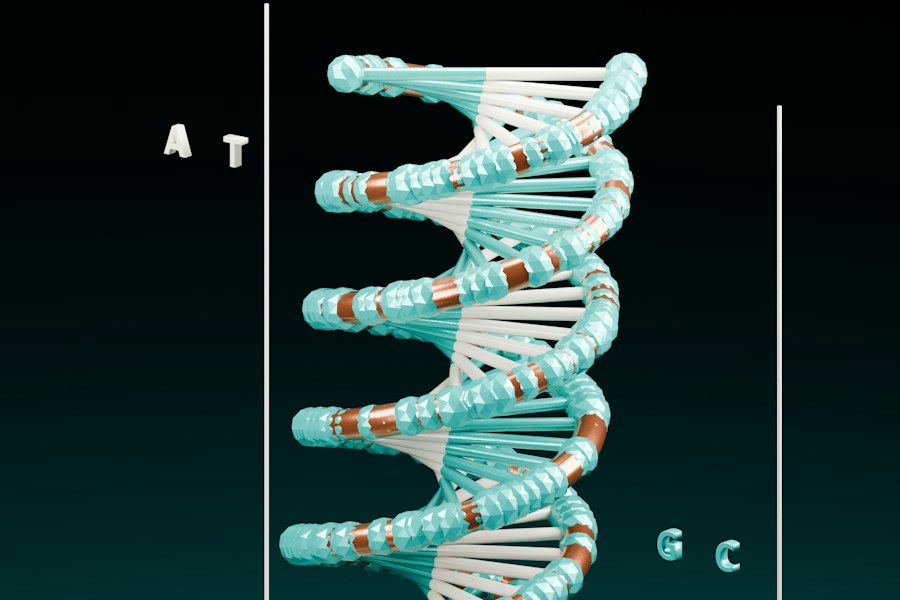
Once a promising sample is collected, the real work of DNA recovery and analysis begins. This process is a complex interplay of molecular biology, chemistry, and bioinformatics, aiming to reconstruct the genetic story from the scattered fragments. The goal is to convert the ancient DNA molecules into a format that can be read and analyzed by sophisticated sequencing machines.
Extracting the Ghost: Isolating Ancient Genetic Material
The first step involves carefully breaking down the bone or tooth sample to release the DNA trapped within its matrix. This is typically achieved through grinding the sample into a fine powder and then treating it with chemical solutions that dissolve the mineral components and release the DNA. These solutions must be carefully chosen to preserve the DNA fragments while effectively removing inhibitors that could interfere with subsequent steps. The process is delicate, as harsh chemicals or excessive heat can further damage the already fragile DNA. Following the extraction, the DNA is then purified, separating it from other cellular components and residual chemicals.
Building the Bridge: DNA Fragmentation and Library Preparation
Ancient DNA is notoriously fragmented, meaning the original long strands of DNA have broken down into short pieces, often only tens or a couple of hundred base pairs long. These fragments are too short to be directly sequenced by most modern sequencing technologies, which require longer DNA strands to assemble a complete genome. Therefore, scientists employ a technique called library preparation. This involves taking the extracted DNA fragments and attaching short, known DNA sequences, called adapters, to both ends of each fragment. These adapters serve as anchors, allowing the DNA fragments to bind to the sequencing platform and providing the necessary signals for the sequencing machine to read.
The Next Generation: Sequencing the Ancient Code
With the DNA fragments “tagged” with adapters, they are ready for sequencing. The most common technology used today is next-generation sequencing (NGS). NGS platforms work by essentially breaking down the sequencing process into millions of parallel reactions. In essence, the DNA fragments are attached to a solid surface, and then a chemical process is initiated that detects the addition of each DNA base (A, T, C, or G) as it is incorporated into a growing DNA strand. This generates millions of short DNA reads, each representing a small piece of the original ancient genome. These reads are then computationally assembled and aligned to a reference genome, allowing scientists to piece together the genetic information of the ancient individual.
Reconstructing Ancestry: Unraveling Migrations and Relationships
The ultimate prize of ancient DNA sequencing lies in its ability to provide unprecedented insights into the past lives of individuals and populations. By analyzing the genetic variations within ancient DNA, scientists can reconstruct family trees, trace migratory patterns, and understand the demographic history of our species.
The Family Tree of Humanity: Tracing Our Roots Through Time
One of the most profound applications of ancient DNA is in understanding human migration. By comparing the genomes of ancient individuals from different regions and time periods, scientists can identify genetic lineages and track how populations moved and intermingled across continents. For instance, studies of ancient European DNA have revealed complex patterns of migration, with different groups arriving and interacting over thousands of years, shaping the genetic landscape we see today. Similarly, research into the peopling of the Americas has been revolutionized by ancient DNA, providing evidence for the timing and routes of early human entry into the continent. These genetic footprints allow us to redraw the maps of human history, moving beyond archaeological interpretations to a more precise understanding of our ancestral journeys.
The Unseen Connections: Identifying Kin and Clan
Ancient DNA also offers a unique window into social structures and kinship. By analyzing the genomes of individuals buried together in the same archaeological context, researchers can identify familial relationships, such as parents and children, siblings, and more distant relatives. This can reveal details about inheritance practices, social organization, and even the composition of ancient families and communities. For example, studies of ancient Siberian burial sites have uncovered evidence of complex family units and societal structures that were previously only inferred from burial rituals. The ability to definitively identify kinship bonds among ancient individuals adds a deeply personal dimension to our understanding of the past.
Echoes of the Past: Disease, Diet, and Adaptation
Beyond tracing lineage, ancient DNA sequencing provides a powerful tool for understanding how past populations interacted with their environment and faced challenges like disease and nutritional scarcity. By examining the genetic makeup of ancient individuals, scientists can gain insights into their susceptibility to certain diseases, their dietary habits, and their adaptations to different climates.
The Ancient Scars of Sickness: Uncovering Historical Pathogens
The study of ancient DNA has been instrumental in understanding the evolution of infectious diseases and their impact on past human populations. By sequencing the DNA of pathogens found in ancient remains, scientists can identify ancient strains of diseases like plague, tuberculosis, and leprosy. This allows them to track the emergence and spread of these diseases through history, understand their virulence, and even identify genetic adaptations in past humans that conferred resistance or susceptibility. For example, recent research has shed light on the genetic factors that may have contributed to the devastating impact of the Black Death in medieval Europe. Understanding these historical pandemics can offer valuable insights into how modern populations might respond to emerging infectious diseases.
The Taste of Time: Reconstructing Ancient Diets
The diet of ancient peoples is another aspect that can be illuminated by ancient DNA. While direct evidence of diet comes from archaeological findings like preserved food remains and analysis of skeletal isotopes, ancient DNA can provide additional clues. For instance, by sequencing the DNA of gut microbes preserved in ancient fecal matter or in the dental calculus (calcified plaque) on ancient teeth, researchers can infer the types of food consumed. This can reveal shifts in diet over time, the impact of agricultural practices, and the nutritional challenges faced by different populations. For example, analyzing dental calculus from ancient populations has revealed evidence of carbohydrate consumption, indicating the introduction and cultivation of grains.
Adapting to Survive: Genetic Responses to Environmental Pressures
Throughout human history, populations have faced diverse environmental pressures, from extreme climates to new pathogens. Ancient DNA can reveal the genetic adaptations that allowed humans to survive and thrive in these varied conditions. By comparing the genomes of ancient individuals from different geographical locations, scientists can identify genes that show signs of natural selection. These genes might be associated with traits like heat or cold tolerance, altitude adaptation, or even the ability to digest new food sources. For example, studies have identified genetic adaptations in ancient populations living at high altitudes, such as in Tibet, that confer advantages in low-oxygen environments. This genetic legacy of adaptation highlights the remarkable resilience and ingenuity of our ancestors.
Scientists have made remarkable advancements in sequencing DNA from ancient hair, allowing them to uncover genetic information about long-lost civilizations. This process not only sheds light on the genetic makeup of ancient populations but also provides insights into their lifestyles and environments. For instance, the study of ancient Persian societies has revealed fascinating connections between their agricultural practices and the sophisticated water management systems they developed. To learn more about these incredible engineering feats, you can read about the ancient Persian qanat system in this article here.
The Future is Ancient: New Horizons in Paleogenomics
| Step | Description | Key Metrics | Challenges |
|---|---|---|---|
| Sample Collection | Careful extraction of ancient hair samples from archaeological sites | Sample age: up to 10,000 years Hair length: 1-5 cm |
Contamination with modern DNA Degradation of hair structure |
| Decontamination | Cleaning hair surface to remove external contaminants | Reduction of contaminant DNA by >90% | Preserving endogenous DNA while removing contaminants |
| DNA Extraction | Using specialized protocols to extract DNA from hair keratin | DNA yield: 1-10 ng per mg of hair Fragment size: 30-100 base pairs |
Low quantity and highly fragmented DNA |
| Library Preparation | Converting extracted DNA into sequencing libraries | Library complexity: 10^4 – 10^6 unique molecules | Damage patterns causing sequencing errors |
| Sequencing | High-throughput sequencing platforms (e.g., Illumina) | Read length: 50-150 bp Coverage: 1-10x genome coverage |
Short reads complicate assembly |
| Data Analysis | Bioinformatics pipelines to reconstruct ancient DNA sequences | Endogenous DNA content: 1-20% Damage pattern identification |
Distinguishing authentic ancient DNA from contamination |
The field of ancient DNA sequencing is still in its relative infancy, and the pace of discovery is accelerating at an astonishing rate. As technologies improve and our understanding of DNA degradation and contamination deepens, the potential for unlocking even older and more challenging samples continues to grow. The future of paleogenomics promises even more profound revelations about our shared past.
Pushing the Boundaries: Reaching Further Back in Time
The current record for successfully sequencing ancient human DNA extends to hundreds of thousands of years, but researchers are constantly striving to push this boundary further. Advances in DNA extraction techniques, more sensitive sequencing technologies, and sophisticated computational methods for handling degraded DNA are all contributing to the ability to recover genetic material from increasingly ancient samples. The ultimate goal is to be able to access the genetic information of early hominins, providing direct genetic evidence of our evolutionary journey and the divergence of our lineage from other primate groups.
Ethical Considerations and the Future of Ancestry
As the ability to sequence ancient DNA becomes more widespread, ethical considerations surrounding the use and interpretation of this data are becoming increasingly important. Questions about ownership of ancient genetic material, the privacy of ancient individuals’ genomes, and the potential for misinterpretation or misuse of genetic information are subjects of ongoing discussion within the scientific community and among the public. Ensuring responsible research practices, engaging with descendant communities, and promoting transparency are crucial for the continued ethical advancement of paleogenomics. The future will likely see a greater emphasis on collaborative research, with scientists working closely with archaeologists, anthropologists, and indigenous groups to ensure that the insights gained from ancient DNA are used to enrich our understanding of the past in a respectful and inclusive manner. The deciphering of ancient hair, bones, and teeth is not merely a scientific endeavor; it is an ongoing dialogue with our ancestors, a profound journey into the very fabric of our shared human story.
The Viking “Bison” Myth That Was Just Debunked
FAQs
1. How do scientists extract DNA from ancient hair samples?
Scientists use a process called polymerase chain reaction (PCR) to amplify the DNA extracted from ancient hair samples. This technique allows them to make millions of copies of the DNA for further analysis.
2. What challenges do scientists face when sequencing DNA from ancient hair?
One of the main challenges is DNA degradation over time, which can result in fragmented and damaged DNA. Contamination from modern sources and the presence of inhibitors in the sample can also complicate the sequencing process.
3. How do scientists ensure the accuracy of DNA sequencing from ancient hair?
Scientists take precautions such as working in cleanroom facilities, using protective gear, and employing strict protocols to prevent contamination. They also compare and cross-reference the DNA sequences obtained from multiple samples to verify their accuracy.
4. What information can be obtained from sequencing DNA from ancient hair?
By sequencing DNA from ancient hair, scientists can determine the genetic makeup of the individual, including their ancestry, sex, and potential genetic traits. This information can provide insights into the population history and migration patterns of ancient civilizations.
5. How is the data from DNA sequencing of ancient hair used in scientific research?
The data obtained from DNA sequencing of ancient hair is used in various fields such as archaeology, anthropology, and evolutionary biology. It helps researchers reconstruct the genetic history of human populations, study ancient diseases, and understand the genetic adaptations of ancient individuals to their environments.