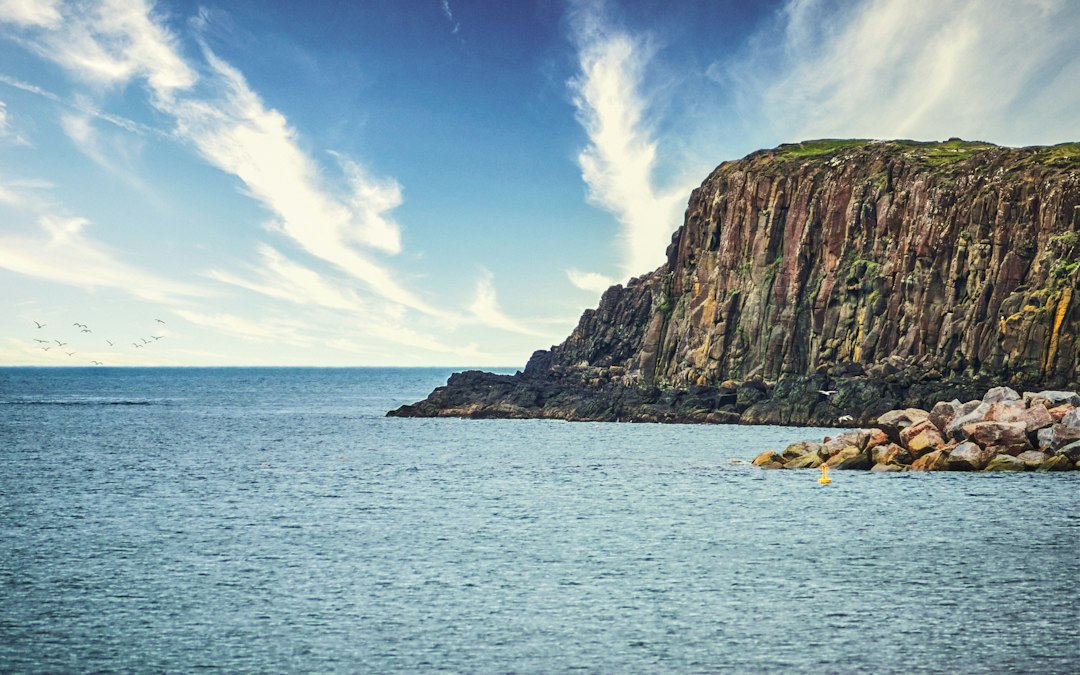
The rhythmic creak of timber, the taut strain of a sail against the wind, and the chilling spray of the North Atlantic – these were the hallmarks of Viking voyages. For centuries, the Norsemen dominated the seas, their iconic longships serving as the vessels of conquest, trade, and unparalleled exploration. These magnificent warships were more than just boats; they were symbols of a daring and ambitious people who dared to venture into the unknown, forging new paths across treacherous waters and leaving an indelible mark on the history of seafaring and global expansion. Their mastery of North Atlantic sea travel and exploration was not born of chance, but of ingenious design, skilled craftsmanship, and an unyielding spirit of adventure.
The Ingenuity of Viking Ship Design
The longship was a marvel of engineering for its time, a testament to the practical brilliance of the Viking age. Its design was a delicate balance of speed, seaworthiness, and adaptability, crucial for navigating the unpredictable conditions of the North Atlantic. Every curve, every plank, every seam was meticulously crafted to withstand the harsh realities of oceanic travel.
The Sleek Hull: Speed and Stability
The defining characteristic of the longship was its long, narrow, and symmetrical hull. This elegant shape provided a low center of gravity, crucial for stability in rough seas. The double-ended design, with a pointed bow and stern, allowed the ship to be maneuvered quickly and efficiently in both directions, eliminating the need for time-consuming turns. This was particularly advantageous in narrow fjords or when evading pursuers. The hull was typically clinker-built, meaning that the overlapping planks, or strakes, were riveted together. This method created a strong yet flexible shell that could absorb the stresses of wave action, preventing the ship from breaking apart. The absence of a heavy keel, common in later sailing vessels, further contributed to the longship’s shallow draft. This allowed them to navigate shallow rivers and beaches, granting them access to inland settlements for raids or trade, a capability that greatly expanded their operational reach. The sheer length of the ships, often exceeding 30 meters, provided ample space for oarsmen, cargo, and warriors, while also offering a degree of buoyancy that countered the inherent instability of such a slender form. The hull’s construction, often from oak for its strength and rot resistance, was a labor-intensive process requiring immense skill and knowledge of wood properties.
The Mighty Sail and Oars: Powering the Voyage
The propulsion system of the longship was a dual-threat combination of a square sail and a formidable number of oars. The large, rectangular sail, typically made from wool or animal hides, was highly effective when the wind was favorable, allowing for rapid progress across open waters. However, its limitations became apparent when sailing against the wind. This is where the oars came into play. A well-drilled crew of oarsmen, often numbering 20 to 40 or even more, could propel the longship with surprising speed and maneuverability, even in adverse wind conditions. The placement of the oar ports, known as tholes, along the gunwales allowed for efficient rowing, and the oars themselves were expertly crafted to minimize drag. The synchronized effort of the oarsmen was a testament to the strict discipline and training that characterized Viking crews. This dual-propulsion system gave the longships a remarkable versatility, enabling them to cover vast distances efficiently, whether relying on the power of the wind or the sheer human will of their rowers. The ability to switch seamlessly between sail and oar power was a critical factor in their success as explorers, allowing them to navigate a wide range of oceanic and coastal environments.
The Open Deck and Lack of Fixed Superstructure: Adaptability and Utility
Unlike later ships with permanent cabins and elaborate superstructures, the longship’s deck was largely open. This design choice offered several advantages. It allowed for greater flexibility in adapting the ship for different purposes. For war, the open deck provided ample space for warriors to fight and maneuver. For trade, it could accommodate a significant amount of cargo. For exploration, it offered a clear platform for observation and navigation. The absence of high, fixed structures also reduced wind resistance and improved stability in rough seas. When not in use, the sail could be furled and stowed, and the mast lowered, further streamlining the ship for difficult conditions. Temporary shelters could be erected on deck using awnings or tents to provide protection from the elements during long voyages. This adaptability meant that a single longship could serve multiple roles, from a fearsome warship to a cargo vessel or a vessel of discovery, maximizing the return on investment and the utility of each craft.
Viking longships were remarkable vessels that played a crucial role in North Atlantic sea travel, enabling the Norse to explore, trade, and settle across vast distances. Their unique design allowed for swift navigation through both open waters and shallow rivers, making them ideal for a variety of maritime activities. For those interested in the broader implications of exploration and travel, a related article discussing contemporary advancements in exploration can be found here: Russia’s Role in the New Moon Race. This piece highlights how modern nations are once again pushing the boundaries of exploration, echoing the adventurous spirit of the Vikings.
Navigating the Uncharted Waters
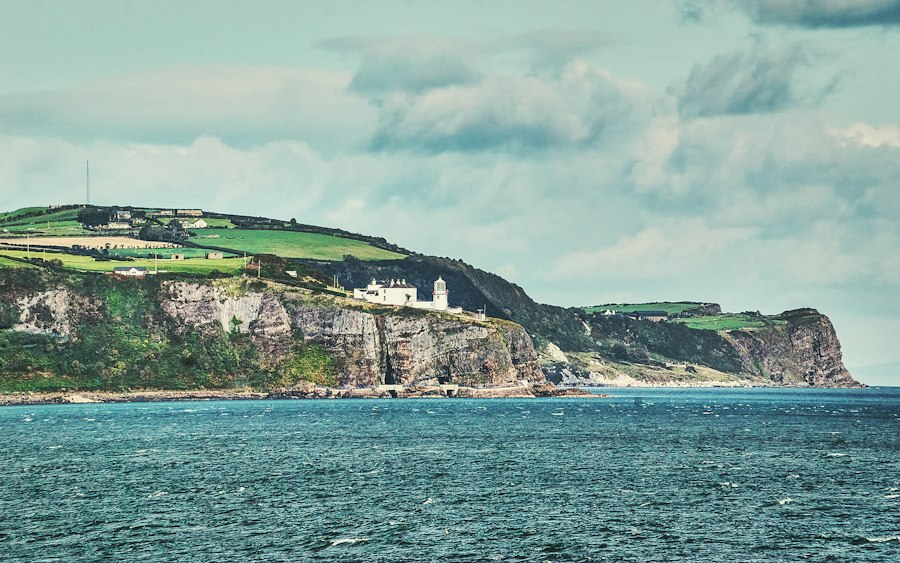
The Viking mariners were not simply skilled boat builders; they were also astute navigators. Their understanding of the natural world, combined with practical experience, allowed them to chart courses across vast and often featureless oceans, a feat that demanded immense courage and skill.
The Wisdom of the Sun and Stars: Celestial Navigation
While they lacked the sophisticated instruments of later eras, the Vikings possessed a profound understanding of celestial navigation. They used the position of the sun during the day and the stars at night to maintain their bearings. The sun’s arc across the sky provided a consistent directional reference, and its altitude could be used to estimate latitude. At night, prominent constellations, such as the Great Bear (Ursa Major), served as vital guides. They likely tracked the Pole Star (Polaris) for a fixed north reference. The Vikings also possessed a keen awareness of the seasonal variations in the stars’ positions, allowing them to refine their calculations and maintain their course throughout the year. This knowledge was passed down through generations, often through oral tradition and mnemonic devices. The legendary sagas, while fictionalized, often contain kernels of truth regarding navigational practices. The ability to navigate by the stars was not merely a technical skill but a deep connection with the cosmos, an understanding that the heavens offered a reliable map in the vastness of the sea.
Landfalls and Coastlines: Coastal Pilotage and Landmark Recognition
For much of their travel, especially along the coasts of Europe and the North Atlantic islands, Viking navigators relied heavily on landmark recognition and coastal pilotage. They were intimately familiar with the coastlines of their home regions and developed detailed mental maps of the shorelines they encountered. The distinctive shapes of mountains, islands, and headlands served as crucial reference points. They also paid close attention to the tides, currents, and the behavior of seabirds, all of which provided valuable clues about their location and proximity to land. The ability to identify safe harbors and avoid treacherous shallows was paramount. This reliance on visual cues meant that they often hugged coastlines, venturing into open sea only when necessary or when they had a clear understanding of their intended destination. The sagas describe numerous instances of Vikings seeking refuge or respite in unfamiliar bays and coves, demonstrating their practical knowledge of coastal features.
The Mysteries of the Sunstone and Observation: Advanced Techniques
While the extent and precise nature are still debated by scholars, there is evidence suggesting that the Vikings employed more advanced navigational techniques. The existence of the “sunstone” (sólarsteinn) is mentioned in some sagas. This could have been a polarizing crystal, such as calcite, which, when held up to the sun, could help determine its position even when it was obscured by clouds or fog. By observing the direction of polarized light, a navigator could pinpoint the sun’s location and maintain their bearing. Furthermore, the Vikings were known to observe the behavior of whales and other marine life, as these creatures often followed predictable migratory routes or congregated in certain areas, offering indirect clues to their location and the proximity of land. The meticulous observation of wave patterns, wind direction, and cloud formations also contributed to their navigational prowess. These subtle cues, often invisible to the untrained eye, were part of a sophisticated understanding of the ocean environment.
The Reach of Exploration and Settlement
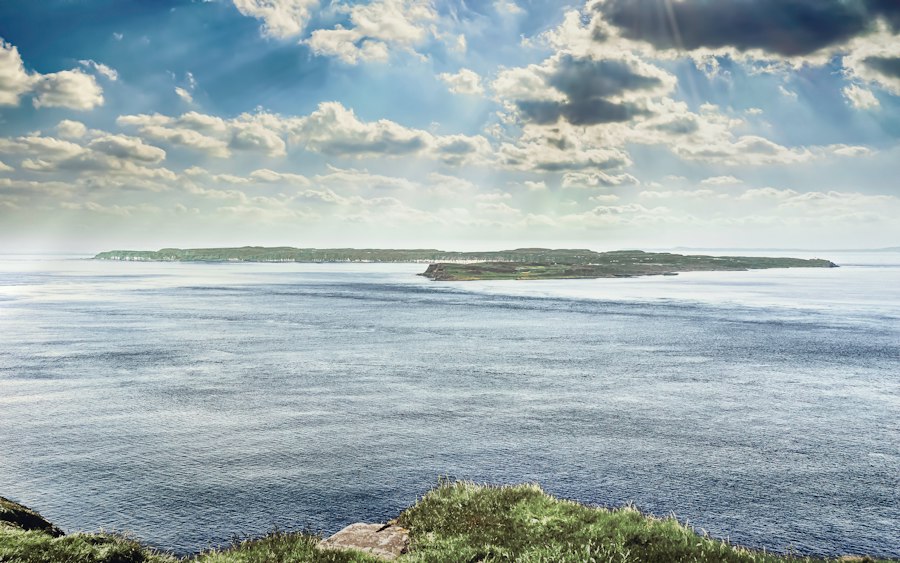
The longships were not just tools of war; they were the vessels that propelled Viking ambition across the known world and beyond, leading to an unprecedented era of exploration and settlement that reshaped the geopolitical landscape.
The Western Expansion: Iceland, Greenland, and Vinland
The most dramatic illustration of Viking exploration is their westward expansion. Driven by overpopulation, political strife, and a thirst for new lands, Viking explorers set sail into the vast Atlantic. Iceland was settled in the late 9th century, a volcanic island previously uninhabited by humans. From Iceland, Erik the Red, exiled for murder, ventured further west and discovered Greenland around 985 AD. He established Norse settlements there, which survived for several centuries, demonstrating the remarkable endurance of Viking pioneers. Around the year 1000 AD, Leif Erikson, son of Erik the Red, sailed even further west and reached North America, which he called Vinland. Archaeological evidence at L’Anse aux Meadows in Newfoundland, Canada, has confirmed the presence of Norse settlements there. These voyages, though ultimately temporary, represent the first documented European contact with the Americas, predating Columbus by nearly 500 years. The exploration of these new territories required immense courage, resilience, and an unwavering belief in the capabilities of their longships.
Eastward Ventures: The Baltic and Beyond
The Vikings’ reach extended eastward as well, with their longships plying the waters of the Baltic Sea and venturing deep into Eastern Europe. The Rus’, a group of Norsemen, established trade routes and principalities in what is now Russia, Ukraine, and Belarus. They sailed along the river systems, using their longships to navigate inland waterways, reaching as far south as the Black Sea and the Byzantine Empire. The city of Kyiv, for example, owes its origins to Norse settlers. These voyages were primarily driven by trade, seeking furs, slaves, amber, and other valuable commodities from the East. The longships, with their shallow draft, were perfectly suited for riverine navigation, allowing the Vikings to penetrate far inland and establish extensive trade networks. Their presence in the East not only facilitated commerce but also had a profound impact on the political and cultural development of the regions they encountered.
The Impact on Global Trade and Cultural Exchange
The extensive voyages of the Vikings, facilitated by their mastery of the longship, had a profound impact on global trade and cultural exchange. They established new trade routes, connecting disparate regions and fostering economic interdependence. Goods and ideas flowed between Scandinavia, the British Isles, continental Europe, the Baltic region, and even the Byzantine Empire and the Middle East. The Vikings introduced new technologies and shipbuilding techniques to the regions they visited, and in turn, they adopted new skills and knowledge from other cultures. Their raids, while often brutal, also stimulated economic activity and led to the establishment of fortified settlements and trading posts. The cultural legacy of the Vikings is evident in the languages, place names, and archaeological finds across the vast territories they touched. Their explorations, driven by a combination of trade, conquest, and sheer curiosity, laid some of the groundwork for the interconnected world we know today.
The Longships in Warfare and Raiding
While exploration and trade were significant aspects of Viking activity, the longship’s most fearsome reputation was forged on the battlefield and during daring raids. Their design and capabilities made them ideal instruments of Viking warfare.
The Shock and Awe of the Raid
The primary advantage of the longship in warfare was its speed and shallow draft, allowing for swift and unexpected attacks. Vikings could appear on coastlines with little warning, disembarking their warriors rapidly from the front of the ship. This element of surprise was crucial to their success. They could target vulnerable settlements, monasteries, and trading centers, plundering valuable goods and capturing slaves before local defenses could be mobilized. The open design of the longship allowed for a large number of warriors to be carried, and the symmetrical hull meant they could retreat just as quickly as they attacked, often disappearing back into the mist or darkness before a coherent response could be mounted. This hit-and-run tactic, often referred to as “going a-viking,” instilled widespread fear and contributed significantly to the Vikings’ formidable reputation. The longships enabled them to project power far from their homelands, striking at targets that were previously considered safe and inaccessible.
Naval Engagements and Coastal Dominance
Longships were also employed in direct naval engagements. While large-scale fleet battles were less common than raids, Viking ships were built to be agile and fast, allowing them to outmaneuver slower vessels. The high prows and sterns offered some protection against missile fire, and the presence of shields along the gunwales further enhanced defensive capabilities. In close-quarters combat, the longships provided a stable platform for warriors to engage enemy vessels. They could grapple with opposing ships, allowing warriors to board and fight hand-to-hand. The ability to row allowed them to maintain formation, pursue fleeing enemies, or position themselves strategically. Control of the seas was vital for Viking expansion and the protection of their trade routes, and their longships provided them with the naval superiority needed to achieve this dominance in many regions. Their ability to operate effectively in both open sea and along coastlines gave them a significant tactical advantage over many of their adversaries.
The Warrior’s Platform: Beyond the Sea
The longship’s utility extended beyond its function as a purely naval vessel. Its ability to navigate rivers and shallow waters meant that it could be used to transport warriors inland, allowing for surprise attacks on settlements far from the coast. Viking armies could travel up rivers, disembarking their forces to raid and pillage in regions that were previously inaccessible to seaborne invaders. This further extended their operational reach and amplified the effectiveness of their military campaigns. The longships served as mobile bases, carrying not only warriors but also their provisions and equipment. This adaptability transformed them from simple warships into versatile military platforms that could project Viking power deep into enemy territory, influencing the political landscape of much of Europe for centuries.
Viking longships were remarkable vessels that played a crucial role in North Atlantic sea travel, enabling the Norse to explore and settle new lands. Their advanced design allowed for swift navigation across rough waters, which is a testament to the ingenuity of ancient maritime cultures. For those interested in the broader context of ancient navigation and cartography, a fascinating article discusses the Piri Reis map and its implications for our understanding of historical sea travel. You can read more about it in this insightful piece on ancient cartography.
The Legacy of the Longship
| Metric | Value | Notes |
|---|---|---|
| Average Length of Viking Longship | 20-30 meters (65-98 feet) | Varied by type; some could be longer for ocean voyages |
| Average Beam (Width) | 3-5 meters (10-16 feet) | Designed for speed and stability |
| Number of Oars | 20-40 | One oar per rower, depending on ship size |
| Typical Crew Size | 25-60 | Included rowers, sailors, and warriors |
| Maximum Speed Under Sail | 10-15 knots (11.5-17.3 mph) | Dependent on wind and sea conditions |
| Range Without Resupply | Up to 1,000 nautical miles | Enabled voyages across the North Atlantic |
| Primary Materials | Oak wood, iron rivets, wool sails | Durable and flexible for ocean travel |
| Typical Route | Norway → Shetland Islands → Faroe Islands → Iceland → Greenland → Newfoundland | Known as the North Atlantic Viking route |
| Duration of North Atlantic Crossing | 2-3 weeks | Varied by weather and crew skill |
| Navigation Techniques | Sun compasses, landmarks, star navigation | Used before magnetic compasses |
The era of the Viking longship eventually waned, supplanted by new shipbuilding technologies and changing political landscapes. However, the legacy of these magnificent vessels and the people who sailed them continues to endure, inspiring awe and shaping our understanding of maritime history.
The Decline of an Icon
As the Viking Age drew to a close, several factors contributed to the decline of the longship’s dominance. The gradual Christianization of Scandinavia led to a shift in societal priorities and a reduction in the frequency of large-scale raiding. Furthermore, advancements in shipbuilding technology in other parts of Europe, particularly the development of the cog and carrack, introduced vessels with larger cargo capacities, greater stability in rough seas, and more efficient sail plans. These new ship types were better suited for the burgeoning long-distance trade and the increasingly complex naval warfare of the late Middle Ages. While the fundamental principles of Viking shipbuilding were influential, the iconic longship itself began to be phased out, replaced by vessels more suited to the evolving needs of maritime commerce and warfare.
Archaeological Discoveries and Modern Interpretations
Despite their eventual obsolescence, the impact of the longship is far from forgotten. Numerous archaeological discoveries, from the Oseberg and Gokstad ships in Norway to fragments found across Europe and North America, have provided invaluable insights into their construction and use. These well-preserved vessels, often found in burial mounds, offer tangible evidence of the craftsmanship and engineering prowess of the Vikings. Modern archaeologists, naval historians, and shipbuilders continue to study these finds, meticulously reconstructing and even replicating longships. These projects allow us to experience firsthand the seaworthiness and performance of these ancient vessels, validating the sagas and shedding new light on the capabilities of Viking mariners. The ongoing study of these artifacts ensures that the story of the longship is not confined to dusty archives but continues to be a living testament to human ingenuity.
A Symbol of Adventure and Exploration
More than just a mode of transport, the Viking longship has become a potent symbol of adventure, exploration, and the indomitable human spirit. They represent a period when audacious voyages into the unknown were not just possible but were a defining characteristic of a culture. The image of a longship sailing across a stormy sea evokes a sense of courage, resilience, and the pursuit of discovery. This enduring fascination is reflected in literature, art, museums, and popular culture, ensuring that the legend of the Viking longship continues to inspire new generations to explore the boundaries of their own worlds, both literal and metaphorical. The legacy of these masters of North Atlantic sea travel is a powerful reminder of what can be achieved when courage, innovation, and a thirst for the horizon converge.
The Viking “Bison” Myth That Was Just Debunked
FAQs
1. How were Viking longships constructed for sea travel?
Viking longships were typically made of oak wood, known for its strength and flexibility. They were constructed using a clinker-built method, where overlapping planks were riveted together with iron nails. This design made the longships lightweight, fast, and able to navigate both open seas and shallow rivers.
2. What role did Viking longships play in North Atlantic sea travel?
Viking longships were crucial for North Atlantic sea travel as they allowed the Vikings to explore and settle in distant lands such as Iceland, Greenland, and eventually North America. Their sturdy construction and navigational capabilities enabled the Vikings to navigate the challenging waters of the North Atlantic with relative ease.
3. How did the design of Viking longships contribute to their success in sea travel?
The design of Viking longships, with their shallow draft, symmetrical hulls, and ability to sail or row depending on the conditions, made them highly versatile and well-suited for long-distance sea travel. Their sleek, narrow shape also allowed them to move swiftly through the water, giving the Vikings a strategic advantage in both exploration and warfare.
4. What navigational techniques did the Vikings use for North Atlantic sea travel?
The Vikings relied on a combination of navigational techniques for North Atlantic sea travel, including reading the stars, sun compasses, coastal landmarks, and observing bird migrations. They also used their knowledge of ocean currents, wind patterns, and weather conditions to guide their longships safely across the open seas.
5. What evidence supports the Vikings’ use of longships for North Atlantic sea travel?
Archaeological discoveries, such as the remains of Viking longships found in burial mounds and shipwrecks, provide concrete evidence of the Vikings’ use of longships for North Atlantic sea travel. Additionally, historical accounts, sagas, and rune stones depict the Vikings’ expeditions to distant lands using their longships, further confirming their importance in North Atlantic exploration.