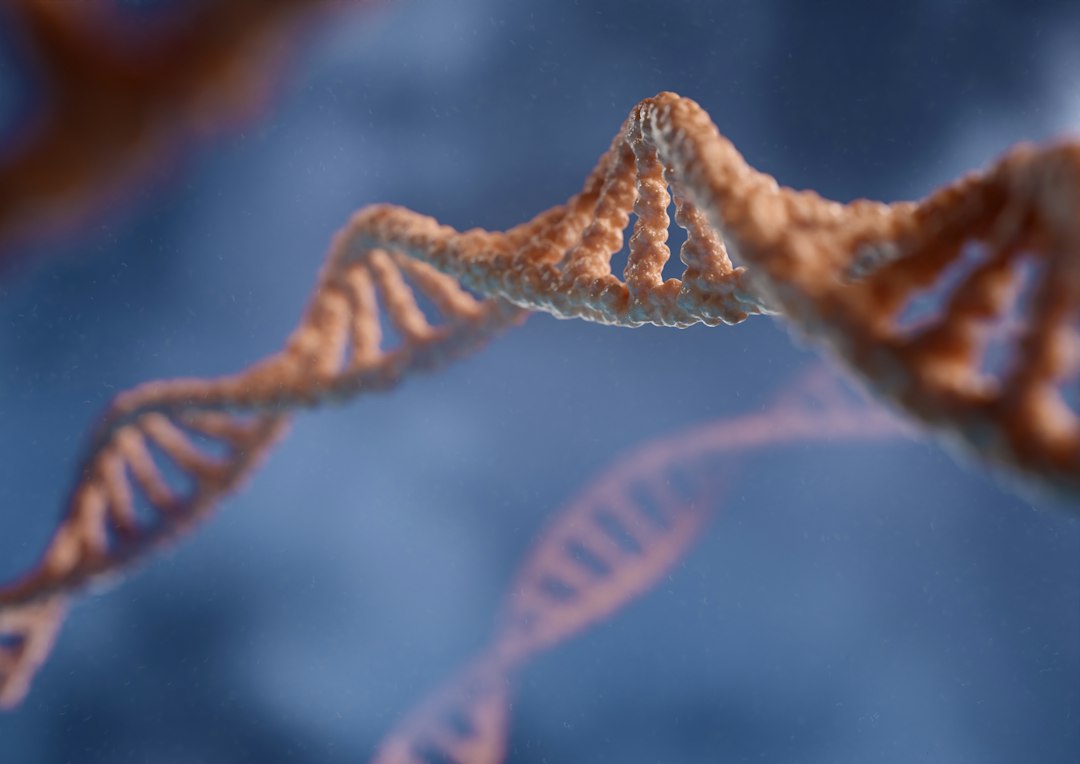
The whisper of the past, once locked away in brittle bone and dust, is now being amplified by a revolutionary scientific tool: ancient DNA analysis. For centuries, historians and archaeologists have painstakingly pieced together narratives from fragmented texts, enigmatic artifacts, and the silent architecture of forgotten civilizations. Yet, these methods, while invaluable, often provided only partial glimpses, leaving vast swathes of human history shrouded in mystery. Ancient DNA, the genetic blueprint preserved within the remains of long-deceased individuals, has emerged as a powerful key, unlocking secrets that were previously inaccessible, recalibrating our understanding of migrations, relationships, and the very fabric of human evolution.
Peering into the Genome of Our Ancestors
The ability to extract and analyze DNA from ancient samples, often degraded and present in minuscule quantities, represents a triumph of molecular biology and forensic science. The process, though intricate, allows researchers to delve into the genetic makeup of individuals who lived thousands, even tens of thousands, of years ago. This ancient genetic material provides a direct window into the biological heritage of past populations, offering insights that complement, and sometimes challenge, traditional archaeological and historical interpretations. It’s akin to finding a lost diary, but instead of words, it’s written in the language of our genes, revealing lineage, physical traits, and even predispositions to certain diseases.
The Technological Leap: From Fragments to Full Genomes
The journey from identifying fragmented genetic material to reconstructing complete ancient genomes was a long and arduous one. Early attempts at ancient DNA analysis were plagued by contamination issues and the limited scope of the information that could be retrieved. However, advancements in polymerase chain reaction (PCR) techniques, coupled with the development of high-throughput sequencing technologies, have revolutionized the field. PCR allows scientists to amplify even the smallest traces of DNA, while next-generation sequencing platforms can rapidly process vast amounts of genetic data. These innovations have dramatically increased the success rate of ancient DNA extraction and have made it possible to obtain high-quality data from samples that were once considered too degraded to yield any useful information. The sheer scale of data generated by modern sequencing allows for unprecedented resolution, enabling researchers to pinpoint subtle genetic variations and trace intricate migratory patterns.
Overcoming the Hurdles: Contamination and Degradation
Working with ancient DNA is not without its challenges. The genetic material is inevitably degraded over time due to environmental factors such as heat, humidity, and microbial activity. Furthermore, ancient samples are highly susceptible to contamination from modern DNA, either from the researchers themselves or from the environment in which the remains were found. Strict laboratory protocols, including the use of dedicated clean rooms and specialized reagents, are crucial to minimize contamination. Sophisticated bioinformatic tools are also employed to identify and filter out any potential modern DNA sequences, ensuring that the analyzed data truly represents the genetic signature of the ancient individual. The computational power required to sift through gigabytes of sequence data and distinguish authentic ancient reads from background noise is immense, pushing the boundaries of bioinformatics.
Ancient DNA analysis has opened new avenues for uncovering hidden histories and solving long-standing mysteries about our past. A fascinating article that delves into the complexities of truth and power in historical narratives is titled “The Illusion of Truth: How Power Conceals Reality.” This piece explores how the manipulation of historical facts can obscure our understanding of ancient civilizations, making it a perfect complement to discussions about the revelations brought forth by ancient DNA studies. To read more about this intriguing topic, visit the article here: The Illusion of Truth: How Power Conceals Reality.
Revisiting Human Migrations: A Tapestry Unfurled

Perhaps one of the most profound contributions of ancient DNA analysis has been the dramatic recalibration of our understanding of human migration patterns throughout history. For millennia, human populations have been on the move, spreading across continents, intermingling, and shaping the genetic landscape of the planet. Traditional archaeological evidence, such as the spread of similar tool technologies or burial practices, offered clues, but ancient DNA provides a direct, indisputable genetic fingerprint of these movements. It has allowed scientists to trace the origins and destinations of ancient peoples with remarkable precision, revealing previously unknown connections and overturning long-held theories.
The Peopling of Continents: Beyond Linear Narratives
The narrative of how continents were populated has often been presented as a series of straightforward, linear expansions. Ancient DNA analysis, however, has revealed a far more complex and nuanced picture. For instance, the peopling of the Americas, once thought to be a single, relatively late event, is now understood to have involved multiple waves of migration from Siberia, with distinct genetic lineages arriving at different times. Similarly, the colonization of Europe, a region extensively studied by archaeologists, has been illuminated by ancient DNA, showing intricate movements and admixtures of populations from both the Near East and Siberia, particularly during the Neolithic and Bronze Ages. This has led to a more dynamic understanding, where migrations were not always unidirectional but involved back-and-forth movements and complex interactions between distinct groups.
Unraveling the Roots of Agricultural Societies
The transition from hunter-gatherer lifestyles to settled agricultural societies, a pivotal moment in human history, has also been illuminated by ancient DNA. Studies on early farmers in Europe and the Near East have demonstrated the genetic contribution of migrating farmer populations to indigenous hunter-gatherer groups. This genetic admixture was not always peaceful or uniform, and the process of cultural and biological assimilation varied significantly across different regions. Ancient DNA has also helped identify the geographic origins of domesticated crops and animals, linking their spread to the movement of people who carried these new technologies and subsistence strategies. This provides a direct link between the genetic makeup of ancient populations and the adoption of agriculture, showing how genetic shifts accompanied profound societal transformations.
Unmasking Ancestral Relationships: Beyond the Family Tree

Beyond broad migratory movements, ancient DNA offers an intimate glimpse into the familial and social relationships of past individuals and groups. By analyzing the DNA of individuals buried together in graves or within the same settlement, researchers can reconstruct kinship structures, identify familial ties, and even shed light on social organization and hierarchy. This level of detail was previously unattainable, relying solely on interpreting burial goods or spatial arrangements, which are often ambiguous.
Kinship and Social Structures: The Power of Genetic Proximity
The analysis of ancient DNA from burial sites has revealed astonishingly detailed kinship networks. In some cases, researchers have been able to identify parents and children, siblings, and more distant relatives, allowing for the reconstruction of ancient family trees. This genetic information can then be correlated with archaeological findings to understand how these family structures influenced social organization, inheritance patterns, and even political power. For example, studies of Viking burial sites have revealed complex kinship structures within settlements, suggesting the importance of family ties in their social and political organization. The ability to distinguish between biological relatedness and social groupings opens up new avenues for understanding the dynamics of ancient communities.
Tracing Paternal and Maternal Lines: The Legacy of Y-Chromosomes and mtDNA
The Y-chromosome, passed down from father to son, and mitochondrial DNA (mtDNA), inherited from mother to child, are invaluable tools for tracing paternal and maternal lineages, respectively. Ancient DNA analysis of these specific genetic markers allows researchers to track the movement and intermingling of distinct paternal and maternal populations over vast timescales. This has provided crucial insights into the genetic contributions of different groups to modern populations and has helped resolve debates about the origins of specific cultural practices and linguistic groups, which often exhibit distinct paternal or maternal genetic signatures. For instance, the analysis of Y-chromosomes in European populations has shed light on the impact of Neolithic farmers and Bronze Age pastoralists on the paternal genetic landscape.
Disease and Adaptation: The Ancient Immune System
The genetic material of our ancestors carries not only information about their lineage and migrations but also about their health and how they adapted to their environments, including the diseases they faced. Ancient DNA analysis is revolutionizing our understanding of the evolution of infectious diseases and the genetic basis of human adaptation. By examining the genomes of individuals who lived through past epidemics, we can gain insights into their immune responses and the genetic factors that may have contributed to their survival or vulnerability.
The Footprints of Pandemics: Ancient Pathogens and Immune Responses
The identification of DNA from ancient pathogens within human remains has opened a new frontier in the study of disease history. Researchers can now directly detect the genetic material of viruses and bacteria that infected ancient populations, providing definitive evidence of past epidemics. This allows for the reconstruction of the evolutionary history of pathogens and the identification of their sources. Furthermore, by analyzing the human DNA from individuals who survived or succumbed to these diseases, scientists can investigate genetic variations associated with immune resistance or susceptibility. This research has shed light on the selective pressures imposed by infectious diseases and how they have shaped the human genome over millennia, offering potential lessons for modern public health.
Genetic Adaptations to Past Environments: Thriving in Challenging Conditions
The human genome is a testament to our remarkable ability to adapt to diverse environments. Ancient DNA analysis has provided compelling evidence of genetic adaptations that allowed our ancestors to thrive in challenging conditions. For example, the spread of lactose tolerance in populations that adopted dairy farming is a well-documented example of recent human adaptation. Ancient DNA studies have allowed researchers to pinpoint when and where these adaptations first emerged and how they spread through populations. Similarly, adaptations to high altitudes, arid climates, and diets rich in specific nutrients have left genetic footprints that can be traced through ancient genomes, revealing the deep evolutionary history of human resilience.
Ancient DNA analysis has opened new doors to understanding the hidden mysteries of our past, shedding light on civilizations that once thrived and vanished without a trace. One fascinating example of this is the exploration of Puma Punku, a site renowned for its precise stone cuts and enigmatic architecture. For those interested in delving deeper into this captivating subject, you can read more about it in the article on Puma Punku’s intricate designs and the questions they raise about ancient engineering by following this link.
Challenging and Refining Historical Narratives
| Metric | Description | Example Findings | Significance |
|---|---|---|---|
| Sample Age | Estimated age of ancient DNA samples in years | Up to 700,000 years (e.g., Siberian permafrost samples) | Helps establish timelines for human and animal evolution |
| Genome Coverage | Percentage of the genome successfully sequenced | 30-90% in well-preserved Neanderthal samples | Determines quality and completeness of genetic data |
| Contamination Rate | Proportion of modern DNA contamination in samples | Typically below 5% with strict lab protocols | Ensures authenticity of ancient DNA results |
| Population Admixture | Evidence of interbreeding between ancient populations | Neanderthal and Denisovan DNA in modern humans | Reveals hidden migration and interaction histories |
| Mutation Rate | Frequency of genetic mutations over time | ~1.2 x 10^-8 mutations per base pair per generation | Used to estimate divergence times between species |
| Phylogenetic Placement | Position of ancient DNA within evolutionary trees | Denisovans as a distinct hominin group | Clarifies relationships among extinct and extant species |
| Geographic Origin | Location where ancient DNA samples were found | Altai Mountains, Siberia; Atapuerca, Spain | Links genetic data to archaeological sites and cultures |
The insights gleaned from ancient DNA analysis often lead to a profound re-evaluation of existing historical and archaeological interpretations. While traditional methods provide invaluable context, ancient DNA offers a different, often more direct, form of evidence that can either corroborate or challenge established narratives. This scientific scrutiny is not about discarding the work of historians and archaeologists but about enriching and refining their understanding with a new layer of genetic evidence, leading to a more complete and accurate picture of our past.
Reconciling Genetic Evidence with Archaeological Findings
One of the most exciting aspects of ancient DNA research is the dialogue it fosters between geneticists and traditional researchers. Often, genetic findings align seamlessly with archaeological evidence, strengthening existing hypotheses and providing a genetic basis for observed patterns. In other instances, genetic data may present a seemingly contradictory picture, prompting a deeper investigation into archaeological interpretations. This can lead to new hypotheses, re-examination of artifacts, and a more nuanced understanding of the complexities of past human interactions. For example, the discovery of unexpected genetic connections between geographically distant groups can lead archaeologists to re-examine trade routes, settlement patterns, or evidence of cultural exchange that might have been overlooked.
The Future of the Past: Ongoing Discoveries and Unanswered Questions
The field of ancient DNA analysis is still in its relative infancy, and its potential for uncovering hidden history is immense. As technologies continue to advance and research methodologies become more sophisticated, we can expect even more groundbreaking discoveries. The ongoing sequencing of ancient genomes from diverse populations and time periods will undoubtedly continue to reshape our understanding of human origins, migrations, and the evolution of our species. However, many mysteries remain. The genetic signatures of extinct hominin species, the precise genetic makeup of early human societies, and the complex interplay between genetics and culture across different historical epochs are all areas ripe for future exploration, promising to continue unraveling the intricate tapestry of our shared human heritage. The whisper of the past is growing louder, and with each ancient genome sequenced, a new chapter in human history is being written.
The Viking “Bison” Myth That Was Just Debunked
FAQs
What is ancient DNA analysis?
Ancient DNA analysis is a scientific technique used to study and analyze genetic material extracted from ancient remains such as bones, teeth, and artifacts. This analysis provides insights into the genetic makeup and ancestry of ancient populations.
How does ancient DNA analysis help uncover hidden history mysteries?
Ancient DNA analysis helps uncover hidden history mysteries by providing information about the genetic relationships between ancient populations, migration patterns, and evolutionary changes over time. This data can reveal previously unknown connections between different civilizations and shed light on historical events.
What are some examples of hidden history mysteries that have been solved using ancient DNA analysis?
Ancient DNA analysis has helped solve mysteries such as the origins of the first Americans, the genetic impact of the Black Death in Europe, the ancestry of Egyptian mummies, and the migration patterns of early human populations. These discoveries have reshaped our understanding of ancient civilizations and human history.
What are the challenges of ancient DNA analysis in uncovering hidden history mysteries?
Challenges of ancient DNA analysis include the degradation of genetic material over time, contamination from modern DNA, limited sample sizes, and the difficulty of extracting DNA from ancient remains. Researchers must use specialized techniques and rigorous protocols to overcome these challenges and obtain reliable results.
How does ancient DNA analysis contribute to our knowledge of human evolution and migration?
Ancient DNA analysis contributes to our knowledge of human evolution and migration by providing direct genetic evidence of how ancient populations moved, interbred, and adapted to different environments. This data helps researchers reconstruct the complex history of human dispersal and diversification around the world.