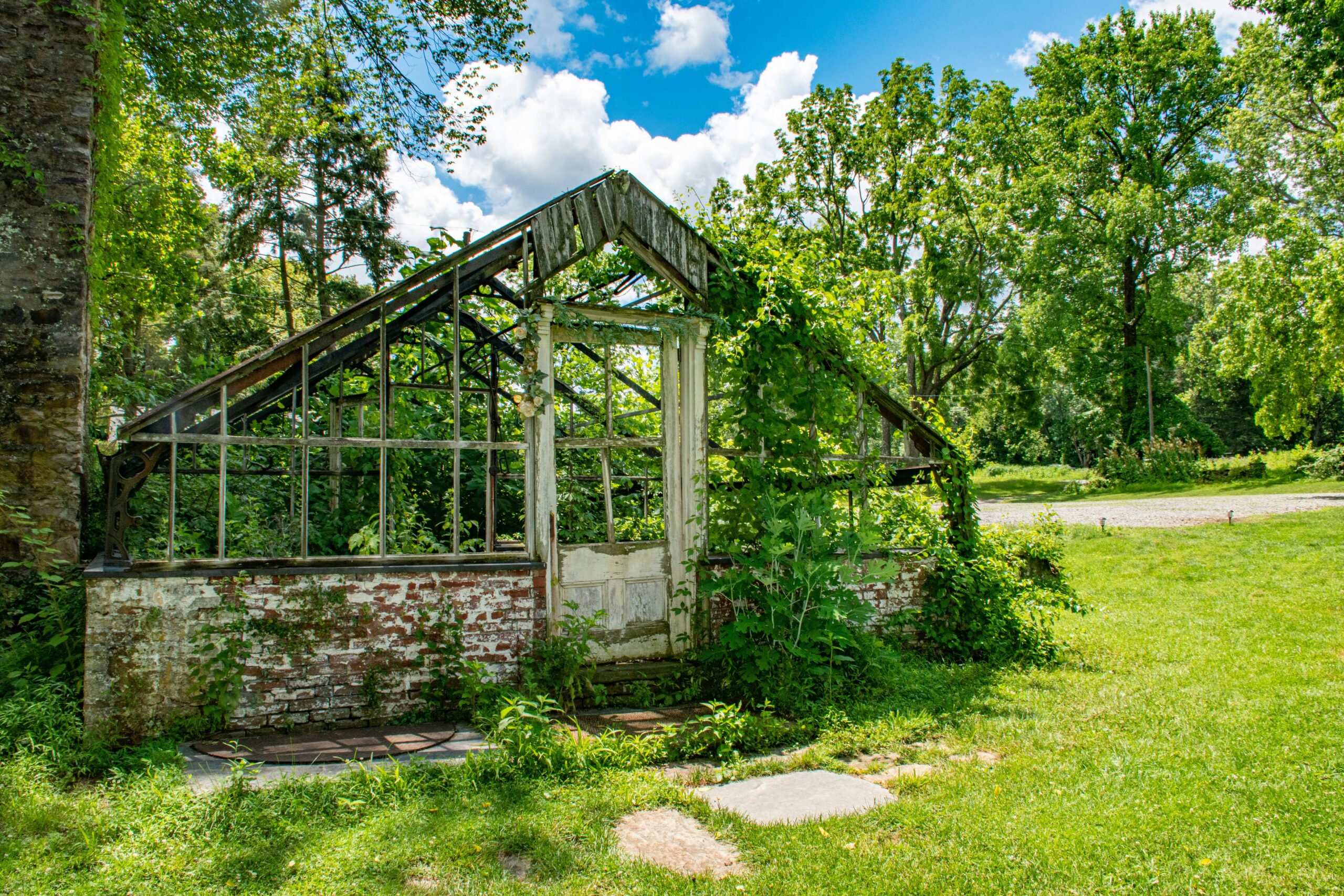
The overgrown stone walls of Sandet Farm stand as silent sentinels against the encroaching wilderness, a testament to a once-vibrant life now faded into rumour and conjecture. At its heart, the most persistent enigma is the fate of its once-renowned garden. For generations, whispers have circulated about its abrupt abandonment, a mystery that has fueled local folklore and captivated those who stumble upon the decaying remnants of its former glory. This article seeks to peel back the layers of time and speculation, to uncover the reasons behind the desertion of Sandet Farm’s magnificent garden.
The Flourishing Past of Sandet Farm’s Horticultural Jewel
Before its descent into disrepair, the garden at Sandet Farm was not merely a patch of cultivated land; it was a vibrant testament to the vision and dedication of its former inhabitants. Accounts from old photographs and faded journals paint a picture of a meticulously planned and richly planted space, a far cry from the tangled brambles and wild growth that now dominate the landscape. The farm, nestled in a fertile valley, provided an ideal environment for cultivating a wide array of flora, and the garden was clearly its crowning achievement.
Echoes of Grand Design
The architectural remnants suggest a garden of considerable scale and ambition. Stone pathways, now cracked and heaved by roots, once meandered through themed sections, hinting at a deliberate layout. Ornate wrought-iron gates, rusted but still standing, would have once announced the entrance to this verdant sanctuary. It is believed that the garden was designed with both aesthetic beauty and practical purpose in mind. Imagine, if you will, the rhythmic sweep of manicured hedges, the fragrant explosion of roses in full bloom, and the carefully orchestrated succession of colours and textures throughout the seasons. The sheer effort required to maintain such a space speaks volumes about the resources and commitment invested by the Sandet family.
A Bounty of Blooms and Edibles
Beyond its ornamental appeal, the Sandet garden was likely a source of sustenance. Old farm records, though fragmented, mention extensive fruit orchards – apples, pears, and plums – that would have been integrated into the garden’s design. There are also references to a dedicated vegetable patch, providing fresh produce for the farm’s inhabitants. One can almost picture the rows of ripening tomatoes, the sturdy stalks of corn, and the fragrant herbs that would have filled the air with their aroma. The garden was not just a spectacle; it was a vital part of the farm’s self-sufficiency. Local lore often speaks of the Sandet matriarchs, women of renowned horticultural skill, who were said to possess a magical touch with plants, coaxing the most vibrant blooms and the most succulent fruits from the soil. Their knowledge, passed down through generations, was intrinsically linked to the garden’s success.
The abandonment of the Garden Under Sandet Farm has intrigued many, prompting investigations into the factors that led to its decline. A related article that delves deeper into the mysteries surrounding this site is titled “Unearthed: The Lost Tech They Hid.” This piece explores the technological advancements that may have contributed to the farm’s initial success and the subsequent reasons for its abandonment. For more insights, you can read the article here: Unearthed: The Lost Tech They Hid.
The Gradual Decline: Seeds of Abandonment Sown
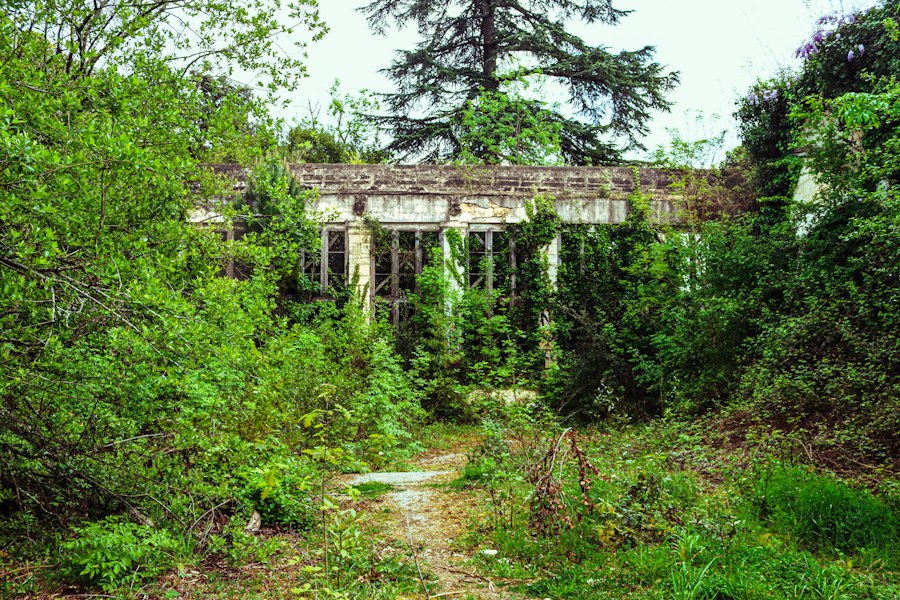
The transition from a thriving Eden to a forgotten wilderness was not a sudden cataclysm but a gradual erosion, a slow unraveling of the threads that held the garden’s existence together. While a definitive single event remains elusive, a confluence of factors likely contributed to its ultimate abandonment. The passage of time, coupled with unforeseen circumstances, began to chip away at the farm’s prosperity and, consequently, its ability to sustain its horticultural pride.
The Fading of the Family Legacy
The Sandet family, the custodians of this horticultural marvel, were central to its maintenance and its spirit. As generations passed, the fervent dedication to the garden may have waned. Perhaps the younger generations lacked the same passion or the inherited knowledge. Family fortunes, too, can ebb and flow, and it is plausible that economic downturns or changing priorities led to a reduction in the resources allocated to the garden. The upkeep of such an extensive space requires consistent investment of time, labour, and capital. Without a strong, committed lineage to champion its cause, the garden would inevitably begin to suffer. The grand plans and meticulous care of the earlier Sandets might have seemed like an ever-increasing burden to those who came later.
Shifting Agricultural Landscapes
The economic realities of farming are constantly in flux. It is possible that the agricultural focus of Sandet Farm shifted away from the labor-intensive, aesthetically driven garden towards more commercially viable ventures. The rise of larger-scale, more mechanized farming practices might have made the traditional, hand-tended garden seem anachronistic and economically unfeasible. If the farm’s primary income became less reliant on the diversified bounty of the garden, then its upkeep would likely have been deprioritized. The market demand for specific heirloom vegetables or ornamental flowers might have diminished, rendering the garden’s output less profitable. This economic recalibration could have been a slow, insidious process, but one with profound consequences for the garden.
The Unforeseen Disasters: Catalysts for Ruin

While gradual decline can soften the blow of abandonment, it is often a more dramatic event that truly seals a place’s fate. The history of Sandet Farm, like many rural properties, is likely punctuated by moments of unforeseen misfortune that could have accelerated its demise, including events that directly impacted the garden’s integrity and viability.
The Lingering Shadow of Disease or Infestation
The meticulous cultivation of a garden makes it vulnerable to the rapid spread of disease or pest infestations. A devastating blight, an aggressive fungal infection, or an overwhelming insect population could have decimated key plant species, rendering years of work fruitless. Such an event would not only be a horticultural disaster but also a deeply demoralizing one, potentially leading the custodians to question the viability of continuing their efforts. Imagine the heartbreak of seeing prize-winning roses succumb to black spot or the entire vegetable crop wiped out by potato beetles. The sheer effort required to combat such widespread problems, especially without modern agricultural chemicals, would have been immense. The fear of recurring outbreaks might have been enough to convince the owners to cut their losses.
The Impact of Extreme Weather Events
Nature, while nurturing, can also be destructive. A series of unusually harsh winters, prolonged droughts, or devastating floods could have inflicted irreparable damage on the garden’s infrastructure and its inhabitants. A severe hailstorm could have shredded delicate foliage, a late frost could have killed nascent buds, and a major flood could have eroded precious topsoil. The resilience of a garden is tested by the elements, and Sandet Farm, with its exposed location, might have been particularly susceptible to such natural calamities. The energy and resources required to rebuild after such widespread destruction might have been simply too much to bear. The memory of such an event could have cast a long shadow, creating an enduring apprehension about the garden’s future.
Theories and Folklore: Unraveling the Myths
The absence of definitive records leaves a void, a space that has been readily filled by speculation, local lore, and the evocative power of rumour. The mystery surrounding the abandonment of Sandet Farm’s garden has given rise to a tapestry of theories, each adding its own hue to the narrative of its demise. These stories, passed down through generations, often speak of more dramatic and even supernatural causes.
The Curse of the Unhappy Gardener
One of the more persistent local legends speaks of a curse placed upon the garden. According to this tale, a skilled gardener, deeply devoted to the Sandet family and their horticultural pursuits, fell into deep disfavour with the owners. The specifics vary: some say he was unjustly dismissed, others that he was betrayed or wronged in some significant way. In his despair, it is said, he invoked a curse upon the very soil he had so lovingly tended, vowing that the garden would never again flourish. This folklore often attributes the subsequent decline to this ill-wished enchantment, suggesting that no matter what efforts were made, the garden was doomed. The wildness that has reclaimed the grounds is seen by some as a physical manifestation of this curse, the plants growing untamed and defiant.
A Tale of Lost Love and Deserted Dreams
Another popular narrative links the garden’s abandonment to a tragic love story. The rumour suggests that a member of the Sandet family, deeply in love with someone deemed unsuitable by the family, poured their heartbreak into the garden, creating a place of solace and remembrance. When the love was ultimately lost, perhaps through separation or death, the garden, once a symbol of their affection, became a painful reminder of their grief. The abandonment, in this telling, was an act of severing ties with a past too painful to bear. The overgrown state of the garden is seen not as neglect, but as a conscious choice to let nature reclaim what had become a monument to sorrow. This romanticized version adds a layer of poignant melancholy to the site.
The abandonment of the garden under Sandet Farm has raised numerous questions regarding the management of agricultural resources in the area. Many speculate that government policies and economic pressures played a significant role in this decision. For a deeper understanding of how government-controlled assets can impact local farming practices, you can read more in this insightful article on government-controlled assets. This context sheds light on the broader implications of such abandonment and the challenges faced by farmers in adapting to changing regulations.
The Enduring Legacy: Nature’s Reclamation and Lingering Questions
| Factor | Description | Impact on Garden |
|---|---|---|
| Soil Quality | Soil became compacted and nutrient-poor due to sand accumulation | Reduced plant growth and crop yields |
| Water Drainage | Excess sand caused poor water retention and drainage issues | Plants suffered from drought stress and inconsistent watering |
| Maintenance Difficulty | High effort required to clear sand and maintain garden beds | Increased labor costs and time, discouraging upkeep |
| Economic Factors | Farm owners shifted focus to more profitable ventures | Garden was deprioritized and eventually abandoned |
| Environmental Changes | Local climate changes led to increased sand movement and erosion | Garden area became less suitable for cultivation |
While the precise reasons for the abandonment of Sandet Farm’s garden may remain shrouded in the mists of time, its eventual fate offers a powerful testament to the enduring force of nature and the transient nature of human endeavors. The overgrown garden, once a symbol of careful cultivation and refined beauty, has become a powerful symbol of nature’s inexorable reclamation.
The Garden Reclaimed by the Wild
Today, the once-ordered beds and manicured pathways are a distant memory, swallowed by a vibrant, untamed ecosystem. Brambles snake through what were once rose arbours, ivy cloaks the remnants of stone statuary, and wildflowers riot where meticulously chosen perennials once bloomed. The sheer biodiversity present in the overgrown grounds is a testament to the resilience of nature. Birds nest in the skeletal remains of fruit trees, and small animals find refuge amongst the dense undergrowth. The garden has not died; it has simply transformed, returning to a wilder, more primal state. It is a powerful reminder that even the most carefully constructed human landscapes are ultimately subject to the powerful cycles of the natural world. The decay of the human-made structures only serves to highlight the persistent vitality of the earth beneath.
The Questions That Remain
Despite the passage of time and the proliferation of theories, the exact circumstances surrounding the garden’s desertion continue to intrigue. The absence of definitive documentation leaves ample room for imagination and ongoing speculation. Was it a single, devastating event, or a slow, cumulative decline? Did economic hardship, family discord, or a natural disaster play the most significant role? Or, as the folklore suggests, were there elements beyond the mundane at play? The mystery of Sandet Farm’s abandoned garden serves as a compelling reminder of how much of our past can be lost to time, leaving behind only echoes and unanswered questions. The site continues to be a place where history and legend intertwine, inviting each visitor to ponder the stories whispered by the wind through the tangled branches and the silent stones. The enduring enigma ensures that the garden at Sandet Farm, even in its derelict state, continues to hold a captivating power.

The Viking “Bison” Myth That Was Just Debunked
FAQs
1. Why was the garden under Sandet Farm abandoned?
The garden under Sandet Farm was abandoned due to a combination of factors, including changes in the local climate, soil degradation, and economic challenges faced by the farm owners.
2. What impact did the changes in local climate have on the garden under Sandet Farm?
The changes in local climate, such as increased temperatures and irregular rainfall patterns, made it difficult for the crops in the garden to thrive, leading to decreased yields and ultimately the decision to abandon the garden.
3. How did soil degradation contribute to the abandonment of the garden under Sandet Farm?
Soil degradation, caused by factors like erosion, nutrient depletion, and compaction, made it increasingly challenging to grow crops in the garden. The poor soil quality resulted in stunted plant growth and low productivity, prompting the farm owners to abandon the garden.
4. Were there any economic challenges that played a role in the abandonment of the garden under Sandet Farm?
Yes, economic challenges such as rising costs of inputs, fluctuating market prices, and financial constraints also contributed to the decision to abandon the garden. The farm owners found it unsustainable to continue investing in the garden without seeing significant returns.
5. Is there any potential for reviving the garden under Sandet Farm in the future?
While the garden under Sandet Farm was abandoned, there may be potential for revival in the future through soil restoration efforts, implementing sustainable farming practices, and adapting to the changing climate. However, it would require significant investment and commitment from the farm owners to make it successful.