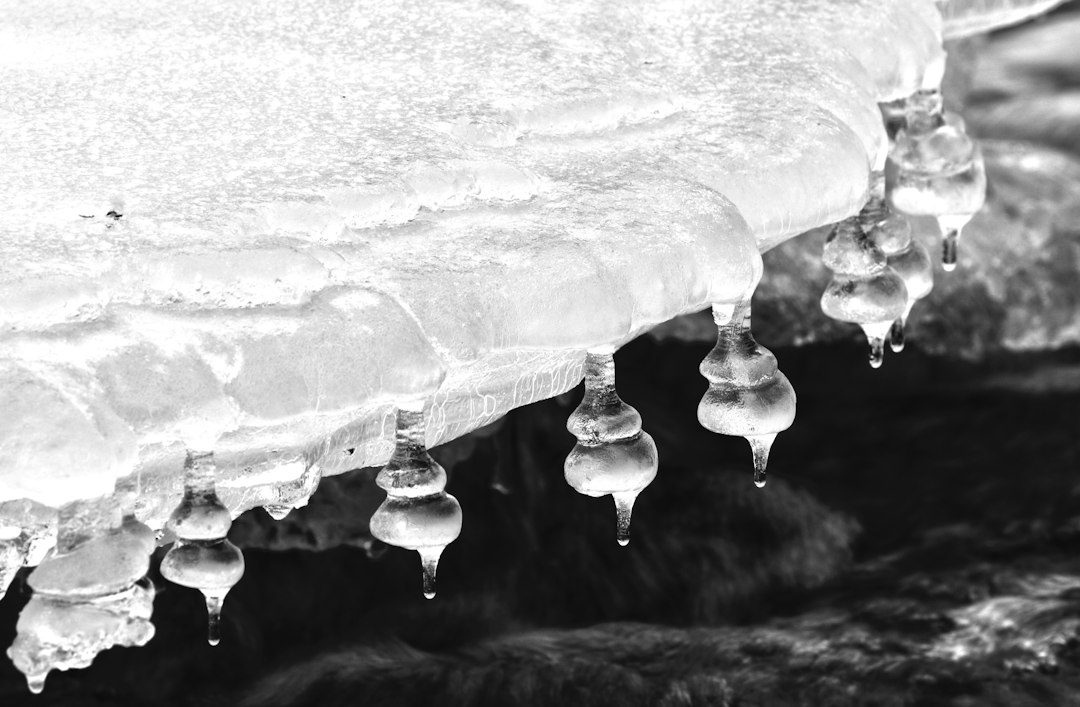
The glistening expanse of a glacier, the sharp edge of an icicle, the subtle sheen of frost on a winter morning – these are phenomena born of frozen forces. For millennia, the presence and influence of natural ice formations have been far more than mere environmental features. They have been architects of landscapes, shapers of societies, and silent participants in the grand narrative of human history. From the monumental impact of ice ages to the everyday utility of a frozen stream, ice has profoundly molded how humanity has lived, migrated, fought, and thrived.
The Sculptors of Continents: Glacial Epochs and Their Legacy
The most dramatic influence of frozen forces on human history stems from the periodic glaciations that have swept across the Earth. These colossal ice sheets, far thicker and more extensive than any modern glacier, reshaped entire continents, leaving behind a geological and geographical tapestry that continues to define human settlement and interaction. The Pleistocene epoch, often referred to as the “Ice Age,” witnessed multiple glacial advances and retreats, each leaving an indelible mark on the planet and, by extension, on the nascent human species.
Beringia: The Land Bridge of Migration
Perhaps the most significant, and certainly the most debated, impact of glacial epochs was the creation of land bridges. During periods of maximum glaciation, vast quantities of water were locked up in continental ice sheets, causing global sea levels to drop dramatically. This phenomenon exposed vast areas of continental shelf that were previously submerged, creating land connections between continents. The most famous of these, Beringia, emerged between Siberia and Alaska. This vast, treeless plain, acting as a natural corridor, is widely believed to have been the primary route for the initial migration of humans from Asia into the Americas.
The timing and duration of Beringia’s exposure are crucial to understanding this monumental migration. As glaciers advanced, they pushed ice across much of North America, but in the far north, a narrow, ice-free corridor may have intermittently opened between the Cordilleran and Laurentide ice sheets. This “ice-free corridor,” though challenging, could have allowed small groups of hunter-gatherers to move south, populating a continent that was previously devoid of Homo sapiens. The genetic diversity found in Indigenous American populations today offers strong evidence for this ancient journey, a testament to the power of frozen forces to connect and disperse humanity.
Shaping the Landscape: Fjords, Lakes, and Fertile Plains
Beyond land bridges, glaciers were unparalleled sculptors of the Earth’s surface. Their immense weight and erosive power carved out dramatic valleys, fjords, and cirques, transforming mountainous regions into breathtaking and often challenging terrains. The fiords of Norway, the Great Lakes of North America, and the U-shaped valleys of the Alps are all direct products of glacial erosion. These sculpted landscapes influenced human settlement patterns, providing sheltered harbors, freshwater resources, and fertile soils in their wake.
The retreat of glaciers also left behind a rich legacy of proglacial lakes and moraines. These lakes became vital sources of freshwater and fish for early human communities, providing stable environments for development. The moraines, ridges of debris deposited by glaciers, often created fertile soils once exposed to weathering and decomposition, attracting agricultural settlements in later millennia. The abundance of lakes in the Canadian Shield, for instance, has historically shaped Indigenous lifeways, providing rich fishing grounds and transportation routes. Similarly, the fertile loess soils deposited by windblown glacial sediments in regions like Northern China and parts of Europe were crucial for the development of early agriculture.
Resource Extraction and Settlement Patterns
The geological remnants of glacial activity also provided crucial resources for early humans. Deposits of sand and gravel, formed by glacial outwash, were essential for construction, providing building materials for shelters and early infrastructure. The discovery of rich mineral deposits, often concentrated by glacial action, further influenced settlement and economic development in specific regions. The proximity to these natural resources, directly attributable to past ice ages, dictated where communities could establish themselves and how they could prosper.
Natural ice formations have played a significant role in shaping human history, influencing everything from exploration routes to settlement patterns. For instance, the impact of severe winter conditions on navigation and trade can be seen in various historical events. A fascinating exploration of how environmental factors, including ice, have affected human activities can be found in the article titled “The Year History Stood Still When the Wind Ceased.” This piece delves into the broader implications of climate on societal development and resilience. To read more about this intriguing topic, visit The Year History Stood Still When the Wind Ceased.
The Daily Grind: Frozen Water as a Tool and Barrier
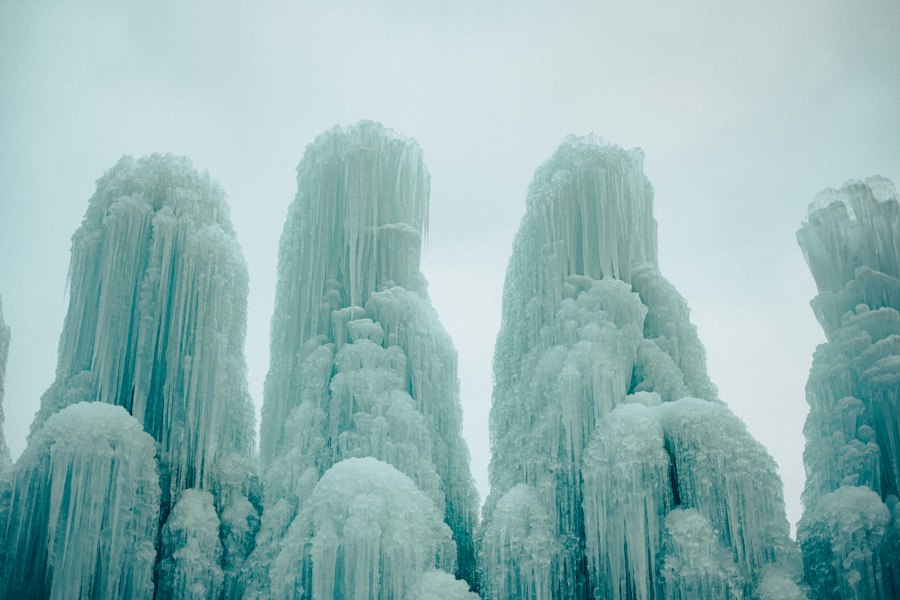
While ice ages represent the grand, epochal influence of frozen forces, the everyday presence of ice – in rivers, lakes, and as atmospheric precipitation – has played a more subtle but equally vital role in human history. From facilitating transportation to posing significant threats, frozen water has been a constant companion and a powerful, albeit often overlooked, element in the human experience.
Navigating the Frozen Frontier: Ice Roads and Waterways
In regions experiencing harsh winters, frozen rivers and lakes have historically served as natural highways. Before the advent of mechanized transport, ice roads provided a safe and efficient means of travel and trade across otherwise impassable waterways. Communities learned to read the ice, understanding its thickness and stability, and developed techniques for traversing it, whether by foot, sled, or eventually, iceboats. These frozen arteries connected communities, facilitated the movement of goods and people, and played a crucial role in military campaigns.
The frozen St. Lawrence River, for instance, was a vital route for trade and exploration in New France. During winter, it transformed from a barrier into a pathway, allowing for the movement of furs and supplies. Similarly, in Siberia, frozen rivers have long been essential for transportation, enabling access to remote regions for hunting, trapping, and resource extraction. The development of specialized knowledge and technology for navigating these frozen waterways highlights human adaptability and ingenuity in harnessing the power of ice.
The Chill of Conflict: Ice as a Strategic Element
Throughout history, the presence of ice has been a significant factor in military strategy and conflict. A frozen battlefield could be a boon or a bane, depending on the circumstances and the tactical acumen of the commanders. The Battle of Lake Peipus in 1242, often referred to as the “Battle on the Ice,” saw Alexander Nevsky’s forces decisively defeat the Teutonic Knights by luring them onto the thin ice of the frozen lake, which then broke under their weight. This iconic battle exemplifies how understanding and exploiting the properties of ice could turn the tide of war.
Conversely, armies could be crippled by unexpected thaws or impassable ice conditions. The retreat of Napoleon’s Grande Armée from Russia in 1812, exacerbated by the brutal winter conditions and frozen terrain, serves as a stark reminder of the devastating power of frozen forces when they are arrayed against an unprepared or ill-equipped force. The strategic denial of frozen waterways, the use of ice as a defensive barrier, or the exploitation of a frozen landscape for flanking maneuvers have all been tactics employed throughout history, demonstrating ice’s dual nature as both an ally and an adversary in warfare.
Preserving and Sustaining: The Role of Ice in Food and Water
The ability of ice to preserve was recognized and utilized by human societies long before the invention of modern refrigeration. In many pre-industrial societies, the harvesting and storage of ice, particularly during winter, was a vital practice for food preservation throughout the warmer months. Ice houses, insulated structures often dug into the ground or built with thick walls, allowed communities to store ice harvested from frozen lakes and rivers. This stored ice was then used to keep food cool, extending its shelf life and reducing spoilage.
This practice was not merely a convenience; it was a crucial factor in sustaining populations, especially in regions with distinct seasons. The availability of ice allowed for the preservation of meat, fish, and dairy products, diversifying diets and reducing reliance on immediate consumption. This was particularly important for communities that relied on seasonal hunting or fishing. The development of the ice trade in the 19th century, shipping ice from colder climates to warmer ones, further illustrates the economic and social importance of this seemingly simple frozen commodity. Moreover, in arid or resource-scarce regions, melting ice and snow provided essential sources of drinking water and irrigation, enabling human habitation and agriculture in otherwise inhospitable environments.
The Ice Age Mind: Cognitive and Cultural Adaptations
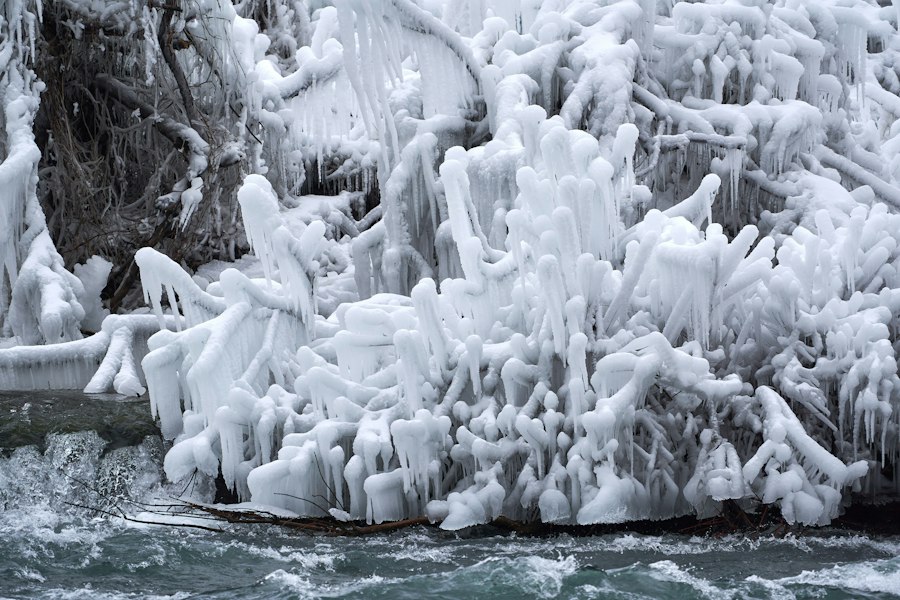
The challenges posed by the Ice Age were not solely environmental; they also demanded significant cognitive and cultural adaptations from early humans. Surviving in a world dominated by ice and its associated environmental pressures required innovation, social cooperation, and a deep understanding of the natural world. The very evolution of human intelligence and the development of complex social structures can be linked, in part, to the pressures and opportunities presented by glacial periods.
Innovation in a Cold Climate: Tools, Fire, and Shelter
The harsh realities of living in a glacial environment spurred remarkable technological innovation. The development of more sophisticated stone tools, including finely crafted projectile points and blades, allowed for more efficient hunting of large game, a crucial source of sustenance and materials. The mastery of fire became paramount, providing warmth, protection from predators, and the ability to cook food, making it more digestible and unlocking vital nutrients.
Shelter also underwent significant evolution. Early humans adapted to the cold by constructing more durable and insulated dwellings, ranging from caves enhanced with hearths and animal hides to more complex structures built from bone, mammoth tusks, and turf. These innovations were not isolated; they were interconnected, with advances in one area supporting progress in another. The development of specialized clothing, fashioned from animal furs, was also a critical adaptation for surviving in frigid temperatures, a testament to the ingenuity born from necessity.
Social Bonds and Cooperation: The Strength of the Group
Survival in the Ice Age often depended on collective action. The need to hunt large, dangerous game, to defend against predators, and to endure long, cold winters fostered the development of strong social bonds and cooperative behaviors. Larger social groups, with established hierarchies and communication systems, were better equipped to share resources, knowledge, and labor.
The sharing of food, the collective raising of young, and the transmission of survival skills across generations were all crucial for the success of early human populations. The complex social structures that emerged during these periods laid the foundation for the development of more sophisticated human societies in later eras. The ability to cooperate and to organize effectively, honed in the crucible of the Ice Age, remains a defining characteristic of humanity.
The Genesis of Art and Symbolism: Expressing the World
The periods of glacial advance also coincide with some of the earliest evidence of human artistic expression and symbolic thought. Cave paintings, such as those found in Lascaux and Chauvet in France, depicting animals and hunting scenes, suggest a developing capacity for abstract thought, storytelling, and the communication of complex ideas. These early forms of art may have served various purposes, from ritualistic practices to the transmission of knowledge about the natural world and its inhabitants.
The creation of symbolic objects, such as beads and carved figurines, also emerged during this period. These artifacts hint at a developing sense of identity, belief systems, and an attempt to understand and represent the world around them. While the exact meaning of these early artistic endeavors remains a subject of scholarly debate, their emergence during the Ice Age suggests that the human mind, even under extreme environmental pressures, possessed a drive for creativity, meaning-making, and self-expression.
The Chill of Modernity: Ice in the Industrial and Information Ages
The influence of frozen forces has not waned with the advent of technological advancement. While the immediate, life-or-death struggles against the elements have diminished for many, ice continues to shape human endeavors in profound ways, from industrial processes to global logistics and scientific research.
Refrigeration and the Global Food System
The invention of mechanical refrigeration in the 19th century and its subsequent widespread adoption has fundamentally reshaped human civilization. This technological marvel, directly harnessing the principles of ice and cold, has allowed for the preservation and transportation of food on a global scale. It has transformed diets, enabled the growth of urban populations, and created complex international supply chains. The availability of previously seasonal or geographically limited foods year-round is a direct consequence of our ability to control and replicate the preservative properties of ice.
This impact extends beyond mere consumption. Refrigeration is vital for countless industrial processes, from the pharmaceutical industry and the storage of sensitive biological materials to the manufacturing of chemicals and the powering of data centers. The unseen but ubiquitous presence of refrigerated environments underpins much of modern economic activity and scientific progress.
Climate Change and the Melting Ice: A New Era of Impact
Today, the most significant influence of frozen forces on human history is not their static presence but their dynamic and alarming diminishment. The accelerating melt of glaciers, ice sheets, and permafrost due to anthropogenic climate change presents a new and urgent set of challenges. This melting is not merely an environmental concern; it has profound implications for human history, from rising sea levels and coastal inundation to altered weather patterns, freshwater scarcity, and the release of ancient pathogens.
The historical narratives of human adaptation to ice are now being rewritten by the rapid loss of these frozen landscapes. The future of coastal cities, agricultural productivity, and global climate stability are intrinsically linked to the fate of Earth’s ice. Understanding the historical context of how ice has shaped human civilization provides a crucial lens through which to assess the unprecedented challenges and profound societal shifts that the current era of melting ice portends.
Scientific Exploration and the Pursuit of Knowledge
Frozen environments, once primarily perceived as barriers or sources of sustenance, have become laboratories for scientific discovery. Arctic and Antarctic research stations are at the forefront of understanding climate dynamics, paleoclimatology, and the search for extraterrestrial life. Ice cores, drilled from deep within glaciers and ice sheets, act as invaluable historical archives, containing trapped air bubbles that reveal atmospheric composition and climate conditions stretching back hundreds of thousands of years.
This scientific endeavor, facilitated by human ingenuity in navigating and working in extreme cold, is providing critical insights into Earth’s past, present, and future. The pursuit of knowledge in these frozen frontiers continues to shape our understanding of the planet and our place within it, demonstrating that even as ice recedes, its influence on human intellect and discovery endures.
Natural ice formations have played a significant role in shaping human history, influencing everything from exploration to settlement patterns. The presence of ice in various regions has not only dictated the availability of resources but also affected trade routes and migration. For a fascinating exploration of how ice on celestial bodies, such as the moon, could impact future human endeavors, you can read more in this article about NASA’s plans to control the moon’s water ice. This connection between ice and human advancement highlights the ongoing relationship between our environment and societal development. To learn more, visit this article.
The Future’s Frozen Horizon: Enduring Legacies and Emerging Challenges
| Aspect | Impact on Human History | Example | Time Period |
|---|---|---|---|
| Glacial Landforms | Shaped migration routes and settlement patterns by creating natural barriers and fertile valleys | Formation of the Great Lakes influencing Native American settlements | Last Ice Age (~20,000 years ago) |
| Ice Age Climate | Forced adaptation in human technology and culture due to colder climates and changing ecosystems | Development of tailored clothing and hunting tools by early humans | Upper Paleolithic Period (~50,000 – 10,000 years ago) |
| Sea Level Changes | Exposed land bridges facilitating human migration between continents | Bering Land Bridge enabling migration from Asia to North America | Last Glacial Maximum (~26,500 – 19,000 years ago) |
| Ice Melt and Freshwater Supply | Influenced the rise of early civilizations by providing freshwater resources | Glacial meltwater feeding rivers like the Nile and Indus | Holocene Epoch (last ~11,700 years) |
| Natural Ice Barriers | Impacted trade routes and military campaigns by restricting movement | Frozen rivers used as winter roads in Northern Europe and Russia | Medieval Period to Modern Era |
The story of frozen forces and their impact on human history is far from over. As the planet warms, the nature of ice’s influence is undeniably shifting, presenting humanity with a new set of challenges and opportunities. The legacies of past glaciations continue to shape our geography and resources, while the rapid melting of contemporary ice formations is creating a future that will be profoundly different from our past.
Adapting to a World Without Ice: New Frontiers and Vulnerabilities
The diminishing presence of ice, particularly in the Arctic, is opening up new shipping routes and access to previously inaccessible resources. This presents both economic opportunities and significant environmental risks. The thawing of permafrost poses a threat to infrastructure in northern regions and has the potential to release vast quantities of greenhouse gases, further accelerating climate change.
Human societies will need to adapt to the altered hydrological cycles, increased frequency of extreme weather events, and the displacement of communities affected by rising sea levels. This adaptation will require innovation, international cooperation, and a deep understanding of the complex interplay between frozen forces and the Earth’s systems. The historical patterns of human resilience and ingenuity in the face of environmental change offer a framework for navigating these future uncertainties.
The Persistence of Frozen Knowledge: Lessons from the Past
The deep historical engagement humanity has had with ice, from the Ice Age migrations to the development of refrigeration, offers invaluable lessons. The ingenuity of our ancestors in surviving and thriving in glacial environments, their understanding of natural cycles, and their ability to harness the properties of ice provide a repository of knowledge. As we face new challenges related to ice, revisiting these historical adaptations and lessons can inform our strategies for the future.
The capacity for cooperation, resourcefulness, and technological innovation that characterized early humans in response to frozen forces remains a vital asset. Understanding how past societies utilized, navigated, and were impacted by ice can provide a roadmap for addressing the complex environmental and societal shifts currently underway. The frozen forces of the past, though perhaps receding, continue to offer wisdom for the future.
A Call for Stewardship: Protecting the Frozen Heritage
The rapid changes occurring in Earth’s cryosphere underscore the need for a new era of environmental stewardship. The very forces that once sculpted continents and shaped human destinies are now in peril. Recognizing the profound and multifaceted ways in which ice has influenced human history should imbue us with a sense of responsibility to protect these vital natural formations.
From safeguarding the fragile ecosystems of polar regions to mitigating the impacts of climate change, the future of frozen forces and their influence on humanity depends on our collective actions. The enduring legacy of ice is not just a chapter in history; it is a continuing narrative that demands our attention, our understanding, and our commitment to preserving the frozen heritage of our planet for generations to come.

Beneath the Ice: Surviving the Ice Age 20,000 Years Ago
FAQs
How did natural ice formations impact early human migration patterns?
Natural ice formations such as glaciers and ice sheets created barriers that influenced the routes early humans took during their migrations. These ice formations shaped the landscape and affected the availability of resources, leading to the development of different human cultures in various regions.
What role did ice ages play in shaping human evolution?
Ice ages, characterized by extensive glaciation, had a significant impact on human evolution. They forced early humans to adapt to cold climates, leading to the development of unique physical and cognitive abilities. The challenges posed by ice ages also influenced the development of tools, clothing, and shelter.
How did natural ice formations contribute to the development of trade routes?
Natural ice formations such as frozen rivers and lakes provided early humans with frozen highways for transportation. These ice routes facilitated trade and communication between different communities, leading to the exchange of goods, ideas, and technologies. Ice formations played a crucial role in the development of early trade networks.
What impact did natural ice formations have on the rise of civilizations?
Natural ice formations influenced the rise of civilizations by shaping settlement patterns and resource distribution. Ice formations affected agriculture, water availability, and transportation routes, which in turn influenced the development of early cities and empires. The control and utilization of ice resources played a role in the growth of ancient civilizations.
How have natural ice formations influenced cultural beliefs and practices?
Natural ice formations have been a source of inspiration and wonder for many cultures throughout history. Ice caves, glaciers, and frozen landscapes have often been associated with spiritual beliefs, myths, and rituals. The presence of ice formations in various regions has influenced cultural practices, art, and storytelling traditions.