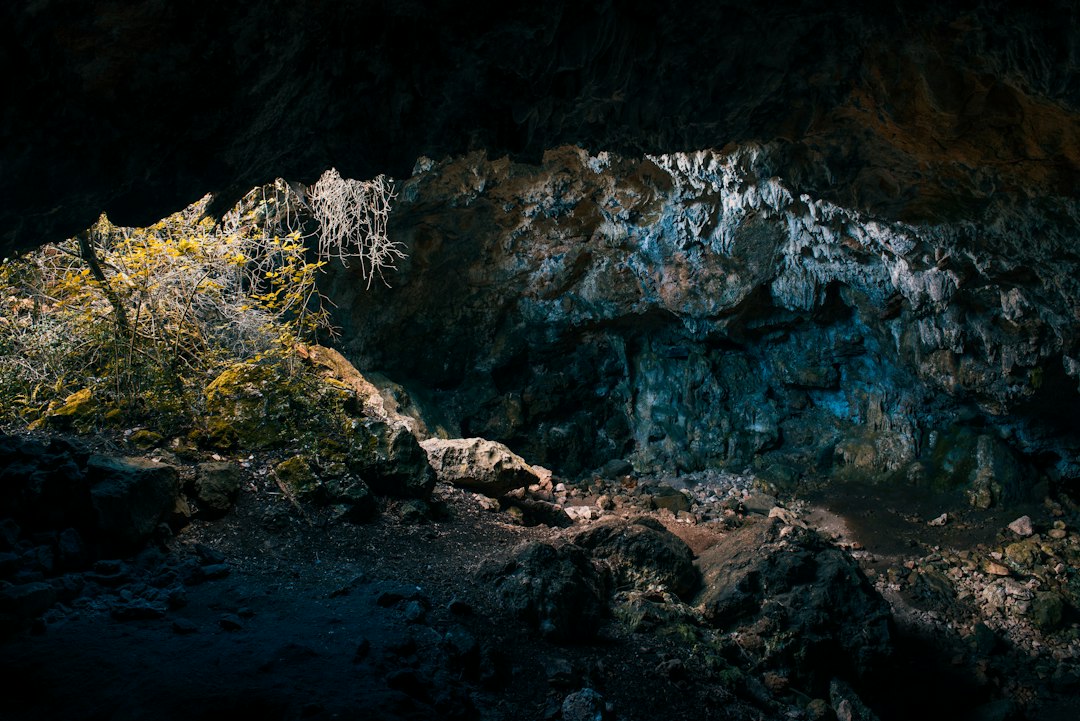
The whisper of wind, the primal scent of earth, and the comforting embrace of stone—these are the sensory anchors for a select group of modern humans who have chosen to dwell within the ancient womb of the earth. Far from the bustling metropolises and manicured suburbs, a hidden world exists, a testament to human adaptability and a quiet rebellion against conventional living. These are the modern cave dwellers, individuals and families who have, by choice or necessity, integrated their lives into the very fabric of geological formations. Their existence challenges our preconceived notions of progress and comfort, revealing a rich tapestry of daily routines, innovative adaptations, and a profound connection to the natural world.
The Lure of the Subterranean Sanctuary
The decision to inhabit a cave is rarely impulsive. It is a considered embrace of a lifestyle that prioritizes a unique set of benefits, often stemming from a desire for sustainability, a retreat from modern pressures, or a deep-seated appreciation for the earth’s protective embrace. For many, the initial attraction lies in the inherent insulation that caves offer. The constant temperature, irrespective of the scorching heat of summer or the biting cold of winter, provides a natural climate control that significantly reduces energy consumption for heating and cooling. This environmental advantage is a powerful draw for those seeking to minimize their ecological footprint. Beyond the practical, there is an undeniable romanticism associated with subterranean living. The idea of residing within something so ancient, so elemental, taps into a primal human connection with the earth that has been largely severed by modern architectural paradigms.
Echoes of History: The Historical Context of Cave Dwelling
Humans have sought shelter in caves for millennia, their natural contours providing refuge from the elements and predators. Archaeological evidence, stretching back to the Paleolithic era, showcases cave paintings and tools that speak of lives lived within these geological formations. These ancient dwellings were not merely temporary shelters but often served as homes, gathering places, and sites for rituals. The modern cave dweller often feels a palpable connection to this ancestral past, a sense of continuity with those who first sought solace and security in the earth’s embrace. This historical resonance adds a layer of depth and meaning to their contemporary choices, transforming their homes from mere structures into living links to humanity’s earliest chapters.
Modern Motivations: Why Choose Earth Over Bricks?
While historical precedent provides a backdrop, contemporary motivations are diverse. For some, it is an economic imperative. In areas where land is scarce or prohibitively expensive, transforming an existing cave into a dwelling can be a far more affordable option than traditional construction. Others are driven by a deep-seated environmental consciousness. The reduced need for energy, the minimal disruption to the natural landscape, and the use of natural materials align perfectly with their sustainable living philosophies. There is also a segment of modern cave dwellers who seek a radical departure from the noise, pollution, and relentless pace of modern society. They crave tranquility, a slower rhythm of life, and a profound sense of being grounded. This pursuit of peace and quiet, a sanctuary from the cacophony of the 21st century, is a significant motivator for many.
In exploring the fascinating world of cave dwellers, one can draw parallels to the lives of early explorers who ventured into uncharted territories. An intriguing article that delves into the experiences of those adventurers is available at this link: Explorers of Antarctica Before 1820. This piece highlights the challenges and discoveries faced by explorers in extreme environments, much like the cave dwellers who adapted to their subterranean habitats. Both groups exemplify human resilience and the quest for survival in the face of adversity.
Crafting a Home from the Earth’s Embrace
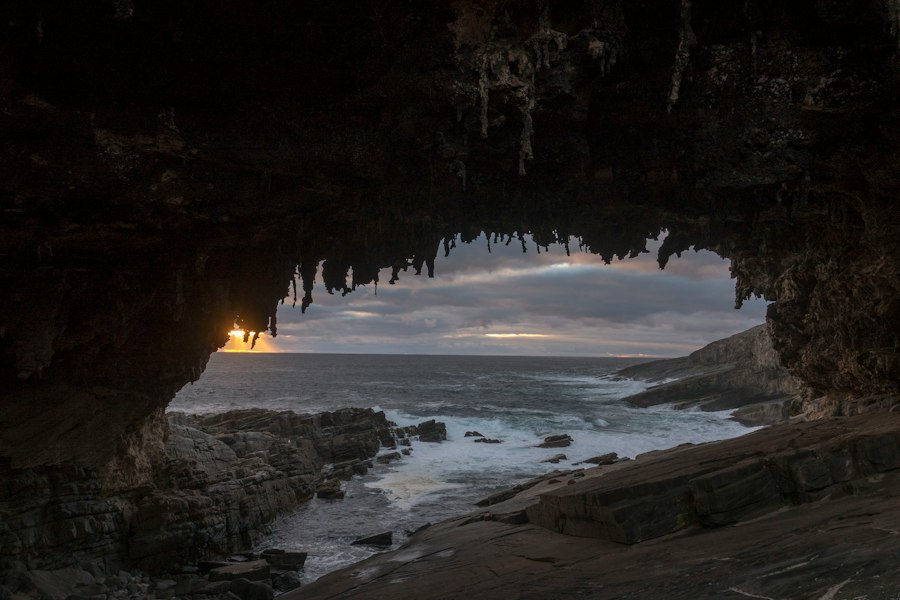
Transforming a natural cave into a habitable dwelling requires ingenuity, a deep understanding of geological principles, and a willingness to work with, rather than against, the existing environment. These are not simply hollowed-out spaces; they are meticulously crafted homes that blend seamlessly with their surroundings, often incorporating modern amenities in surprisingly elegant ways. The process of renovation and habitation is a continuous dialogue with the rock itself, a dance between human needs and geological realities.
Structural Harmony: Adapting Natural Formations
The inherent structure of a cave dictates much of the adaptation process. Unlike building from scratch, where plans are drawn and materials are brought in, cave dwellers must work with the existing contours, overhangs, and natural openings. This often involves reinforcing weak points, ensuring proper drainage, and creating distinct living areas within the cavernous spaces. The natural rock walls serve as robust, insulating barriers, and the challenge lies in integrating utilities, creating windows or artificial light sources, and partitioning spaces without compromising the cave’s structural integrity or its aesthetic appeal. Architects and builders who specialize in this niche often employ techniques that minimize invasive interventions, focusing on reinforcing existing structures and utilizing natural light shafts where possible.
Bringing the Outside In: Utilities and Amenities
Integrating modern conveniences into a subterranean dwelling presents unique challenges and opportunities. Water supply can be managed through wells, rainwater harvesting systems, or connecting to existing municipal lines, often requiring careful routing to avoid compromising cave stability. Electricity is typically supplied via solar panels, wind turbines, or conventional grid connections, with wiring carefully concealed within channels carved into the rock or run along pre-existing fissures. Waste management solutions range from sophisticated composting toilets to connection to septic systems. The goal is always to achieve a balance between modern comfort and minimal impact, ensuring that the cave remains a healthy and functional living environment. Lighting, a crucial element in any dwelling, is often a blend of natural light, cleverly directed through skylights or light tubes, and artificial illumination that mimics natural light cycles to maintain a sense of circadian rhythm.
Exploring the daily life of cave dwellers offers a fascinating glimpse into the resilience and adaptability of early humans. Their routines, from foraging for food to creating tools, provide valuable insights into our ancestors’ survival strategies. For a deeper understanding of how societal structures evolve and the potential implications of modern advancements, you might find this article on the rise of artificial intelligence and societal collapse particularly interesting. It discusses how technological progress can impact human behavior and community dynamics, much like the shifts experienced by cave dwellers in their time. You can read more about it here.
Interior Design: The Art of Subterranean Living
The interior design of a modern cave dwelling is an art form in itself. The rough, organic textures of the rock are often embraced, with smooth finishes and natural materials used to complement rather than compete with the cave’s raw beauty. Furniture may be built directly into alcoves or carved directly from the rock itself, blurring the lines between dwelling and environment. Color palettes tend to be earthy and natural, reflecting the surrounding landscape. The creation of distinct living zones within a single, often irregular, space requires creative partitioning, often achieved with movable screens, strategically placed furniture, or even subtly altered rock formations. The emphasis is on creating a warm, inviting, and functional living space that honors the unique character of its geological foundation.
A Rhythmic Existence: Daily Routines in the Earth’s Depths
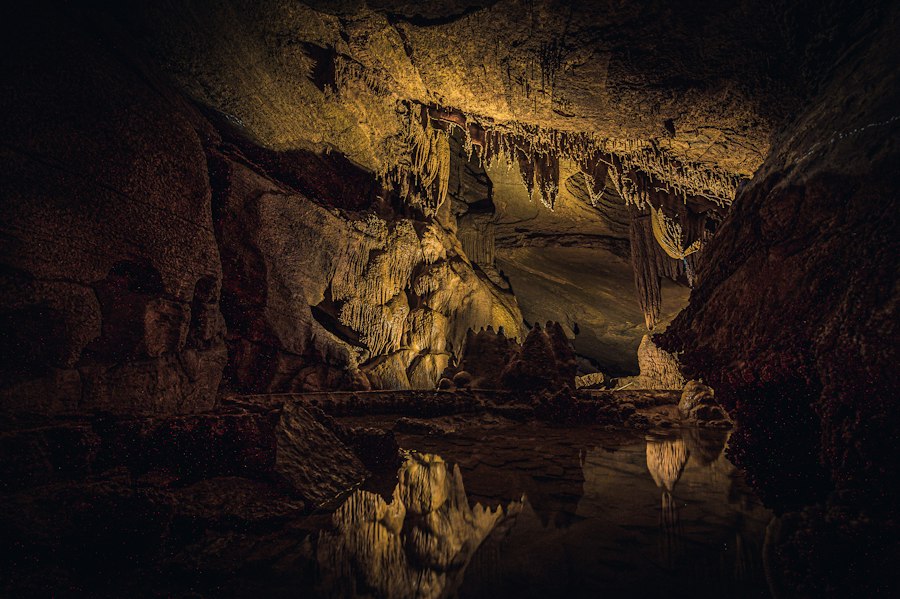
Life within a cave possesses a rhythm distinct from the hurried cadence of the outside world. The natural cycles of light and darkness, temperature fluctuations, and the very silence of the earth subtly influence daily routines, fostering a sense of calm and intentionality. The absence of external distractions can lead to a more focused and fulfilling approach to everyday tasks.
The Gentle Dawn: Waking to Earth’s Embrace
The awakening in a cave dwelling is often a gradual affair. Without the jarring interruption of external noise, the transition from sleep to wakefulness is softened. Natural light, filtering in through strategically placed openings, might be the first indicator of the approaching day, or in deeper caves, the gentle hum of life stirring within the dwelling. Many cave dwellers find themselves waking in sync with their internal clocks, unburdened by the artificial demands of the external world. The air within a cave is often remarkably fresh, circulating naturally or through carefully designed ventilation systems, contributing to a sense of well-being upon waking.
Sustenance from the Soil: Food and Resources
Food acquisition and preparation in cave dwellings often reflect a commitment to self-sufficiency and sustainability. Many cave dwellers cultivate gardens, either in specially designed subterranean greenhouses that harness artificial light and controlled environments, or in outdoor plots close to their dwellings. Permaculture principles are often employed, emphasizing ecological balance and resourcefulness. Foraging for wild edibles, fishing, and raising small livestock can also be part of their food strategy. The kitchen, a central hub of any home, is often designed with efficiency in mind, incorporating energy-saving appliances and ample storage for preserved goods. The act of preparing and sharing meals becomes an even more communal and cherished experience when rooted in such a unique environment.
The Art of Stillness: Leisure and Connection
The quietude of a cave offers a unique canvas for leisure and introspection. With fewer external stimuli vying for attention, activities like reading, writing, painting, or playing musical instruments can take on a deeper, more focused quality. Many cave dwellers engage in crafts that utilize natural materials found in their surroundings, such as pottery, woodworking, or fiber arts. The absence of constant digital connectivity can also foster deeper interpersonal relationships, with evenings often spent in conversation, storytelling, or shared activities. The natural acoustics of caves can also lend themselves to musical performances, creating intimate and resonant gatherings. The connection to nature, both inside and outside the dwelling, becomes a primary source of recreation and inspiration.
Navigating the World Beyond the Stone
While modern cave dwellers often seek a life of reduced engagement with the complexities of the outside world, they are not entirely isolated. Their lives are a testament to the possibility of integrating two seemingly disparate modes of existence: the primal and the modern, the subterranean and the global. Their choices often reflect a conscious decision about the degree of connection they wish to maintain.
Economic Realities: Income and Livelihood
The economic realities of modern cave dwelling are as varied as the individuals themselves. Some work remotely, leveraging technology to maintain careers that allow them to live their chosen lifestyle. Others are entrepreneurs, establishing businesses that are either directly related to their unique living situation – such as eco-tourism or artisanal craft production – or are entirely separate. A significant number embrace a more minimalist approach to consumption, reducing their financial needs and opting for work that provides fulfillment rather than pure financial gain. The ability to produce a significant portion of their own food and to minimize energy costs also contributes to a lower overall cost of living, making their chosen lifestyle more economically viable.
Community and Connection: Bridging Two Worlds
While the allure of isolation might be a factor for some, many modern cave dwellers actively cultivate communities, both within their immediate subterranean enclaves and with the wider world. These communities often form around shared values of sustainability, self-sufficiency, and a deep respect for the natural environment. Shared resources, collaborative projects, and mutual support are common themes. Beyond their immediate neighbors, cave dwellers often maintain connections with friends and family through conventional means, demonstrating that their choice of dwelling does not equate to a rejection of social bonds. Furthermore, many are eager to share their experiences, offering insights and inspiration to others who are exploring alternative living solutions.
Challenges and Triumphs: The Enduring Appeal
The challenges of modern cave dwelling are undeniable. Access to certain amenities can be more difficult, and the unique structural considerations require ongoing attention. Public perception and understanding can also be a hurdle, with some facing skepticism or misunderstanding about their lifestyle choices. However, for those who embrace it, the rewards are profound. The sense of peace, the connection to nature, the satisfaction of living sustainably, and the profound sense of belonging to something ancient and enduring are powerful motivators. The modern cave dweller is not simply a person living in a cave; they are an individual who has chosen a path less traveled, a path that leads to a deeper understanding of themselves and their place within the intricate tapestry of the planet. Their hidden world, though often unseen, offers a powerful vision of what it means to live in harmony with the earth.
The journey into the heart of these subterranean sanctuaries reveals a compelling narrative of adaptation, resilience, and a profound connection to the earth. These modern dwellers, carving out their existence within the ancient rock, are not merely inhabiting spaces; they are embodying a philosophy of living that prioritizes sustainability, tranquility, and a deep reverence for the natural world. Their lives, lived in the quiet embrace of the earth, offer a potent reminder that the most profound forms of progress can sometimes be found not in reaching outwards, but in turning inwards, to the grounding presence of the planet itself.

Beneath the Ice: Surviving the Ice Age 20,000 Years Ago
FAQs
What is the daily routine of cave dwellers?
Cave dwellers typically start their day early in the morning by gathering food, tending to their livestock, and performing various chores around their cave homes. They may also engage in activities such as crafting tools, making clothing, and socializing with other members of their community.
How do cave dwellers obtain food in their daily life?
Cave dwellers obtain food through a variety of methods, including hunting, fishing, foraging for wild plants, and domesticating animals for meat and dairy products. They may also engage in agriculture by growing crops in nearby fields or gardens.
What tools and technologies do cave dwellers use in their daily activities?
Cave dwellers use a variety of tools and technologies to assist them in their daily activities, such as stone tools for hunting and crafting, fire for cooking and warmth, and pottery for storing food and water. They may also use simple tools made from bone, wood, or other natural materials.
How do cave dwellers interact with their environment on a daily basis?
Cave dwellers have a deep connection to their natural environment and rely on it for food, water, shelter, and resources. They may engage in sustainable practices such as crop rotation, animal husbandry, and conservation to ensure the long-term health of their surroundings.
What social structures exist within cave dweller communities?
Cave dweller communities often have complex social structures based on kinship, cooperation, and mutual support. They may have leaders or elders who make decisions for the group, as well as rituals, traditions, and customs that help maintain social cohesion and harmony.