The Reign of Ice: A Pleistocene Overture
The Pleistocene Epoch, a vast stretch of Earth’s history spanning roughly 2.6 million to 11,700 years ago, is often affectionately, and accurately, referred to as the Ice Age. This was a time of dramatic climatic shifts, characterized by cycles of glaciation and interglacial periods that sculpted the planet’s landscapes and profoundly influenced the evolution and distribution of its fauna. Vast ice sheets, some kilometers thick, advanced and retreated across continents, lowering sea levels and connecting landmasses in ways that would be unimaginable today. These fluctuating environments demanded immense adaptability from the life that inhabited them. It was during this tumultuous period that many of the most magnificent and imposing creatures ever to walk the Earth roamed, their existence inextricably linked to the harsh beauty of the glacial world. These were the “Majestic Giants” of the Pleistocene, a testament to nature’s capacity for both grandeur and resilience. From the towering mammoths that traversed frozen tundras to the formidable saber-toothed cats that stalked the burgeoning grasslands, their stories are etched in the fossil record, offering us a tantalizing glimpse into a lost era of unparalleled wildlife. Understanding these prehistoric titans is not merely an exercise in cataloging extinct species; it is an exploration of evolutionary pressures, ecological interactions, and the deep, intricate tapestry of life that once dominated our planet.
The Pleistocene epoch, known for its dramatic climate changes and the emergence of iconic megafauna, has long fascinated researchers and enthusiasts alike. A related article that delves into the broader implications of ancient civilizations and their technologies can be found at this link: The Destruction of Ancient Technology: Why Did It Happen?. This piece explores how the rise and fall of prehistoric wildlife may have influenced human development and technological advancements during this pivotal period in Earth’s history.
Titans of the Tundra and Steppe
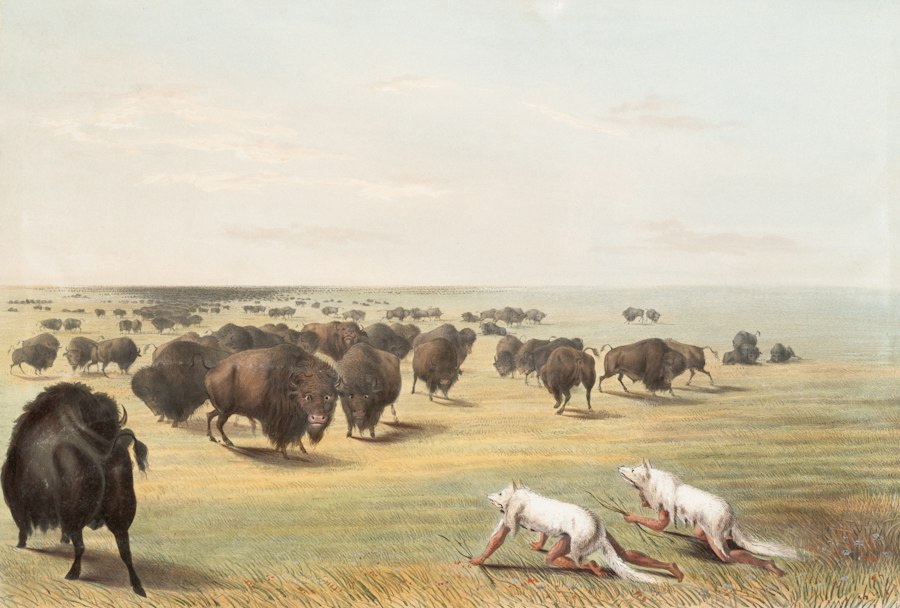
The Pleistocene was a golden age for megafauna, large mammals that thrived in the open landscapes that prevailed during much of the epoch. These creatures, often exceeding the size of their modern descendants, were perfectly adapted to the challenges of a world dominated by ice and vast, open plains. Their immense bodies provided insulation against the cold, and their specialized diets allowed them to subsist on the abundant but often coarse vegetation. The iconic image of the Pleistocene is, without doubt, that of the mammoth. These colossal relatives of modern elephants were incredibly diverse, with several species inhabiting different regions and environments.
The Mammoth Kingdom: Lords of the Frozen Lands
The Woolly Mammoth (Mammuthus primigenius) is perhaps the most famous of all Pleistocene megafauna. Covered in a thick, shaggy coat of reddish-brown hair, along with a dense undercoat and a layer of subcutaneous fat, these animals were supremely adapted to the frigid conditions of the northern hemisphere. Their relatively short legs, small ears, and stubby tails minimized heat loss, while their broad, flat molars were perfectly designed for grinding tough grasses, sedges, and willows found on the treeless tundra. Evidence from fossil remains, including remarkably preserved carcasses found in permafrost, has revealed not only their anatomy but also details about their diet and social behavior. They likely lived in herds, migrating seasonally to find fresh grazing grounds. The discovery of mammoth bones alongside stone tools provides compelling evidence of the long and complex relationship between these giants and early humans, who hunted them for food, hides, and bone.
Beyond the ubiquitous Woolly Mammoth, other mammoth species roamed the planet. The Columbian Mammoth (Mammuthus columbi), a larger species, inhabited the warmer southern regions of North America, where it likely grazed on a wider variety of vegetation. In contrast, the Steppe Mammoth (Mammuthus trogontherii) was an even larger ancestor, characterized by its long, straight tusks and its prevalence in the vast Eurasian steppes during the earlier parts of the Pleistocene. The sheer scale of these animals, with some species reaching heights of over 4 meters at the shoulder and weighing upwards of 10 tons, underscores the extraordinary nature of Pleistocene ecosystems. Their existence highlights a period when large herbivores played a crucial role in shaping the landscape through their grazing habits, influencing vegetation patterns and creating open habitats that supported other species.
The Gomphothere Legacy: An Ancient Elephantine Lineage
While mammoths often steal the spotlight, the Pleistocene also witnessed the continued presence and diversification of gomphotheres, an ancient group of elephant-like mammals that predated the mammoths. These animals, characterized by their distinctive shovel-like lower tusks and often four tusks in total (two upper and two lower), were a diverse lineage with a long evolutionary history. By the Pleistocene, many gomphothere lineages were in decline, but some persisted, particularly in the Americas.
The American Mastodon (Mammut americanum) is a prime example of a gomphothere that coexisted with mammoths and early humans in North America. Unlike the mammoths, which were grazers, mastodons were browsers, their robust jaws and molar teeth adapted for crushing leaves, twigs, and branches from trees and shrubs. Their preference for forested and woodland environments meant they occupied a different ecological niche than their mammoth cousins, leading to a degree of coexistence rather than direct competition. The discovery of mastodon remains in bogs and wetlands, often associated with their dietary preferences, offers valuable insights into their habitat and feeding habits. The impressive size of the mastodon, comparable to that of a large mammoth, further solidifies their status as majestic giants of the Pleistocene. Their presence alongside other large herbivores painted a picture of a complex and varied mammalian community, each species carving out its own existence within the dynamic Pleistocene world.
Apex Predators: Masters of the Hunt
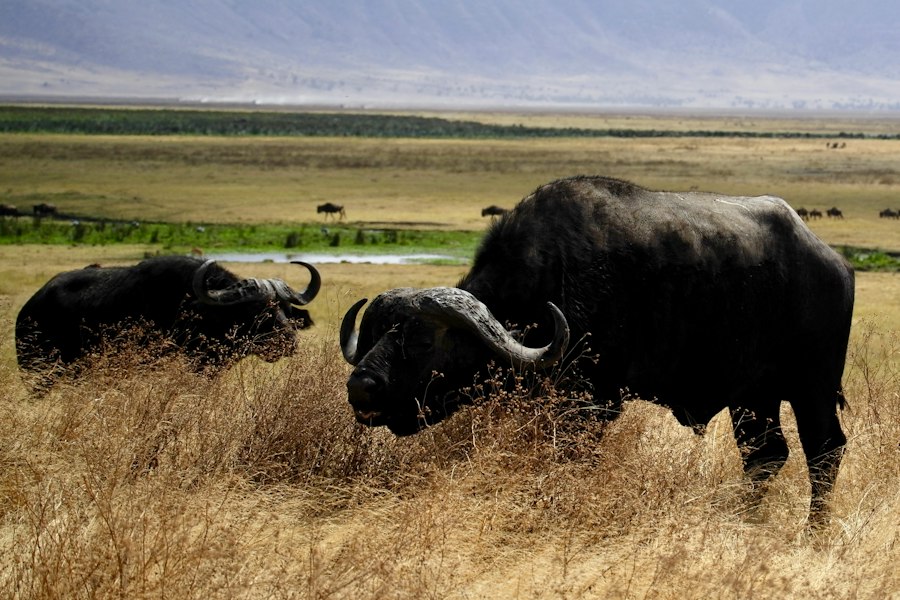
The abundance of large herbivores in the Pleistocene naturally supported a formidable array of predators, creatures that evolved specialized adaptations to hunt and subdue these massive prey. These carnivores were often as large, if not larger, than their modern counterparts, possessing immense strength, sharp claws, and specialized dentition designed for tearing flesh and crushing bone. The ecological balance of the Pleistocene was maintained by these formidable hunters, whose presence played a vital role in regulating herbivore populations and shaping the evolutionary pressures on their prey.
The Saber-toothed Cats: Enigmatic Hunters of a Bygone Era
Perhaps the most iconic of the Pleistocene predators are the saber-toothed cats, an extinct group of felids renowned for their extraordinarily long, blade-like canine teeth. While not a single species, the term “saber-toothed cat” encompasses several genera, the most famous being Smilodon. Often referred to as the “saber-toothed tiger” (though they were not closely related to modern tigers), Smilodon was a powerful and heavily built cat, possessing immense forequarters and muscular limbs, suggesting it was an ambush predator capable of bringing down large prey.
The function of their exaggerated canine teeth has been a subject of much scientific debate. Current theories suggest these teeth were used for precise killing blows, likely targeting the soft throat or belly of large prey like bison, horses, and young mammoths. The relatively weak musculature of the neck in some Smilodon species indicates they likely didn’t engage in prolonged struggles or bone-crushing bites, favoring a quick, efficient kill. Fossil discoveries, particularly from the La Brea Tar Pits in California, have provided a wealth of information about Smilodon, revealing evidence of pack hunting behavior and social dynamics within these formidable predators. The sheer power and specialized hunting strategy of saber-toothed cats solidify their place as true titans of the Pleistocene food web.
The Short-Faced Bears: Giants of Immense Proportions
Another group of formidable predators that dominated the Pleistocene landscape were the short-faced bears. The most prominent among them was the Giant Short-Faced Bear (Arctodus simus). This colossal ursid dwarfed modern bears, with males estimated to have stood over 3 meters tall on their hind legs and weighed an astonishing 700-800 kilograms, potentially even more. Their most distinctive feature, as their name suggests, was their remarkably short, broad skull relative to their body size, a feature that may have allowed for a more powerful bite force.
Unlike modern bears that are often omnivorous, there is considerable debate about the exact dietary habits of Arctodus simus. Some paleontologists believe it was primarily a carnivore or scavenger, using its immense size and strength to confront other predators and claim carcasses. Others suggest it was an omnivore, capable of consuming a wide range of foods. Regardless of its precise diet, its sheer size and powerful build would have made it a dominant force in its ecosystem, capable of challenging even the largest herbivores and competing fiercely with other carnivores. The presence of such an immense predator highlights the scale and intensity of the ecological interactions that defined the Pleistocene.
Other Carnivorous Marvels: Wolves and Dire Wolves
While saber-toothed cats and giant bears often capture the imagination, the Pleistocene was also home to a diverse array of other carnivores, including various species of canids. Among the most notable was the Dire Wolf (Aenocyon dirus), a larger and more robust relative of the modern gray wolf. Dire wolves were common throughout North and South America during the Pleistocene, often found in similar environments to Smilodon. Their robust build and powerful jaws suggest they were capable of taking down large prey, and fossil evidence indicates they likely hunted in packs, similar to their modern descendants. The discovery of numerous Dire Wolf fossils at La Brea has provided invaluable insights into their social structure and hunting strategies, reinforcing their role as significant apex predators of the epoch. The presence of multiple large carnivore species, each with its own specialized hunting strategies, painted a complex picture of predator-prey dynamics in the Pleistocene world.
Diversified Habitats: Beyond the Ice
While the image of a frozen wasteland often dominates our perception of the Pleistocene, it is crucial to remember that the epoch was characterized by cycles of glaciation and interglacial periods. During the warmer interglacial phases, and in regions not covered by ice, diverse habitats flourished, supporting a rich tapestry of life. These environments ranged from lush temperate forests and sprawling grasslands to savannas and even semi-arid regions. This ecological diversity allowed for the evolution of a wide array of species, each adapted to its specific niche.
The Giant Ground Sloths: Gentle Giants of the South
In the warmer climes of South America, the Pleistocene witnessed the reign of the giant ground sloths, a group of xenarthrans that reached truly colossal proportions. The most famous of these was Megatherium americanum, a behemoth that could grow up to 6 meters long and weigh as much as the largest mammoths. Unlike their arboreal descendants, giant ground sloths were terrestrial, walking on the soles of their feet with a plantigrade stance, their massive claws not for climbing but likely for defense and digging.
Their herbivorous diet consisted primarily of vegetation, and their immense size would have made them significant herbivores, capable of stripping entire trees bare. Fossil evidence suggests they inhabited a variety of environments, from open plains to woodlands, and their presence was a defining feature of the South American Pleistocene megafauna. Other giant ground sloth genera, such as Eremotherium, also roamed the continent, some even extending their range into North America during periods of lower sea levels. The sheer scale of these creatures, coupled with their unique evolutionary lineage, underscores the extraordinary diversity of Pleistocene life beyond the icy north.
The Glyptodon and Armadillo Kin: Armored Marvels
In the same South American ecosystems that nurtured the giant ground sloths, another fascinating group of armored mammals flourished: the glyptodonts. These were enormous relatives of modern armadillos, encased in a dome-like carapace formed from fused bony plates, often measuring several meters in diameter. Glyptodon clavipes, the most well-known species, was roughly the size of a small car, weighing over a ton. Their massive, club-like tails, often armed with bony knobs, suggest a defensive capability against predators.
Glyptodonts were herbivores, their broad molars adapted for grinding tough vegetation. They occupied a niche similar to that of rhinoceroses or hippopotamuses in other parts of the world, their immense size and armor providing protection. Alongside the glyptodonts, smaller but still impressive armadillos also existed, showcasing the evolutionary radiation of this unique mammalian order. The presence of these heavily armored herbivores highlights the varied strategies employed by Pleistocene fauna for survival, from sheer size and strength to robust physical defenses.
The Teratorns and Condors: Sky-High Scavengers
While the land was dominated by giants, the skies of the Pleistocene were also graced by avian titans. Among the most impressive were the teratorns, a group of extinct vultures that possessed truly staggering wingspans. Teratornis merriami, one of the most common species, had a wingspan estimated to be up to 5 meters, making it one of the largest flying birds known to have ever existed. These magnificent birds were likely carrion feeders, soaring on thermal currents to spot the carcasses left by predators or the remains of animals that succumbed to the harsh environment.
Their immense size and keen eyesight would have made them efficient scavengers, playing a vital role in cleaning up the landscape and preventing the spread of disease. Alongside the teratorns, modern condors also existed, their lineages tracing back to the Pleistocene, further emphasizing the ancient presence of large avian predators and scavengers in these prehistoric ecosystems. The sheer scale of these flying giants offers a different perspective on the grandeur of Pleistocene wildlife, reminding us that the reign of the giants extended far beyond the terrestrial realm.
The Pleistocene epoch, known for its dramatic climate changes and the emergence of iconic prehistoric wildlife, has fascinated researchers and enthusiasts alike. This period saw the rise and fall of majestic creatures such as woolly mammoths and saber-toothed cats, which roamed vast landscapes that are now transformed into modern ecosystems. Understanding the impact of climate shifts during this time can provide valuable insights into current environmental challenges. For a deeper exploration of how deforestation and habitat loss are affecting wildlife today, you can read more in this insightful article on the deforestation crisis.
Extinction and Legacy: The Vanishing Giants
| Species | Common Name | Approximate Size | Habitat | Diet | Time Period (Million Years Ago) |
|---|---|---|---|---|---|
| Mammuthus primigenius | Woolly Mammoth | Up to 4 m tall, 6 tons | Tundra and steppe | Herbivore | 0.4 – 0.01 |
| Smilodon fatalis | Saber-toothed Cat | 1.1 m tall, 160-280 kg | Grasslands and forests | Carnivore | 2.5 – 0.01 |
| Megatherium americanum | Giant Ground Sloth | Up to 6 m long, 4 tons | Forests and grasslands | Herbivore | 2.5 – 0.01 |
| Equus ferus | Wild Horse | 1.4-1.5 m tall | Open plains and steppes | Herbivore | 2.5 – 0.01 |
| Coelodonta antiquitatis | Woolly Rhinoceros | Up to 3.5 m long, 1.5-2 tons | Tundra and steppe | Herbivore | 0.4 – 0.01 |
| Canis dirus | Dire Wolf | Up to 1.5 m long, 60-68 kg | Grasslands and forests | Carnivore | 0.3 – 0.01 |
The end of the Pleistocene Epoch, around 11,700 years ago, marked the beginning of the Holocene, a period of relative climatic stability. However, this transition was also accompanied by a dramatic and widespread extinction event, often referred to as the Quaternary extinction, which saw the disappearance of most of the Earth’s megafauna. The exact causes of this extinction are still a subject of intense scientific debate, with various factors likely contributing to the demise of these magnificent creatures.
Theories of Extinction: Climate Change and Human Impact
One prominent theory points to rapid climate change as a major driver of extinction. As the last glacial period waned, environments shifted dramatically. The vast, open grasslands that supported large herbivores began to fragment, replaced by forests and different vegetation types that were less suitable for many of the large grazing animals. This ecological disruption would have placed immense pressure on megafauna, leading to food shortages and population declines.
However, the timing of these extinctions often coincides with the expansion of human populations across the globe. The “overkill hypothesis,” proposed by Paul S. Martin, suggests that human hunting played a significant role in driving many megafauna species to extinction. Early humans, equipped with increasingly sophisticated hunting tools and techniques, may have been able to exploit these large, often less-wary animals, leading to their rapid demise. It is likely that a combination of climate change and human activity acted in concert, with climate change weakening populations and making them more vulnerable to human hunting pressure. The interaction between these two forces created a perfect storm for the extinction of many Pleistocene giants.
Echoes of the Past: Modern Descendants and Enduring Fascination
Despite the widespread extinctions, the legacy of the Pleistocene giants endures. Modern elephants, rhinos, hippos, and other large mammals can be seen as distant descendants, carrying the torch of the megafauna, albeit in a diminished capacity. The study of Pleistocene wildlife provides invaluable insights into evolutionary processes, adaptation to extreme environments, and the impact of environmental change and human influence on biodiversity.
Furthermore, these magnificent creatures continue to capture the human imagination. Their sheer size, power, and the mystery surrounding their lives have made them enduring icons of the prehistoric world. From museum exhibits showcasing fossilized skeletons to popular culture depictions in films and books, the Majestic Giants of the Pleistocene continue to inspire awe and a profound sense of wonder about the lost worlds that once existed on our planet. Their stories are a reminder of the dynamic nature of life on Earth and the fragility of even the most imposing of species in the face of environmental upheaval and evolutionary change. The fossil record serves as a silent testament to their existence, urging us to understand and protect the biodiversity that remains, lest we face a similar vanishing act in our own future.

Beneath the Ice: Surviving the Ice Age 20,000 Years Ago
FAQs
What types of animals lived during the Pleistocene epoch?
During the Pleistocene epoch, a variety of prehistoric wildlife roamed the Earth, including mammoths, saber-toothed cats, giant ground sloths, woolly rhinoceroses, and dire wolves.
How did the climate during the Pleistocene epoch impact prehistoric wildlife?
The Pleistocene epoch was characterized by fluctuating ice ages and warmer interglacial periods, which influenced the distribution and evolution of prehistoric wildlife. Many species adapted to the changing climate by developing unique physical characteristics.
What evidence do scientists use to study prehistoric wildlife of the Pleistocene epoch?
Scientists study prehistoric wildlife of the Pleistocene epoch by examining fossils, ancient DNA, isotopic analysis, and paleoecological reconstructions. These methods help researchers understand the behavior, diet, and habitat of extinct species.
Were there any megafauna species that went extinct during the Pleistocene epoch?
Yes, several megafauna species went extinct during the Pleistocene epoch, including the woolly mammoth, American mastodon, giant ground sloth, and saber-toothed cat. The causes of their extinction are still debated among scientists.
How does the study of prehistoric wildlife of the Pleistocene epoch contribute to our understanding of evolution and biodiversity?
Studying prehistoric wildlife of the Pleistocene epoch provides valuable insights into the processes of evolution, adaptation, and extinction. By analyzing ancient species and their interactions with the environment, scientists can better understand the dynamics of biodiversity over time.