The biting winds of the Ice Age, a relentless force that sculpted landscapes and challenged the very survival of early humans, demanded an ingenious response. While their tools and hunting prowess are often lauded, the critical role of primitive clothing in shielding Ice Age hunters from the brutal cold has, for too long, been relegated to the background. These early garments, far from being mere adornments, were sophisticated survival systems, meticulously crafted from readily available natural resources. They were the first line of defense against hypothermia, frostbite, and the sheer debilitating effects of extreme temperatures, allowing our ancestors to venture into, and indeed thrive in, environments that would be instantly lethal to unprotected modern humans.
The Imperative of Insulation: Why Clothing Was Non-Negotiable
The Pleistocene epoch, spanning roughly 2.6 million to 11,700 years ago, was characterized by dramatic climate fluctuations, including periods of intense glaciation. During these glacial periods, vast ice sheets covered much of the Northern Hemisphere, pushing habitable zones southward and creating frigid conditions even in regions now considered temperate. For hominins living through these times, the ability to regulate body temperature was paramount. Their physiology, while adapted to some degree, lacked the inherent insulation of other cold-adapted mammals. The development and widespread use of clothing therefore became an evolutionary imperative, a technological leap that fundamentally altered the scope of human migration and survival. Without effective thermal protection, venturing beyond the immediate confines of sheltered living spaces, such as caves or rudimentary shelters, would have been a life-threatening endeavor. The dangers were manifold: rapid heat loss through radiation, convection, and conduction, leading to a cascade of physiological responses that could quickly overwhelm the body. Shivering, a reflexive attempt to generate heat, is a temporary measure that drains energy reserves. Prolonged exposure leads to numbness, impaired motor skills, confusion, and ultimately, death. Primitive clothing provided a vital buffer, trapping insulating layers of air and preventing the direct transfer of heat to the frigid environment.
Physiological Limitations and the Evolutionary Advantage of Clothing
Early humans, like their primate ancestors, possessed relatively sparse body hair compared to many mammals. While some degree of subcutaneous fat might have offered limited insulation, it was insufficient to combat the sustained, sub-zero temperatures of glacial periods. The human capacity for endurance and complex thought, however, provided a unique advantage. Instead of relying solely on biological adaptations that take millennia to evolve, early humans could innovate. Clothing represented a cultural adaptation, a testament to their intelligence and problem-solving abilities. The development of sophisticated hunting techniques, which often required long periods of stillness while tracking prey or ambushing, further amplified the need for warmth. Standing motionless in freezing temperatures with minimal protection would have rendered such strategies impossible. The ability to fashion and wear effective clothing unlocked access to new hunting grounds, expanded migratory possibilities, and ultimately, played a crucial role in the dispersal of Homo sapiens across the globe.
The Unforgiving Nature of Ice Age Environments
Ice Age environments were not merely cold; they were harsh and unpredictable. Fierce blizzards could descend with little warning, creating whiteout conditions and burying the landscape under deep snow. Glacial meltwater streams, while vital for survival, were bone-chillingly cold. The windchill factor, a phenomenon that significantly lowers the perceived temperature due to wind, would have made exposed skin vulnerable to rapid freezing. Exposed flesh could suffer frostbite within minutes, leading to tissue damage and potential loss of limbs. Beyond the direct effects of cold, these environments presented other challenges. Limited access to readily combustible fuel in some regions meant that maintaining fires, while crucial, might not always have been a constant solution. Clothing provided a mobile and personal source of warmth, essential for activities far from a hearth.
Primitive clothing played a crucial role in protecting Ice Age hunters from the harsh environmental conditions they faced, allowing them to survive and thrive in a world dominated by extreme cold and challenging landscapes. The use of animal hides and furs not only provided insulation but also offered camouflage, aiding in their hunting efforts. For a deeper exploration of how ancient technologies and practices, including clothing, have shaped human survival, you can read more in the article “The Lost Ancient Tech: What Did We Lose?” available at this link.
The Art of the Hunt: Raw Materials and Early Garment Construction

The ingenuity of Ice Age hunters was most clearly demonstrated in their ability to transform the animal hides and furs they acquired into effective protective garments. This was not a matter of chance but a deliberate and skilled process, honed through generations of experience. The selection of appropriate materials, the methods of preparation, and the techniques of assembly were all critical to the efficacy of the final product. These early garments were a testament to a deep understanding of the natural world and a mastery of available resources.
Sourcing the Shield: Animal Pelts as Primary Protection
The most readily available and effective source of insulation for Ice Age hunters was the thick fur and hide of the animals they hunted. Mammals adapted to cold climates, such as mammoths, woolly rhinoceroses, reindeer, and various large predators, possessed dense fur coats and thick subcutaneous fat layers that offered excellent thermal properties. These animals were not only a source of food but also provided the raw materials for essential clothing. The choice of animal was likely influenced by the specific climate and the availability of prey. For instance, in the Arctic regions, the fur of reindeer and seals would have been particularly valuable due to their exceptional insulating qualities. The thick, oily blubber of marine mammals also provided a vital resource, not only for fuel but also potentially for waterproofing and preserving hides.
The Mammoth and Its Bounty: A Crucial Resource
The mammoth, a formidable creature of the Ice Age plains, represented a veritable treasure trove for early humans. Its thick, shaggy coat, consisting of long outer guard hairs and a dense undercoat of fine wool, provided unparalleled insulation. The skin of the mammoth was also substantial and could be processed into durable leather for various uses, including footwear and outer garments. The sheer size of the mammoth meant that a single animal could provide enough material to clothe an entire family or small group. The successful hunting of such a large animal would have been a significant undertaking, requiring coordinated effort and sophisticated hunting strategies, but the rewards in terms of sustenance and raw materials were immense.
Smaller Prey, Diverse Applications: Utilizing a Range of Hides
While the mammoth represented a prime resource, smaller animals also played a crucial role in the Ice Age wardrobe. The fur of smaller mammals, such as foxes, wolves, and rabbits, offered finer insulation and could be used for lining garments or creating more specialized items. The pelts of these animals, often more readily accessible through trapping or opportunistic hunting, allowed for a diversification of clothing materials. Different types of fur possess varying insulating properties; for example, the fine, dense underfur of a rabbit is excellent for trapping heat, while the hollow hairs of a fox or wolf provide superior loft and wind resistance. This understanding of material properties would have been acquired through generations of observation and experimentation.
Preparing the Canvas: Skinning, Scrapping, and Tanning
Once an animal was successfully hunted, the meticulous process of preparing its hide began. This was a multi-stage operation, crucial for rendering the hide usable and preventing its decay. The initial step involved careful skinning to avoid damaging the pelt. Following this, the hide would be scraped to remove any remaining flesh, fat, and connective tissue. This process, often done with sharp stone tools, was vital for preventing putrefaction and ensuring a clean surface for further treatment.
The Importance of Scrapping: Removing Impurities for Durability
The scraping process, while seemingly straightforward, required considerable skill and the use of specialized tools. Stone scrapers, often made from flint or obsidian, were carefully shaped to have sharp edges. These tools were used to meticulously remove all traces of subcutaneous fat and tissue from the flesh side of the hide. Incomplete scraping could lead to the hide becoming greasy and prone to rotting, rendering it unsuitable for clothing. Furthermore, residual fat could stiffen the hide, making it uncomfortable and less effective as insulation. The thoroughness of this process directly impacted the longevity and functionality of the finished garment.
The Dawn of Preservation: Early Methods of Tanning and Curing
While the precise techniques of Ice Age tanning remain a subject of ongoing research, evidence suggests that early humans employed methods to preserve and soften animal hides. These likely involved a combination of processes. Brain tanning, utilizing the fats and proteins found in animal brains, is a strong candidate. The enzymes in the brain matter would have helped to break down connective tissues and lubricate the collagen fibers, resulting in a softer, more pliable hide. Another possibility is the use of urine, which contains ammonia, a substance known for its preservative and softening properties. Smoking hides over a low fire, a technique still used by some indigenous cultures today, could also have been employed to further preserve the material and impart some water resistance. These methods, though rudimentary by modern standards, were effective in transforming stiff, perishable skins into durable and flexible materials suitable for crafting clothing.
Stitching Together Survival: Tools and Techniques
With the hides prepared, the next crucial step was their assembly into garments. This required the development of tools for cutting, piercing, and joining. The emergence of bone and antler needles, along with sharp flint awls, marked a significant technological advancement. These tools allowed for the creation of seams and the attachment of various pieces of hide to form complex garments.
The Needle’s Genesis: Crafting Bone and Antler Tools
The development of the bone needle was a pivotal moment in the history of clothing. These finely crafted tools, often made from the long bones of large mammals or the antlers of deer, were designed with a sharpened point and an eye for threading. The creation of these needles required considerable skill in shaping and polishing bone and antler, transforming raw materials into precise instruments. The presence of sewing needles in archaeological sites provides direct evidence of the sophisticated tailoring practices of Ice Age peoples.
Awls and Lasers: Creating Holes for Threading
Complementing the needles were awls, typically made from sharpened bone or antler. These pointed tools were used to pierce holes in the prepared hides, creating the necessary openings for threading sinew or gut through. The distance and regularity of these holes would have been carefully controlled to create strong and even seams. The combination of awls and needles allowed for the precise construction of garments, ensuring that they fit well and provided optimal protection.
Sinew and Gut: The Original Threads of Survival
For stitching, Ice Age hunters relied on natural fibers. Animal sinew, the tough, fibrous connective tissue found in muscles and tendons, was a primary source of strong thread. When dried and then pounded or separated into finer strands, sinew provided a durable and flexible material for sewing. Similarly, the intestines of animals, carefully cleaned and dried, could also be used as strong threads. The ability to procure and process these materials further underscores the holistic approach to utilizing animal resources.
The Blueprint of Protection: Early Garment Designs and Their Functions
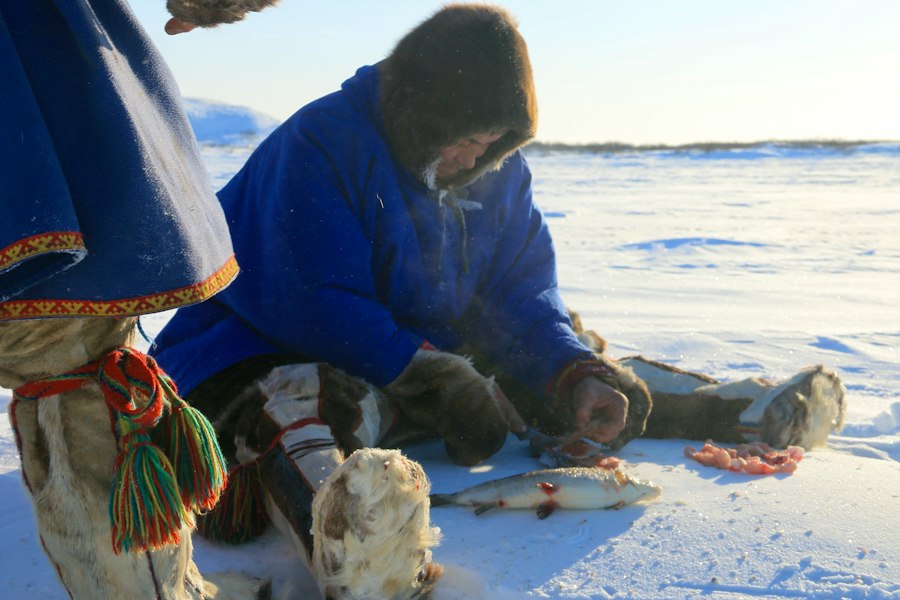
The form and function of Ice Age clothing were dictated by the harsh environmental realities and the specific activities of the wearers. Archaeological discoveries and ethnographic parallels with modern indigenous groups offer insights into the likely designs of these early garments, emphasizing coverage, layering, and adaptability. These were not mere sacks but carefully conceived pieces of protective wear, tailored to the needs of survival in extreme cold.
The Concept of Layering: A Multi-Faceted Defense
The principle of layering, a cornerstone of modern cold-weather attire, was undoubtedly understood and utilized by Ice Age hunters. Multiple thin layers of insulating material trap air, creating a highly effective barrier against heat loss. An inner layer of soft fur or treated hide would have provided comfort against the skin, while an outer layer of thicker, denser fur offered superior protection against wind and precipitation. This layered approach allowed for adaptability; as activity levels increased, outer layers could be removed to prevent overheating and subsequent chilling.
The Inner Embrace: Comfort and Initial Insulation
The innermost layer of clothing would have been crucial for direct contact with the skin. Soft, finely processed furs, such as those from rabbits or smaller mammals, would have been ideal for this purpose. These materials would have been chosen for their ability to trap a significant amount of air close to the body, providing a gentle and consistent layer of warmth. The scraping and potential softening of these hides would have been paramount to ensure comfort and prevent chafing, which could lead to skin irritation and further heat loss.
The Outer Shell: Battling the Elements
The outer layers of Ice Age clothing would have been designed for maximum defense against the elements. Thick, dense furs from larger animals, such as reindeer or mammoth, would have been employed. These furs, with their hollow hairs, trap air effectively and provide excellent insulation against wind and snow. The hides themselves, when properly prepared, would have offered a degree of water resistance, preventing moisture from penetrating the insulating layers and chilling the body. The design of these outer garments likely included hoods and possibly mittens or gloves to protect the head and extremities, which are particularly vulnerable to heat loss.
Garment Forms: Tunics, Trousers, and Footwear
Based on archaeological evidence, including the discovery of bone needles and awls, and insights from the survival strategies of contemporary indigenous peoples living in cold climates, it is possible to infer the likely forms of Ice Age clothing. These would have included simple tunics, trousers, and crucially, robust footwear. The emphasis would have been on full body coverage to minimize exposed skin.
The Simple Tunic: A Versatile Upper Body Covering
A basic tunic, essentially a long shirt or dress made from animal hides, would have been a fundamental garment. This could have been fashioned from a single large hide, with holes cut for the head and arms, or constructed from multiple pieces sewn together. Such a garment would have provided substantial coverage for the torso and upper limbs. The length of the tunic could have varied, with longer versions offering additional protection to the thighs and buttocks.
Trousers for Mobility: Protecting the Lower Limbs
For hunting and moving through challenging terrain, trousers would have been essential. These could have been constructed as separate leg coverings, tied or secured around the waist, or perhaps attached to a belt. The use of supple leather and well-sewn seams would have been critical for allowing freedom of movement while providing crucial insulation to the legs and groin area, which are prone to significant heat loss.
The Indispensable Footwear: Protecting the Foundation of Mobility
Perhaps the most critical items of Ice Age clothing were those that protected the feet. Frostbite and chilling of the feet can incapacitate a hunter quickly. Therefore, well-constructed footwear was vital. This would have likely consisted of moccasin-like shoes, made from soft, pliable hides, often lined with fur for added warmth. The soles would have been reinforced for durability and protection against rough terrain. Some evidence suggests the use of separate socks or inner linings made from grass or other plant materials for additional insulation.
The Art of the Hood and Hand Protection: Guarding Vulnerable Extremities
The head and hands are particularly susceptible to heat loss and frostbite. Therefore, it is highly probable that Ice Age hunters developed effective methods for protecting these extremities. Hoods, either attached to tunics or made as separate items, would have provided crucial insulation for the head and neck. Similarly, mittens or gloves, offering more coverage than individual finger-bound gloves, would have been essential for keeping hands warm and functional, allowing for the manipulation of tools and weapons.
Evidence in the Archaeological Record: Clues from Ancient Sites
Direct evidence of Ice Age clothing is scarce, due to the perishable nature of organic materials. However, a combination of indirect archaeological findings and the interpretation of early art provides compelling clues about the clothing worn by our ancestors. These fragments of evidence, pieced together, paint a picture of sophisticated survival attire.
The Silent Witnesses: Tools and Accoutrements
The most abundant evidence for Ice Age clothing comes from the tools used in its production. The discovery of numerous bone and antler needles, along with stone awls and scrapers, in Paleolithic archaeological sites across Europe and Asia, strongly indicates the practice of sewing and hide preparation. The sheer quantity and diversity of these tools suggest that clothing production was a widespread and integral part of life for these early human populations. The precision with which some of these tools were crafted also points to a developed understanding of material properties and construction techniques.
The Significance of Needles and Awls: Proof of Tailoring
The identification of bone needles, often with eyes and sharpened points, is a direct indicator of sewing. These are not merely speculative finds; they are tangible artifacts that demonstrate the ability to pierce and stitch hides. Similarly, the presence of bone and flint awls, designed for piercing holes, further corroborates the practice of creating fitted garments. The distribution of these tools across various Ice Age sites suggests that clothing was not a localized phenomenon but a common necessity for populations living in colder climates.
Scrapers and Cutters: Evidence of Hide Processing
Stone scrapers, with their characteristic flaked edges, are commonly found at Ice Age sites and are interpreted as tools used for cleaning and preparing animal hides. The meticulous scraping of hides was a necessary step before they could be sewn or tanned. The presence of finely worked flint blades, suitable for cutting hides into specific shapes, also contributes to the understanding of early garment construction. The variety of sizes and forms of these tools suggests they were used for different stages of hide preparation and garment assembly.
Glimpses in Stone and Bone: Artistic Depictions
While direct textile finds are rare, early representational art offers valuable, albeit often stylized, insights into Ice Age clothing. Engravings on bone and stone, as well as small portable figurines, sometimes depict human figures adorned with what appear to be animal skins and furs. These artistic renditions, while not detailed fashion plates, provide visual cues about the coverage and general form of the garments worn. The emphasis in these depictions is often on voluminous coverings, suggesting the importance of thick insulation.
The Venus Figurines: A Window into Adornment
The famous “Venus figurines,” small, often voluptuous female statuettes dating from the Upper Paleolithic, frequently depict figures wearing what appear to be elaborate headdresses and garments made from animal skins. While the exact interpretation of these figurines is debated, the consistent representation of clothing suggests its importance in the cultural and social lives of these early peoples. The emphasis on covering the body in these depictions aligns with the environmental demands of the time.
Cave Art and Engravings: Visual Clues from Hunting Scenes
Engravings found in Paleolithic caves and on portable artifacts sometimes depict hunters in action. While the details are often abstract, these scenes can offer clues about the clothing worn during hunting expeditions. The bulky nature of the depicted attire suggests that protection from the cold was a primary concern, even during physically demanding activities. The inclusion of hoods and fur coverings in some of these depictions further supports the notion of practical, warm clothing.
During the Ice Age, early hunters relied on primitive clothing made from animal hides and furs to protect themselves from harsh environmental conditions. This clothing not only provided warmth but also allowed for greater mobility while hunting in frigid temperatures. The ingenuity of these early humans in utilizing available resources is a fascinating topic, and you can explore more about how technological advancements have evolved from such primitive practices in a related article on revolutionizing technology. Understanding these historical developments sheds light on the resilience and adaptability of our ancestors in the face of adversity.
The Enduring Legacy: How Primitive Clothing Shaped Human History
| Protection Aspect | Description | Benefit to Ice Age Hunters | Material Used |
|---|---|---|---|
| Thermal Insulation | Clothing made from animal hides and fur trapped body heat. | Maintained body temperature in freezing conditions, preventing hypothermia. | Animal skins, fur, sinew |
| Wind Resistance | Dense hides blocked cold winds from penetrating clothing layers. | Reduced wind chill effect, improving comfort and endurance. | Thick leather, layered pelts |
| Water Resistance | Oiled or naturally water-resistant hides repelled moisture. | Kept hunters dry, preventing cold-related illnesses. | Animal fat-treated hides |
| Mobility | Flexible and tailored clothing allowed ease of movement. | Enabled effective hunting and tracking activities. | Soft leather, sewn with sinew |
| Camouflage | Natural colors and textures blended with environment. | Improved stealth during hunting. | Animal pelts with natural patterns |
The development of effective clothing was not merely a matter of comfort; it was a transformative innovation that profoundly shaped the trajectory of human history. It allowed our ancestors to migrate into new, previously inhospitable environments, expanding their range and diversifying their resource base. This adaptation played a crucial role in the global dispersal of Homo sapiens and laid the groundwork for future technological and cultural advancements.
Expanding Horizons: Migration and Global Colonization
The ability to create and wear insulating clothing was a critical factor in the successful migration of humans out of Africa and across the globe. As early humans ventured into temperate and eventually frigid regions of Eurasia, their primitive garments provided the necessary protection to survive and thrive. Without this crucial adaptation, the colonization of continents with harsh, cold climates would have been significantly delayed, if not impossible. The expansion of human populations into areas like Siberia and eventually the Americas would have been impossible without the technological solution of warm clothing.
The Foundation for Further Innovation: A Stepping Stone to Progress
The development of clothing production, with its associated tools and techniques, represents a fundamental step in human technological advancement. The skills learned in preparing hides, sewing, and understanding material properties provided a foundation for the development of more complex technologies. The mastery of manipulating natural materials to create functional items paved the way for innovations in other areas, such as toolmaking, shelter construction, and eventually, the domestication of plants and animals. The very act of problem-solving and innovation inherent in creating clothing fostered a mindset that would drive future human progress.
A Testament to Human Ingenuity: Adaptability and Resilience
The story of Ice Age clothing is a powerful testament to the adaptability and resilience of the human species. Faced with extreme environmental challenges, early humans did not succumb but innovated. They observed their surroundings, understood the properties of natural materials, and developed the skills and technologies necessary to overcome adversity. This inherent drive to adapt and create, exemplified by the humble yet vital garments of the Ice Age, has been a defining characteristic of humanity throughout its history, allowing us to thrive in virtually every corner of the planet.

Beneath the Ice: Surviving the Ice Age 20,000 Years Ago
FAQs
1. How did primitive clothing protect ice age hunters from the cold?
Primitive clothing made from animal hides provided insulation against the cold temperatures by trapping air close to the body, helping to maintain body heat.
2. What materials were commonly used to make primitive clothing during the ice age?
Ice age hunters commonly used animal hides such as mammoth, bison, deer, and bear skins to make their clothing. These hides were durable and provided excellent protection against the elements.
3. Did primitive clothing offer any protection against predators?
Yes, primitive clothing made from thick animal hides offered some protection against predators by making the hunters appear larger and more intimidating. Additionally, the strong odor of animal hides may have helped mask the hunters’ scent.
4. How did primitive clothing help ice age hunters blend in with their surroundings?
Ice age hunters often used natural dyes and pigments to color their clothing, allowing them to blend in with their surroundings and make it easier to approach prey without being detected.
5. Were there any additional benefits to wearing primitive clothing for ice age hunters?
Aside from protection against the cold and predators, primitive clothing also provided hunters with pockets to carry tools and weapons, as well as a means of displaying their status and identity within their community.