
## The Frozen Archives of Time: Ice Cores as Paleoclimate Proxies
The Earth’s history, a sprawling tapestry woven over billions of years, is often studied through fragmented remnants – fossilized bones, ancient rock formations, and inscribed artifacts. Yet, one of the most compelling and comprehensive archives lies hidden within the planet’s frigid polar regions: colossal cylinders of ice, meticulously preserving layers of atmospheric history. These ice cores, extracted from the Greenland and Antarctic ice sheets, act as frozen time capsules, offering an unparalleled glimpse into past climates, atmospheric composition, and even ancient human activities. The science behind unlocking these secrets is a testament to ingenuity, blending meticulous drilling techniques with sophisticated analytical methods. By examining the physical and chemical properties of these compressed ice layers, scientists can reconstruct a detailed narrative of Earth’s climatic journey, revealing patterns of warming and cooling, volcanic eruptions, and the ebb and flow of greenhouse gases. The very act of compressing snow over millennia transforms it into dense ice, trapping air bubbles that are microscopic snapshots of the atmosphere at the time of their formation. These trapped gases, particularly carbon dioxide and methane, are crucial indicators of past atmospheric composition and are directly linked to global temperatures. As snow accumulates, each new layer buries the old, creating a stratigraphic record that is remarkably undisturbed in the stable, frigid environments of the ice sheets. The deeper the ice, the older the record, with some cores reaching back hundreds of thousands, and even over a million, years.
### The Art of Extraction: Reaching into the Deep Past
The process of obtaining these invaluable ice cores is an undertaking of monumental scientific and logistical effort. Specialized drilling rigs, designed to operate in extreme cold and remote conditions, are employed to bore deep into the ice sheets. These rigs can penetrate thousands of meters, carefully extracting long, cylindrical sections of ice. The drilling process itself is highly sensitive; maintaining the integrity of the ice core is paramount. Techniques such as “clean drilling” are utilized, employing sterile fluids and equipment to prevent contamination that could compromise the authenticity of the atmospheric record. As the ice is brought to the surface, it is immediately sectioned, cataloged, and stored in precisely controlled, ultra-cold environments to prevent melting and degradation. The delicate nature of these cores means that every step, from the initial bore to the final laboratory analysis, requires utmost precision and care. The sheer scale of these operations, often conducted in desolate landscapes with challenging weather, highlights the dedication of the scientists and engineers involved in this critical endeavor. The ability to access such a pristine record of Earth’s past is a direct result of technological advancements and a deep commitment to understanding our planet’s climatic evolution.
### Decoding the Layers: What Ice Cores Reveal
Once extracted, the ice cores become the subjects of intense scientific scrutiny. Each millimeter of the core represents a segment of time, and by analyzing different properties of the ice and the trapped air bubbles, a wealth of information can be gleaned. The physical properties, such as density and crystal structure, can provide clues about temperature and precipitation patterns. The presence of dust, volcanic ash, and even microscopic biological fragments within the ice offers further insights into past environmental conditions and events. However, it is the analysis of the trapped air bubbles that provides the most direct window into atmospheric composition. Using mass spectrometry, scientists can measure the concentrations of key greenhouse gases like carbon dioxide (CO2), methane (CH4), and nitrous oxide (N2O) in these ancient air samples. This data allows for the reconstruction of past atmospheric greenhouse gas levels, which can then be correlated with temperature records derived from the isotopic composition of the ice itself. Isotopes of oxygen and hydrogen within the water molecules of the ice serve as thermometers, as their ratios vary depending on the temperature at which precipitation occurred.
Recent studies have highlighted the importance of examining compressed ice layers to uncover insights into ancient climate patterns and historical events. For a deeper understanding of how environmental changes can impact societies, you may find the article on the Yemen crisis particularly relevant. It discusses the urgent need for international aid and the broader implications of climate change on vulnerable populations. You can read more about it here: Yemen Crisis: The Urgent Need for International Aid.
## Greenhouse Gases: The Climate’s Oscillating Thermostat
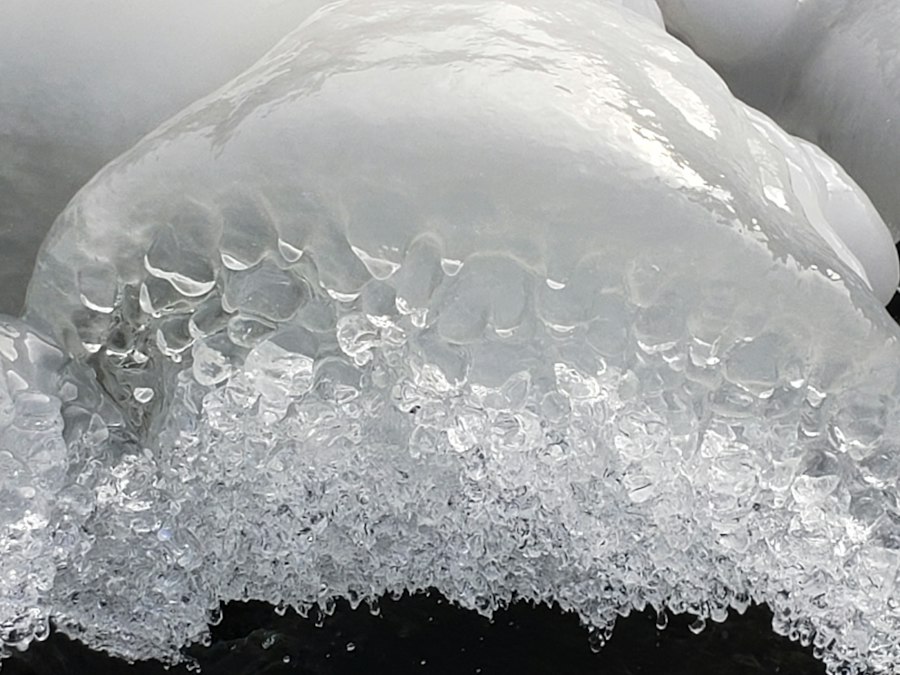
The relationship between greenhouse gases and global temperature is one of the most profound revelations from ice core science. For hundreds of thousands of years, the concentration of these gases in the atmosphere has fluctuated, mirroring cycles of glacial and interglacial periods. During colder glacial periods, atmospheric CO2 levels were significantly lower, typically around 180-200 parts per million (ppm). Conversely, during warmer interglacial periods, CO2 concentrations rose, often reaching 280-300 ppm. These natural cycles demonstrate a clear correlation: higher greenhouse gas concentrations are associated with warmer global temperatures, and lower concentrations with cooler temperatures. Ice cores have provided the definitive, long-term instrumental record for these crucial atmospheric components, extending far beyond the relatively short period of direct human measurement. This historical perspective is invaluable for understanding the natural variability of Earth’s climate system and for contextualizing the unprecedented rise in greenhouse gas concentrations observed since the Industrial Revolution. The stable, pre-industrial levels of CO2, as revealed by ice cores, serve as a critical baseline against which current atmospheric changes can be measured.
### The Pre-Industrial Baseline: A Foundation for Understanding
Before the widespread burning of fossil fuels and large-scale deforestation, atmospheric CO2 concentrations remained relatively stable for millennia. Ice core data reveals that for much of the last interglacial period, and the preceding glacial cycles, CO2 levels hovered between approximately 180 ppm and 300 ppm. This stable period, often referred to as the pre-industrial baseline, represents the Earth’s climate system operating under natural influences. The consistent measurements from numerous ice cores across different locations confirm this stability, providing a robust scientific foundation for understanding the impact of human activities on the atmosphere. The transition from these stable levels to the current concentrations, which now exceed 420 ppm, is a stark illustration of the dramatic and rapid alteration of our planet’s atmospheric composition. The pre-industrial levels are not merely historical data points; they are benchmarks that highlight the magnitude of anthropogenic change and the deviation from Earth’s natural state.
### The Acceleration of Change: A Modern Imbalance
The latter portions of ice cores, particularly those from the last few centuries, paint a sobering picture of accelerating greenhouse gas accumulation. The clear, gradual fluctuations seen in deeper ice cores give way to a steep, almost vertical ascent in CO2 and CH4 concentrations. This dramatic increase directly correlates with the onset of the Industrial Revolution, the rise of fossil fuel consumption, and increased land-use changes. The rate at which these gases are now accumulating far outpaces any natural fluctuations observed in the paleoclimate record. This acceleration is a critical piece of evidence in understanding current climate change, demonstrating that the current warming trend is not a natural variation but a direct consequence of human influence. The sharp upturn in these graphs, derived from the trapped air bubbles, serves as a stark visual representation of the unprecedented imbalance being introduced into the Earth’s energy budget.
## Tracing Volcanic Fingerprints: Explosive Events Etched in Ice
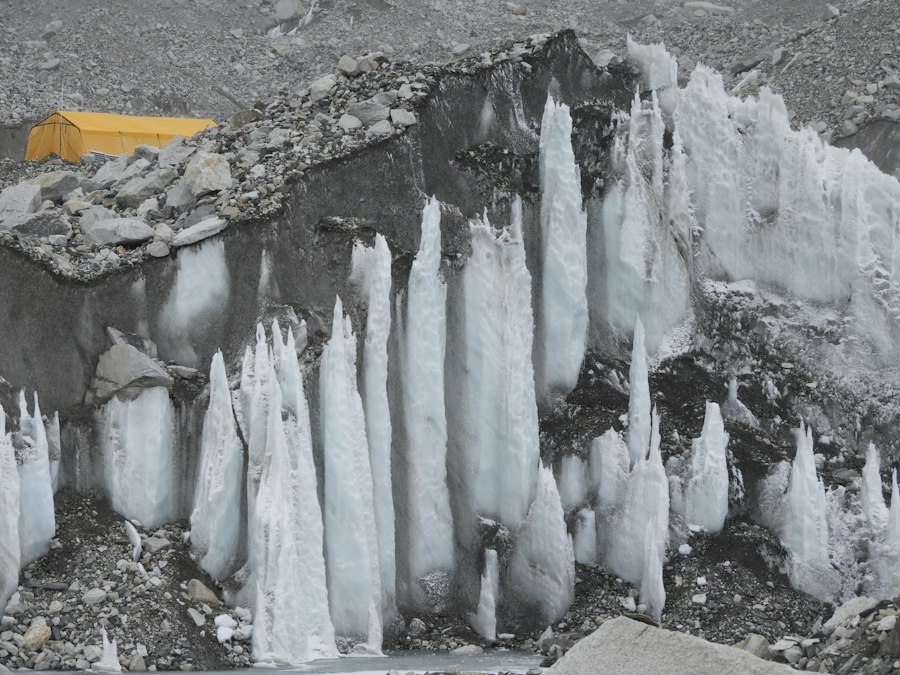
Beyond atmospheric gases, ice cores also serve as a chronological record of significant geological events, most notably volcanic eruptions. Volcanoes release ash, sulfur dioxide, and other aerosols into the atmosphere, which can travel vast distances and persist for extended periods. When these particles fall to the Earth’s surface and become incorporated into the accumulating snow, they leave distinct chemical signatures within the ice. By analyzing the concentration of specific elements, such as sulfate and volcanic glass shards, scientists can identify individual eruption layers. These layers act as precise markers in time, allowing for the accurate dating of different sections of the ice core and providing a historical log of volcanic activity. Linking these volcanic signals in ice cores to historical records of known eruptions can further validate the dating of the cores and offer insights into the atmospheric dispersion and climatic impact of these powerful events.
### Identifying Eruption Layers: Chemical Signatures in the Snow
The presence of elevated concentrations of certain chemical compounds within a specific ice layer is the primary indicator of a volcanic eruption. Sulfuric acid, derived from sulfur dioxide released by volcanoes, is particularly useful. When sulfuric acid falls with precipitation, it gets trapped in the ice. High concentrations of sulfate within an ice layer signal a nearby or significant volcanic event. Similarly, volcanic ash, composed of pulverized rock and glass, can be directly observed under a microscope or identified through elemental analysis. These ash layers often contain unique mineral compositions that can be traced back to specific volcanic source regions, providing valuable geographical information. The systematic identification of these layers across multiple ice cores allows for the triangulation of eruption events and the reconstruction of their global reach.
### Dating the Past: Volcanic Markers as Chronometers
The temporal resolution of ice cores, combined with the identification of distinct volcanic eruption layers, makes them powerful chronological tools. When a major volcanic eruption is known from historical records (e.g., Mount Tambora in 1815), its chemical signature can be precisely located in the corresponding ice core layers. This allows for the accurate dating of that specific depth within the ice. By extrapolating upwards and downwards from these well-dated markers, scientists can establish a highly precise timeline for the entire ice core. This chronological framework is essential for accurately interpreting the climatic and atmospheric data within the core, ensuring that the changes observed can be attributed to the correct periods and events. The ability to synchronize ice core records with historical accounts of volcanic activity provides a critical validation of the scientific dating methods employed.
## Beyond Climate: Unveiling Ancient Life and Human Footprints
The archival nature of ice cores extends beyond the purely climatic. They also hold clues about ancient biological activity and, in some cases, the direct impact of human endeavors on the environment. The presence of specific microorganisms, pollen grains, and even tiny fragments of organic matter can reveal information about past ecosystems and vegetation. Furthermore, certain trace elements and isotopes can serve as indicators of past human activities, such as industrial pollution, large-scale agriculture, or even ancient mining operations. While these human-related signals are often more subtle and localized compared to the global atmospheric records, their detection in ice cores provides an invaluable, often pre-historic, perspective on humanity’s interaction with the planet.
### Microscopic Remains: Ecosystems Frozen in Time
Trapped within the ice layers are not just atmospheric gases but also a diverse array of microscopic biological material. Pollen grains, preserved in their durable outer shells, can reveal the types of plants that were dominant in a region at a given time, offering insights into past vegetation patterns and the extent of ice cover. Diatoms, single-celled algae with intricate silica shells, can also be found, providing information about the aquatic environments from which they originated. The presence of specific types of bacteria and fungi can offer clues about past atmospheric conditions, such as humidity and nutrient availability. Analyzing these microscopic remnants allows scientists to reconstruct ancient ecosystems and understand how they responded to climatic shifts over long periods. This biological archive complements the climatic data, offering a more holistic picture of Earth’s past environments.
### Pollution’s Echoes: Early Signs of Human Impact
The detection of specific pollutants in ice cores, particularly in the upper layers, offers a sobering glimpse into the early stages of human industrial impact. Heavy metals like lead, mercury, and arsenic, often released through smelting and industrial processes, can be found in concentrations that far exceed natural background levels. The isotopic composition of these metals can sometimes even pinpoint the source of the pollution, indicating regional or even global trade and industrialization patterns. For example, elevated lead concentrations in Greenland ice cores have been linked to ancient Roman lead production. These findings demonstrate that human influence on the global environment began much earlier than commonly assumed and that ice cores can serve as a record of our cumulative impact, even before widespread atmospheric monitoring began.
Recent studies on compressed ice layers have provided fascinating insights into ancient climate patterns and the history of our planet. By examining these layers, scientists can unravel the mysteries of past environmental changes and their impact on human migration. For a deeper understanding of how environmental shifts influence communities, you can explore this related article on the subject. It highlights the intricate relationship between climate and societal adaptation, shedding light on the broader implications of our changing environment. To read more, visit this article.
## The Future of Paleoclimate Research: Expanding the Archives
| Metric | Description | Typical Range/Value | Significance in Ancient History Science |
|---|---|---|---|
| Ice Layer Thickness | Thickness of individual compressed ice layers | 1-10 cm per year | Indicates annual snowfall and climate conditions |
| Age of Ice Core | Time span covered by the ice core sample | Up to 800,000 years | Provides timeline for ancient atmospheric and climate data |
| Gas Concentrations (CO2, CH4) | Levels of greenhouse gases trapped in ice bubbles | 180-300 ppm CO2 (pre-industrial), variable CH4 | Reveals past atmospheric composition and climate change |
| Isotope Ratios (δ18O, δD) | Ratios of oxygen and hydrogen isotopes in ice | Varies with temperature and precipitation | Used to reconstruct past temperatures and climate shifts |
| Dust Concentration | Amount of dust particles trapped in ice layers | 0.1-10 µg/g ice | Indicates volcanic activity, wind patterns, and aridity |
| Layer Counting Accuracy | Precision in counting annual layers | ±1 year for recent layers, ±10-50 years for older | Determines reliability of dating and historical timelines |
The ongoing quest to understand Earth’s past and present climate is continuously pushing the boundaries of ice core science. New drilling projects are aiming to retrieve even older ice, potentially extending the climatic record back into the Pliocene epoch, a period with significantly higher global temperatures than today. Advances in analytical techniques are allowing for the detection of increasingly subtle signals and the extraction of more detailed information from existing cores. The integration of ice core data with other paleoclimate proxies, such as marine sediment cores and tree rings, is creating a more comprehensive and interconnected understanding of Earth’s climate system. Furthermore, the development of sophisticated climate models, informed by the long-term historical data from ice cores, is crucial for predicting future climate scenarios and informing mitigation strategies. The lessons learned from these frozen archives are not just academic; they are vital for navigating the challenges of a changing planet and for ensuring a sustainable future.
### Reaching for Older Ice: The Quest for Deeper Records
The pursuit of even older ice is a primary driver of current paleoclimate research. While current ice cores typically extend back around 800,000 years, scientists are actively exploring regions where ice sheets may be even older, potentially containing records from millions of years ago. These deeper ice cores would provide invaluable insights into past epochs characterized by different continental configurations, atmospheric compositions, and global temperature regimes. Understanding these ancient climates is crucial for refining our understanding of Earth’s long-term climate sensitivity and for predicting how the planet might respond to sustained warming. The technical challenges of drilling to such extreme depths are immense, requiring innovative engineering solutions and meticulous planning, but the potential scientific rewards are enormous.
### Integrated Datasets: A Holistic View of Earth’s Climate
The power of ice core science is amplified when its findings are integrated with data from other paleoclimate archives. Marine sediment cores, for instance, offer records of ocean temperatures, sea level changes, and atmospheric dust over millions of years. Tree rings, with their annual resolution, provide highly detailed climatic information for the more recent past. By combining and cross-referencing these diverse datasets, scientists can build a more robust and complete picture of Earth’s climate history. This interdisciplinary approach allows for the validation of findings across different proxies and the identification of teleconnections – the ways in which climate changes in one part of the world can influence other regions. This holistic view is essential for understanding the complex, interconnected nature of Earth’s climate system and for developing more accurate predictive models.

Beneath the Ice: Surviving the Ice Age 20,000 Years Ago
FAQs
What are compressed ice layers and how are they formed?
Compressed ice layers are formed when snow accumulates over time and compresses into ice. Each layer represents a different period of snowfall, allowing scientists to study past climate conditions.
How do scientists use compressed ice layers to study ancient history?
Scientists analyze the composition of gases and particles trapped in the ice layers to reconstruct past climates, atmospheric conditions, and even human activities from thousands of years ago.
What can the study of compressed ice layers tell us about ancient civilizations?
The study of compressed ice layers can provide insights into the daily lives, diets, and technologies of ancient civilizations, as well as their interactions with the environment and climate.
What scientific techniques are used to analyze compressed ice layers?
Scientists use various techniques such as ice core drilling, chemical analysis, and radiocarbon dating to extract and analyze samples from compressed ice layers in order to reconstruct past climates and environments.
Why are compressed ice layers important for understanding the history of Earth’s climate?
Compressed ice layers serve as a natural archive of Earth’s climate history, providing valuable data for understanding past climate changes, predicting future climate trends, and assessing the impact of human activities on the environment.