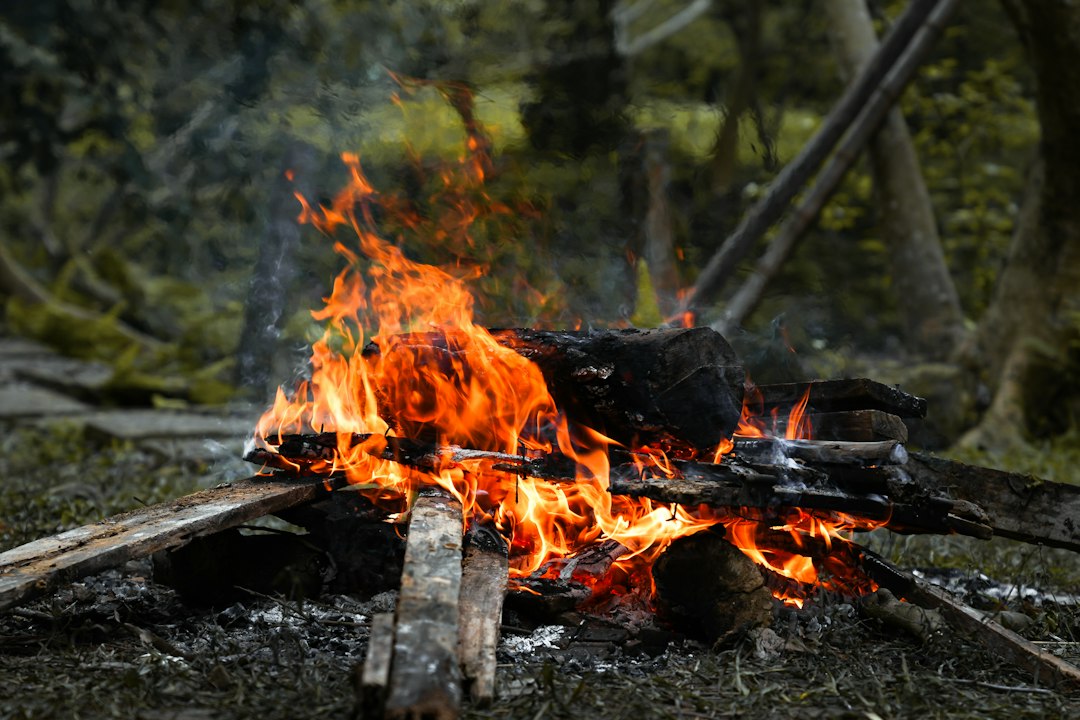
The Sacred Spark: Mastering the Flame for Survival
For early humans, fire was not merely a source of light and warmth; it was a revolutionary technology, a paradigm shift that profoundly altered their relationship with the environment and paved the way for the development of complex societies. The ability to control and preserve fire was a monumental achievement, representing a sophisticated understanding of natural processes and a crucial step in overcoming the myriad challenges of prehistoric life. This mastery of flame was not a sudden revelation but a gradual, iterative process, born of observation, experimentation, and the relentless drive for survival.
Before the advent of controlled fire, early hominins, like other primates, were largely at the mercy of the natural world. Nights were darker, colder, and far more dangerous. Food was limited to what could be consumed raw, making it harder to digest and less nutritious. Vulnerability to predators was constant, and the range of habitable environments was severely restricted by climatic conditions. The discovery and subsequent preservation of fire fundamentally reshaped these limitations, offering a potent toolkit for adaptation and expansion. The initial spark, likely born from natural phenomena such as lightning strikes or volcanic activity, would have been a source of awe and trepidation. Yet, the benefits – the comforting warmth, the light dispelling the darkness, and the deterrent effect on wild animals – would have quickly become apparent. The subsequent challenge, therefore, was to move beyond serendipitous encounters with fire to a deliberate and reliable method of its generation and, crucially, its preservation. This article explores the prehistoric technologies and techniques that early humans employed to not just ignite but to keep the sacred spark alive, a testament to their ingenuity and adaptability.
The study of prehistoric technology, particularly in the realm of primitive fire preservation, offers fascinating insights into how early humans harnessed and maintained fire for survival. This ancient skill not only provided warmth and protection but also enabled cooking and social gatherings, significantly impacting human evolution. For a deeper exploration of how ancient technologies can inform modern solutions, you can read the article titled “Unlocking the Power of Ancient Tech for Modern Solutions” at this link: Unlocking the Power of Ancient Tech for Modern Solutions.
The Genesis of Flame: Accidental Discoveries and Early Ignitions
The journey to fire preservation began with the initial, often accidental, discovery of fire itself. This was not a singular event but a series of encounters, likely spanning vast periods and diverse hominin populations, that gradually led to an understanding of its properties and potential. The earliest evidence of fire use, dating back over a million years, often consists of charcoal and heat-altered stones found in association with hominin activity. These finds suggest that early hominins were likely opportunists, capitalizing on naturally occurring fires.
Observing Nature’s Fury and Fortune
The world of early humans was a landscape punctuated by dramatic natural events. Lightning strikes igniting dry vegetation, volcanic eruptions spewing molten rock and fire, and spontaneous combustion in peat bogs would have presented potent, albeit terrifying, sources of flame. Early hominins, keenly observant of their surroundings, would have witnessed these events and, over time, associated the consuming power of fire with the potential for warmth, light, and even the transformation of food. It is plausible that they would have cautiously approached the edges of these wild fires, perhaps scavenging charred remains of animals or plants, thereby gaining a rudimentary understanding of its effects. The initial interactions with fire would have been characterized by fear and awe, a powerful force to be respected and avoided rather than controlled. However, the observed benefits, such as the repulsion of predators and the creation of clearings, would have gradually fostered a more investigative approach. The sheer danger associated with uncontrolled natural fires would have underscored the immense value of any opportunity to capture and harness this potent force.
The Crucial First Steps: Keeping the Spark Alive
The transition from observing natural fires to actively controlling them was a significant leap. The most immediate and practical challenge after encountering a naturally ignited fire was preventing it from dying out. This was likely the very first form of “fire preservation” – the act of tending to an existing flame. Early humans would have learned to feed the fire with fuel, understanding that dry wood burned best and that larger pieces sustained the blaze longer. This primitive act of stewardship was the bedrock upon which all subsequent fire technologies were built. It required a level of foresight and planning, recognizing that the immediate benefit of the flame needed to be secured for future use. The act of gathering fuel, a labor-intensive but vital task, would have become an integral part of daily life. The smell of smoke, once a signal of danger, would have transformed into a beacon of safety and sustenance. The sounds of crackling flames would have become a comforting lullaby, masking the anxieties of the prehistoric night. This nascent understanding of fire as a controllable entity, rather than a wild force, marks the dawn of a new era in human evolution. The ability to keep a fire going, even for short periods, would have allowed for the exploration of its transformative powers, such as cooking and tool modification, further cementing its importance in the hominin toolkit.
From Embers to Effort: The Dawn of Fire Making Technologies

While the preservation of existing fires was a crucial first step, the true revolution occurred when early humans developed the means to generate fire themselves. This transition allowed for a greater degree of independence from natural occurrences and opened up a world of possibilities for survival and innovation. The development of friction-based methods, though requiring significant skill and effort, represented a major technological breakthrough.
The Art of Friction: Rubbing Sticks and Sparks
The most widely accepted hypothesis for early fire creation centers around friction. This involves generating enough heat through the rapid rubbing of two materials to ignite a tinder bundle. Several distinct methods likely emerged, each adapted to the available resources and the ingenuity of the early artisans. The most iconic of these is the fire drill, a method that involves rapidly rotating a stick (the spindle) against a hearth board, creating friction and generating hot dust that ignites the tinder. Another related technique is the fire plow, where a stick is rubbed back and forth in a groove on a hearth board. The effectiveness of these methods relied heavily on the choice of materials. Dry, soft woods for the hearth board and harder woods for the spindle were ideal, as was the careful preparation of a tinder bundle – finely shredded, dry plant fibers that could readily catch a spark or ember. The success of these friction methods was directly tied to the physical exertion and skill of the individual, highlighting the labor-intensive nature of fire creation in prehistoric times. Mastering these techniques would have been a significant achievement, passed down through generations, and a source of considerable pride and power for those who possessed the knowledge. The sheer effort involved in producing fire through friction would have further emphasized its value and the importance of its preservation.
Percussion and Pyrite: Striking Fire from Stone
While friction-based methods were prominent, another significant technological pathway to fire involved percussion. This method utilizes the principle of striking certain types of rocks together to produce sparks. The key to this technique lay in the discovery of specific minerals, most notably pyrite (iron disulfide) and marcasite. When struck against a hard, sharp-edged stone, such as flint or chert, pyrite fragments would break off, heat up due to the impact, and ignite the fine particles, producing a shower of sparks. These sparks would then need to be directed onto a well-prepared tinder bundle. The discovery of suitable rocks and the understanding of the precise striking technique would have been a gradual process of experimentation. This method, while potentially less labor-intensive than the fire drill in some respects, still required specialized knowledge of geology and tool selection. The ability to produce sparks on demand offered a significant advantage, particularly in damp conditions where friction methods might be less effective. The visual spectacle of sparks flying would have been an impressive demonstration of human control over the elements, further solidifying the mystique and utility of fire. The combination of friction and percussion techniques provided early humans with a more robust and versatile arsenal for fire generation, increasing their reliance on this fundamental technology.
The Hearth as an Innovation Hub: Cooking, Craft, and Community
The ability to reliably generate and preserve fire transformed not just survival but also the very fabric of early human life. The hearth became the focal point of settlements, a center for innovation, community, and the development of more complex behaviors. The impact of fire on food, tools, and social structures was profound and far-reaching.
Culinary Revolution: Cooking and the Human Diet
Perhaps the most significant immediate impact of controlled fire was on diet. Cooking food offered a multitude of advantages that raw consumption could not provide. Heat breaks down complex carbohydrates, making them easier to digest and extract nutrients from. This increased caloric intake and nutrient absorption provided a crucial advantage for developing brains and bodies. Cooking also killed harmful bacteria and parasites, making a wider range of food sources safe to consume, including roots, tubers, and tough meats that were otherwise indigestible. Furthermore, the process of cooking could enhance the flavor and palatability of food, contributing to a more varied and enjoyable diet. The discovery that fire could transform tough, unpalatable substances into nourishing and delicious meals was a culinary revolution that fundamentally altered human physiology and behavior. The development of cooking techniques, from simple roasting to more complex methods of simmering and baking in embers, would have been a gradual but transformative process. This dietary shift likely played a critical role in the evolutionary success of Homo sapiens, enabling them to thrive in diverse environments and support larger population densities. The communal act of sharing cooked food would have also fostered social bonds and cooperation within groups.
The Forge of Progress: Toolmaking and Material Transformation
Beyond the culinary realm, fire became an indispensable tool for crafting and material transformation. Early humans discovered that heat could alter the properties of various materials, making them more useful and durable. Stone tools, for example, could be heat-treated to improve their hardness and flaking properties, allowing for the creation of sharper and more efficient cutting edges. This heat treatment process, often involving carefully controlled heating and cooling, was a sophisticated technological innovation that significantly enhanced the effectiveness of stone tools used for hunting, butchering, and woodworking. Furthermore, fire was essential for the early stages of pottery making. The discovery that clay, when fired, hardened into durable vessels, revolutionized food storage, cooking, and transportation. While the earliest pottery emerged later in prehistory, the foundational understanding of heat’s effect on materials was laid much earlier. Fire also played a role in early woodworking, allowing for the hardening of spear tips and the shaping of wooden implements. The transformative power of fire in toolmaking and material modification marked a crucial step towards more advanced craftsmanship and technological development. The ability to shape and harden materials with fire opened up new possibilities for tool design and functionality, directly impacting hunting success and the ability to manipulate the environment.
The Social Hearth: Gathering, Storytelling, and Community
The hearth served as a natural gathering place, a focal point for social interaction and the transmission of knowledge. As the sun set, the flickering flames of the communal fire would have drawn individuals together, offering protection from the darkness and predators, and providing a shared source of warmth. This shared space fostered a sense of community and cooperation, essential for the survival of early human groups. It was around the hearth that stories were told, myths were spun, and invaluable knowledge about the environment, hunting techniques, and survival strategies was passed down from one generation to the next. The warmth and light of the fire created a safe and inviting atmosphere for these crucial social interactions. The communal aspect of fire management – the shared responsibility of gathering fuel, tending the flames, and ensuring its continuity – further strengthened social bonds and fostered a collective identity. The hearth became more than just a source of physical sustenance; it became the heart of the community, a place where culture, language, and identity were forged and nurtured. The shared experience of tending and benefiting from fire would have been a powerful unifying force, shaping the social structures and cognitive development of early humans.
In exploring the fascinating world of prehistoric technology, one of the most significant advancements was the ability to preserve fire, which played a crucial role in the survival and development of early human societies. This innovation not only provided warmth and protection but also enabled cooking and social gatherings, fundamentally altering the way our ancestors lived. For a deeper understanding of how technological advancements shape societies, you might find this article on the Mexican auto industry insightful, as it highlights how modern innovations continue to influence economic growth. You can read more about it here.
Preserving the Flame: Strategies for Continuity
| Aspect | Description | Estimated Time Period | Significance | Common Methods |
|---|---|---|---|---|
| Fire Creation | Techniques used to start fire from natural materials | Approx. 1.5 million years ago | Enabled cooking, warmth, protection, and tool making | Friction (hand drill, bow drill), percussion (flint striking) |
| Fire Preservation | Methods to keep fire burning or transport embers | Approx. 400,000 years ago | Allowed continuous use of fire without restarting | Ember carrying in containers, fire pits, insulation with ash or leaves |
| Fire Storage | Maintaining a controlled fire source overnight or during absence | Approx. 300,000 years ago | Improved survival and social organization | Fire rings, stone hearths, covered embers |
| Materials Used | Natural resources utilized for fire making and preservation | Throughout prehistoric periods | Determined efficiency and sustainability of fire use | Dry wood, bark, leaves, flint, pyrite, tinder fungus |
| Impact on Human Evolution | Influence of fire mastery on diet, social behavior, and migration | From Homo erectus to Homo sapiens | Enhanced nutrition, safety, and cultural development | Cooking food, social gatherings around fire, tool hardening |
The most challenging aspect of early fire use was not ignition but preservation. The ability to maintain a fire without constantly resorting to the laborious process of re-ignition was paramount to maximizing its benefits. Early humans developed ingenious strategies to ensure their precious flames did not die out, particularly during periods of travel or when resources were scarce.
The Living Ember: Transporting Fire Through the Ages
One of the most critical technologies for fire preservation was the ability to transport embers. This involved carefully transferring a glowing ember from one location to another, often cradled in a natural container or wrapped in insulating material. This could involve placing embers in a shell, a hollowed-out piece of wood, or a bundle of damp moss to protect them from the wind and slow their rate of burning. The ability to carry fire with them allowed nomadic groups to move more freely across landscapes, establishing temporary campsites without the immediate need to restart a fire from scratch. This also meant that when they encountered new foraging grounds or hunting territories, they could bring their established fire with them, providing immediate access to cooking and protection. This innovation was a game-changer for mobility and resource exploitation, allowing early humans to adapt to a wider range of environments and seasonal changes. The skill of tending to a portable ember, ensuring it remained alive during long journeys, would have been a highly valued and specialized piece of knowledge. It required a deep understanding of airflow, fuel types, and the nuances of ember behavior. The successful transport of fire represented a significant victory over the environment, enabling a more proactive and less reactive approach to survival.
The Smoldering Cache: Securing Fire for Later Use
Beyond the immediate transport of living embers, early humans also developed methods to store fire in a state of smoldering, ready for re-ignition. This often involved creating a “fire cache” – a specially prepared pit or insulated container filled with slow-burning materials. The core of the cache would be a small, well-established ember, surrounded by carefully selected fuel. This fuel would be chosen for its ability to smolder for extended periods without fully combusting, such as thicker pieces of wood or plant matter packed tightly together. The cache would then be covered with insulating materials like damp earth, clay, or ash to minimize airflow and heat loss. This ingenious method allowed groups to leave a fire unattended for significant periods, knowing they could easily revive it when needed. It was particularly useful for longer-term settlements or when individuals needed to venture out from the main camp for hunting or foraging. The smoldering cache was a testament to their understanding of combustion and insulation, allowing them to effectively “pause” the fire rather than extinguish it completely. This foresight and planning in fire management reduced reliance on constant vigilance and allowed for more efficient use of labor. The ability to store fire in this manner provided a crucial buffer against the unpredictability of natural fire sources and the demands of daily life, offering a reliable source of warmth and safety on demand.
The Enduring Legacy: Fire as a Catalyst for Human Development
The mastery of fire, from its initial discovery to its sophisticated preservation, stands as one of the most pivotal technological advancements in human history. It was not a singular invention but a complex interplay of observation, experimentation, and the relentless drive to improve the odds of survival. The impact of fire rippled through every aspect of early human life, fundamentally shaping their evolution, their societies, and their relationship with the natural world.
The Cognitive Leap: Enhanced Brainpower and Social Complexity
The profound dietary changes brought about by cooking, allowing for easier digestion and greater nutrient absorption, are widely believed to have provided the energetic foundation for the significant expansion of the hominin brain. A more nutrient-rich diet could support the energy demands of a larger and more complex brain, fostering enhanced cognitive abilities such as problem-solving, abstract thought, and language development. The social hearth, as a central gathering place, facilitated the development of more complex social structures, cooperation, and the transmission of knowledge. The shared activities around the fire, from communal meals to storytelling, fostered empathy, communication, and the formation of tighter-knit groups. This increased cognitive capacity and social sophistication were crucial for the successful adaptation and eventual global expansion of Homo sapiens. The ability to plan, communicate complex ideas, and cooperate on a larger scale, all subtly influenced by the environment created by fire, set humanity on a trajectory towards increasingly complex civilizations.
Shaping Landscapes and Expanding Horizons
The controlled use of fire by early humans also began to actively shape their environments. Intentional burning of vegetation could be used to clear land for easier travel, to drive game animals towards hunters, or to encourage the growth of preferred edible plants. This landscape management, though rudimentary by modern standards, represented a significant step in humans’ ability to modify their surroundings to their advantage. This active interaction with the landscape, driven by the capabilities fire provided, allowed early humans to exploit a wider range of ecological niches and expand their territories. Their ability to cook and thus access a broader range of food resources, combined with the safety and warmth fire offered, meant that previously inhospitable regions could become viable habitats. This expansion across the globe, from Africa to every inhabited continent, was facilitated by the fundamental technology of fire. The legacy of this early interaction with fire is still evident in many ecosystems today, where a history of human-induced burning has shaped plant communities and fire regimes.
A Primal Foundation for Future Innovations
The technologies and knowledge gained through the control and preservation of fire laid the groundwork for countless subsequent innovations. The understanding of material transformation through heat directly influenced the development of metallurgy, ceramics, and eventually all forms of industrial processing. The organizational and social structures fostered around the hearth contributed to the development of agriculture, settled communities, and the emergence of complex civilizations. Fire was not merely a tool; it was a catalyst, a foundational technology that unlocked humanity’s potential for innovation, adaptation, and cultural development. The primal technologies of rubbing sticks, striking stones, and tending to embers, seemingly simple by modern standards, represent the genesis of human ingenuity and the enduring quest to harness the power of nature for survival and progress. The enduring fascination with fire, from ancient rituals to modern hearths, speaks to its deep-seated significance in the human story.

Beneath the Ice: Surviving the Ice Age 20,000 Years Ago
FAQs
What methods did prehistoric humans use to preserve fire?
Prehistoric humans preserved fire by carrying embers in a fire-stick or fire drill, using fire-hardened sticks to transport embers, or storing fire in a fire pit with ashes to keep it alive.
How did prehistoric humans create fire without modern tools?
Prehistoric humans created fire by using friction methods such as the fire drill or fire saw, striking flint against pyrite to create sparks, or using the sun’s rays through a magnifying glass or lens to ignite dry tinder.
Why was fire preservation crucial for prehistoric societies?
Fire preservation was crucial for prehistoric societies because fire provided warmth, protection from predators, cooking food, and tool-making, making it essential for survival and daily activities.
What materials were commonly used by prehistoric humans to start and maintain fires?
Prehistoric humans commonly used materials such as flint, pyrite, charred cloth, dry grass, tinder fungus, and fire-hardened sticks to start and maintain fires for various purposes.
How did prehistoric humans pass down knowledge of fire preservation techniques?
Prehistoric humans passed down knowledge of fire preservation techniques through oral traditions, demonstrations, and hands-on teaching within their communities, ensuring the survival and continuity of essential fire-making skills.