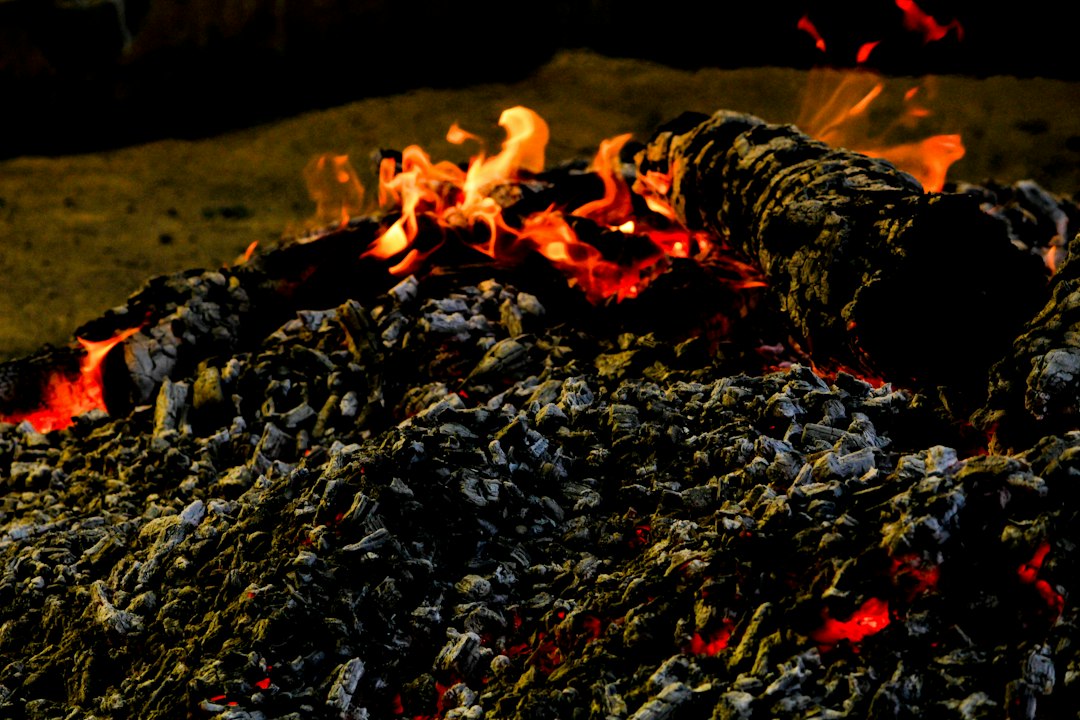
The flicker of fire, a primal beacon against the encroaching darkness, was more than just a source of light and warmth for prehistoric humans. It was the very engine of their survival, the cornerstone upon which their burgeoning societies were built. The ability to control and, critically, preserve this precious flame, represented a monumental leap in human ingenuity and adaptation. For early Homo sapiens and their hominin ancestors, the continuous maintenance of fire was not a casual undertaking but a complex, ritualistic, and deeply ingrained aspect of clan life, demanding constant vigilance, innovation, and communal effort. This article delves into the multifaceted strategies employed by prehistoric clans to safeguard their vital embers, ensuring the continuation of a technology that fundamentally shaped their existence.
The Crucible of Survival: Fire’s Indispensable Role
The sheer necessity of fire in the harsh environments inhabited by prehistoric peoples cannot be overstated. It was a multi-purpose tool that offered a decisive advantage against the myriad challenges of a world teeming with predators, unforgiving weather, and scarce resources. Fire provided a formidable defense against nocturnal predators, its dancing flames and crackling sounds deterring animals that might otherwise pose a lethal threat. The warmth it generated was crucial for survival in colder climates, allowing for longer periods of activity and preventing hypothermia, especially during extended journeys or the long, dark nights of winter.
Beyond immediate protection, fire revolutionized the human diet. The ability to cook food, a practice that likely emerged gradually, unlocked a wealth of nutritional benefits. Cooking made tough meats more digestible, rendering vital proteins and fats accessible that would have been difficult or impossible to process raw. This dietary shift is believed to have played a significant role in the evolution of the human brain, providing the necessary energy and nutrients for its development. Furthermore, cooking could neutralize toxins present in certain plants and roots, expanding the range of edible foods available to prehistoric clans.
Fire also served as a catalyst for social cohesion and cultural development. The hearth became a natural gathering point, a focal center for clan activities. Around the fire, stories were shared, knowledge was passed down, and social bonds were strengthened. The communal act of tending to the fire fostered a sense of shared responsibility and interdependence, essential for the survival of small, often isolated groups. Moreover, fire enabled the development of new technologies, such as the hardening of wooden spear tips, the shaping of tools, and eventually, the crafting of pottery and the smelting of metals, though these later developments occurred in more recent prehistoric periods. The perpetuation of fire, therefore, was not merely about maintaining a physical phenomenon; it was about safeguarding the very foundation of human progress.
In exploring the survival strategies of prehistoric clans, one fascinating aspect is their method of preserving vital embers for warmth and cooking. These early humans understood the importance of fire not just for sustenance but also for protection and social interaction. For a broader understanding of how environmental factors influenced the lifestyles of ancient communities, you can read about the diverse terrains that shaped human habitation in Afghanistan in this related article: The Diverse Terrain of Afghanistan: A Geography Overview. This article highlights how geography played a crucial role in the development of early societies, much like the preservation of fire did for prehistoric clans.
The Art of Keeping the Flame Alive: Methods of Ember Preservation
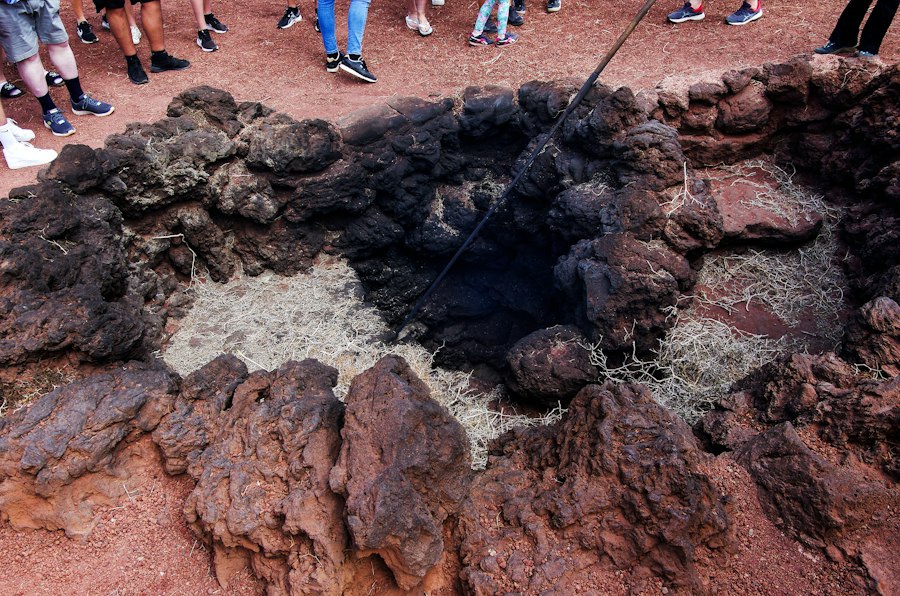
The successful preservation of fire by prehistoric clans was a testament to their keen observation of natural processes and their capacity for innovative problem-solving. While the initial discovery of fire, perhaps through lightning strikes or volcanic activity, was a matter of chance, the deliberate and sustained maintenance of a flame required a sophisticated understanding of combustion and insulation. The challenge was to keep the embers glowing hot enough to be easily rekindled, without letting the flame consume all available fuel.
Harnessing the Power of Insulated Ashes
One of the most fundamental techniques for preserving embers involved the strategic use of ash. Ash, a byproduct of combustion, possesses excellent insulating properties. Prehistoric peoples likely observed that embers buried within a thick layer of ash would smolder for extended periods, protected from direct contact with the air which fuels flames but also accelerates their demise. The ash acted as a barrier, slowing down the rate of oxygenation, thereby preventing the embers from fully extinguishing.
Strategic Fueling and Layering
The careful selection and application of fuel were also paramount. Once a fire was established, clans would not simply let it burn out. Instead, they would meticulously manage the fuel supply, adding larger, slower-burning pieces of wood to the embers once the initial, more volatile flames had subsided. This created a bed of coals that could be maintained for hours, even days. The concept of layering was likely employed, with finer, easily ignitable materials like dry grass or moss placed beneath the glowing embers, ready to be fanned into flame when needed. The larger fuel pieces would then be added on top, allowing the heat from the rekindled fire to ignite them.
The Humble Hearth: A Dedicated Fire Pit
The creation of a dedicated hearth, or fire pit, was another crucial development. These were not haphazard arrangements of stones but deliberately constructed areas designed to concentrate heat and protect the fire from wind and rain. Early hearths might have been simple depressions in the ground, perhaps lined with stones to prevent the fire from spreading. Over time, these evolved into more sophisticated structures, potentially incorporating features to channel airflow and retain heat more effectively. The hearth served as the central repository for the clan’s precious embers, a sacred space where the fire was continuously tended.
The Dawn of Portable Fire
While the hearth represented a stable base for fire preservation, the need for portability would have been a constant consideration for mobile hunter-gatherer groups. The ability to transport a glowing ember meant the freedom to explore new territories, to hunt away from the established camp, or to relocate during times of resource scarcity. This likely led to the development of methods for carrying fire. Imagine a clan elder carefully scooping a handful of glowing embers into a hollowed-out piece of wood or a large, dry gourd, packed tightly with insulating moss or dried leaves. Such a container, if handled with extreme care, could potentially carry the life-giving spark to a new location, where it could be carefully transferred to a prepared tinder bundle.
The Guardians of the Flame: Societal Structures and Rituals
The responsibility for maintaining fire was not left to chance or individual whim. It was deeply embedded within the social fabric of prehistoric clans, often imbued with a sense of spiritual significance. The act of tending the fire was a communal endeavor, fostering a sense of shared ownership and responsibility that transcended individual roles.
The Specialized Role of Firekeepers
It is highly probable that within larger or more established clans, specialized roles emerged for firekeepers. These individuals, perhaps elders or individuals with a particular aptitude for fire management, would have been entrusted with the daily task of ensuring the embers remained alive. Their duties would have included meticulously replenishing fuel, carefully banking the embers at night, and ensuring the hearth was always ready to be rekindled. This specialization would have freed up other clan members for hunting, gathering, and other essential tasks, contributing to the overall efficiency and survival of the group.
Fire as a Spiritual Center
The hearth was more than just a functional space; it was the spiritual heart of the clan. The constant presence of fire likely fostered a sense of continuity and connection to the past, as well as a sense of hope for the future. Rituals and ceremonies would have been conducted around the fire, reinforcing social bonds and transmitting cultural knowledge. The act of sharing food cooked over the communal fire would have been a powerful symbol of unity and cooperation. The flame itself might have been deified, seen as a gift from the gods or a manifestation of primal energy. The careful tending of the fire could have been viewed as a form of devotion, ensuring the favor of the spiritual forces that governed their world.
The Transmission of Knowledge: Passing Down Fire-Tending Skills
The intricate knowledge required to successfully preserve fire was a valuable asset that needed to be passed down through generations. This transmission of knowledge would have occurred through observation, imitation, and direct instruction. Young members of the clan would have watched and assisted the firekeepers, learning the subtle cues of a dying ember, the best techniques for adding fuel, and the importance of protecting the flame. Storytelling around the fire would have also played a role, embedding practical instructions within narratives that held cultural and historical significance. The fear of losing the fire, and the potential consequences for the clan, would have provided a powerful incentive for diligent learning.
The Social Contract of Fire: Shared Responsibility and Consequences
The preservation of fire was a collective responsibility. A lapse in vigilance by one individual could have dire consequences for the entire clan, plunging them into darkness, cold, and vulnerability. This shared risk fostered a strong social contract. Every member of the clan understood the critical importance of the fire and their role in its perpetuation, even if their direct duties were not focused on its daily maintenance. The shame or ostracism faced by someone who carelessly allowed the fire to die would have been a powerful deterrent, reinforcing the communal imperative.
The Dawn of Invention: Innovations in Fire Starting and Control
While the preservation of embers was a crucial aspect of survival, the ability to start a fire when needed, or to control its intensity, represented further evolutionary leaps in human technological prowess. The reliance on naturally occurring fires would have been precarious, and the development of reliable fire-starting methods provided a significant advantage.
The Art of Friction: Rubbing Sticks and Bow Drills
The most widely accepted theory for early fire starting involves friction. The simple act of rubbing two pieces of wood together, with sufficient speed and pressure, can generate enough heat to ignite tinder. Prehistoric peoples would have experimented with various types of wood, discovering which combinations produced the most heat and were most effective at creating an ember. The hand-drill method, where a stick is rapidly spun between the hands, was likely one of the earliest techniques.
As their understanding of mechanics grew, so too did the sophistication of their tools. The development of the bow drill represents a significant advancement. This method utilizes a bow string wrapped around a spindle, which is then pressed into a fireboard. By rapidly moving the bow back and forth, the spindle is spun at a much higher speed, generating the heat necessary to create an ember far more efficiently than hand-spinning alone. The accompanying fire plow, where a stick is rubbed back and forth in a groove on a fireboard, is another friction-based method that may have been employed.
Percussion Methods: The Spark of Flint
Another major innovation was the development of percussion fire starting. This involved striking two hard stones together, typically flint, against a piece of iron pyrite or marcasite. The impact would create small sparks, which, if directed onto a well-prepared tinder bundle, could ignite. The discovery of how to consistently produce these sparks and to capture them effectively would have been a monumental achievement, offering a more reliable and perhaps faster method of fire starting, especially in damp conditions.
The Humble Spark: Tinder and Ignition
Regardless of the method used to generate heat or sparks, the success of fire starting hinged on the quality of the tinder. This was the finely prepared, highly combustible material that would catch the initial ember or spark and burst into flame. Prehistoric peoples would have meticulously collected and prepared materials such as dry grasses, moss, shredded bark, bird nests, and even dried fungi. The ability to recognize, gather, and store suitable tinder would have been as crucial as the fire-starting technique itself.
In exploring the fascinating ways prehistoric clans preserved vital embers for warmth and cooking, one can draw intriguing parallels to modern societies facing environmental challenges. For instance, the article on the Maldives highlights how this island nation is grappling with the threat of rising sea levels, which could jeopardize their way of life. The resilience shown by both ancient clans and contemporary communities underscores the importance of preserving essential resources. To learn more about the current struggles of the Maldives, you can read the full article here.
The Legacy of the Embers: Impact on Human Development and Culture
| Method | Description | Effectiveness | Materials Used | Purpose |
|---|---|---|---|---|
| Ember Carrying | Transporting live embers in containers such as bark, wood, or stone bowls | High | Bark, wood, stone bowls, leaves | To start new fires at different locations |
| Ember Storage in Ash | Embedding embers in ash to insulate and slow cooling | Moderate | Ash, soil | To keep embers alive overnight or during inactivity |
| Use of Fire-Hardened Wood | Using partially burnt wood that retains heat longer | Moderate | Charred wood | To maintain embers for gradual reignition |
| Wind Protection | Building windbreaks around embers to prevent extinguishing | High | Stones, earth, wood | To protect embers from wind and rain |
| Periodic Rekindling | Adding small twigs or dry leaves to embers to keep fire alive | High | Dry twigs, leaves | To sustain fire over long periods |
The sustained ability of prehistoric clans to preserve and control fire had profound and lasting consequences for the trajectory of human evolution and the development of culture. It was not merely a technological advancement; it was a societal revolution.
Facilitating Migration and Expansion
The control of fire allowed humans to venture into new and previously uninhabitable environments. The ability to generate warmth and cook food enabled migration into colder climates, from the temperate zones into the Arctic and sub-Arctic regions. Fire also provided a means to clear land for settlement and agriculture, though the latter is a more recent development. This expansion of habitable zones was a critical factor in the global dispersal of the human species.
The Foundation of Complex Societies
As mentioned previously, the hearth served as a focal point for social interaction and the development of complex social structures. The surplus of calories made available through cooked food, and the increased safety provided by fire, allowed for larger populations to be sustained. This, in turn, led to the development of more intricate social hierarchies, specialized labor, and the beginnings of organized communities. The shared experience of tending to the fire fostered cooperation, communication, and the establishment of cultural norms and traditions.
The Spark of Innovation and Artistic Expression
Fire’s influence extended beyond mere survival. The heat of the fire could be used to harden wooden tools, making them more durable and effective. Later, fire was essential for the development of pottery, allowing for the creation of storage vessels that transformed food preservation and preparation. In the long term, fire was the key to metallurgy, unlocking the potential of metals for tools, weapons, and adornment. Furthermore, the light of the fire provided an extended period for activities beyond daylight hours, fostering the development of art, storytelling, and early forms of ritualistic expression. Cave paintings, often illuminated by firelight, are a testament to this extended period of creative possibility. The very act of shaping and controlling fire became a metaphor for human agency and mastery over their environment, a powerful driver for further innovation and cultural advancement. The embers of prehistoric fires, carefully tended and passed down through generations, were indeed the sparks that ignited the long and complex journey of human civilization.

Beneath the Ice: Surviving the Ice Age 20,000 Years Ago
FAQs
How did prehistoric clans preserve vital embers?
Prehistoric clans preserved vital embers by carefully protecting them in special containers made of materials like clay or wood.
Why were embers considered vital for prehistoric clans?
Embers were considered vital for prehistoric clans because they were essential for starting fires, which were crucial for cooking food, providing warmth, and protection.
What methods did prehistoric clans use to keep embers alive?
Prehistoric clans used various methods to keep embers alive, such as burying them in ashes, placing them in containers with limited oxygen, or carrying them in specially designed pouches.
How did prehistoric clans ensure the longevity of their embers?
Prehistoric clans ensured the longevity of their embers by regularly feeding them with dry materials like leaves or grass, protecting them from moisture, and transferring them carefully between containers.
What role did embers play in the daily lives of prehistoric clans?
Embers played a crucial role in the daily lives of prehistoric clans as they were used not only for starting fires but also for rituals, signaling other clans, and as a symbol of community and survival.