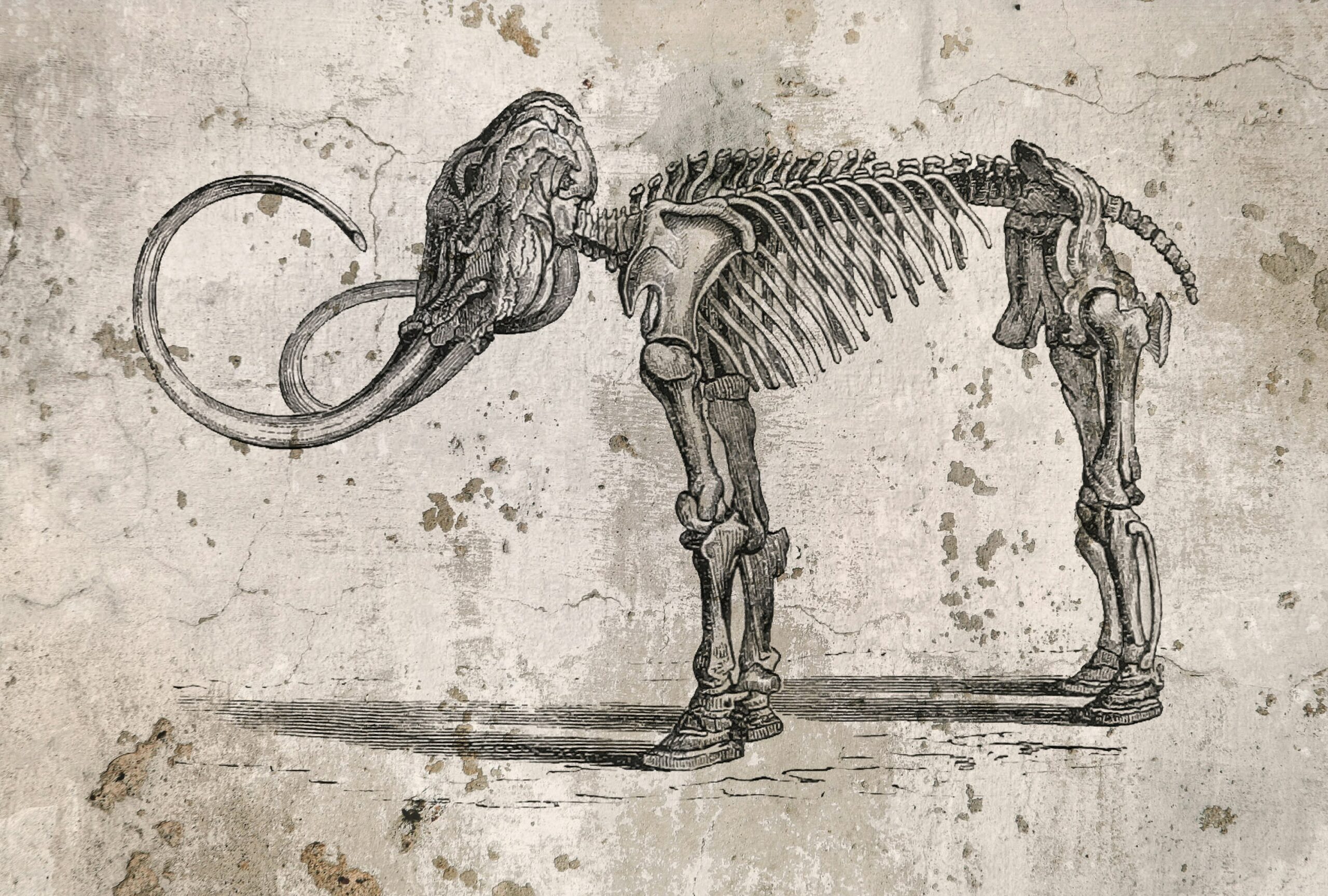
The relentless march of glaciers, a force of nature shaping landscapes over millennia, has long held secrets locked within its icy embrace. For centuries, tales of colossal beasts roamed the Earth, creatures so immense they beggar belief. These were the megafauna, the giants of the Pleistocene, and their story, once confined to fossilized bone fragments and ancient cave paintings, is now being rewritten by the thawing of our planet. As global temperatures rise, glacial ice, the ultimate freezer, is yielding astonishingly well-preserved specimens of extinct megafauna, offering an unprecedented window into a lost world. From woolly mammoths to saber-toothed cats, these “frozen giants” are emerging from their icy tombs, their fur, flesh, and even internal organs intact, promising a revolution in our understanding of prehistoric life.
Whispers from the Ice Age: A New Era of Discovery
The slow, inexorable creep of glaciers across the Earth’s surface during past ice ages created vast, frozen landscapes. Within these frigid environments, large animals, accustomed to the cold, met their end. Some perished in natural disasters, their bodies quickly buried and preserved by snowfall and the subsequent freezing of the ground. Others, succumbing to age or predation, were caught in snowdrifts or avalanches, their remains sealed away from the usual processes of decay. For millennia, these frozen sarcophagi lay undisturbed, their contents protected by the extreme cold. The advent of significant glacial retreat, however, has begun to disturb these ancient resting places. As ice melts, it releases the perfectly preserved specimens, often in stunning clarity, providing paleontologists and biologists with a treasure trove of scientific data. This is not merely the discovery of new species, but the resurrection of the familiar in a form never before seen – not as skeletal reconstructions, but as tangible, biological entities. The implications of these finds are profound, extending from evolutionary biology to paleoclimatology, and even to our understanding of extinction itself.
The Arctic’s Icy Vaults: Mammoth Discoveries and Their Significance
The Siberian permafrost and Arctic glacial regions have become particularly prolific in yielding spectacular megafauna finds, with woolly mammoths (Mammuthus primigenius) being the most iconic. These majestic herbivores, adapted to the harsh conditions of the Ice Age, are frequently unearthed in remarkable states of preservation. Entire carcasses, sometimes with visible stomach contents, have been recovered, offering invaluable insights into their diet and the flora of their time. The discovery of intact soft tissues, including fur, skin, muscles, and even brains, has been revolutionary. These allow for detailed genetic analysis, providing a deeper understanding of mammoth evolution, population dynamics, and their relationship to modern elephants. Moreover, the presence of internal organs facilitates the study of ancient diseases and parasites, painting a more complete picture of their lives and struggles. The sheer completeness of these specimens goes far beyond what traditional fossilization can offer, allowing for a level of scientific scrutiny previously unimaginable. Each mammoth unearthed is a time capsule, holding clues to the ecological balance of the Pleistocene and the environmental pressures that shaped this iconic species.
Beyond the Mammoth: A Diverse Assemblage of Ancient Life
While mammoths often steal the spotlight, the icy vaults are also revealing a diverse array of other extinct megafauna. Remains of woolly rhinoceroses (Coelodonta antiquitatis), with their distinctive shaggy coats and formidable horns, have also been found, offering similar opportunities for biological and genetic study. Predatory mammals, such as the saber-toothed cat (e.g., Homotherium latidens) and short-faced bears (e.g., Arctodus simus), are also being discovered, though less frequently due to their often solitary nature and the challenges of finding entire carcasses. Even smaller, yet equally fascinating, creatures like cave lions and Pleistocene horses are emerging from the ice. The preservation of these diverse species alongside the megaherbivores provides crucial information about the intricate food webs and ecological interactions of the Ice Age. Understanding the predator-prey relationships, the competition for resources, and the overall biodiversity of these ancient ecosystems is significantly enhanced by the discovery of these well-preserved specimens. The context in which these animals are found, often in close proximity to each other, can offer hints about mass mortality events or the social structures of these extinct populations.
Recent discoveries of extinct megafauna specimens preserved in glacial ice have captivated scientists and the public alike, shedding light on the Earth’s prehistoric ecosystems. For a deeper dive into the fascinating world of accidental discoveries, including those related to ancient creatures, you can explore this article: Accidental Discoveries. These findings not only provide valuable insights into the lives of these colossal animals but also highlight the importance of climate preservation in protecting our planet’s history.
Unraveling Prehistoric Puzzles: The Scientific Bounty
The emergence of intact megafauna specimens from glacial ice represents a paradigm shift in paleontology and related scientific disciplines. Gone are the days of relying solely on fragmented bones and impressions in rock. The availability of soft tissues, DNA, and even preserved stomach contents opens up avenues of research that were once the realm of science fiction. This unprecedented access to biological material allows for detailed molecular analyses, providing direct evidence of evolutionary relationships, migratory patterns, and even physiological adaptations. The insights gained from these discoveries are not merely academic; they have the potential to inform our understanding of modern conservation efforts and the ongoing impacts of climate change.
From Genes to Diets: Molecular Paleontology Takes Center Stage
The most transformative aspect of these glacial discoveries is the ability to extract and analyze ancient DNA (aDNA). This process, once a significant challenge due to DNA degradation, has been revolutionized by advancements in molecular biology. Scientists can now sequence the genomes of extinct animals with remarkable accuracy, allowing for the reconstruction of their evolutionary history and genetic diversity. This genetic information can reveal how species evolved, when they diverged from their ancestors, and how their populations changed over time. For example, studying the aDNA of mammoths has provided insights into their relationship with modern elephants, revealing the existence of distinct mammoth lineages and their eventual decline. Beyond genetics, the preservation of organic material allows for isotopic analysis of tissues. By examining the ratios of stable isotopes (like carbon, nitrogen, and oxygen) in fur, muscle, and even hair, scientists can reconstruct the diet of these animals with incredible precision. This reveals what they ate, where they foraged, and how their diets may have changed seasonally or throughout their lives. Understanding the dietary habits of megafauna is crucial for reconstructing ancient ecosystems and understanding the roles these animals played within them.
Frozen Fleshtails: Insights into Physiology and Pathology
The presence of intact flesh, organs, and circulatory systems in these frozen specimens offers a unique opportunity to study the physiology of extinct animals. Researchers can examine muscle structure, fat distribution, and even the composition of blood (if present and extractable) to understand how these animals were adapted to their environment. For instance, studying the thick fur and subcutaneous fat of a woolly mammoth provides direct evidence of its insulation against extreme cold. Moreover, the remarkable preservation can reveal evidence of diseases and injuries. Ancient pathogens, parasites, and even signs of trauma from predation or accidents can be identified within the tissues. This allows scientists to understand the health challenges faced by Ice Age populations, the prevalence of certain diseases, and how they might have impacted survival rates. The discovery of intact reproductive organs, including embryos in some cases, offers invaluable data on the reproductive biology of these extinct giants, shedding light on gestation periods, litter sizes, and reproductive strategies.
The Melting Glacier: A Climate Change Herald

The very fact that these frozen giants are being unearthed in such numbers is a stark reminder of the dramatic changes occurring on our planet. Glacial retreat, driven by rising global temperatures, is the direct cause of these discoveries. While scientists are thrilled by the unprecedented research opportunities, the accelerated melting of glaciers also serves as a potent symbol of the ongoing climate crisis and its far-reaching consequences. The unearthed specimens offer not just a glimpse into the past but a warning about the future.
Recent discoveries of extinct megafauna specimens preserved in glacial ice have sparked significant interest among researchers, shedding light on the ecosystems of the past. These remarkable finds not only provide insights into the species that once roamed the Earth but also raise questions about climate change and its impact on biodiversity. For a deeper understanding of how ancient systems have shaped our current environment, you might find it interesting to explore this related article on historical perspectives of societal structures. You can read more about it here.
A Visual Testimony: The Impact of a Warming World
The increasing frequency and accessibility of well-preserved megafauna specimens are a direct consequence of anthropogenic climate change. As glaciers melt at an accelerated rate, they expose millennia-old layers of ice, releasing the creatures frozen within. This phenomenon is most pronounced in regions like Siberia, Alaska, and the Canadian Arctic, where vast ice sheets and permafrost have acted as natural freezers for eons. The sight of a mammoth carcass, its fur still visible after tens of thousands of years, is a powerful and visceral testament to the warming of the Earth. These discoveries are no longer isolated events but are becoming a recurring pattern, underscoring the urgency of addressing global warming. The loss of glacial ice is not just an environmental concern; it is a significant historical and scientific loss, as countless other biological and geological records locked within the ice are also being degraded and washed away.
Lessons from Extinction: Echoes of Past Climate Shifts
The study of extinct megafauna, particularly in the context of their emergence from melting ice, provides invaluable lessons about the impact of climate change on biodiversity. Many of the species being discovered were themselves victims of past climate shifts, including the end of the last Ice Age, which saw a dramatic warming and alteration of habitats. By understanding how these Ice Age giants adapted, or failed to adapt, to such environmental pressures, scientists can draw parallels with the challenges faced by modern species in the face of current climate change. The rapid disappearance of many megafauna populations at the end of the Pleistocene, for instance, is a subject of intense scientific debate, with both climate change and human activity implicated. The well-preserved specimens emerging from the ice can offer further clues by revealing the state of their health, their food sources, and the environmental conditions they inhabited immediately before their demise. This comparative analysis between past and present extinction events is crucial for developing effective conservation strategies and predicting future ecological responses to climate change.
Ethical Considerations and Future Prospects
The discovery of perfectly preserved extinct megafauna specimens presents a unique set of ethical and logistical challenges. Handling, preserving, and studying these ancient remains requires careful consideration of scientific integrity, international cooperation, and the potential for commercial exploitation. As the world continues to warm and more discoveries are anticipated, establishing clear protocols and responsible practices will be paramount.
Protecting the Frozen Legacy: Preservation and Research Protocols
The recovery of delicate organic material from glacial environments demands immediate and specialized attention. Once exposed to air and warmer temperatures, these specimens are highly susceptible to degradation. Establishing rapid response teams, comprising paleontologists, biologists, and conservators, is crucial. These teams must be equipped with the necessary tools and expertise to carefully extract, document, and preserve the specimens in controlled environments. This often involves rapid freezing or refrigeration to halt decomposition. The long-term preservation of these invaluable finds requires dedicated research facilities with advanced cryopreservation capabilities. International collaboration is also essential, as many glacial regions span across national borders. Establishing agreements on shared research, data accessibility, and specimen curation ensures that these discoveries benefit the global scientific community. Preventing the commercial exploitation of these finds, such as the illicit trade in mammoth ivory, is another critical ethical concern that requires robust legal frameworks and enforcement.
A Glimpse into the Future: Reintroduction and the Ethics of De-extinction
The remarkable preservation of intact DNA from glacial megafauna has inevitably sparked discussions about “de-extinction” – the controversial prospect of bringing extinct species back to life. While the scientific hurdles remain immense, and the ethical implications are complex, the possibility is no longer purely theoretical. The knowledge gained from studying these frozen specimens, particularly their genetic makeup and physiology, is a prerequisite for any such endeavor. However, the ethical considerations surrounding de-extinction are profound. Questions about animal welfare, ecological impact, and the potential unforeseen consequences of reintroducing long-extinct creatures into modern ecosystems must be thoroughly debated and addressed before any such attempts are made. Furthermore, focusing solely on de-extinction risks diverting attention and resources from the urgent task of conserving extant species facing their own threats of extinction. The primary value of these frozen giants lies in the knowledge they offer about past life and the critical lessons they impart about our planet’s ecological history and the impact of climate change.

Beneath the Ice: Surviving the Ice Age 20,000 Years Ago
FAQs
1. What is the significance of finding extinct megafauna specimens in glacial ice?
Finding extinct megafauna specimens in glacial ice is significant because it provides valuable insights into the ancient ecosystems, climate conditions, and the behavior of these large animals.
2. How are extinct megafauna specimens preserved in glacial ice?
Extinct megafauna specimens are preserved in glacial ice due to the cold temperatures, which slow down decomposition processes and help maintain the integrity of the remains over thousands of years.
3. What are some examples of extinct megafauna specimens found in glacial ice?
Examples of extinct megafauna specimens found in glacial ice include woolly mammoths, giant ground sloths, and saber-toothed cats, among others.
4. How do scientists study extinct megafauna specimens found in glacial ice?
Scientists study extinct megafauna specimens found in glacial ice through various methods, including DNA analysis, radiocarbon dating, and examining the physical characteristics of the remains.
5. What can the discovery of extinct megafauna specimens in glacial ice tell us about past environments?
The discovery of extinct megafauna specimens in glacial ice can provide information about past environments, such as the types of vegetation present, the climate conditions, and the interactions between different species during that time period.