The Cryosphere’s Slow Unveiling
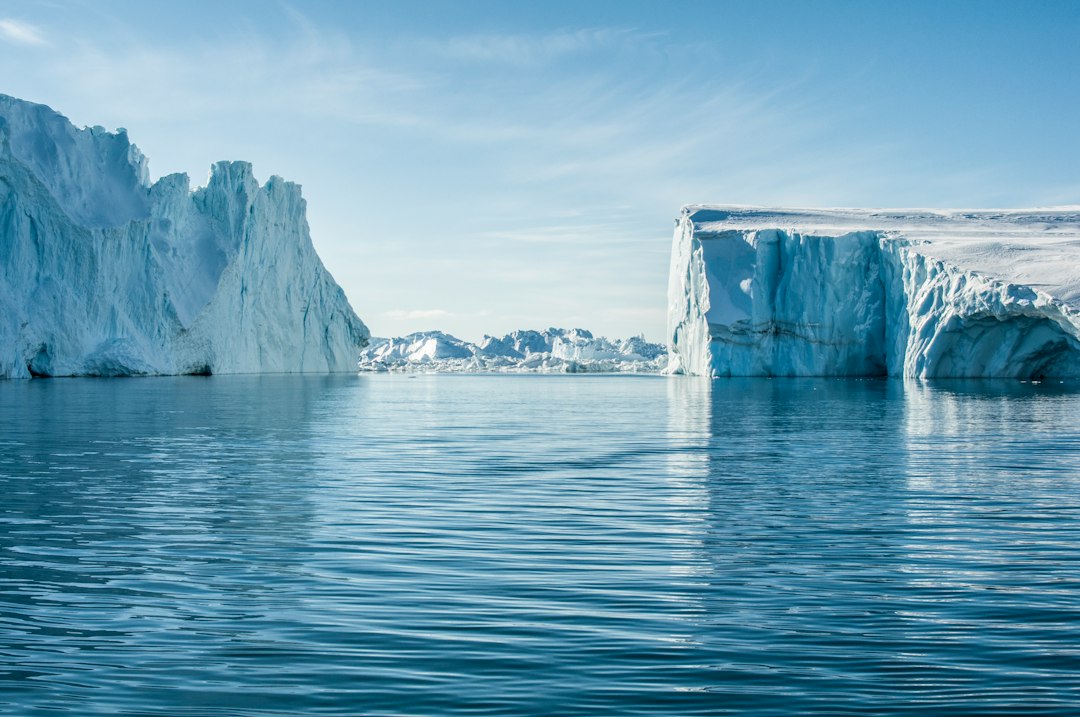
The Earth’s cryosphere, the vast expanse of ice and snow that blankets much of the planet, has long been a silent guardian of its history. For millennia, glaciers and ice sheets have encased a frozen archive, preserving remnants of past climates, ecosystems, and even the lives of our ancient ancestors. Now, as global temperatures rise and these icy behemoths recede, they are beginning to yield their secrets, revealing a treasure trove of prehistoric artifacts and scientific insights that are rewriting our understanding of the past. This dramatic unfreezing, while a stark indicator of climate change, is also an unprecedented opportunity for archaeologists, paleontologists, and climatologists alike, offering a glimpse into a world long gone, now brought back to light by the relentless march of time and a warming planet.
Recent studies have shown that melting glaciers are not only a consequence of climate change but also a window into our planet’s prehistoric past, revealing ancient ecosystems and long-lost species. For those interested in understanding the broader implications of environmental changes, including how they intersect with modern societal issues, an insightful article can be found at this link. This piece discusses emergency asset seizure legislation and its relevance in protecting against financial crimes, highlighting the importance of safeguarding our resources in the face of evolving challenges.
Echoes from the Frozen Past
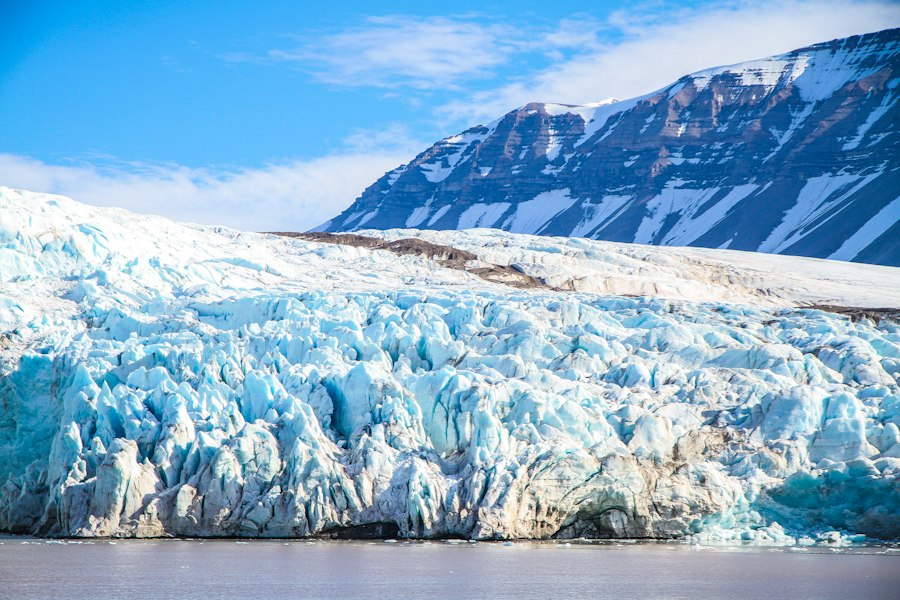
The melting of glaciers and ice patches is not a new phenomenon, but the accelerating rate of ice loss in recent decades has transformed it into a major driver of archaeological discovery. The sheer volume of ice that has accumulated over centuries, even millennia, in certain high-altitude or polar regions has acted as a natural freezer, preserving organic materials that would have otherwise decomposed. These include not only tools and personal belongings but also the very bodies of those who lived and died in these harsh environments.
Unearthing Ancient Journeys and Settlements
One of the most compelling aspects of this phenomenon is the discovery of ancient human presence in regions previously thought to be inaccessible or uninhabited during prehistoric times. As glaciers retreat, they expose landscapes that were once locked beneath thick ice. These exposed areas can reveal evidence of ancient migration routes, temporary hunting camps, and even more permanent settlements. For instance, in the Scandinavian Alps, melting ice patches have yielded well-preserved hunting equipment, including bows, arrows, and animal bones, suggesting that humans actively traversed these mountainous terrains during warmer interglacial periods. The discovery of these sites provides invaluable data on human adaptation to diverse environments and the extent of their geographical range thousands of years ago. Researchers meticulously document the spatial relationships between these artifacts, seeking to reconstruct the activities and behaviors of the ancient peoples who once inhabited these now-melting landscapes. The presence of specific toolkits can indicate the type of game being hunted, the season of their occupation, and the technological capabilities of these early populations.
Preserving Organic Materials: A Glimpse into Daily Life
The exceptional preservation offered by glacial ice is particularly evident in its ability to safeguard organic materials. Wood, leather, textiles, and even human tissue can remain remarkably intact for centuries, offering a level of detail that is rarely found in more conventional archaeological excavations. The famous Ötzi the Iceman, discovered in the Ötztal Alps in 1991, is a prime example. His body, perfectly preserved by ice, provided an unparalleled window into the life of a Copper Age man, complete with his clothing, tools, and even the last meal he consumed. Beyond individual discoveries like Ötzi, melting glaciers are revealing entire assemblages of organic artifacts. These can include fragments of shelters, cooking utensils, and personal adornments, painting a vivid picture of prehistoric daily life. The study of these materials allows scientists to understand ancient technologies, dietary habits, social structures, and even beliefs. For example, the analysis of woven materials can reveal sophisticated textile production techniques, while the examination of wooden tools can shed light on woodworking skills and the types of trees available in a particular region. The preservation of perishable items, which are often lost to time, is crucial for a holistic understanding of past human societies.
Recovering Lost Flora and Fauna: Reconstructing Ancient Ecosystems
The impact of melting glaciers extends beyond human artifacts to the realm of paleontology and paleobotany. As the ice recedes, it exposes ancient plant and animal remains that offer vital clues about past ecosystems and the environmental conditions under which they thrived. Pollen grains, seeds, leaves, and even entire plant communities, frozen in time, are now being recovered. These discoveries allow scientists to reconstruct past vegetation patterns, understand the biodiversity of ancient landscapes, and track environmental changes over millennia. Similarly, the ice can preserve the remains of prehistoric animals, providing insights into the fauna that inhabited these regions and their adaptations to glacial or interglacial climates. The study of these fossilized remains can help researchers understand ancient food webs, migration patterns of animals, and the impact of climate on species distribution. By analyzing the isotopic composition of preserved organic matter, scientists can also gain a deeper understanding of past temperatures, precipitation patterns, and atmospheric conditions. This data is invaluable for developing more accurate climate models and predicting future environmental changes.
The Scientific Bounty: Climate and Environmental Insights
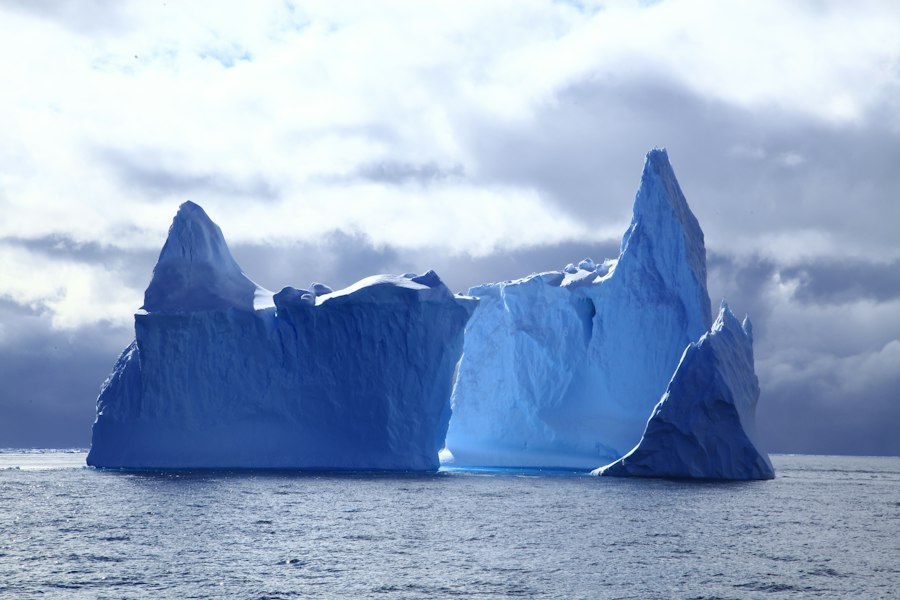
The artifacts unearthed from melting glaciers are not merely curiosities; they are critical scientific data points. The very ice itself, along with the organic materials it encloses, provides a tangible record of past climate conditions, allowing scientists to reconstruct historical weather patterns, atmospheric composition, and the extent of ice cover.
Ice Cores: A Chronicle of Atmospheric History
Perhaps the most significant scientific contribution from melting glaciers comes in the form of ice cores. These cylindrical samples, extracted from deep within glaciers, act as invaluable archives of Earth’s past atmosphere. Trapped air bubbles within the ice preserve samples of the atmosphere from the time the snow originally fell. Analyzing these bubbles allows scientists to determine the concentration of greenhouse gases like carbon dioxide and methane, as well as other atmospheric components, stretching back hundreds of thousands of years. This data is crucial for understanding natural climate variability, the long-term carbon cycle, and the impact of human activities on the atmosphere. By correlating these atmospheric records with other paleoclimate proxies, such as the isotopic composition of the ice itself (which can indicate temperature), scientists can build a comprehensive picture of past climate fluctuations. The detailed stratigraphy of ice cores provides a high-resolution record, allowing for the study of rapid climate events and their potential triggers. The ongoing retreat of glaciers means that these ancient ice archives are becoming increasingly fragile and, in some cases, may be lost forever if not carefully and systematically sampled.
Paleovegetation and Paleoenvironment Reconstruction
The organic materials preserved within or exposed by melting glaciers, such as pollen, seeds, and plant fragments, offer a direct window into past vegetation and environmental conditions. Paleobotanists can analyze these remains to identify the types of plants that grew in a region at a specific time, providing insights into past climate, soil conditions, and the overall health of the ecosystem. For example, finding the remains of specific trees or grasses can indicate whether a region was once a forest, grassland, or tundra. This information is vital for understanding how landscapes have evolved and how plant communities respond to climate change. Furthermore, the presence of certain indicator species can help reconstruct past ecological niches and identify the environmental parameters necessary for their survival. This allows for a more nuanced understanding of past biodiversity and the potential impacts of climate change on modern flora. The careful collection and analysis of these ancient plant remains contribute to our understanding of long-term ecological processes and the resilience of ecosystems.
Dating Ancient Events: A Chronological Framework
The unique conditions within glacial environments can also aid in the dating of ancient events. For instance, the discovery of artifacts or organic remains within a specific ice layer provides a direct chronological context. Radiocarbon dating, a standard technique for dating organic materials, becomes even more powerful when applied to specimens preserved in ice, as their integrity is often better maintained. Furthermore, the layered nature of glacial deposits themselves can offer chronological information through stratigraphy. By carefully examining the sequence of ice layers and the materials they contain, scientists can establish a relative timeline of past events. In cases where glacial melt exposes sedimentary layers or ancient landforms, these can also be dated using various geological and archaeological methods, contributing to a robust chronological framework for understanding prehistoric human activity and environmental changes. The ability to accurately date these discoveries is paramount for integrating them into broader historical narratives and understanding the timing of significant environmental shifts or human migrations.
Challenges and Opportunities in a Changing Landscape
The unearthing of prehistoric secrets from melting glaciers is a race against time. As ice disappears, so does the protective environment that has preserved these invaluable remnants. This presents both significant challenges and unparalleled opportunities for researchers.
The Impermanence of the Archive
The most pressing challenge is the impermanence of the archive itself. Glaciers are finite resources, and their rapid melting means that the window of opportunity for discovery is closing. Once an artifact or organic sample is exposed to the elements, it begins to degrade. Humidity, sunlight, and microbial activity can quickly destroy materials that have been preserved for millennia. This necessitates rapid response and careful documentation. Archaeological teams and scientific institutions must be equipped and ready to deploy to glacial melt sites as soon as they become accessible. The logistics of operating in remote, high-altitude, or polar environments further complicate these efforts, requiring specialized equipment, training, and significant financial investment. The ephemeral nature of these discoveries means that proactive research and survey strategies are crucial, rather than simply reacting to findings as they emerge.
Methodological Innovations and Interdisciplinary Collaboration
The unique nature of glacial archaeology demands innovative methodological approaches. Traditional excavation techniques may not be suitable for delicate, ice-bound environments. Researchers are developing specialized tools and protocols for working with fragile organic materials, freeze-drying techniques, and advanced imaging technologies to document discoveries in situ before they are removed. Furthermore, this field inherently requires a high degree of interdisciplinary collaboration. Archaeologists, glaciologists, climatologists, biologists, and conservators must work together to fully understand the context and significance of these discoveries. Glaciologists provide crucial information about ice movement and stability, while climatologists can interpret the environmental data. Biologists can analyze ancient DNA and pathogens, and conservators are essential for the long-term preservation of recovered materials. This collaborative spirit is vital for maximizing the scientific yield from these rapidly vanishing archives. The sharing of expertise and data across disciplines accelerates the pace of discovery and enriches the interpretations derived from these unique finds.
Ethical Considerations and Preservation Strategies
As more discoveries are made, ethical considerations become paramount. Who owns these artifacts? How should they be conserved and displayed? There is a growing recognition of the need for international cooperation and the development of clear guidelines for the excavation, repatriation, and preservation of glacial finds. Indigenous communities, whose ancestral lands may be impacted by these discoveries, also have a crucial role to play in the process. Furthermore, the potential for disturbing dormant pathogens or ancient viruses within melting ice raises public health concerns that require careful scientific assessment and management protocols. The long-term preservation of recovered artifacts is a significant undertaking, requiring specialized facilities and ongoing research into conservation techniques for materials that have been subjected to extreme cold. The goal is not only to recover the past but to ensure that these discoveries can be studied and appreciated for generations to come.
Recent studies have shown that melting glaciers are not only a sign of climate change but also a gateway to uncovering prehistoric secrets that have been locked away for millennia. As these ancient ice masses recede, they reveal artifacts and remnants of past civilizations, providing invaluable insights into human history. For instance, an intriguing article discusses the ingenious inventions of Hero of Alexandria, a figure whose innovations have greatly influenced technology throughout the ages. You can read more about his remarkable contributions and their implications for our understanding of ancient engineering in this related article.
Case Studies: Glaciers as Time Capsules
| Metric | Value | Description |
|---|---|---|
| Number of Artifacts Discovered | Over 1,000 | Items such as tools, clothing, and weapons uncovered from melting glaciers |
| Age of Artifacts | Up to 5,000 years | Estimated age range of prehistoric objects revealed |
| Glacier Retreat Rate | 1-3 meters per year | Average annual melting rate exposing new archaeological sites |
| Number of Prehistoric Human Remains Found | Approximately 50 | Human bodies and remains preserved in ice |
| New Species Discovered | 3 | Previously unknown prehistoric insects and plants revealed |
| Geographical Regions Affected | Alps, Scandinavia, North America | Major glacier regions where discoveries have been made |
The melting ice across the globe is not a hypothetical scenario; it is actively yielding significant discoveries. These case studies illustrate the diverse range of information being brought to light.
The Scandinavian Alps: Hunting Grounds of the Past
In the Norwegian, Swedish, and Finnish mountains, countless ice patches are shrinking, revealing a remarkable legacy of prehistoric human activity. These high-altitude hunting grounds, once considered too harsh for sustained human presence, have yielded thousands of artifacts, including arrowheads, spears, clothing fragments, and animal bones. The Bottheim find in Norway, for instance, uncovered remarkably preserved hunting equipment dating back to the Bronze Age, suggesting that ancient peoples were skilled mountaineers who utilized these environments seasonally. The density of these finds indicates that these areas were actively used for hunting migratory animals and for accessing valuable resources. The discovery of different toolkits at various sites allows archaeologists to map out ancient migration routes and understand the seasonal patterns of human occupation. The preservation of textiles is particularly noteworthy, offering insights into the clothing and insulation technologies developed by these early inhabitants to survive in a challenging climate. The careful mapping and dating of these sites are providing a detailed picture of human adaptation to mountainous environments over several millennia.
The Tibetan Plateau: Ancient Trade Routes and Nomadic Life
The Tibetan Plateau, often referred to as the “Roof of the World,” is experiencing significant glacial melt, exposing ancient trails and settlements. These discoveries are shedding light on the historical trade routes that traversed this region and the lives of its nomadic inhabitants. For centuries, glaciers played a role in defining these routes, with some passes only becoming navigable during warmer periods. As these glaciers retreat, previously hidden paths and campsites are emerging, revealing artifacts such as pottery shards, metal tools, and even evidence of ancient livestock corrals. These finds are helping to reconstruct the complex network of interactions between different communities in Central Asia and understand the logistical challenges of long-distance travel in such a demanding environment. The discovery of items originating from distant regions, such as China and India, further underscores the importance of the Tibetan Plateau as a historical crossroads. Researchers are also investigating the impact of climate change on traditional nomadic livelihoods and the potential for renewed human activity in areas that were once permanently encased in ice.
The Himalayas: Lost Monasteries and Sacred Sites
In the high Himalayas, the melting of glaciers is revealing not only natural landscapes but also evidence of ancient human civilization. In some remote valleys, receding glaciers have exposed the ruins of what appear to be ancient monasteries or religious sites, along with associated artifacts. These discoveries suggest that human settlements and spiritual practices were more widespread in these mountainous regions than previously understood, potentially during periods of more temperate climate. The presence of religious iconography and the architectural styles of the unearthed structures provide insights into the development of spiritual traditions and their integration with the harsh mountain environment. The careful excavation and dating of these sites are crucial for understanding the history of Buddhism and other spiritual practices in the region, and how they were adapted to the extreme conditions. The potential for finding well-preserved religious texts or artwork adds another layer of significance to these discoveries, offering a direct connection to the beliefs and practices of past Himalayan peoples.
The Future of Frozen History
The melting of glaciers represents a profound and complex environmental shift. While the scientific and archaeological insights gained are invaluable, they also serve as a stark reminder of the challenges facing our planet. The ephemeral nature of these discoveries underscores the urgency of preserving these frozen archives before they are lost forever.
A Call to Action: Document, Preserve, and Understand
The ongoing glacial melt necessitates a proactive and coordinated global effort. International scientific bodies and research institutions must prioritize the systematic documentation and sampling of newly exposed areas. This includes establishing rapid response teams, developing standardized protocols for excavation and preservation, and fostering interdisciplinary collaboration. Furthermore, significant investment in research infrastructure, including specialized laboratories and conservation facilities, is essential. Public awareness campaigns can also play a crucial role in highlighting the importance of these discoveries and the need for conservation efforts. The long-term preservation of recovered materials requires ongoing research into novel conservation techniques, particularly for highly degraded organic matter. The goal is to ensure that these frozen whispers from the past can continue to inform our understanding of human history and our planet’s future.
Integrating Past Lessons with Future Planning
The knowledge gained from melting glaciers has direct relevance to contemporary environmental challenges. By understanding how past ecosystems responded to climate fluctuations, we can better predict the impacts of current warming trends on biodiversity, resource availability, and human societies. The study of ancient human adaptation to challenging environments can offer valuable lessons for resilience and sustainability in the face of future environmental change. Moreover, the direct evidence of rapid climate change preserved within glacial ice serves as a powerful motivator for global action to mitigate greenhouse gas emissions. The stories etched in ice, from ancient toolmaking to atmospheric composition, are not just historical footnotes; they are crucial data points for navigating the environmental challenges of the 21st century and beyond.
The Enduring Legacy of Ice
As the world continues to warm, glaciers will undoubtedly continue to shrink, and with them, the secrets they hold. However, the discoveries made today will leave an enduring legacy. The artifacts unearthed, the scientific data recovered, and the collaborative networks forged will enrich our understanding of human history, our planet’s past, and the profound interconnectedness of life. The melting cryosphere, while a harbinger of change, is also a catalyst for unparalleled discovery, urging us to look back at the frozen echoes of our past to better understand our present and shape a more sustainable future. The ice, in its slow surrender, is offering us a profound gift, a chance to learn from a time before us, and to act with greater wisdom in the face of what is to come.

Beneath the Ice: Surviving the Ice Age 20,000 Years Ago
FAQs
What prehistoric secrets were revealed by melting glaciers?
Melting glaciers have revealed ancient artifacts, fossils, and even entire prehistoric landscapes that were previously hidden under the ice for thousands of years.
How do glaciers preserve prehistoric secrets?
Glaciers act as natural time capsules, preserving remnants of the past by covering and protecting them from erosion, weathering, and human activity.
Why are scientists interested in studying the prehistoric secrets revealed by melting glaciers?
Studying the artifacts and fossils uncovered by melting glaciers can provide valuable insights into the Earth’s history, ancient civilizations, and the effects of climate change over time.
What techniques do scientists use to analyze the prehistoric remains found in melting glaciers?
Scientists use a variety of methods such as radiocarbon dating, DNA analysis, and advanced imaging techniques to study and learn more about the prehistoric remains uncovered by melting glaciers.
How are local communities and governments responding to the discovery of prehistoric secrets in melting glaciers?
Local communities and governments are working together to protect and preserve the newly revealed prehistoric sites, often turning them into tourist attractions or research areas while also implementing measures to mitigate the effects of climate change on glaciers.