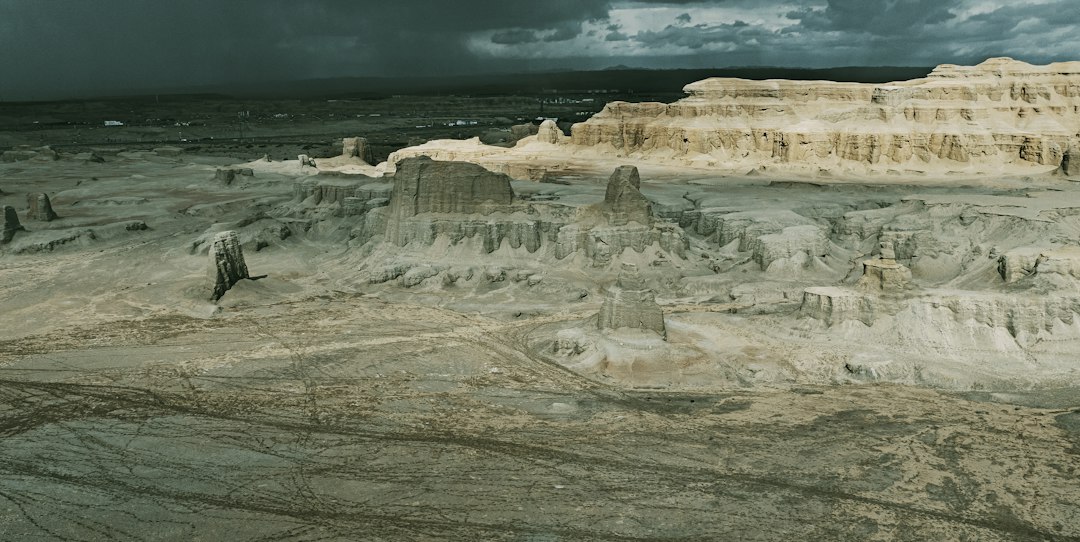
The grand sweep of Earth’s history, a story stretching back billions of years, is a narrative filled with cataclysmic events, the rise and fall of mighty empires of life, and geological transformations that dwarf human comprehension. For centuries, this epic tale was confined to dusty textbooks and hushed museum halls. However, the advent of modern filmmaking has opened new vistas, allowing audiences to witness these ancient epochs unfold with breathtaking visual fidelity and compelling scientific storytelling. Epic cinematic documentaries are now bridging the gap between academic research and popular fascination, offering immersive journeys into our planet’s deep past. These films harness cutting-edge CGI, stunning natural cinematography, and the insights of leading paleontologists and geologists to bring alive the primordial oceans, the reign of the dinosaurs, and the gradual shaping of the very continents beneath our feet. They are not merely educational tools; they are works of art that inspire awe and a profound sense of our place within the grand cosmic timeline.
Forging the Foundations: The Hadean and Archean Eras
The story of Earth is not one that begins with life, but with fire and rock. The earliest chapters of our planet’s existence, the Hadean and Archean eons, are often shrouded in mystery due to the paucity of accessible fossil evidence. Yet, documentaries exploring these formative periods delve into the fiery birth of our world, the formation of its molten core, and the subsequent cooling of its surface to form the first crust. These cinematic explorations often rely on scientific models, simulations, and comparisons with other celestial bodies to paint a picture of a planet in constant upheaval. The intense bombardment by asteroids and comets, the forging of the Moon through a colossal impact, and the initial formation of a primitive atmosphere and oceans are all brought to life, setting the stage for the eventual emergence of life itself.
From Cosmic Chaos to a Watery Cradle
Early cinematic narratives of Earth’s formation often begin with the chaotic violence of the solar system’s birth. The accretion of dust and gas, the gravitational dance of nascent planets, and the cataclysmic collision that is believed to have birthed the Moon are rendered with a visceral impact. Filmmakers utilize sophisticated computer-generated imagery (CGI) to visualize these events, showcasing the molten rock, the searing heat, and the sheer scale of these cosmic impacts. The narrative then transitions to the gradual cooling of Earth’s surface, the formation of its crust, and the initial outgassing from volcanoes that would eventually contribute to the primordial atmosphere. Crucially, these documentaries emphasize the role of water. The delivery of water via comets and asteroids, and its subsequent condensation to form the first oceans, is presented as a pivotal moment, transforming a barren, hostile world into a potential crucible for life. This imagery, though speculative, is grounded in robust scientific theory, allowing viewers to grasp the immense forces at play in shaping our planet’s early environment.
The Dawn of Geological Time
Beyond the initial formation, the Hadean and Archean eras represent the foundational period of Earth’s geology. Documentaries in this vein explore the processes of plate tectonics in their nascent stages, the formation of the first continents, and the intense volcanic activity that characterized these early times. The formation of the Earth’s magnetic field, a vital shield against harmful solar radiation, is also often highlighted. While direct visual evidence from these eons is scarce, filmmakers employ animation and scientific reconstruction to illustrate the slow but relentless processes of continental drift, the recycling of Earth’s crust, and the formation of early mountain ranges. The narrative often centers on the discovery and interpretation of ancient rocks, such as those found in Greenland and Western Australia, which hold clues to the conditions and geological events of these deep-time periods. These sections of documentaries aim to instill an appreciation for the immense, slow-burning forces that have sculpted the planet over billions of years, establishing the very landmasses and geological structures that would later host increasingly complex life.
Cinematic historical documentaries have a unique ability to bring ancient earth history to life, offering viewers a captivating glimpse into the past. One such intriguing exploration can be found in the article titled “Anticipated Global Map Shifts,” which discusses the geological and climatic changes that have shaped our planet over millennia. This article delves into the science behind these transformations, providing context that complements the visual storytelling often seen in documentaries. For a deeper understanding of how our planet’s history is intertwined with its future, you can read the article here: Anticipated Global Map Shifts.
The Oxygen Revolution and the Rise of Complex Life
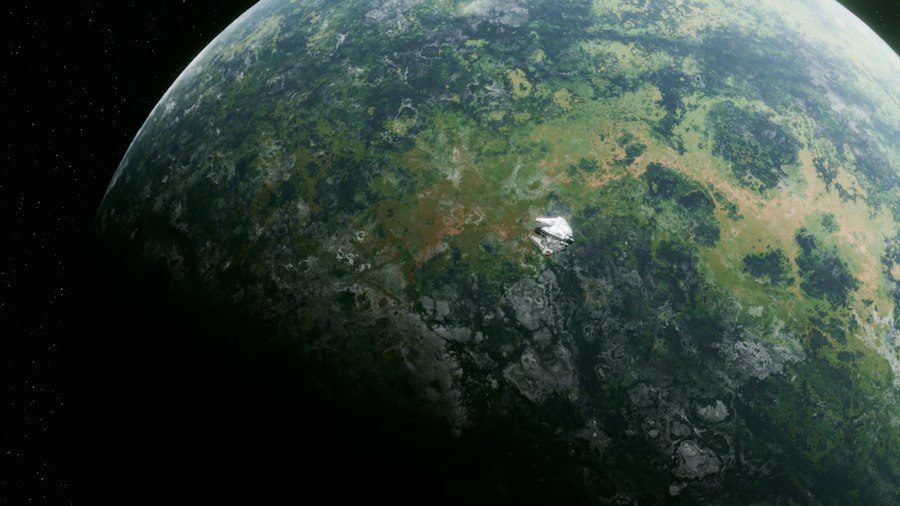
Following the earliest stages, the Proterozoic Eon witnessed a profound transformation in Earth’s atmosphere and the evolution of its inhabitants. The development of photosynthesis, a biological innovation of unparalleled significance, led to the gradual accumulation of oxygen, fundamentally altering the planet’s chemistry and paving the way for the diversification of life into more complex forms. Documentaries exploring this era often focus on the “Great Oxidation Event” and its dramatic consequences, as well as the emergence of eukaryotic cells and the first multicellular organisms.
The Great Oxidation Event: A Planet Transformed
The narrative of the Great Oxidation Event is often depicted as a critical turning point in Earth’s history. Cinematographically, this can be represented by a gradual shift in the planet’s visual palette, from the iron-rich, anoxic oceans of the Archean to the oxygenated waters and atmosphere of the Proterozoic. Documentaries showcase the cyanobacteria, microscopic organisms that harnessed sunlight to produce energy and release oxygen as a byproduct. The process is often visualized through animated sequences illustrating the biochemical reactions and the gradual build-up of oxygen in the atmosphere. The immediate consequences of this oxygen increase were devastating for many anaerobic organisms, leading to the first mass extinction. However, this oxygen-rich atmosphere also opened up new metabolic pathways, allowing for the evolution of more energy-efficient life forms. The visual storytelling here emphasizes the interconnectedness of geological and biological processes, where a seemingly minor biological innovation had planet-altering consequences.
Eukaryotes, Multicellularity, and the Dawn of Biodiversity
The Proterozoic Eon also saw the emergence of eukaryotic cells – cells with a nucleus and complex internal structures – and the subsequent development of multicellular organisms. Documentaries dedicated to this period often delve into the theory of endosymbiosis, explaining how mitochondria and chloroplasts likely originated from symbiotic relationships between different prokaryotic cells. The transition from single-celled to multicellular life is visualized through animated depictions of cell division and specialization, leading to the formation of simple tissues and organs. The Ediacaran biota, the earliest known complex multicellular organisms, are often featured, brought to life through CGI reconstructions based on fossil evidence. These filmmakers aim to convey the tentative, experimental nature of early evolution, showcasing the initial steps towards the vast biodiversity that would characterize later epochs, from simple sponges and jellyfish-like creatures to more complex, enigmatic forms. This period is portrayed as a crucial incubation phase, where the fundamental building blocks of complex life were laid down.
The Age of Giants: Mesozoic Marvels and Dinosaur Dominance
Perhaps the most universally captivating period of Earth’s history is the Mesozoic Era, the “Age of Reptiles.” Documentaries dedicated to the Mesozoic Era are a staple of cinematic exploration, offering audiences unparalleled glimpses into the reign of the dinosaurs. These films meticulously reconstruct the lost worlds of the Jurassic and Cretaceous periods, bringing to life iconic creatures like Tyrannosaurus Rex, Triceratops, and the majestic Brachiosaurus in vivid detail. The focus is not only on the awe-inspiring scale and ferocity of these ancient beasts but also on their complex ecologies, behaviors, and the environments they inhabited.
Reconstructing Prehistoric Ecosystems
The cinematic reconstruction of Mesozoic ecosystems is a feat of scientific artistry. Documentaries employ a combination of paleontology, comparative anatomy, biomechanical modeling, and CGI to paint a detailed picture of these lost worlds. Viewers are transported to lush, verdant landscapes, often featuring alien flora that would be unrecognizable to modern eyes. The interactions between herbivores and carnivores, the social structures of dinosaur herds, and the diverse array of smaller creatures that coexisted with the giants are all brought to life. Filmmakers work closely with paleontologists to ensure accuracy in the portrayal of dinosaur anatomy, locomotion, and even skin texture. The sound design is equally crucial, with roars, bellows, and the rustling of ancient vegetation contributing to the immersive experience. These films aim to convey the dynamic, often brutal, reality of life in the Mesozoic, where survival was a constant challenge.
The Extinction Event and Its Aftermath
A significant portion of Mesozoic documentaries inevitably culminates in the catastrophic event that brought this era to a dramatic close: the K-Pg extinction event. The impact of the Chicxulub asteroid is often depicted with chilling realism, showcasing the immense energy release, the global wildfires, and the subsequent environmental devastation. The narrative then transitions to the immediate aftermath – the dark skies, the prolonged winter, and the collapse of food chains. However, these films also highlight the survivors, particularly the small, shrew-like mammals and the lineage of birds that would eventually flourish in the Cenozoic. The extinction event is presented not just as an ending, but as a dramatic reset, a violent punctuation mark that cleared the way for the rise of new forms of life, underscoring the cyclical nature of evolution and extinction throughout Earth’s history.
The Reign of Mammals and the Ascent of Humanity
Following the demise of the dinosaurs, the Cenozoic Era became the “Age of Mammals.” Documentaries exploring this epoch focus on the rapid diversification of mammalian lineages, the reshaping of continents, and the gradual emergence of hominins, culminating in the evolution of Homo sapiens. These films offer a more recent, yet equally profound, look at Earth’s history, tracing the evolutionary pathways that led to our own species.
Mammalian Diversification and Continental Drift
The Cenozoic narrative is one of adaptation and expansion. Documentaries in this category showcase the incredible diversity of mammals that evolved to fill the ecological niches left vacant by the dinosaurs. From the ancestors of whales and bats to the evolution of primates and large herbivores, the films illustrate the remarkable adaptability of mammalian forms. The ongoing process of continental drift is also a key visual element, as documentaries depict the dramatic changes in Earth’s geography, including the formation of mountain ranges like the Himalayas and the Alps, and the opening and closing of oceans. These geological shifts influenced climate patterns and species distribution, creating new environments and challenges for evolving life. The visual storytelling here often juxtaposes the slow, inexorable movement of tectonic plates with the relatively rapid evolutionary changes occurring within mammalian populations.
The Hominin Journey: From Primate Ancestors to Modern Humans
The most compelling aspect of Cenozoic documentaries, for many viewers, is the story of human evolution. These films trace the lineage of Homo sapiens from our primate ancestors, showcasing key fossil discoveries and the scientific evidence that has shaped our understanding of our origins. The emergence of bipedalism, the development of tool use, the control of fire, and the growth of the human brain are all explored through a combination of animated reconstructions, expert interviews, and footage from archaeological sites. The narrative often highlights the challenges faced by early hominins, including climate change and competition with other hominin species. The final stages of the journey, leading to the development of agriculture, complex societies, and ultimately, modern civilization, are presented as a testament to human ingenuity and adaptability. These films aim to provide a sense of our deep evolutionary roots and our place within the grand tapestry of life.
Cinematic historical documentaries have the power to transport viewers back in time, offering a vivid glimpse into ancient Earth history. One such compelling exploration can be found in the article that discusses the rise of the Mexican consumer, which highlights the cultural shifts and historical context shaping modern society. This connection between past and present is crucial for understanding how ancient civilizations influence contemporary life. To delve deeper into this fascinating topic, you can read more about it in the article here.
Future Earth: Projections and the Long View
| Documentary Title | Release Year | Duration (minutes) | Focus Era | Production Company | IMDB Rating | Notable Features |
|---|---|---|---|---|---|---|
| Walking with Dinosaurs | 1999 | 360 | Mesozoic Era | BBC | 8.3 | Groundbreaking CGI, realistic dinosaur portrayal |
| The Blue Planet | 2001 | 360 | Ancient Oceans | BBC | 9.0 | Underwater cinematography, narrated by David Attenborough |
| Planet Earth: Ancient Earth | 2006 | 50 | Precambrian to Paleozoic | BBC | 8.7 | Focus on Earth’s early geological history |
| Prehistoric Planet | 2022 | 300 | Cretaceous Period | Apple TV+ | 8.9 | High-definition CGI, latest paleontological research |
| Cosmos: A Spacetime Odyssey | 2014 | 660 | Formation of Earth & Early Life | Fox/NatGeo | 9.1 | Scientific storytelling, hosted by Neil deGrasse Tyson |
Beyond recounting the past, some epic cinematic documentaries venture into speculative territory, using current scientific understanding to project potential futures for our planet. These films explore the long-term geological processes that will continue to shape Earth, as well as the potential impacts of climate change, human activity, and cosmic events on the future of life. By placing current challenges within a vast geological timescale, these documentaries encourage a deeper appreciation for our planet’s fragility and the importance of stewardship.
Geological Cycles and Cosmic Interventions
Documentaries exploring Earth’s future often begin with the predictable, long-term geological cycles. The slow drift of continents will continue, eventually leading to the formation of new supercontinents. The sun will continue to evolve, its increasing luminosity eventually making Earth uninhabitable. Cosmic events, such as the possibility of future asteroid impacts or supernovae, are also considered as potential disruptors of terrestrial life. These films use sophisticated modeling and visualization to depict these grand, slow-moving forces, reminding viewers that Earth’s history is far from over. The narrative here emphasizes the insignificance of human timescales in the face of deep geological and cosmic processes, fostering a sense of humility and perspective.
The Anthropocene and Beyond: Our Impact and Legacy
The current geological epoch, the Anthropocene, is a central theme in future-oriented documentaries. These films examine the profound impact of human civilization on Earth’s ecosystems, climate, and geology. They explore potential scenarios for the future, ranging from sustainable coexistence with nature to environmental collapse and widespread species extinction. The legacy of humanity, both positive and negative, is a key focus. Some films highlight the potential for human ingenuity to address environmental challenges and foster a more sustainable future, while others present stark warnings about the consequences of inaction. The visual language often shifts from the grandeur of natural landscapes to the stark realities of industrialization and environmental degradation. Ultimately, these documentaries aim to provoke thought and inspire action, urging viewers to consider their role in shaping not only their own future but the future of the planet itself. By understanding the epic sweep of Earth’s history, from its fiery birth to its uncertain future, audiences can gain a profound appreciation for the unique and precious nature of our home world.

Beneath the Ice: Surviving the Ice Age 20,000 Years Ago
FAQs
1. What are cinematic historical documentaries?
Cinematic historical documentaries are films that use a combination of archival footage, reenactments, expert interviews, and narration to explore and present historical events in a visually engaging and informative way.
2. How do ancient earth history documentaries differ from other historical documentaries?
Ancient earth history documentaries focus specifically on events, civilizations, and phenomena that occurred on Earth thousands or millions of years ago, providing insights into the origins of our planet and early human civilizations.
3. What makes ancient earth history documentaries a popular genre among viewers?
Ancient earth history documentaries appeal to viewers due to their ability to transport audiences back in time, offering a glimpse into the lives of ancient civilizations, the evolution of Earth, and the mysteries of our planet’s past through captivating storytelling and visual representation.
4. How do filmmakers ensure the accuracy of information presented in cinematic historical documentaries?
Filmmakers of cinematic historical documentaries often collaborate with historians, archaeologists, scientists, and other experts to ensure the accuracy of the information presented. Extensive research, fact-checking, and peer review processes are also commonly employed to maintain historical authenticity.
5. What are some examples of renowned cinematic historical documentaries on ancient earth history?
Some examples of renowned cinematic historical documentaries on ancient earth history include “Civilizations,” “The Story of Earth,” “Egypt’s Lost Queens,” “First Peoples,” and “The Greeks.” These documentaries offer in-depth explorations of ancient civilizations, geological transformations, and significant historical events that shaped the Earth’s history.