The Evolving Climate Stage
The grand narrative of human migration is inextricably linked to the Earth’s dramatic climatic shifts, particularly those that defined the Quaternary Ice Ages. These periods of profound glacial expansion and subsequent interglacial warming were not merely backdrop elements; they were active forces, sculpting landscapes, redefining ecologies, and compelling hominin populations to move, adapt, and ultimately, spread across the globe. Understanding these ancient weather patterns is crucial to unraveling the complex tapestry of human dispersal, from our African origins to our colonization of every habitable continent. The alternating cycles of cold, dry stadials and warm, wet interstadials presented both formidable barriers and unprecedented opportunities, driving waves of migration and shaping the genetic and cultural diversity of our species.
The geological record, inscribed in ice cores, ocean sediments, and fossilized pollen, paints a picture of a planet in constant flux. During glacial periods, vast ice sheets advanced, lowering sea levels and creating land bridges where none had existed before. Simultaneously, arid conditions often prevailed in many regions, transforming lush forests into open grasslands or even deserts, forcing inhabitants to seek more hospitable environments. Conversely, interglacial periods brought melting glaciers, rising sea levels that submerged land bridges, and shifts in vegetation, favoring forestation in some areas and opening up new territories for exploration and settlement. These drastic environmental transformations acted as powerful selection pressures, influencing not only the physical adaptations of early humans but also their cognitive abilities and social structures, particularly their capacity for planning and resource management in the face of unpredictable environmental challenges.
The very nature of these climate shifts, characterized by their cyclicality and varying intensity, meant that migration was not a singular event but a recurring phenomenon. Human populations would likely have been pushed and pulled by these climatic tides multiple times throughout prehistory, leading to complex patterns of dispersal, retreat, and admixture. The ability to perceive, predict, and respond to these environmental cues was undoubtedly a critical factor in survival and expansion, favoring those groups with greater adaptability and resilience.
The study of how weather shifts influenced migration patterns during the Ice Age reveals fascinating insights into early human behavior and adaptation. As climate conditions fluctuated, groups of hunter-gatherers were forced to move in search of food and more hospitable environments. This topic is intricately connected to modern discussions about survival strategies, as highlighted in the article on secret stash spots for prepping for SHTF scenarios. Understanding historical migration can provide valuable lessons for contemporary preparedness. For more information, you can read the article here: Secret Stash Spots for Prepping for SHTF.
Glacial Epochs: Drivers of Dispersal and Isolation
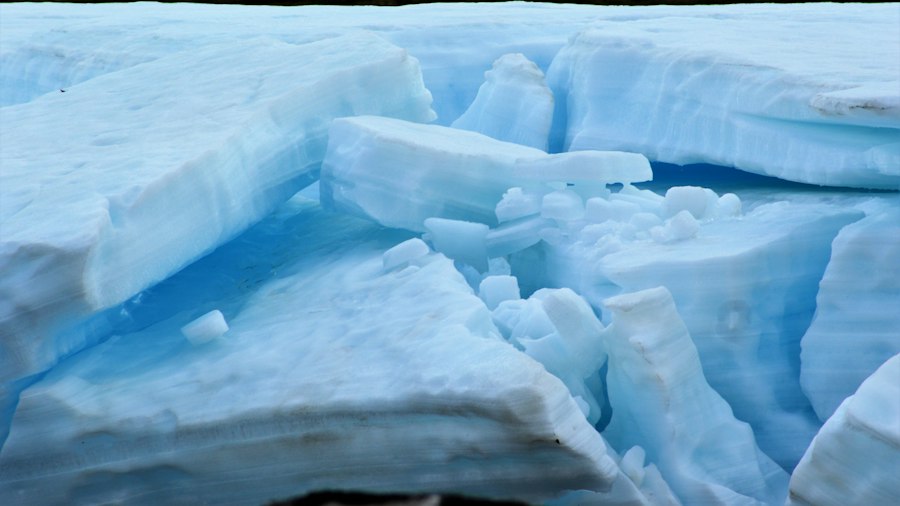
The Pleistocene epoch, often referred to as the Ice Age, was defined by a series of glacial and interglacial cycles. These were not simple periods of freezing but complex phases of glacial expansion and contraction, punctuated by dramatic shifts in temperature and precipitation. During the peak of glacial periods, vast ice sheets, kilometers thick, covered significant portions of North America, Europe, and Asia. These colossal ice masses had a profound impact on global sea levels, lowering them by as much as 120 meters. This dramatic drop exposed continental shelves and created land bridges, most notably Beringia, which connected Siberia and Alaska.
Beringia: The Great Ice Age Corridor
Beringia stands as a prime example of a landscape dramatically reshaped by glacial cycles, becoming a crucial conduit for early human migration. As glaciers advanced in North America and Eurasia, immense quantities of water were locked up in ice, causing global sea levels to plummet. This exposed a vast landmass, several thousand kilometers wide, connecting the continents. Beringia was not merely a frozen wasteland; it was a productive ecosystem, a steppe-tundra environment that supported a diverse array of megafauna, including mammoths, mastodons, bison, and horses. These herbivores, in turn, attracted human hunters.
The existence of Beringia provided a pathway for hominins to move from Asia into the Americas. Archaeological evidence, though still debated and continuously refined, suggests that human presence in the Americas predates the complete melting of the ice sheets. It is hypothesized that groups of hunter-gatherers, following herds of migratory animals, gradually moved across this land bridge. The timing of these migrations is a subject of ongoing research, with estimates ranging from as early as 30,000 years ago to more recent periods. The availability of resources, coupled with a less forbidding climate than might be imagined for the entire region, made Beringia a habitable and traversable landscape for significant periods.
Ice Sheet Barriers and Refuge Zones
While land bridges opened up new possibilities, the massive ice sheets themselves acted as formidable barriers. The Laurentide Ice Sheet in North America and the Fennoscandian Ice Sheet in Europe covered vast territories, making them impassable for human migration for extended periods. These ice masses created a sharp division, isolating populations on either side. However, the margins of these ice sheets were not uniformly hostile. Meltwater rivers, exposed tundra, and pockets of less severe climate could exist near the ice margins, creating temporary refugia where hardy populations could eke out an existence.
These refugia, often located in coastal areas or river valleys, could serve as staging grounds for future migrations when climatic conditions shifted. They would have fostered unique adaptations to cold environments and potentially isolated gene pools, contributing to regional genetic distinctiveness. Furthermore, the presence of glacial lakes, fed by meltwater, could have provided sources of freshwater and fish, supporting small, resilient communities. The dynamics of ice sheet expansion and retreat, therefore, created a push-and-pull effect, driving populations into refugia during glacial maxima and then enabling expansion as the ice receded.
Megafaunal Migrations and Prey Following
The survival and migration of early human populations were intimately tied to the movement of large game animals. The Pleistocene was the age of megafauna, and the migrations of these colossal creatures, often driven by seasonal changes in vegetation and water availability, played a significant role in directing human movement. Hunter-gatherer societies were highly mobile, their lives dictated by the availability of food resources. They would have followed the migratory routes of herds, moving across landscapes in pursuit of their prey.
The opening of Beringia, for instance, was likely facilitated not only by the exposed landmass but also by the migratory patterns of the megafauna that inhabited it. Similarly, the colonization of new territories during interglacial periods would have been influenced by the dispersal of herbivores, which, in turn, would attract human hunters. Understanding the paleoecology and the migratory habits of these extinct animals is therefore crucial to reconstructing ancient human migration routes. This “prey following” strategy highlights the deep ecological interdependence between humans and their environment during the Ice Ages.
Interglacial Thaws: New Frontiers and Rising Waters

The periods between glacial advances, known as interglacials, brought about profound changes, melting vast ice sheets and leading to rising sea levels. These warming periods, while offering respite from the extreme cold, also presented new challenges and opportunities for human migration. The landscape transformed, with vegetation zones shifting and coastal areas becoming inundated.
Sea Level Rise and Submerged Landscapes
As glaciers melted, immense volumes of water were released into the oceans, causing sea levels to rise significantly. This rise effectively erased the land bridges that had been exposed during glacial periods, such as Beringia, effectively isolating continents and populations once again. Coastal plains that had been accessible for hunting and foraging were submerged, forcing human populations to adapt to new shorelines and potentially retreat inland.
This phenomenon had a profound impact on coastal migration routes. Many areas that were once prime locations for human settlement and resource exploitation are now underwater, making archaeological investigation extremely challenging. The Black Sea, for example, is thought to have been a freshwater lake during glacial periods, which would have supported human activity. As the Mediterranean Sea level rose, it breached the Bosporus Strait, flooding the Black Sea basin and creating a significant barrier. Understanding these submerged landscapes is key to unlocking chapters of human history that have been literally washed away.
Shifting Vegetation Belts and Resource Availability
Interglacial warming brought about significant shifts in vegetation belts. As temperatures rose and precipitation patterns changed, forests expanded in many regions, while grasslands retreated or transformed. This altered the availability of food resources. Herbivore populations adapted to these changing environments, and their movements, in turn, influenced human migration patterns.
In some areas, the expansion of forests would have opened up new habitats for arboreal animals and provided resources like nuts, fruits, and wood. In others, the shift to more arid conditions could have led to the decline of large game animals, prompting human groups to move in search of more productive hunting grounds. The ability of humans to adapt to these varying resource landscapes, to exploit new plant and animal species, and to develop new hunting and gathering techniques was crucial for successful migration and settlement during interglacial periods. The development of more sophisticated toolkits, such as finely crafted projectiles for hunting in denser forests or specialized tools for processing new plant foods, would have been advantageous.
Emergence of New Migration Corridors
While rising sea levels submerged some pathways, the melting of ice sheets also created new migration corridors. As the massive glaciers retreated, previously inaccessible territories became open for exploration. River valleys, freed from glacial ice, could become arteries of movement, facilitating travel and settlement into newly exposed landmasses. The deglaciation of Northern Europe and North America, for example, opened up vast areas that had been covered by ice for millennia.
These newly available territories offered fresh resources and opportunities for human expansion. Human groups, driven by curiosity, resource scarcity in their original territories, or simply the availability of seemingly unoccupied land, would have ventured into these emerging frontiers. The recolonization of these areas would have occurred at different rates depending on the local environmental conditions, the availability of food, and the presence of competing groups. These post-glacial landscapes, often characterized by pioneering vegetation and early successional ecosystems, would have presented unique challenges and required novel adaptation strategies.
Cognitive and Behavioral Adaptations to a Dynamic World
The fluctuating climate of the Ice Ages did not merely influence where humans could go; it also shaped their minds and behaviors. The need to adapt to ever-changing environmental conditions fostered the development of crucial cognitive and behavioral traits that facilitated migration and survival.
The Rise of Planning and Foresight
Survival in a highly variable climate demanded a greater degree of planning and foresight. Hunter-gatherer societies had to anticipate seasonal changes in food availability, predict migratory patterns of prey, and plan for long-distance movements to exploit resources in different regions. This likely led to the development of more sophisticated communication, memory, and abstract thinking abilities. The ability to store knowledge about resource locations, seasonal cycles, and potential hazards was paramount.
The creation of caches of food and tools, the development of seasonal migration routes, and the understanding of complex ecological relationships all speak to advanced cognitive capabilities. These abilities would have been particularly advantageous when facing unpredictable environmental events, such as droughts, harsh winters, or sudden shifts in game populations. The development of symbolic thought, evident in early art and adornment, may also have played a role in transmitting crucial information and reinforcing social cohesion within groups undertaking challenging migrations.
Social Organization and Cooperation
Ice Age migrations often involved traversing vast and challenging landscapes, a feat that would have been difficult for small, isolated groups. The need for coordinated effort likely drove the development of more complex social organizations and increased cooperation. Larger groups could share the risks and burdens of migration, pool resources, and combine their knowledge and skills for survival.
This could have involved the formation of extended family groups, alliances between different bands, or even more complex social structures that facilitated collective decision-making and resource management. The sharing of food, the division of labor in hunting and gathering, and the mutual defense against predators or hostile groups would have been essential for success. The ability to establish and maintain social bonds across significant distances, perhaps through networks of communication and reciprocity, would also have been a vital adaptation.
Technological Innovation and Material Culture
The challenges posed by Ice Age environments spurred significant technological innovation. The development of more sophisticated tools for hunting, processing food, and shelter construction was essential for survival and migration. This included the refinement of stone tool technologies, such as the creation of sharper blades, more efficient projectile points, and specialized tools for working bone, wood, and hides.
The ability to create warmer and more durable clothing from animal hides, to construct more effective shelters resistant to the elements, and to develop fire-making techniques that were reliable even in harsh conditions were all crucial adaptations. The migration across diverse environments would have necessitated the ability to adapt tools and technologies to local conditions. For example, groups migrating to arctic regions would need different technologies than those moving into warmer, forested areas. The development of portable technologies, such as bone needles for sewing or finely crafted projectile weapons, would have been particularly important for mobile populations.
The study of how weather shifts influenced migration patterns during the Ice Age reveals fascinating insights into human adaptation and survival. As temperatures fluctuated, groups of early humans were compelled to follow the changing landscapes and resources, leading to significant movements across continents. For a deeper understanding of how ancient peoples navigated their environments, you can explore a related article that discusses the mapping of the world before discovery, which sheds light on the intricate relationship between geography and human migration. Check it out here.
Pathways of Dispersal: Tracing Human Footprints
| Metric | Description | Impact on Ice Age Migration |
|---|---|---|
| Temperature Fluctuations (°C) | Average global temperature changes during glacial and interglacial periods | Lower temperatures expanded ice sheets, creating land bridges like Beringia, facilitating migration |
| Sea Level Changes (meters) | Variations in sea levels due to glacial melting or formation | Sea level drops exposed migration routes; rises submerged pathways, restricting movement |
| Glacial Extent (km²) | Area covered by ice sheets during peak glaciation | Large ice coverage blocked or redirected migration routes, forcing populations to adapt |
| Vegetation Zones Shift (km) | Movement of biomes such as tundra and steppe due to climate changes | Altered food availability, influencing migration timing and destinations |
| Migration Distance (km) | Estimated distances traveled by human groups during Ice Age migrations | Extended migration distances due to changing habitats and resource availability |
| Migration Timing (years BP) | Periods when major migrations occurred in relation to climate events | Migrations often coincided with warming phases or ice retreat, enabling movement |
The archaeological and genetic evidence, though constantly being refined and reinterpreted, allows us to trace the broad outlines of human migration across the globe, revealing how weather shifts shaped these remarkable journeys. These patterns are not simple linear movements but complex waves of dispersal, retreat, and admixture, influenced by the opening and closing of pathways and the availability of resources.
The Out of Africa Narrative
The prevailing scientific consensus is that Homo sapiens originated in Africa. The earliest fossil evidence of anatomically modern humans comes from Africa, dating back over 200,000 years. However, widespread dispersal out of Africa appears to have occurred in multiple waves, with one particularly significant migratory event estimated to have taken place between 70,000 and 50,000 years ago. This “Southern Route” hypothesis suggests that early humans crossed the Bab-el-Mandeb strait, which would have been narrower due to lower sea levels during glacial periods, and moved into the Arabian Peninsula.
From there, they spread along the coastlines of Asia, eventually reaching Southeast Asia, Australia, and then moving northwards into Eurasia. This dispersal was likely facilitated by the generally drier conditions of the Last Glacial Maximum, which may have opened up coastal routes that were more accessible than interior pathways. The availability of marine resources along these coastlines would have been a significant factor in supporting these early coastal migrations.
Colonization of Eurasia and the Americas
As the climate fluctuated, Eurasian landmasses became accessible and then isolated. The exposure of Beringia during glacial periods provided the crucial link for humans to enter the Americas. As mentioned earlier, the exact timing and number of migrations into the Americas are still debated, but it is clear that climate played a pivotal role. The opening and closing of the ice-free corridors between the Laurentide and Cordilleran ice sheets would have dictated the feasibility and timing of inland routes.
The initial colonization of Eurasia itself was a complex process, with different hominin groups moving into various regions at different times, influenced by the presence of ice sheets, availability of game, and changes in vegetation. The expansion into Northern Europe, for example, likely occurred as deglaciation opened up these territories after glacial periods. The arrival of modern humans into these regions often overlapped with or followed the extinction of Neanderthal populations, suggesting complex interactions and potential displacement driven by climatic pressures and resource competition.
Island Hopping and Maritime Adaptations
The migration to islands, such as Australia and later into the Pacific, demonstrates a remarkable capacity for maritime adaptation. The initial peopling of Australia, which occurred at least 50,000 years ago, required significant sea crossings. Even during glacial periods when sea levels were lower, the distances between islands and the mainland were substantial, necessitating sophisticated watercraft and navigation skills.
These early maritime migrations highlight the ingenuity of ancient humans in overcoming geographical barriers. The ability to construct seaworthy vessels, to understand ocean currents and weather patterns, and to exploit marine resources effectively were critical for success. As human populations expanded and sea levels rose during interglacial periods, the opportunities for island colonization increased, leading to the remarkable settlement of the vast Pacific Ocean by Austronesian mariners in more recent millennia, a testament to the enduring influence of weather shifts on human mobility and technological advancement.
Legacies of the Ice: Enduring Human Patterns
The profound influence of Ice Age weather shifts on human migration has left an indelible mark on our species, shaping our genetic diversity, cultural landscapes, and even our psychological makeup. The adaptations forged in these dynamic environments continue to resonate today.
Genetic Signatures of Migration
The patterns of human migration driven by Ice Age climate change are etched into our DNA. Genetic studies of present-day populations reveal clear signatures of these ancient movements. For instance, the genetic diversity observed in indigenous populations across the Americas is a direct result of multiple migratory waves across Beringia, with distinct genetic lineages correlating with different arrival times and routes. Similarly, the genetic makeup of Europeans reflects a complex history of migration and admixture, influenced by the ebb and flow of ice sheets and the movement of peoples from both the east and the south.
The study of ancient DNA recovered from fossil remains further illuminates these patterns. By analyzing the genomes of ancient hominins, scientists can trace the ancestry of modern populations and identify instances of gene flow between different groups that occurred during periods of climatic upheaval. These genetic insights provide powerful evidence for how environmental pressures drove population movements and shaped the genetic landscape of our species.
Cultural Diffusion and Adaptation
Beyond genetics, the migratory patterns of the Ice Ages facilitated the diffusion of cultures and technologies. As human groups moved across continents, they encountered new environments and interacted with existing populations, leading to the exchange of ideas, tools, and social practices. The development of new hunting techniques, the adoption of different food processing methods, or the transmission of artistic styles could all have occurred as a result of these climate-driven migrations.
The ability to adapt to new environments and to incorporate successful strategies from other groups was a key factor in human success. For example, the development of specialized clothing and shelter for cold climates would have been essential for groups migrating into glaciated regions, and these innovations would have been shared and refined through interaction. The diverse cultural traditions found across the globe today are, in part, a legacy of these ancient migratory journeys, shaped by the unique environmental challenges and opportunities encountered along the way.
The Anthropocene and Future Climates
Understanding the deep history of human migration in response to past climate change provides crucial context for navigating the challenges of the present and future. As the Earth enters a new era of rapid climate change, driven by anthropogenic factors, the lessons learned from the Ice Ages are more relevant than ever. While the mechanisms are different, the fundamental principle of environmental influence on human mobility remains.
The ongoing shifts in global climate are already leading to changes in agricultural productivity, water availability, and the habitability of certain regions, prompting discussions about climate-induced migration. By studying how our ancestors responded to similar, albeit natural, climatic fluctuations, we can gain insights into the potential social, economic, and political implications of future migration patterns. The legacy of the Ice Ages serves as a powerful reminder of humanity’s deep connection to its environment and the enduring impact of weather shifts on our collective journey.

Beneath the Ice: Surviving the Ice Age 20,000 Years Ago
FAQs
1. How did weather shifts impact ice age migration?
Weather shifts during the ice age influenced the availability of resources such as food and water, forcing early humans to migrate in search of suitable habitats.
2. What role did changing climates play in ice age migration?
Changing climates during the ice age altered landscapes, creating new challenges for early humans and prompting them to move to regions with more favorable conditions.
3. How did ice age weather patterns affect migration routes?
Ice age weather patterns, such as glacial advances and retreats, shaped migration routes by opening up or closing off certain pathways, leading early humans to adapt their movements accordingly.
4. Did weather shifts impact the distribution of flora and fauna during the ice age?
Yes, weather shifts during the ice age influenced the distribution of plants and animals, which in turn affected the availability of resources for early human populations and influenced their migration patterns.
5. How did early humans adapt to weather shifts during the ice age?
Early humans adapted to weather shifts during the ice age by developing new tools, clothing, and shelter to cope with changing environmental conditions, allowing them to survive and thrive in different regions.