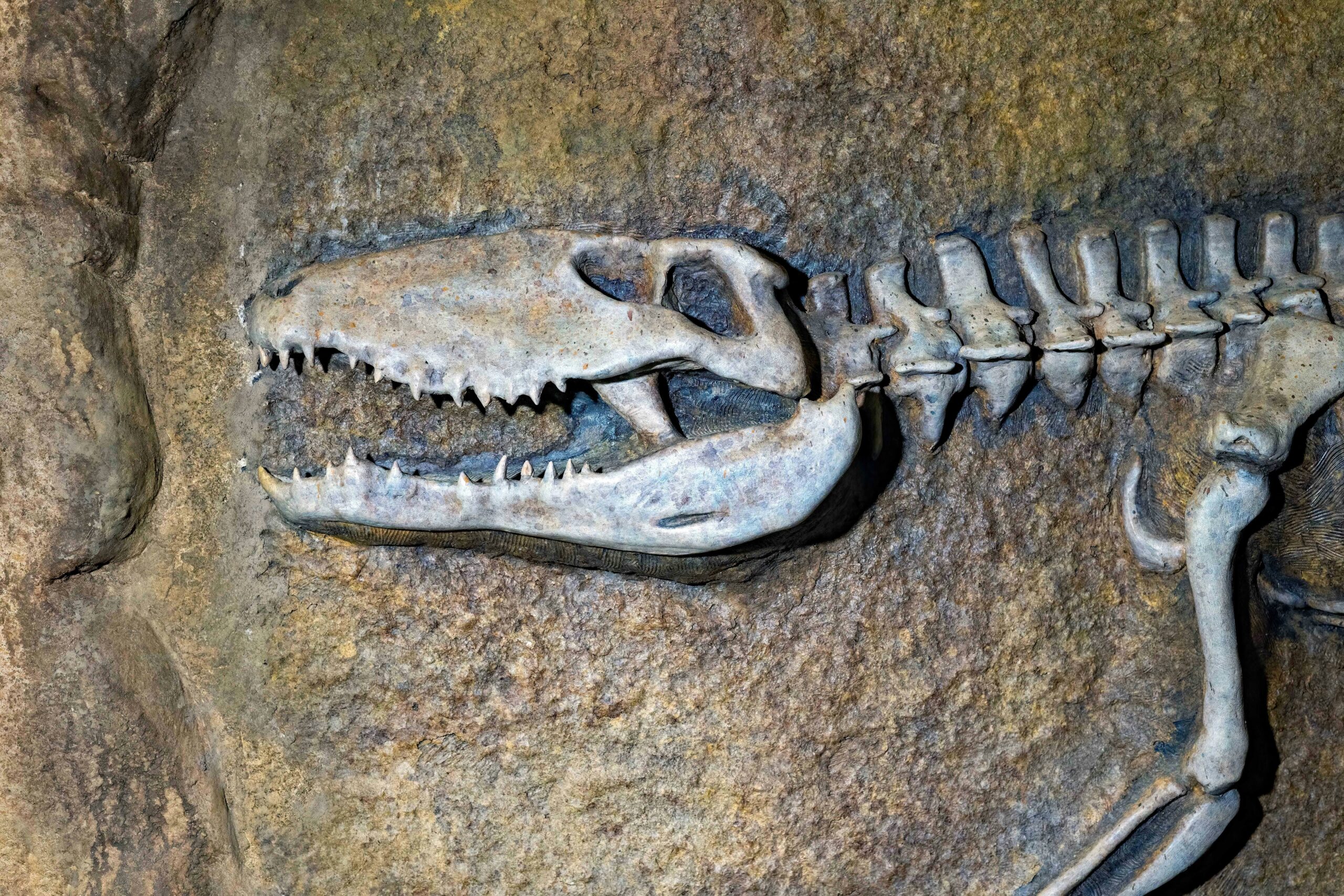
Echoes from the Ice: Unveiling the Frozen Worlds of Ancient Giants
The earth, in its vast and often inscrutable history, has witnessed epochs populated by creatures that dwarf the imagination. These titans of the past, the megafauna, roamed continents and oceans in a time before human civilization, their lives intertwined with landscapes now sculpted by millennia of change. While their existence is often relegated to fossilized bones and speculative reconstructions, a remarkable phenomenon allows us to glimpse these creatures with an astonishing degree of fidelity: the frozen time capsules of permafrost. Within these eternally frozen soils, scattered across the high latitudes of our planet, lie the remarkably preserved remains of these ancient giants, offering an unparalleled window into a lost world. From the woolly mammoth and the saber-toothed cat to the giant sloth and the woolly rhinoceros, these creatures, frozen in time, provide invaluable scientific data, challenging our understanding of ancient ecosystems and the very nature of extinction. The unearthing of these prehistoric relics is not merely an archaeological endeavor; it is an expedition into the heart of deep time, a journey facilitated by the silent, icy sentinels that have guarded these biological treasures for tens of thousands of years.
Recent discoveries of frozen time capsules containing ancient megafauna remnants have captivated scientists and enthusiasts alike, shedding light on the Earth’s prehistoric ecosystems. These remarkable finds, often preserved in permafrost, provide invaluable insights into the lives of creatures that roamed the planet thousands of years ago. For those interested in exploring more about such accidental discoveries, you can read a related article on this topic at Real Lore and Order.
The Permafrost Panoply: A Natural Refrigerator of Prehistory

Permafrost, defined as ground that remains frozen for two or more consecutive years, acts as nature’s most extraordinary refrigerator. Vast swathes of Siberia, Alaska, Canada, and other arctic and subarctic regions are underlain by permafrost, a frozen stratum that can extend hundreds of meters deep. These frigid environments are ideally suited for preserving organic material, including the soft tissues, fur, internal organs, and even the stomach contents of ancient animals. Unlike bone fossils, which represent mineralized remnants, permafrost preserves the biological structures that allow for a more intimate and detailed study of extinct species. The anaerobic conditions within the permafrost, coupled with the extreme cold, significantly slow down decomposition, effectively halting the biological processes that would otherwise degrade organic matter. This remarkable preservation allows scientists to examine not just the skeletal structure but also the physiology, diet, and even the genetic makeup of these ancient creatures, painting a far richer and more nuanced picture than traditional fossil discoveries alone could provide. The sheer abundance and the astonishing state of preservation of these finds are a testament to the power of these frozen landscapes to act as repositories of prehistoric life.
The Siberian Spectacle: A Hotspot for Mammoth Mysteries
Siberia, with its vast expanse of permafrost and its historical significance in paleontology, stands out as a premier location for the discovery of frozen megafauna. The Lyakhovsky Islands, in particular, have yielded an extraordinary number of well-preserved woolly mammoth carcasses. The unforgiving climate, coupled with geographical isolation, has created ideal conditions for preservation. The discovery of Lyuba, a remarkably intact baby mammoth, in 2007, sent waves of excitement through the scientific community. Her soft tissues, eyelashes, and even trunk were perfectly preserved, offering unprecedented insights into mammoth development and physiology. Beyond mammoths, Siberian permafrost has also yielded the remains of other iconic Ice Age mammals, including woolly rhinoceroses, cave bears, and ancient horses, each discovery contributing to a more comprehensive understanding of the Pleistocene megafauna and the ecosystems they inhabited. The ongoing exploration of these Siberian landscapes promises to continue unveiling more secrets from the frozen past, further illuminating the lives and times of these magnificent extinct beings.
Alaskan Archives: Glacial Graves of the Ice Age
Alaska’s frozen north also serves as a significant repository for Ice Age remnants. While perhaps not as famed for complete carcasses as Siberia, the Alaskan permafrost has yielded invaluable discoveries, often in the form of frozen flesh, bones, and even entire mummified animals unearthed by erosion or mining operations. The Klondike gold rush era, for instance, inadvertently exposed numerous ancient creatures frozen in the permafrost, leading to early paleontological investigations. The discovery of the “Blue Babe,” a 36,000-year-old wolf, showcasing intact fur and even internal organs, is a testament to the exceptional preservation found in Alaskan permafrost. These finds provide crucial data on the biodiversity of the Ice Age Beringia land bridge, a critical migratory corridor for many species, including humans, between Asia and North America. The ongoing research in Alaska continues to refine our understanding of these ancient ecosystems and the forces that shaped them.
Canadian Caches: Unearthing Northern Giants
Canada’s vast northern territories, characterized by extensive permafrost regions, are also emerging as significant sites for the discovery of frozen megafauna. While large, complete carcasses are rarer than in Siberia, the permafrost has preserved numerous fragments, bones, and even partially mummified remains that offer vital clues about the ancient inhabitants of this region. The Yukon Territory, in particular, has a rich history of paleontology, with finds contributing to our understanding of the megafauna that populated the Beringian landscape. Discoveries of mammoths, horses, and bison, often found alongside evidence of early human activity, underscore the interconnectedness of these ancient environments and the creatures that called them home. As exploration and research in these remote northern regions continue, it is highly probable that more frozen time capsules will be unearthed, further enriching our knowledge of prehistoric Canada.
The Science of Thawing: Unlocking Biological Secrets

The unearthing of frozen megafauna is not merely a matter of excavation; it is a sophisticated scientific undertaking that leverages cutting-edge technologies to extract as much information as possible from these delicate relics. The process of extraction, stabilization, and analysis requires meticulous care to prevent degradation and to maximize the scientific yield. Once a specimen is located, often through remote sensing or by chance encounters due to permafrost thaw and erosion, a careful excavation process begins. This is typically done in frigid conditions to maintain the integrity of the tissues. The specimens are then transported to specialized laboratories where they are carefully thawed, studied, and preserved. This meticulous approach ensures that each discovery contributes meaningfully to our understanding of ancient life.
DNA Deep Dive: Reconstructing Evolutionary Trees
Perhaps one of the most revolutionary aspects of studying frozen megafauna is the ability to extract and analyze ancient DNA (aDNA). The extreme cold of permafrost acts as a powerful preservative for genetic material, allowing scientists to sequence the genomes of extinct species. This has revolutionized our understanding of evolutionary relationships, migration patterns, and the genetic diversity of these ancient populations. For instance, studies of mammoth DNA have revealed their close relationship to modern-day elephants and have shed light on their evolutionary history and the reasons for their eventual extinction. The ability to sequence ancient DNA also opens the door to understanding adaptations to cold climates, disease resistance, and even the color of their fur. The genetic insights gleaned from these frozen remains are fundamentally reshaping our understanding of life’s history on Earth.
Paleo-Dietary Puzzles: A Glimpse into Ancient Appetites
The stomach contents of frozen megafauna are invaluable time capsules in themselves, offering a direct snapshot of their last meals and, by extension, the flora of their ancient environments. By analyzing the undigested plant matter, scientists can reconstruct the dietary habits of these animals with remarkable accuracy. This provides crucial data on the composition of ancient grasslands, forests, and other ecosystems, helping to paint a picture of the food webs and ecological dynamics of the Pleistocene. The discovery of specific plant species, some of which may be extinct or have significantly shifted their geographical distribution, offers insights into past climate conditions and environmental changes. This detailed understanding of ancient diets allows for more accurate ecological modeling and a deeper appreciation of the complex relationships between herbivores and their environment.
Pathological Proofs: Understanding Ancient Ailments
The remarkably preserved soft tissues of frozen megafauna can also reveal evidence of diseases and parasites that afflicted these ancient creatures. The study of ancient pathologies can provide insights into the health of prehistoric populations, the evolution of diseases over time, and the potential impact of pathogens on extinction events. For example, evidence of parasitic infections or injuries can help researchers understand the challenges faced by these animals and the factors that may have contributed to their decline. This area of research bridges paleontology with ancient veterinary science, offering a unique perspective on the biological struggles of long-extinct species.
The Perils of Thawing: Climate Change and the Race Against Time
While permafrost has been a guardian of ancient secrets, the accelerating pace of global climate change poses a significant threat to these irreplaceable natural archives. As global temperatures rise, permafrost is beginning to thaw at an unprecedented rate, releasing trapped organic matter and, with it, the potential for irreversible degradation of these precious fossils. This thaw is not just a scientific concern; it also presents potential health risks as long-dormant microbes are released into the environment. The race is on to study and preserve these findings before they are lost to decomposition and the ravages of a warming world. The urgency of this situation underscores the critical need for increased international cooperation and funding for permafrost research and conservation efforts.
Microbial Mayhem: The Specter of Ancient Pathogens
The thawing of permafrost raises concerns about the release of ancient microorganisms, including bacteria and viruses that have been dormant for millennia. While the risk to human health from these ancient pathogens is generally considered low, it is not zero. Scientists are actively monitoring permafrost thaw for the potential emergence of novel or re-emergent diseases. The discovery of viable ancient bacteria, such as those found in Siberian permafrost, highlights the potential for these frozen environments to harbor viable biological agents. This necessitates a cautious and well-researched approach to permafrost exploration and encourages robust biosecurity protocols.
Ecosystemic Erosion: The Loss of Irreplaceable Data
Beyond the immediate concern of pathogens, the thawing of permafrost leads to the physical erosion of the landscapes that hold these ancient remnants. As the frozen ground destabilizes, entire ecosystems are altered, and the delicate balance that has preserved these fossils for so long is disrupted. This erosion can lead to the scattering or complete destruction of valuable specimens, rendering them unrecoverable for scientific study. The loss of these frozen time capsules represents a permanent loss of invaluable scientific data, hindering our ability to understand the history of life on Earth, past climate changes, and the evolutionary trajectories of extinct species. The speed at which this erosion is occurring is a stark reminder of the profound impact of climate change on our planet’s natural heritage.
Recent discoveries of frozen time capsules containing ancient megafauna remnants have sparked significant interest among scientists and historians alike. These remarkable finds not only provide insight into the ecosystems of the past but also raise questions about the impact of climate change on our current environment. For those curious about how such historical artifacts might influence modern society, an intriguing article discusses the implications of government actions on valuable resources, which can be found here. Understanding these connections can deepen our appreciation for both our natural history and the challenges we face today.
The Future of Frozen Finds: Preservation and Exploration
| Time Capsule Location | Age (Years) | Megafauna Species | Type of Remnant | Preservation Condition | Significance |
|---|---|---|---|---|---|
| Siberian Permafrost | 10,000 – 40,000 | Mammoth (Mammuthus primigenius) | Frozen carcasses, tusks, hair | Excellent – soft tissues intact | Genetic studies, cloning potential |
| Alaskan Ice Patches | 5,000 – 15,000 | Bison (Bison priscus) | Frozen bones and hide | Good – partial soft tissue preservation | Climate and migration insights |
| Canadian Arctic Permafrost | 20,000 – 30,000 | Woolly Rhinoceros (Coelodonta antiquitatis) | Bone fragments and horn | Moderate – mineralized bones | Evolutionary biology research |
| Greenland Ice Sheet | Up to 50,000 | Giant Ground Sloth (Megatherium) | Frozen muscle tissue | Fair – partial tissue degradation | Extinction timeline data |
| Patagonian Glaciers | 8,000 – 12,000 | Giant Short-faced Bear (Arctodus simus) | Bone and fur samples | Good – well-preserved fur | Habitat and diet reconstruction |
The ongoing discovery and study of frozen megafauna are not just about unearthing the past; they are about informing our present and shaping our future. As climate change continues to impact permafrost regions, the methods and priorities of research are evolving. The focus is shifting from opportunistic discovery to a more strategic and proactive approach to both excavation and preservation. The ethical considerations surrounding the handling of these ancient remains, as well as the repatriation of specimens to indigenous communities, are also becoming increasingly important.
Global Collaboration: A United Front Against Time
The study of frozen megafauna is an inherently global endeavor, requiring collaboration among scientists, institutions, and governments worldwide. Sharing data, resources, and expertise is crucial for maximizing the scientific output from these discoveries. International research expeditions, joint funding initiatives, and standardized protocols for sample collection and analysis are essential for advancing our understanding of these ancient giants and the world they inhabited. The complexity of the challenges, from the vastness of the permafrost regions to the global nature of climate change, necessitates a unified approach to ensure that these invaluable remnants of Earth’s history are studied and preserved for generations to come.
Technological Frontiers: Enhancing the Art of Discovery
Advancements in technology are continuously enhancing our ability to discover, excavate, and analyze frozen megafauna. Remote sensing technologies, such as satellite imagery and ground-penetrating radar, are becoming increasingly sophisticated in identifying potential sites of interest within vast permafrost regions. Robotic exploration and drones are also being utilized to survey remote and hazardous areas. Furthermore, advancements in imaging techniques, such as micro-CT scanning, allow for non-destructive analysis of delicate specimens, revealing intricate details without the need for invasive procedures. These technological innovations are pushing the boundaries of what is possible in paleontology and are crucial for efficiently exploring and preserving our planet’s frozen heritage.
Ethical Excavations: Respecting the Past and Present
As our ability to unearth and analyze these ancient remains grows, so too does our responsibility to do so ethically. This includes respecting the cultural heritage of indigenous communities in permafrost regions, many of whom have deep historical and spiritual connections to these lands and the creatures that once roamed them. Collaborative research initiatives that involve local communities, prioritize knowledge sharing, and ensure equitable benefit are becoming the standard. Furthermore, careful consideration is given to the long-term preservation of specimens, ensuring that they are not merely collected but are also curated and made accessible for future research and public education, while also addressing the potential release of ancient microbes and the broader ecological impacts of permafrost thaw. The ongoing study of frozen time capsules is a testament to humanity’s enduring curiosity and our evolving understanding of our place within the grand tapestry of life on Earth, a tapestry woven across eons and preserved in the silent, icy embrace of the frozen north.

Beneath the Ice: Surviving the Ice Age 20,000 Years Ago
FAQs
What are frozen time capsules?
Frozen time capsules are natural environments where ancient remains are exceptionally well-preserved due to being frozen in ice or permafrost for thousands of years.
What is megafauna?
Megafauna refers to large or giant animals that lived during the Pleistocene epoch, such as mammoths, saber-toothed cats, and giant ground sloths.
Where have frozen time capsules containing ancient megafauna remnants been found?
Frozen time capsules containing ancient megafauna remnants have been found in regions like Siberia, Alaska, and the Yukon, where the cold temperatures and permafrost have helped preserve the remains.
How do scientists study ancient megafauna remnants found in frozen time capsules?
Scientists study ancient megafauna remnants found in frozen time capsules by extracting DNA samples, analyzing isotopes, studying bone structures, and using radiocarbon dating techniques to learn more about these prehistoric creatures.
What can the study of ancient megafauna remnants found in frozen time capsules tell us about the past?
The study of ancient megafauna remnants found in frozen time capsules can provide insights into the climate, environment, behavior, and extinction of these prehistoric animals, helping us better understand Earth’s history and the impact of environmental changes on biodiversity.