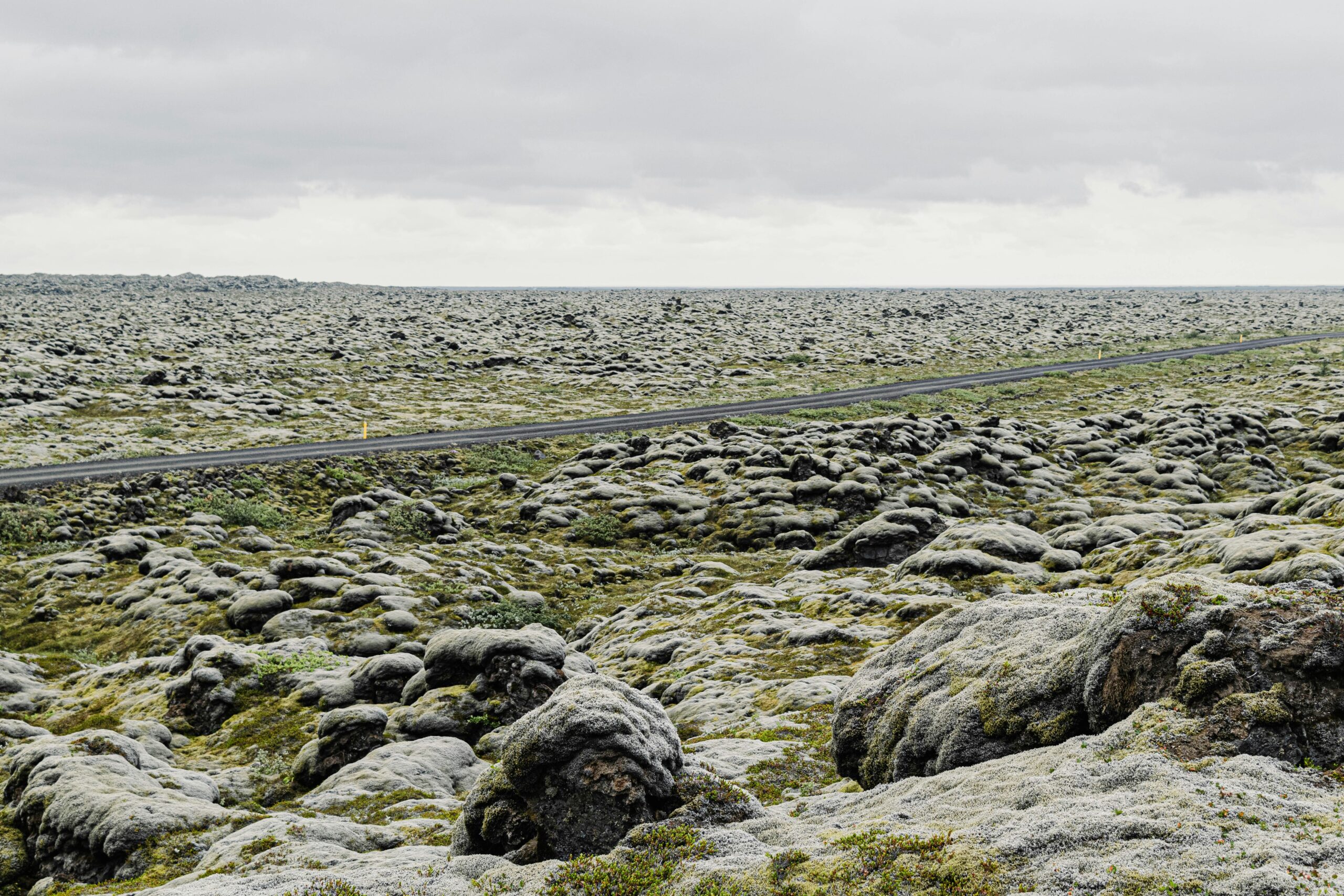
The biting wind, a constant companion across the vast, treeless expanse, has sculpted not just the land but also the very narrative of human origins. For millennia, early humans navigated these formidable tundra landscapes, their footprints, though long eroded, leaving behind a compelling tale etched in stone and bone. Tracing these ancient journeys across these frozen frontiers offers a profound glimpse into the resilience, adaptability, and cognitive prowess of our distant ancestors. This exploration delves into the challenges faced, the ingenious strategies employed, and the groundbreaking discoveries that illuminate these remarkable migrations, painting a picture of a humanity not confined to temperate havens, but one that actively conquered the harsh beauty of the ancient tundra.
Echoes in the Ice: The Unfolding Narrative of Arctic Migration
The story of humans venturing into tundra environments is not one of a gradual, hesitant step, but rather a testament to rapid expansion and remarkable adaptation. While the popular imagination often paints early humans as inhabitants of warmer climes, archaeological evidence increasingly reveals a far more expansive and adventurous lineage. These migrations were not merely about survival; they were about pioneering new territories, exploiting novel resources, and ultimately, reshaping the human story. The tundra, often perceived as an inhospitable void, was in fact a dynamic and resource-rich ecosystem, albeit one that demanded a unique set of skills and knowledge to thrive within. Understanding these early journeys requires appreciating the environmental conditions of the time and the evolutionary pressures that spurred these groundbreaking movements.
The Pleistocene Crucible: Environmental Context of Early Tundra Colonization
The period during which early humans first ventured into tundra landscapes, primarily the Pleistocene epoch, was characterized by dramatic climatic fluctuations. While often associated with glacial periods, the Pleistocene also saw interglacial periods of relative warmth. However, even during these warmer phases, vast regions that are today covered by forests or grasslands would have presented a tundra-like environment. These landscapes were defined by permafrost, low-growing vegetation adapted to short growing seasons and intense cold, and a distinct fauna. The presence of megafauna, such as woolly mammoths, rhinoceroses, and ancient horses, would have been a significant draw for early human hunter-gatherers, offering abundant food sources and materials for toolmaking and shelter. Understanding the specific environmental conditions of these ancient tundras, including their flora, fauna, and hydrological systems, is crucial to reconstructing the routes and strategies of early human migration. For instance, the availability of migratory routes for herd animals would have dictated human movement, and the presence of frozen rivers or lakes could have served as both obstacles and pathways.
Technological Ingenuity: Tools for a Frozen World
The ability to adapt to and exploit the tundra environment was intrinsically linked to the development and refinement of sophisticated toolkits. Early humans did not enter these landscapes unprepared; they brought with them, and continued to innovate, technologies that were essential for survival. These tools were not merely for hunting; they were integral to every aspect of life in the harsh tundra. From procuring food and processing hides to constructing shelter and managing fire, their technological repertoire was a direct reflection of their understanding of the environment and their ability to manipulate it. The discovery of specific tool types in tundra contexts provides invaluable clues about the subsistence strategies and cultural practices of these early populations.
Lithic Technologies: Crafting Survival from Stone
The primary evidence for early human presence in tundra regions often comes from lithic scatters – concentrations of stone tools and their manufacturing debris. The types of stone selected, the techniques used for knapping, and the resulting tool forms all speak volumes about the adaptive capabilities of these early groups. For example, the development of finely crafted projectile points, such as those associated with the Upper Paleolithic, would have been essential for hunting the large, fast-moving megafauna that populated these areas. The presence of scrapers and awls made from stone indicates the importance of processing animal hides for clothing, shelter, and other essential items. Furthermore, the study of lithic sourcing can reveal information about the extent of human mobility and the trade networks that may have existed, even in these seemingly remote landscapes.
Beyond Stone: Bone, Antler, and the Harnessing of Organic Materials
While stone tools form the bedrock of much archaeological evidence, early humans in tundra environments also expertly utilized organic materials. Bone and antler, readily available from the animals they hunted, were transformed into a variety of implements. Harpoons, needles, and spatulas crafted from these materials demonstrate a sophisticated understanding of their properties and a mastery of carving and shaping. The development of bone needles, for instance, was a critical innovation, enabling the sewing of animal hides into durable and warm clothing, a necessity for surviving prolonged exposure to extreme cold. The presence of these organic artifacts, though often less well-preserved than stone, provides a more complete picture of the technological adaptations that facilitated tundra colonization.
Recent studies on early human movements across tundra regions have shed light on the adaptive strategies of our ancestors in response to changing climates. These findings are crucial for understanding how early populations navigated and settled in harsh environments. For a deeper exploration of how ancient civilizations interacted with their surroundings, you may find the article on ancient astronomy particularly insightful, as it discusses the ways in which early humans used celestial navigation to traverse vast landscapes. You can read more about this fascinating topic in the article available at Uncovering Ancient Astronomy Secrets.
Navigating the Periglacial Frontier: Routes and Strategies
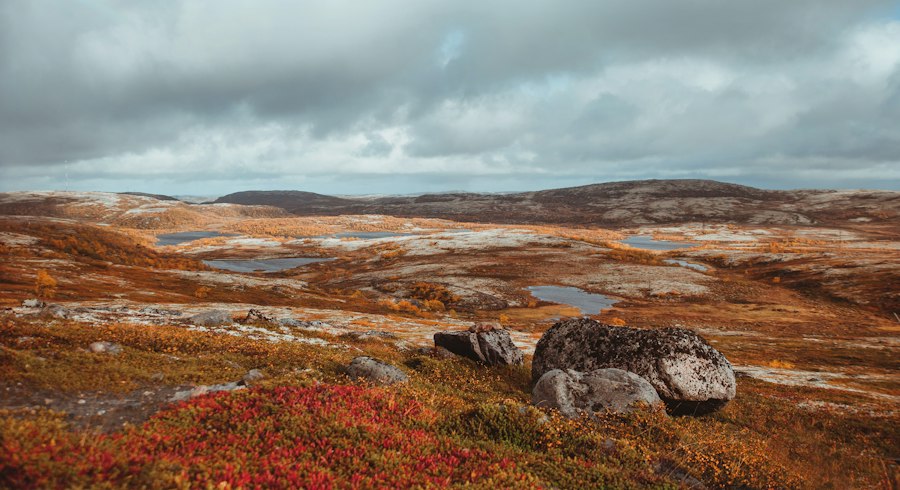
The successful colonization of vast tundra landscapes was not a random event. It required deliberate planning, a deep understanding of the terrain, and the development of effective strategies for movement, resource procurement, and social organization. These journeys were likely guided by an intimate knowledge of seasonal cycles, animal migrations, and the availability of critical resources like water and shelter. The archaeological record, while often fragmented, offers tantalizing clues about the routes taken and the methods employed by these intrepid pioneers.
Following the Herds: Megafauna as Navigational Guides
The presence of large herds of migratory megafauna, such as mammoths and caribou, would have been a primary determinant of early human movement across tundra landscapes. These animals provided not only a crucial food source but also facilitated travel. Following their established migration routes would have offered predictable pathways through otherwise trackless terrain, guiding humans towards areas with abundant resources. Archaeological sites often cluster along these presumed migratory corridors, with evidence of hunting and processing of these animals. The identification of specific species represented in faunal assemblages, and their temporal and spatial distribution, allows researchers to infer the hunting strategies and the movement patterns of early human groups. The ability to anticipate the seasonal movements of these herds would have been a hallmark of successful tundra adaptation.
Waterways and Ice Bridges: The Role of Frozen Landscapes
In a landscape dominated by permafrost, water bodies often present a unique challenge and opportunity. During warmer months, rivers and lakes would have been essential sources of fresh water and fishing grounds. However, during the long, cold winters, these same water bodies would transform into frozen highways. Early humans likely utilized frozen rivers, lakes, and even sea ice as natural pathways for travel, enabling them to traverse greater distances and access new territories. Evidence of coastal migrations, particularly in regions like Beringia (the land bridge connecting Asia and North America), strongly suggests the exploitation of sea ice for movement. The study of ancient coastlines and the distribution of archaeological sites can reveal the extent to which early humans integrated these frozen waterways into their travel networks.
Recent studies have shed light on the complex patterns of early human movements across tundra regions, revealing how climate and environmental changes influenced migration routes. For a deeper understanding of the challenges faced by early populations in fragile ecosystems, you can explore an insightful article that discusses the broader implications of human adaptation in vulnerable areas. This article can be found here, and it provides valuable context for the ongoing research into our ancestors’ resilience in the face of shifting landscapes.
Temporary Shelters and Nomadic Lifestyles: Adapting to Transient Resources
Life in the tundra was inherently nomadic for early human groups. The cyclical nature of resource availability, particularly the seasonal migrations of animals, necessitated a mobile lifestyle. Archaeological evidence of temporary shelters, such as the remains of simple tents or windbreaks, attests to the adaptability of these populations. These structures, often utilizing readily available materials like animal hides and bone, provided essential protection from the elements during their movements. The discovery of toolkits that are easily portable also supports the notion of a nomadic existence, where possessions were limited and designed for efficient transport. Understanding the spatial distribution of these temporary sites can help map out the territories exploited by these early groups and the duration of their stays in particular areas.
Evidence from the Edges: Key Archaeological Discoveries
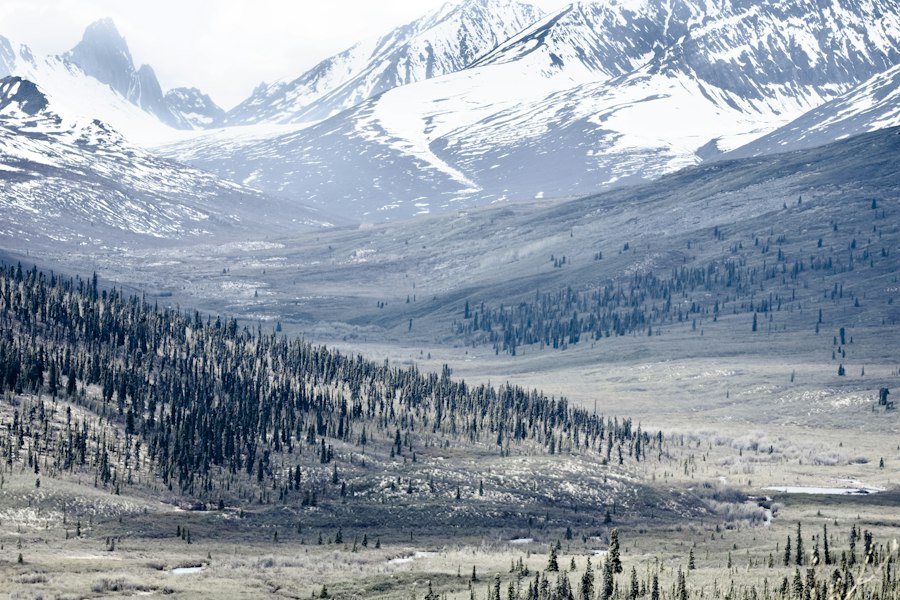
The story of early human journeys across ancient tundra landscapes is pieced together through a mosaic of archaeological discoveries scattered across continents. From the frozen north of Siberia to the northern reaches of North America, these sites, often preserved under challenging conditions, offer tangible proof of human presence and adaptation. Each find, whether a sophisticated tool or a carefully constructed dwelling, adds another layer to our understanding of these remarkable migrations.
Sites in the Siberian North: Pioneering the Eastern Frontier
Siberia, with its vast expanses of tundra and permafrost, has yielded some of the most significant evidence for early human occupation of high-latitude environments. Sites like the Denisova Cave and Mal’ta Boy provide insights into the lives of ancient hominins and early modern humans. The discovery of artifacts and faunal remains at these locations demonstrates that humans were not only present but actively thriving in these challenging conditions. The presence of sophisticated bone tools, decorative items, and evidence of controlled fire at these Siberian sites suggests a high level of cultural and technological development, challenging earlier assumptions about the limitations of human adaptation in extreme cold. The remarkable preservation afforded by the permafrost in some Siberian locations has also allowed for the recovery of organic materials and even ancient DNA, offering unparalleled insights into the genetics and lifeways of these early populations.
Beringia: The Crossroads of Continents
The land bridge of Beringia, which connected Asia and North America during glacial periods, was a critical corridor for human migration. This vast, treeless plain, encompassing parts of present-day eastern Siberia and western Alaska, was not a barren wasteland but a mosaic of tundra and steppe environments teeming with life. Archaeological sites within this region, such as the Diuktai Cave in Siberia and various sites in Alaska, provide crucial evidence for the timing and routes of the initial peopling of the Americas. The toolkits found in Beringia often share similarities with those found in northeastern Asia, suggesting a direct migration route. The environmental conditions of Beringia during the Pleistocene, characterized by a drier climate and more open landscapes than today, would have been conducive to human movement and settlement, making it a pivotal region in the story of global human dispersal.
The Far North of North America: Reaching the Arctic Circle
The eventual movement of humans into the high Arctic regions of North America represents one of the most remarkable feats of human adaptation. Archaeological sites in Canada and Greenland, such as those associated with the Pre-Dorset and Dorset cultures, reveal human presence in environments that are exceptionally challenging even today. The development of specialized hunting techniques, the construction of insulated dwellings, and the mastery of navigating icy waters were all essential for survival in these extreme latitudes. The timeline for human arrival in these areas is a subject of ongoing research, but the evidence points to a gradual expansion from Beringia into the truly Arctic zones, pushing the boundaries of human habitation to their furthest limits. The resilience and ingenuity displayed by these early Arctic inhabitants continue to inspire awe and underscore the remarkable capacity of humans to adapt to diverse and demanding environments.
Unraveling Mysteries: The Ongoing Quest for Knowledge
Despite significant advancements, the story of early human journeys across ancient tundra landscapes remains a dynamic and evolving field of research. New discoveries, coupled with the application of cutting-edge analytical techniques, continue to refine our understanding of these migrations. The challenges of excavating and interpreting evidence in permafrost environments, and the vastness of the regions involved, mean that many questions still linger, driving ongoing exploration and scientific inquiry. The quest to fully understand these ancient journeys is a testament to human curiosity and the enduring allure of our origins.
The Role of Paleogenetics: DNA as a Time Machine
The advent of paleogenetics has revolutionized our understanding of human migration. By extracting and analyzing ancient DNA from skeletal remains found in tundra regions, researchers can now trace the genetic lineages of early populations, their movements, and their relationships with other groups. This technology has provided direct evidence for interbreeding between different hominin species, such as Neanderthals and Denisovans, and the early ancestors of modern humans. Furthermore, genetic studies can shed light on the adaptations that allowed humans to thrive in cold climates, identifying genes that may have influenced metabolism, thermoregulation, and immune function. The analysis of ancient DNA from Siberian sites, for example, has offered profound insights into the genetic makeup and migratory patterns of early human populations that eventually populated the Americas.
Reconstructing Ancient Ecosystems: The Clues in the Sediments
Understanding the ancient tundra environments themselves is crucial for interpreting human behavior. Researchers employ a variety of techniques to reconstruct these past ecosystems, including the analysis of fossil pollen, phytoliths (microscopic silica structures in plants), and sediment cores. These studies provide information about the vegetation composition, climate, and landscape characteristics of the time, helping archaeologists to understand the resource base available to early humans and the environmental challenges they faced. For instance, identifying periods of permafrost thaw or glacial advance can help explain shifts in human settlement patterns or the availability of migratory routes. The interplay between human activity and environmental change in these ancient landscapes is a key area of ongoing investigation.
The Future of Tundra Archaeology: Challenges and Opportunities
The future of tundra archaeology holds immense promise, but also significant challenges. The rapid rate of climate change poses both a threat and an opportunity. Thawing permafrost can lead to the erosion and destruction of delicate archaeological sites, but it can also reveal previously buried artifacts and human remains that have been preserved for millennia. Continued international collaboration, technological innovation in dating and analysis, and a commitment to preserving these fragile landscapes are essential for unlocking the remaining secrets of early human journeys across the ancient tundra. The ongoing exploration of these frozen frontiers promises to continue to push the boundaries of our knowledge about human resilience, adaptability, and our deep connection to the planet.

Beneath the Ice: Surviving the Ice Age 20,000 Years Ago
FAQs
What is tundra?
Tundra is a biome characterized by low temperatures, short growing seasons, and permafrost. It is found in regions with cold climates, such as the Arctic and high mountain tops.
How did early humans navigate across tundra environments?
Early humans likely navigated across tundra environments by following animal migration routes, using landmarks, and utilizing their knowledge of the landscape acquired over generations.
What evidence is used to document early human movements across tundra?
Archaeological evidence such as tools, artifacts, and structures, as well as genetic studies of ancient human remains, are used to document early human movements across tundra regions.
Why is documenting early human movements across tundra important?
Studying early human movements across tundra can provide insights into human adaptation to extreme environments, migration patterns, and the spread of human populations throughout history.
What challenges do researchers face when documenting early human movements across tundra?
Researchers face challenges such as harsh weather conditions, limited accessibility to remote tundra regions, preservation of archaeological sites, and interpreting sparse evidence from ancient times.