The Perpetual Thaw: Adapting to Glacial Cycles and Sustaining Life
The Paleolithic era, a vast expanse of human history stretching for millions of years, was characterized by dramatic environmental fluctuations. Among the most significant were the glacial and interglacial cycles, periods of intense cold and widespread glaciation interspersed with warmer, more temperate intervals. For early hominins, the ability to navigate these frigid landscapes, particularly the challenges posed by frozen water sources, was not merely an inconvenience but a fundamental prerequisite for survival. This article explores the critical role that accessing and utilizing unfrozen water played in the tenacious existence of prehistoric humans, examining the environmental context, the behavioral adaptations, and the technological innovations that allowed them to persevere through millennia of ice.
The Pleistocene epoch, often referred to as the “Ice Age,” was defined by these cyclical shifts. Glacial periods saw massive ice sheets advance across much of the Northern Hemisphere, drastically altering landscapes, lowering sea levels, and profoundly impacting the availability of liquid water. Interglacial periods offered respite, with ice sheets retreating and ecosystems recovering. However, even during these warmer phases, water sources could still be transient or difficult to access, particularly in higher latitudes or altitudes that remained prone to seasonal freezing. The very rhythm of life for early humans was thus dictated by the presence or absence of liquid water. It was the ability to find, access, and manage these vital resources, especially in the face of ice, that likely shaped human migration patterns, social structures, and the development of early technologies. The challenges were immense: freezing temperatures, limited mobility due to ice and snow, and the constant threat of dehydration. Overcoming these hurdles required a remarkable degree of adaptability and ingenuity, qualities that have defined the human journey from its earliest beginnings.
The significance of unfreezing water sources for prehistoric survival cannot be overstated, as access to liquid water was crucial for the sustenance of early human communities. In exploring this topic further, one can refer to a related article that delves into the ancient climate and its impact on human evolution. This article, titled “Uncovering Ancient Climate Steering Secrets,” provides valuable insights into how climatic changes influenced water availability and, consequently, the survival strategies of prehistoric populations. For more information, you can read the article here: Uncovering Ancient Climate Steering Secrets.
The Frozen Frontier: Water Scarcity and Survival
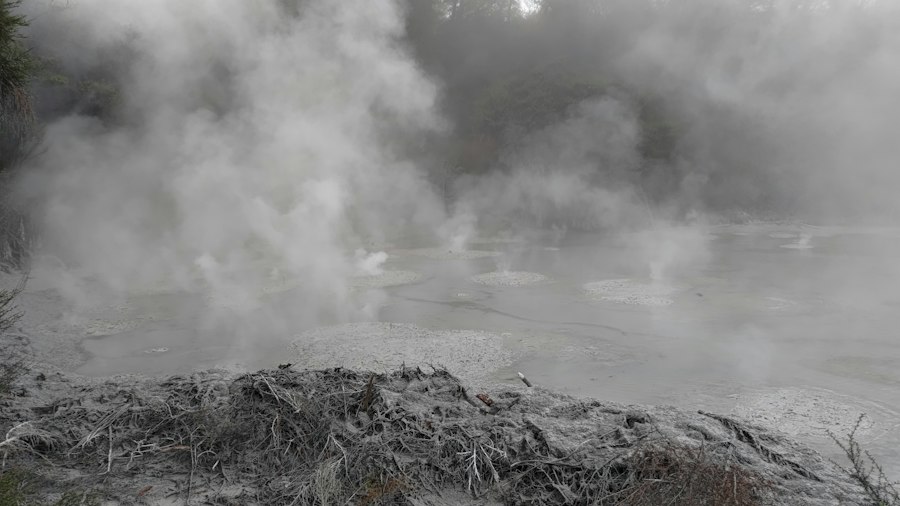
The impact of glacial cycles on water availability was profound and far-reaching. As temperatures plummeted, vast expanses of land became entombed in ice, transforming once-familiar landscapes into formidable barriers. Rivers, lakes, and even coastal waters could freeze over, rendering them inaccessible for drinking and other essential uses. This not only created immediate threats of dehydration but also disrupted the entire ecological balance, affecting the distribution of prey animals and edible plants that early humans relied upon.
The Perils of Perpetual Cold
During glacial periods, the most immediate and pressing challenge was the sheer scarcity of liquid water. Surface water bodies, the primary sources for most early human groups, would freeze solid for extended periods. This meant that simply walking to a river or a lake was no longer a viable option. The consequences of prolonged water scarcity are severe, leading to dehydration, impaired cognitive function, and ultimately, death. For hominin populations, especially those with limited mobility or located in particularly harsh environments, this posed an existential threat. The ability to survive without readily available surface water for even a few days could be the difference between life and extinction. This constant pressure likely drove early humans to develop strategies for locating and accessing water that were far more sophisticated than those of other hominin species. The challenges were not confined to the surface; even groundwater could become difficult to access as permafrost deepened and soil froze.
Adapting to a Solidified World
Survival in these frigid conditions necessitated a radical rethinking of water acquisition strategies. Early humans could not simply wait for the thaw. They had to actively seek out and exploit any available sources, however limited or challenging. This involved developing a deep understanding of the local environment, recognizing subtle indicators of subsurface water, and employing various methods to access it. This period of intense selective pressure likely favored individuals and groups who were more innovative and resourceful in their water procurement. The development of toolkits, social cooperation, and knowledge transmission became paramount for navigating these frozen landscapes. The constant need to find water undoubtedly influenced migration patterns, pushing populations towards areas with more favorable conditions or where water could be accessed year-round. This might include coastal areas where saltwater intrusion could keep some water unfrozen, or areas with geothermal activity.
The Interconnectedness of Water and Life
The availability of water was not an isolated concern; it was intrinsically linked to the entire ecosystem that sustained prehistoric human populations. Frozen landscapes meant a scarcity of plant life and a disruption of animal migration routes. Herbivores, essential prey animals, would either migrate to warmer regions or perish, taking their hunters with them. The limited vegetation that did survive was often buried under snow or frozen, making foraging a difficult and energy-intensive task. This interconnectedness meant that water scarcity was often accompanied by food scarcity, compounding the survival challenges. The ability to find water therefore often meant the ability to find food, as many animals would congregate around the few remaining unfrozen water sources. The presence of water was a beacon of life in an otherwise desolate and frozen world.
Ingenuity in Ice: Unfreezing and Accessing Vital Liquids

Faced with the omnipresent threat of frozen water, early humans developed a remarkable repertoire of strategies and rudimentary technologies to overcome these obstacles. These adaptations were not static but evolved over time, demonstrating the adaptive capacity of our ancestors in response to persistent environmental pressures.
The Quest for Subsurface Springs and Seeps
One of the most fundamental strategies involved the identification and exploitation of subsurface water sources that remained liquid below the frozen surface. Early humans likely possessed an intimate knowledge of their environments, recognizing geological formations, vegetation patterns, and animal behavior that indicated the presence of hidden springs or seeps. Areas with porous rock, fault lines, or geothermal activity would have been prime targets. The ability to locate these sources, often concealed beneath layers of snow and ice, would have been a critical survival skill. This involved keen observation and a deep understanding of hydrological processes, even if not articulated in formal scientific terms. The accumulation of knowledge about such locations within a community would have been a vital element of cultural transmission, ensuring that future generations could benefit from this hard-won wisdom.
The Art of Meltwater Harvesting
During periods of even brief temperature rises, or at the edges of glacial retreats, meltwater would become a crucial resource. Early humans learned to harness this transient water supply. This could involve collecting water from melting snowdrifts, from the surfaces of glaciers themselves (though this would have been a dangerous endeavor), or from the transient streams that formed as ice melted. The development of rudimentary containers, perhaps made from animal skins or woven plant materials, would have been essential for storing and transporting this precious liquid. The ephemeral nature of meltwater meant that efficient collection and storage were paramount. Imagine groups following the receding edges of glaciers, capitalizing on the brief window of opportunity before the water refroze or evaporated.
Primitive Plumbing and Excavation
To access deeper or more substantial water sources that remained unfrozen beneath the surface, early humans likely employed basic excavation techniques. This could involve digging shallow wells in areas where groundwater was known to be close to the surface, or in riverbeds that might still have flowing water beneath the ice. The development of stone tools, such as hand axes and picks, would have facilitated this process, allowing them to break through frozen soil and ice. The creation of rudimentary channels or conduits to direct water from a source to a more accessible location would also have been a significant innovation. These early forms of “plumbing” would have required a sophisticated understanding of gravity and water flow. The efforts involved in such endeavors would have been considerable, requiring sustained physical exertion and coordinated group effort.
Beyond the Ice Age: Water Management in a Shifting Climate
The ability to manage water resources was not solely about surviving the most extreme glacial conditions. Even during the warmer interglacial periods, water availability could be unpredictable, and the lessons learned during the ice ages continued to inform human behavior and technological development.
The Importance of Seasonal Planning
While interglacial periods offered more abundant water, they were still subject to seasonal variations. Rivers could dry up in warmer months, and rainfall patterns could be inconsistent. Prehistoric human groups, having experienced the severity of water scarcity, would have developed sophisticated seasonal planning strategies. This would have involved mapping out water sources that remained reliable throughout the year, identifying those that were seasonal, and developing strategies for storing water or migrating to areas with more consistent supplies during dry periods. This foresight and planning were crucial for maintaining stable populations and avoiding the risks associated with drought. The knowledge of where to find water during the driest months, or how to store water from periods of plenty, would have been a critical aspect of survival.
The Role of Fire in Water Accessibility
Fire played a multifaceted role in making water accessible. Beyond its use for warmth and cooking, fire could be employed to melt ice and snow, providing a direct source of drinking water. It could also be used to thaw frozen ground, facilitating the digging of wells or the access to subsurface springs. Furthermore, fire could be used to dry out animal hides and plant materials, which could then be fashioned into containers for water storage. The mastery of fire, therefore, was intrinsically linked to the mastery of water, creating a feedback loop where advancements in one area directly benefited the other. The ability to control and manipulate fire would have been a transformative advantage in overcoming the challenges of accessing water in cold climates. This might have involved using fire to clear ice around a water source, or to melt snow in a strategically placed depression.
Early Water Storage and Transportation Innovations
The lessons learned from the need to conserve and transport water during glacial periods likely spurred innovation in storage and transportation technologies. As mentioned, rudimentary containers made from animal skins or woven materials would have been essential. The development of more durable and watertight vessels, perhaps through early forms of pottery or more refined leatherworking, would have significantly improved the ability of groups to carry water over longer distances or store it for longer periods. This allowed for greater mobility and the exploitation of resources in areas that were not immediately adjacent to reliable water sources. The ability to transport water efficiently meant that human groups could venture further from established water sources, opening up new territories for exploration and settlement.
The ability to unfreeze water sources was crucial for prehistoric survival, as it allowed early humans to access vital hydration during harsh winter months. This adaptability not only ensured their survival but also facilitated the development of early communities. For a deeper understanding of how ancient technologies played a role in such survival strategies, you can explore this related article on lost high technology in a fascinating documentary that sheds light on the ingenuity of our ancestors. Check it out here.
Migration and Settlement: Water as a Geographical Driver
| Metric | Description | Importance for Prehistoric Survival | Estimated Impact |
|---|---|---|---|
| Access to Liquid Water | Availability of unfrozen water sources during cold seasons | Essential for hydration and daily survival | High – Directly linked to survival rates in winter |
| Water Source Reliability | Consistency of water availability throughout the year | Critical for planning migration and settlement | Medium to High – Influenced movement patterns |
| Proximity to Water | Distance from living sites to unfrozen water sources | Reduced energy expenditure and exposure to predators | High – Closer proximity increased survival odds |
| Water Quality | Purity and safety of unfrozen water for consumption | Prevention of waterborne diseases | Medium – Affected health and longevity |
| Seasonal Ice Melt Timing | Period when frozen water sources become accessible | Determined timing of resource availability and migration | Medium – Influenced seasonal behaviors |
| Availability of Alternative Water Sources | Presence of springs, geothermal pools, or flowing streams | Provided critical water during freezing conditions | High – Increased survival during harsh winters |
The availability of unfrozen water was a primary factor influencing the migration patterns and settlement locations of prehistoric human populations. As early humans dispersed across the globe, their journeys were invariably guided by the presence of this essential resource.
Following the Watercourses: Routes of Human Expansion
The major river systems and coastlines, which often remained less prone to complete freezing even during glacial periods, would have served as natural highways for human expansion. Early hominins would have likely followed these watercourses, both for drinking water and for the abundant plant and animal life they supported. This pattern of migration along water routes is evident in the archaeological record, with early human sites often found in close proximity to rivers, lakes, and coastal areas. These watercourses provided not only sustenance but also a degree of predictability in an otherwise unpredictable environment. The very routes of human dispersal across continents were likely dictated by the presence of liquid water.
Establishing Settlements: The Proximity Principle
The establishment of permanent or semi-permanent settlements was heavily influenced by the reliable availability of water. Human groups would have sought locations that offered consistent access to drinking water, minimizing the need for constant migration in search of this vital resource. This led to the development of villages and camps in areas with springs, perennial rivers, or reliable rainfall. The ability to establish a more sedentary lifestyle, in turn, fostered the development of more complex social structures, specialized labor, and the accumulation of material culture. The strategic selection of settlement sites based on water availability was a crucial step in the evolution of human civilization. The long-term viability of a settlement was inextricably linked to its water security.
The Impact of Glacial Retreat and Advance on Settlement Patterns
The cyclical nature of glacial and interglacial periods would have led to dynamic shifts in human settlement patterns. During glacial advances, populations might have been forced to retreat to warmer, more southerly regions or to areas with less severe freezing. Conversely, as glaciers retreated during interglacial periods, new territories would become accessible, leading to expansion and the establishment of new settlements. This constant ebb and flow, dictated by the shifting ice sheets and the availability of water, shaped the demographic landscape of the prehistoric world. The very shape of human habitation across the globe was a testament to their ongoing negotiation with the forces of glaciation and the persistent need for liquid water.
The ability to unfreeze water sources was crucial for prehistoric survival, as access to fresh water directly impacted the health and sustenance of early human communities. In a fascinating exploration of ancient survival strategies, one can delve into the importance of resource management in harsh climates. For a deeper understanding of how such themes resonate through time, you might find the article on a captivating documentary about lost power and survival strategies insightful. To learn more, visit this article.
The Enduring Legacy: Water Security and Human Resilience
The challenges posed by frozen water sources during the Paleolithic era left an indelible mark on human evolution. The adaptations developed to secure and utilize water contributed significantly to our species’ resilience, adaptability, and eventual global dominance.
The Development of Cognitive and Behavioral Flexibility
The constant need to problem-solve in the face of water scarcity fostered the development of advanced cognitive abilities, including observational skills, spatial reasoning, and foresight. Early humans who were more adept at recognizing subtle environmental cues, predicting water availability, and devising innovative solutions were more likely to survive and reproduce. This selective pressure likely contributed to the remarkable cognitive flexibility that characterizes Homo sapiens. The ability to learn from experience, adapt to new challenges, and transmit knowledge across generations was critical in this regard.
The Foundation for Technological Advancement
The quest for unfrozen water spurred the development of rudimentary tools and technologies that laid the groundwork for future innovations. The creation of containers, digging implements, and potentially even early forms of water management systems were all driven by the fundamental need for liquid. These early technologies, born out of necessity, provided the foundation upon which more complex tools and techniques would later be built. The ingenuity displayed in accessing water was a precursor to the vast technological advancements that would follow.
The Water-Centricity of Human Culture and Society
From the earliest nomadic hunter-gatherer groups to the development of early agricultural societies, water has remained a central element in human culture, spirituality, and societal organization. The memory of the struggles endured during the ice ages likely contributed to a deep reverence for water sources and a profound understanding of their value. This enduring connection to water continues to shape our world today, influencing everything from our agricultural practices and urban planning to our religious beliefs and artistic expressions. The profound impact of water on human history is a testament to the critical role it played in our very survival, particularly in overcoming the formidable challenge of a frozen planet. The legacy of the “unfreezing” imperative continues to resonate in our modern efforts to manage and conserve this vital resource.

Beneath the Ice: Surviving the Ice Age 20,000 Years Ago
FAQs
Why is unfreezing water sources important for prehistoric survival?
Unfreezing water sources was crucial for prehistoric survival as it provided access to clean drinking water, essential for hydration and preventing dehydration-related illnesses.
How did prehistoric humans unfreeze water sources?
Prehistoric humans unfroze water sources by using various methods such as building fires near ice or snow, using heated rocks to melt ice, or digging channels to redirect water to warmer areas.
What role did unfreezing water sources play in food preparation during prehistoric times?
Unfreezing water sources allowed prehistoric humans to access water for cooking, cleaning food, and processing ingredients, which were essential for food preparation and overall survival.
How did unfreezing water sources impact prehistoric communities’ ability to sustain agriculture?
Unfreezing water sources enabled prehistoric communities to irrigate crops, water livestock, and support agricultural activities, leading to increased food production and improved chances of survival.
What challenges did prehistoric humans face when unfreezing water sources for survival?
Prehistoric humans faced challenges such as extreme cold temperatures, limited access to tools for melting ice, and the need to constantly find new water sources as previous ones froze over, making survival a constant struggle.