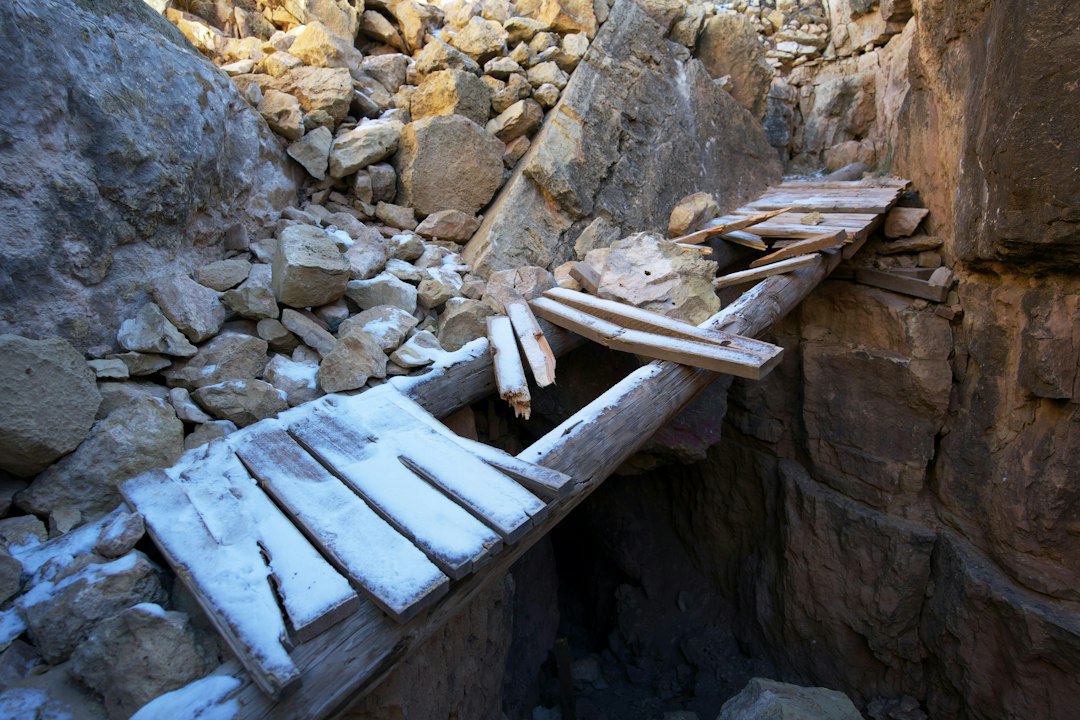
The Frozen Cradle: Glacial Environments and the Dawn of Toolmaking
The vast, icy landscapes of the Pleistocene epoch, often envisioned as static and barren, were in fact dynamic arenas that profoundly shaped the evolutionary trajectory of early hominins. These glacial interior environments, characterized by their extreme cold, seasonal variability, and unique resource distributions, presented formidable challenges that inadvertently fostered the development of cognitive abilities and technological innovations, most notably the genesis of primitive tool making. Understanding how our ancestors navigated and exploited these unforgiving terrains provides crucial insights into the very origins of human ingenuity and our enduring capacity to adapt.
In exploring the fascinating intersection of glacial interior environments and primitive tool making, one can gain deeper insights into how early humans adapted to harsh climates and utilized available resources. A related article that delves into the broader implications of ancient societies and their control over knowledge and power is available at Power and Knowledge: Ancient Elites Control. This piece provides context on how environmental factors influenced social structures and technological advancements in prehistoric times.
Ice Ages and the Shaping of Hominin Habitats

The Pleistocene, commonly known as the Ice Age, was punctuated by cycles of glacial advance and retreat. While often depicted as monolithic ice sheets covering much of the planet, these periods also saw significant alterations in regional climates, creating distinct ecotones and niches. In the interior regions of these glaciated continents, a harsh yet surprisingly diverse environment emerged, demanding a level of adaptability that pushed early hominins to their limits.
The Harsh Realities of Glacial Interiors
Glacial interiors were not uniformly covered in ice. Large ice sheets were confined to higher latitudes and altitudes, but their presence profoundly influenced surrounding areas. These “periglacial” zones, lying at the edge of the ice, experienced extremely cold temperatures, prolonged winters, and a highly seasonal resource availability. Vegetation was often sparse, dominated by cold-adapted grasses, sedges, and hardy shrubs. Large herbivores, such as mammoths, woolly rhinoceroses, and steppe bison, roamed these landscapes, forming the primary food source for hominin populations. However, these animals were also highly mobile, following migratory patterns dictated by the harsh seasons. Accessing and processing these large prey animals would have been impossible without specialized techniques and tools. The extreme cold itself presented a constant threat, necessitating the development of strategies for shelter, warmth, and protection from the elements. Exposure could lead to rapid hypothermia, making successful foraging and survival a daily struggle.
Opportunities Amidst the Austerity
Despite the overwhelming challenges, glacial interior environments also presented unique opportunities. The presence of large, calorie-rich megafauna provided a concentrated and potentially sustainable food source, albeit one requiring significant effort and skill to exploit. The relatively open landscapes, interspersed with refugia and water sources, may have facilitated early hominin social organization and communication. Furthermore, the abundance of certain geological materials, such as flint, chert, and quartzite, readily available from glacial till and exposed bedrock, provided the raw materials for early stone tool production. These materials, when fractured, produce sharp edges that are crucial for butchering, scraping, and other essential tasks. The very constraints imposed by the environment, such as the need to process carcasses quickly before they froze or decayed, and the requirement for efficient energy expenditure, likely acted as powerful selective pressures favoring those individuals and groups who could develop and utilize the most effective technologies.
The Emergence of the First Stone Tools

The earliest archaeological evidence of stone tool making, dating back over 3 million years, predates the full glacial periods of the Pleistocene. However, the development and refinement of these nascent technologies were undoubtedly accelerated and shaped by the demands of glacial environments. The Oldowan tool industry, characterized by simple choppers and flakes, represents a foundational step in this technological revolution.
The Oldowan Toolkit: Simplicity and Functionality
The Oldowan industry, named after Olduvai Gorge in Tanzania, is characterized by the production of sharp flakes by striking a core stone against another stone or surface. These flakes, though rudimentary by later standards, possessed incredibly sharp cutting edges. The tools produced included:
- Choppers: Larger, more robust tools used for smashing and breaking bones to access marrow, or for heavy-duty chopping of tough materials.
- Flakes: The byproducts of core reduction, but also valuable tools in themselves. Their sharp edges were ideal for skinning, dismembering carcasses, and scraping hides.
- Hammerstones: Used for striking cores to detach flakes, or for pounding and crushing.
The simplicity of Oldowan tools belies their profound significance. They represent a fundamental shift in hominin behavior, demonstrating a capacity for intentional modification of the environment to solve problems. The ability to process animal carcasses, for instance, significantly increased the nutritional yield from hunting and scavenging, providing essential fats and proteins that would have been difficult to obtain otherwise. This dietary expansion, facilitated by tool use, played a crucial role in brain evolution and the development of more complex social behaviors.
The Cognitive Leap: Intentionality and Planning
The creation of even the simplest Oldowan tools required a significant cognitive leap. It was not merely about finding naturally sharp stones, but about understanding the properties of certain materials and intentionally striking them in specific ways to produce desired shapes and edges. This involved:
- Conceptualization: An understanding that a particular type of stone, when struck in a certain manner, would yield a useful sharp edge.
- Planning: The selection of appropriate raw materials, the identification of suitable striking angles and forces, and the execution of the necessary blows.
- Motor Skills: The fine motor control required to strike the core with sufficient precision.
These cognitive abilities are indicative of a burgeoning capacity for problem-solving, foresight, and manual dexterity that would continue to develop and diversify throughout hominin evolution. The demands of glacial environments, with their pressing need for efficient food acquisition and processing, likely provided a powerful selective pressure favoring individuals with these enhanced cognitive and manipulative skills. The success of those who could fashion and effectively utilize these tools would have directly translated into better nutrition, improved survival rates, and increased reproductive success, driving the evolutionary trajectory towards more technologically proficient hominins.
Adapting to the Cold: Shelter, Fire, and Clothing
Beyond tool making, glacial environments forced early hominins to develop other critical survival strategies. The constant threat of the cold necessitated advancements in shelter construction, the control of fire, and the use of clothing. These innovations were not solely driven by immediate needs but also represented a growing mastery over the environment.
Constructing and Utilizing Shelters
In the frigid interior of glacial landscapes, natural shelters such as caves and rock overhangs would have been highly sought after. However, these were often limited and fiercely competed for. The development of constructed shelters, even rudimentary ones, would have been a significant advantage. Evidence suggests that early hominins utilized a variety of materials for shelter construction, including:
- Mammoth bones and tusks: Large bones and tusks could be used as structural elements for windbreaks or to support skins.
- Branches and brush: These could be woven or piled to create walls and roofs.
- Animal skins: Draped over these structures, skins would have provided crucial insulation against the wind and cold.
The construction of these shelters demonstrates foresight and planning, requiring the gathering of materials and the coordination of group effort. The ability to create a stable and insulated living space allowed hominins to conserve energy, protect themselves from the elements, and potentially provide a safe haven for vulnerable individuals, such as the young and elderly. The more permanent the shelter, the more likely it was to support long-term occupation and resource exploitation within a specific territory, fostering social cohesion and the transmission of knowledge.
The Transformative Power of Fire
The control and use of fire was a watershed moment in human evolution, and its importance would have been magnified in glacial environments. Fire provided:
- Warmth: Essential for survival during long, cold winters and nights.
- Light: Extending the active day and allowing for activities after sunset.
- Protection: Deterring predators and potentially signaling danger.
- Cooking: Rendering food more digestible, unlocking nutrients, and killing pathogens. This was particularly important for processing tough animal tissues and making certain plants edible.
- Tool making: Fire could be used to harden wooden tools or to shape and work certain materials.
The ability to create and maintain fire required a sophisticated understanding of fuel sources, ignition methods, and the management of combustion. This likely involved significant learning and transmission of knowledge within groups. The availability of abundant fuel, such as dry grasses, wood, and animal dung, in periglacial steppe environments would have been critical for the sustained use of fire. The communal aspect of fire also likely fostered social interaction, storytelling, and the development of complex social structures.
The Dawn of Personal Adornment and Protection
While direct evidence for early clothing in glacial periods is scarce due to preservation issues, the logical necessity of protection from extreme cold strongly suggests its development. The processing of animal hides, facilitated by stone tools, would have provided the raw material. Early forms of clothing might have included:
- Simple wraps: Animal skins draped and fastened around the body.
- Basic stitching: The use of bone awls and sinew for rudimentary stitching to create more fitted garments.
- Fur linings: Utilizing the insulating properties of animal fur.
Beyond practical protection, the acquisition and utilization of materials for clothing might have also had early social dimensions, such as the adornment of bodies with specific hides or decorations, hinting at emerging forms of identity and social signaling. The development of techniques for processing and preparing animal hides for clothing would have been a complex skill, requiring knowledge of tanning and conditioning processes to make them durable and waterproof.
In exploring the fascinating world of glacial interior environments and their influence on primitive tool making, one can gain deeper insights by examining the broader context of human innovation and exploration. A related article discusses the implications of Russia’s role in the new moon race, highlighting how advancements in technology and exploration can shed light on our understanding of early human ingenuity. For more information, you can read the article here: Russia’s Role in the New Moon Race. This connection emphasizes how the quest for knowledge and resources has been a driving force throughout human history, from ancient tool making to modern space exploration.
The Acheulean Revolution: Sophistication and Standardization
| Metric | Description | Value / Observation | Source / Notes |
|---|---|---|---|
| Temperature Range | Average temperature in glacial interior environments during primitive tool making periods | -20°C to -5°C | Based on paleoclimate reconstructions |
| Raw Material Types | Common materials used for primitive tool making | Flint, Quartzite, Obsidian, Chert | Archaeological findings in glacial sites |
| Tool Types | Primitive tools typically produced | Scrapers, Blades, Points, Awls | Stone tool assemblages from glacial contexts |
| Tool Production Rate | Estimated number of tools produced per individual per month | 5-10 tools | Ethnographic analogies and experimental archaeology |
| Site Elevation | Typical elevation of glacial interior tool making sites | 1500 – 3000 meters above sea level | Geographical data from archaeological sites |
| Seasonality | Periods when tool making activity was most intense | Late spring to early autumn | Based on wear patterns and site occupation evidence |
| Tool Use Purposes | Main functions of tools made in glacial interiors | Hunting, Skinning, Woodworking, Food Processing | Use-wear analysis of tools |
As hominin populations adapted to glacial environments and their technological capabilities grew, the Acheulean industry emerged, characterized by the sophisticated handaxe. This advancement represented a significant increase in technological complexity, standardization, and foresight.
The Handaxe: A Multipurpose Masterpiece
The Acheulean handaxe, a teardrop-shaped bifacial tool, is the hallmark of this industry. Produced by knapping both sides of a stone to create a symmetrical, sharp-edged tool, handaxes were incredibly versatile. They could be used for:
- Butchering: Efficiently cutting through flesh and sinew.
- Woodworking: Shaping branches for spears, digging sticks, or shelter construction.
- Scraping: Preparing hides for clothing and shelter.
- Digging: Excavating roots and tubers.
- Hunting: Potentially as a thrown projectile or as a weapon in close combat.
The production of a well-formed Acheulean handaxe required a high degree of skill, planning, and spatial reasoning. The knapper had to envision the final form from the outset, carefully selecting the raw material and then systematically removing flakes with precise blows to achieve the desired symmetry and edge sharpness. This level of cognitive sophistication, applied to tool production, is a testament to the evolving capabilities of hominins. The standardization of handaxe forms across vast geographical areas and long periods suggests a strong element of cultural transmission and learning, with designs passed down and refined through generations.
Expanding Horizons: Migration and Resource Exploitation
The advancements in technology, coupled with improved social organization and fire control, likely enabled hominins to venture into and survive in a wider range of environments, including the challenging glacial interiors. The ability to process large game effectively, create warm shelters, and utilize fire allowed them to exploit resources that would have been inaccessible to earlier hominins. This expansion into new territories, often driven by the migratory patterns of megafauna, meant that hominins were exposed to diverse ecological conditions, further refining their adaptive strategies. The dispersal of Acheulean technology across Africa, Europe, and Asia suggests a period of increasing hominin mobility and interaction, facilitated by their technological prowess. The development of more efficient tools and survival strategies provided the confidence and capability for hominins to push beyond familiar territories, seeking out new opportunities and adapting to novel ecological pressures.
Long-Term Consequences: The Foundation for Future Innovation
The adaptations and technological innovations forged in the crucible of glacial interior environments laid the groundwork for future human development. The cognitive abilities honed through tool making, problem-solving, and social cooperation, coupled with the mastery of fire and shelter, were essential prerequisites for the more complex behaviors that would characterize later hominin species.
Cognitive Evolution and Social Complexity
The relentless demands of surviving in cold, resource-scarce environments likely acted as a powerful selective force, favoring increased brain size and complexity. The intricate planning required for tool making, hunting strategies, and shelter construction would have pushed the limits of hominin cognitive abilities. Furthermore, the need for cooperation in hunting large game, sharing resources, and defending territory would have fostered the development of more complex social structures, communication systems, and potentially early forms of language. The transmission of knowledge and skills, from tool-making techniques to fire management, would have become increasingly important, leading to a greater reliance on social learning rather than purely instinctual behaviors.
The Legacy of Early Technology
The fundamental principles of stone tool making, established by early hominins in response to their environment, remained a cornerstone of human technology for millions of years. While the sophistication of tools evolved dramatically over time, the basic understanding of fracture mechanics and the purposeful modification of stone laid the foundation for subsequent innovations. The ability to shape the environment and to rely on manufactured objects rather than solely on biological adaptations is a defining characteristic of the human lineage, and its origins are deeply intertwined with the challenges and opportunities presented by the harsh realities of glacial interior environments. These early innovations, born out of necessity in a frozen world, were the vital first steps on the long and complex journey that ultimately led to the diverse and technologically advanced human societies of today. The silent landscapes of the Pleistocene, sculpted by ice and wind, were indeed the cradle of human ingenuity.

Beneath the Ice: Surviving the Ice Age 20,000 Years Ago
FAQs
What are glacial interior environments?
Glacial interior environments refer to the areas within a glacier where ice is present, such as crevasses, tunnels, and caves.
How do primitive tool making techniques relate to glacial interior environments?
Primitive tool making techniques can be used in glacial interior environments to create tools for survival, hunting, or exploration within the ice.
What are some examples of primitive tools that could be made in glacial interior environments?
Examples of primitive tools that could be made in glacial interior environments include ice picks, spears, knives, and snowshoes.
Why is it important to study primitive tool making in glacial interior environments?
Studying primitive tool making in glacial interior environments can provide insights into how early humans adapted to extreme environments and developed survival skills.
What challenges do individuals face when making tools in glacial interior environments?
Challenges individuals may face when making tools in glacial interior environments include extreme cold, limited resources, and the need for specialized techniques to work with ice and snow.