The stark beauty of the world’s glacial ice sheets, once seemingly immutable sentinels of time, is now yielding to an unprecedented crisis. This dramatic transformation, driven by accelerating global warming, presents a profound existential threat to the pristine wildlife that has evolved and thrived in these unique, frozen ecosystems. As colossal swathes of ice recede, exposing previously inaccessible land and altering marine environments with chilling speed, the delicate balance of life is irrevocably disrupted. The very foundations of these habitats are dissolving, forcing a desperate race against time to understand, protect, and potentially relocate species teetering on the precipice of extinction. This article delves into the multifaceted challenges of preserving wildlife amidst the relentless melt of glacial ice sheets, exploring the interconnectedness of these icy realms with the planet’s biodiversity and the urgent call for global action.
The Unraveling of Ice: A Ticking Clock for Arctic and Antarctic Life
The vast expanses of the Arctic and Antarctic, once defined by their frozen grandeur, are now experiencing warming at rates far exceeding the global average. This amplified warming has direct and devastating consequences for the ice sheets themselves, serving as a stark indicator of the broader climate crisis. The sheer scale of ice loss is staggering, with scientific data consistently pointing towards an accelerating trend. This physical transformation is not merely a geological event; it is a seismic shift that reverberates through the intricate web of life dependent on these icy domains.
Polar Bears: Navigating a Shrinking Hunting Ground
Perhaps the most iconic symbol of the Arctic’s vulnerability, the polar bear (Ursus maritimus) faces an imminent threat directly linked to the disappearing sea ice. For these apex predators, sea ice is not simply a frozen surface; it is their primary hunting platform, their highway for travel, and their maternity denning habitat. The melting of sea ice fragments their hunting grounds, forcing them to swim longer distances between ice floes, expending vital energy reserves. This reduced access to their primary prey, seals, leads to malnutrition, decreased reproductive success, and increased cub mortality. Studies have documented significant declines in polar bear populations in regions experiencing the most dramatic sea ice loss. The bears’ ability to adapt to a terrestrial lifestyle is limited, and the increasing encounters with human settlements due to desperation for food resources further exacerbate their precarious situation. Their future is intrinsically tied to the fate of the sea ice, making their plight a potent symbol of the broader ecological devastation unfolding.
Antarctic Penguins: A Precarious Balance on Shifting Ice
Similarly, penguin species in Antarctica are finding their delicate existence threatened by the disintegration of their icy home. Emperor penguins (Aptenodytes forsteri), in particular, rely on stable sea ice for breeding and molting. The formation of fast ice, attached to the land, provides a crucial platform for them to raise their chicks. Unpredictable ice break-up, occurring earlier and more violently, can lead to mass chick mortality as they are too young to survive the frigid waters. Adelie penguins (Pygoscelis adeliae), while more adaptable, also depend on sea ice to access their krill and fish prey. Changes in ocean currents and temperature, linked to glacial meltwater, are altering the distribution and abundance of these food sources, forcing penguins to travel further and expend more energy to feed themselves and their young. The loss of krill, a keystone species in the Antarctic ecosystem, has cascading effects throughout the food web, impacting not only penguins but also seals, whales, and other marine life.
Seals and Whales: Oceanographic Shifts and Prey Availability
Beyond the charismatic megafauna, a multitude of other species are feeling the heat of a warming planet. Various seal species, including the ringed seal (Pusa hispida) and the bearded seal (Erignathus barbatus), depend on sea ice for resting, pupping, and molting. The fragmentation and thinning of this ice make them more vulnerable to predators and reduce their access to breathing holes, essential for their survival in a submerged environment. For baleen whales, such as humpback whales (Megaptera novaeangliae) and blue whales (Balaenoptera musculus), the changes in sea ice directly impact the availability of their primary food source: krill. As krill populations shift and decline due to warming waters and altered ocean chemistry, whales are forced to migrate further, facing increased competition and a greater risk of starvation. The influx of freshwater from melting glaciers also alters ocean salinity and stratification, affecting nutrient distribution and the overall health of marine ecosystems upon which these large mammals depend.
Pristine wildlife preservation is intricately linked to the health of glacial ice sheets, as these massive ice formations play a crucial role in regulating global climate and providing essential habitats for various species. The melting of these ice sheets due to climate change poses a significant threat to biodiversity, highlighting the urgent need for conservation efforts. For further insights into the impact of environmental changes on historical sites and their ecosystems, you may find the article on the Giza Pyramid alignment mystery interesting, as it explores how ancient structures relate to their natural surroundings. You can read it here: Giza Pyramid Alignment Mystery.
The Cascade Effect: From Ice Melt to Ecosystem Collapse
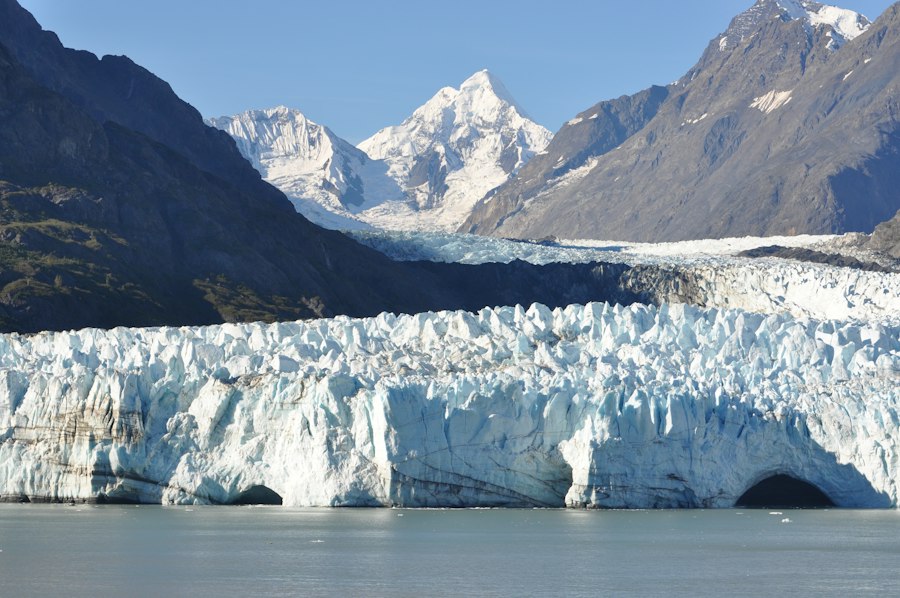
The direct impacts on species are merely the tip of the iceberg, quite literally. The melting of glacial ice sheets triggers a cascade of interconnected environmental changes, fundamentally altering the ecosystems upon which wildlife depends. These shifts are not confined to the polar regions; they have far-reaching implications for global climate patterns and marine life across vast distances.
Freshwater Influx and Ocean Acidification: A Double Whammy for Marine Life
The enormous volume of freshwater released from melting glaciers significantly alters the salinity of surrounding ocean waters. This change can disrupt ocean currents, including vital thermohaline circulation patterns that regulate global climate. For marine organisms, the sudden decrease in salinity can be acutely stressful, impacting their osmoregulation – the ability to maintain a stable internal salt balance. This physiological stress can lead to reduced growth rates, reproductive failure, and increased susceptibility to disease. Furthermore, the increasing absorption of atmospheric carbon dioxide by the oceans, a consequence of human industrial activity, leads to ocean acidification. This process reduces the availability of carbonate ions, essential building blocks for the shells and skeletons of many marine organisms, including plankton, shellfish, and corals. As krill and other planktonic organisms form the base of the polar food web, their decline due to acidification has devastating consequences for the entire ecosystem, impacting species from penguins to whales. The combined stressors of altered salinity and acidification create a particularly challenging environment for marine life already struggling with other climate-induced changes.
Shifting Prey Distributions and Food Web Disruptions
The warming oceans also directly influence the distribution and abundance of marine prey species. As water temperatures rise, many fish and invertebrate species that form the diet of polar wildlife are migrating towards cooler waters. This forces predators to travel greater distances, increasing energy expenditure and reducing hunting success. For species with limited mobility or specific habitat requirements, such as those relying on the unique conditions found near glacial ice, these shifts can be catastrophic. The delicate balance of the food web is disrupted as prey species disappear or become less accessible, leading to cascading effects throughout the ecosystem. The loss of krill, as mentioned previously, is a prime example of how changes at the base of the food web can have profound impacts on top predators. This redistribution of prey also creates new opportunities for invasive species, further disrupting existing ecological communities.
Terrestrial Impacts: From Exposed Land to New Niches
The retreat of glaciers also exposes new terrestrial landscapes, presenting both opportunities and challenges for wildlife. While this may seem like an expansion of habitat, the newly exposed land is often barren, lacking the established vegetation and soil structure necessary to support complex ecosystems. Specialized plant communities that have evolved over millennia to thrive in these nutrient-poor, often icy conditions may struggle to compete with more aggressive, faster-growing species that colonize the newly thawed ground. This can lead to a simplification of terrestrial biodiversity in formerly glaciated areas. Furthermore, the altered hydrological cycles associated with glacial melt can impact freshwater ecosystems, affecting fish populations and the myriad of other species that depend on these vital water sources. The initial colonization of exposed land by pioneer species might offer some short-term benefits for certain organisms, but the long-term stability and biodiversity of these new terrestrial environments remain uncertain.
Conservation Strategies in a Melting World: Adapting to the Inevitable
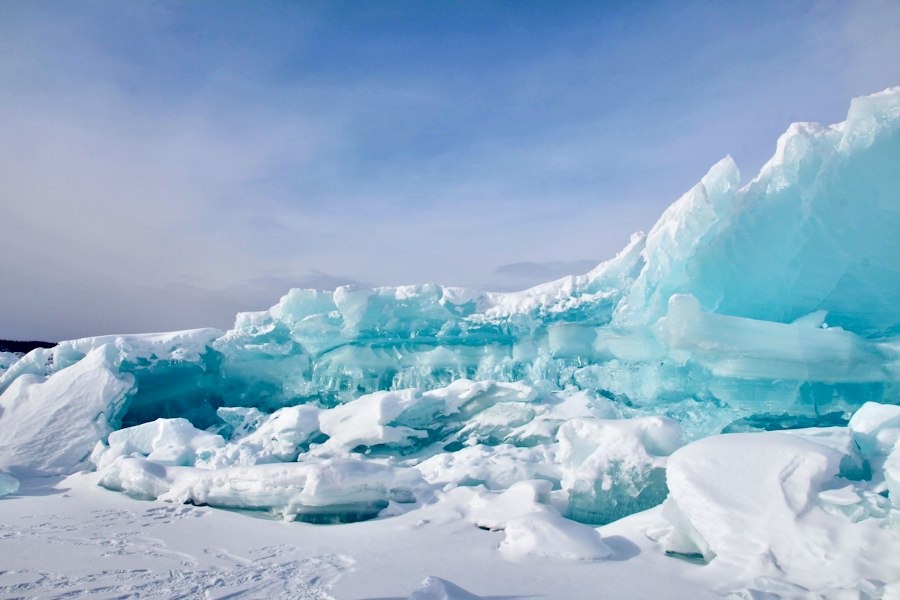
The scale of the climate crisis necessitates a paradigm shift in wildlife preservation. Traditional conservation approaches, often focused on protecting static habitats, are proving insufficient in the face of such dynamic and rapid environmental change. Innovative and adaptive strategies are urgently required to safeguard the future of polar and glacial wildlife.
Establishing and Expanding Protected Areas: Guarding the Last Bastions
The designation and effective management of protected areas remain a cornerstone of conservation efforts. In the context of melting ice sheets, this means identifying and safeguarding critical remaining habitats, including stable sea ice areas, key breeding grounds, and important feeding zones. Expanding the network of marine protected areas (MPAs) in polar regions is crucial to provide refuges for species facing the most intense pressure. These MPAs should be designed with adaptability in mind, acknowledging that species distributions will continue to shift. Furthermore, international cooperation is paramount in establishing and enforcing these protected areas, as many polar species migrate across national boundaries. The effectiveness of these areas hinges on robust monitoring and enforcement to prevent human activities that further threaten vulnerable wildlife.
Reducing Human Impact: Mitigating Stressors in a Vulnerable Environment
Beyond direct habitat protection, a critical component of any conservation strategy is the reduction of human-induced stressors. In the Arctic and Antarctic, these stressors include increased shipping traffic, resource extraction, and tourism. As sea ice recedes, previously inaccessible areas are becoming more navigable, leading to a surge in industrial and recreational activities. These activities pose risks of pollution, noise disturbance, and direct harm to wildlife. Stricter regulations on shipping routes, fishing practices, and tourism operations in polar regions are essential to minimize their impact. This includes implementing measures to prevent oil spills, manage waste disposal, and reduce underwater noise that can disrupt marine mammals. Furthermore, addressing the broader issue of climate change by transitioning to renewable energy sources and reducing greenhouse gas emissions is the ultimate mitigation strategy, without which all other efforts will be ultimately undermined.
Assisted Migration and Genetic Rescue: Desperate Measures for Desperate Times
As the pace of climate change accelerates, some conservationists are considering more interventionist approaches, such as assisted migration and genetic rescue. Assisted migration involves the intentional movement of species from areas predicted to become uninhabitable to more suitable environments, often with the hope of establishing new populations. This is a controversial strategy, fraught with ecological risks, as it can introduce unintended consequences and disrupt existing ecosystems in the recipient areas. Genetic rescue, on the other hand, involves introducing genetic diversity from healthier populations into small, isolated, or genetically impoverished populations to improve their resilience and adaptability. Both these strategies are considered last resorts, requiring extensive scientific research, careful planning, and rigorous ethical consideration. They highlight the unprecedented challenges posed by the current crisis, where traditional conservation tools may no longer be sufficient.
The Global Resonance: Why Polar Preservation Matters to Us All
The fate of wildlife in the polar regions might seem distant and abstract to many, but the interconnectedness of Earth’s systems means that the crisis unfolding at the poles has profound implications for humanity. The health of these icy realms serves as a crucial barometer for the planet’s overall well-being.
Sea Level Rise: A Direct Threat to Coastal Communities
The melting of glacial ice sheets, particularly the massive Greenland and Antarctic ice sheets, is a primary driver of global sea level rise. As these colossal frozen reservoirs diminish, the water they release flows into the oceans, causing sea levels to climb. This rise poses an existential threat to low-lying coastal communities around the world, leading to increased flooding, erosion, and saltwater intrusion into freshwater sources. Millions of people living in coastal cities and island nations face displacement and loss of livelihoods. The economic and social costs of sea level rise are immense, impacting infrastructure, agriculture, and global trade. Therefore, preserving the integrity of glacial ice sheets is not just about saving polar bears; it is about safeguarding human habitations and economies.
Climate Regulation: The Poles as Earth’s Thermostat
The polar regions play a critical role in regulating Earth’s climate. The vast white surfaces of ice and snow reflect a significant portion of incoming solar radiation back into space, a phenomenon known as the albedo effect. As this ice melts, darker ocean water and land surfaces are exposed, which absorb more solar energy, leading to further warming – a dangerous feedback loop. Furthermore, the ocean currents driven by the salinity and temperature gradients of polar waters help distribute heat around the globe, influencing weather patterns and moderating climates in distant regions. The disruption of these currents due to freshwater influx from melting ice can lead to more extreme weather events, including prolonged droughts, intense heatwaves, and more powerful storms. The health of the polar ice sheets is, therefore, inextricably linked to the stability of global weather systems upon which human civilization depends.
Biodiversity as a Global Heritage: Intrinsic Value and Future Potential
Beyond the utilitarian arguments, the intrinsic value of biodiversity cannot be overstated. Each species, from the smallest plankton to the largest whale, represents a unique evolutionary journey and holds a vital place within the intricate tapestry of life on Earth. The loss of these species, particularly those endemic to the rapidly changing polar environments, represents an irreversible impoverishment of our planet’s natural heritage. Moreover, these unique ecosystems are potential sources of novel scientific discoveries, including new medicines, bio-inspired technologies, and a deeper understanding of life’s resilience and adaptability. Allowing these pristine environments and their inhabitants to disappear would be a profound loss for all of humanity, diminishing our planet’s richness and potentially foreclosing future opportunities for scientific advancement and inspiration. The preservation of polar wildlife is, in essence, an act of safeguarding a shared global heritage for generations to come.
The preservation of pristine wildlife habitats is intricately linked to the health of glacial ice sheets, which play a crucial role in regulating global climate patterns. As these ice sheets continue to melt due to climate change, the delicate ecosystems that depend on them face unprecedented threats. For a deeper understanding of how environmental changes impact both wildlife and natural wonders, you might find this article on ancient civilizations and their relationship with nature particularly enlightening. You can read more about it here.
The Path Forward: A Collective Responsibility for a Frozen Future
| Metric | Value | Unit | Description |
|---|---|---|---|
| Glacial Ice Sheet Area | 15.8 | million km² | Total surface area covered by major glacial ice sheets globally |
| Annual Ice Mass Loss | 280 | gigatonnes/year | Estimated yearly loss of ice mass from glacial ice sheets |
| Species Diversity Index | 0.85 | Index (0-1) | Measure of biodiversity in pristine wildlife habitats near ice sheets |
| Protected Area Coverage | 75 | percent | Percentage of glacial regions under official wildlife preservation protection |
| Endangered Species Count | 12 | species | Number of endangered species dependent on glacial ecosystems |
| Average Temperature Increase | 1.2 | °C (past 50 years) | Average temperature rise impacting glacial ice sheets and wildlife |
| Glacial Meltwater Contribution | 0.4 | mm/year | Contribution of glacial meltwater to global sea level rise annually |
The crisis of melting glacial ice sheets and its impact on wildlife demands immediate and concerted action. The scientific consensus is clear, and the urgency is undeniable. Addressing this challenge requires a multi-pronged approach that encompasses global policy changes, technological innovation, and a fundamental shift in human behavior and values.
Global Cooperation and Policy Frameworks: Uniting for a Common Cause
Effective conservation of polar wildlife and the preservation of glacial ice sheets necessitates unprecedented global cooperation. International agreements and robust policy frameworks are crucial to drive down greenhouse gas emissions, a primary driver of climate change. This includes strengthening commitments to the Paris Agreement and exploring new avenues for ambitious climate action. Furthermore, international collaboration is vital for establishing and enforcing marine protected areas in polar regions, managing shipping and tourism activities, and coordinating research efforts. Nations must move beyond self-interest and recognize that the fate of the Arctic and Antarctic is a shared responsibility. Investing in sustainable technologies and supporting developing nations in their transition to a low-carbon economy are critical components of this global endeavor. The scientific community must continue to provide clear, evidence-based guidance to policymakers, ensuring that decisions are informed by the latest research and projections.
Technological Innovation and Research: Tools for Understanding and Intervention
Advancements in technology are playing a crucial role in both understanding the impacts of glacial melt and developing innovative conservation solutions. Satellites and remote sensing technologies provide invaluable data on ice sheet mass balance, sea ice extent, and wildlife populations. Drones are being used for aerial surveys and to monitor vulnerable species. Advances in genetic sequencing are enabling researchers to assess the health and genetic diversity of wildlife populations, informing strategies for genetic rescue. Furthermore, research into renewable energy technologies and carbon capture solutions is essential for mitigating the root causes of climate change. Continued investment in scientific research is paramount to better understand the complex interactions within these rapidly changing ecosystems and to develop effective, evidence-based conservation strategies. This includes research into species’ adaptive capacity, their physiological limits, and the potential consequences of human intervention.
Public Awareness and Education: Empowering Change Through Understanding
Ultimately, the long-term success of any conservation effort hinges on public awareness and engagement. Educating the public about the critical role of polar ecosystems, the threats they face, and the interconnectedness of these issues with human well-being is essential to foster a sense of shared responsibility. Campaigns that highlight the beauty and fragility of these environments, the plight of their unique wildlife, and the tangible consequences of inaction can inspire individual and collective action. This includes promoting sustainable lifestyle choices, advocating for stronger climate policies, and supporting organizations dedicated to polar conservation. By empowering individuals with knowledge and fostering a deeper appreciation for the natural world, we can cultivate the collective will needed to confront this defining challenge of our time and ensure a future where pristine wildlife can continue to thrive, even amidst the challenges of a changing planet. The future of these icy realms, and the remarkable life they sustain, rests not only on scientific endeavor and policy decisions but also on the informed and engaged hearts and minds of people across the globe.

Beneath the Ice: Surviving the Ice Age 20,000 Years Ago
FAQs
What is the significance of preserving glacial ice sheets for wildlife?
Preserving glacial ice sheets is crucial for wildlife as they provide essential freshwater sources for many species, maintain biodiversity, and support various ecosystems.
How do glacial ice sheets contribute to global climate regulation?
Glacial ice sheets help regulate global climate by reflecting sunlight back into space, which helps cool the Earth’s surface and maintain a stable climate system.
What are the threats to wildlife preservation in glacial ice sheet areas?
Threats to wildlife preservation in glacial ice sheet areas include climate change, habitat destruction, pollution, and human activities such as mining and tourism.
How can individuals contribute to the preservation of wildlife in glacial ice sheet regions?
Individuals can contribute to wildlife preservation in glacial ice sheet regions by supporting conservation efforts, reducing their carbon footprint, and advocating for policies that protect these fragile ecosystems.
What are some examples of wildlife that rely on glacial ice sheets for survival?
Examples of wildlife that rely on glacial ice sheets for survival include polar bears, penguins, seals, and various species of birds that depend on the unique habitats provided by these icy environments.