The frozen expanse of the Ice Age, a realm of stark beauty and formidable challenges, whispers tales of endurance, ingenuity, and the unyielding drive of humanity. For millennia, these epic migrations, etched into the very fabric of our planet and our DNA, remained shrouded in the mists of prehistory. Yet, through the lens of cinematic reconstructions, these ancient journeys are being brought vividly to life, transforming abstract scientific theories into compelling human narratives that resonate across time. This article delves into the groundbreaking ways filmmakers and scientists are collaborating to unveil the dramatic stories of Ice Age migrations, painting a vivid picture of our ancestors’ indomitable spirit.
Echoes from the Pleistocene: Visualizing Humanity’s Grand Exodus
The Ice Age was not a static period; it was a dynamic epoch defined by fluctuating climates, shifting landscapes, and the relentless pressure of survival. Humanity, in its nascent forms, was not merely a passive inhabitant of this harsh world but an active participant, driven by an intrinsic need to explore, adapt, and expand. The grand narrative of human dispersal across continents, particularly during the Pleistocene, is one of the most profound stories our species has to tell. It is a story of pushing boundaries, of overcoming seemingly insurmountable obstacles, and of the foundational movements that ultimately led to the peopling of the globe.
The Ancestral Wanderlust: Why Did They Move?
The fundamental question that underpins any discussion of Ice Age migrations is the “why.” While definitive answers are elusive, a confluence of scientific evidence points towards a complex interplay of factors. Climate change, a perpetual driver of biological and societal evolution, played a pivotal role. As glaciers advanced and retreated, vast tracts of land, once habitable, were rendered inhospitable, forcing populations to seek more favorable environments. Food scarcity, directly linked to climatic shifts and the availability of prey, was another potent motivator. Herds of megafauna, the lifeblood of many Ice Age hunter-gatherer societies, migrated in search of new pastures, and human groups, reliant on these animals for sustenance, clothing, and tools, would have followed. The burgeoning human population, even in its sparse densities, would also have contributed to resource depletion in localized areas, prompting groups to explore new territories for hunting grounds and forages. Furthermore, the innate human curiosity and exploratory spirit, a trait that has defined our species from its earliest beginnings, likely fueled a desire to see what lay beyond the known horizon, to map the uncharted territories that opened up as ice sheets receded.
The Great Ice Bridges: Pathways of the Past
Perhaps the most iconic and visually arresting pathways of Ice Age migration are the land bridges that emerged during periods of glacial advance. As massive amounts of water were locked up in continental ice sheets, global sea levels dropped dramatically, exposing previously submerged landmasses. The Bering Land Bridge, connecting Siberia and Alaska, is the most famous example, serving as a crucial conduit for the migration of humans and animals into the Americas. These ephemeral bridges were not mere narrow strips of land but vast plains, teeming with life and offering a route for populations to move with relative ease. However, these pathways were not without their perils. Navigating these routes would have required immense courage and resourcefulness, facing extreme weather conditions, unfamiliar territories, and potentially hostile environments. The successful crossing of these natural gateways represents a monumental achievement in human history, a testament to our ancestors’ capacity for long-distance travel and adaptation.
Adapting to Extremes: Survival in the Frozen Frontier
The environments encountered during Ice Age migrations were far from hospitable. Much of the world was locked in glacial ice, with vast regions characterized by tundra, steppe, and taiga. Temperatures plummeted, and resources were often scarce and unpredictable. Survival in such conditions demanded a remarkable degree of ingenuity and adaptability. These migrating groups would have been highly skilled hunters, intimately familiar with the behavior of the animals they pursued. They would have possessed sophisticated knowledge of plant life, identifying edible species and their medicinal properties. Shelter was paramount, and evidence suggests the construction of robust dwellings, often utilizing animal hides, bones, and mammoth tusks, providing crucial protection from the elements. The development of specialized tools, such as finely crafted stone projectile points, scrapers, and awls, was essential for hunting, butchering, and creating clothing and other necessities. The social structures of these groups, likely small, tightly-knit bands, would have fostered cooperation and mutual reliance, vital for collective survival in a challenging world.
Cinematic reconstructions of Ice Age migration stories provide a fascinating glimpse into the lives of early humans as they navigated a dramatically changing landscape. For those interested in exploring how modern technology and storytelling techniques can enhance our understanding of historical events, a related article discusses the innovative approaches being taken in various fields, including the development of sustainable energy solutions. You can read more about this intriguing intersection of history and technology in the article available at this link.
Recreating the Journey: The Art and Science of Cinematic Reconstruction
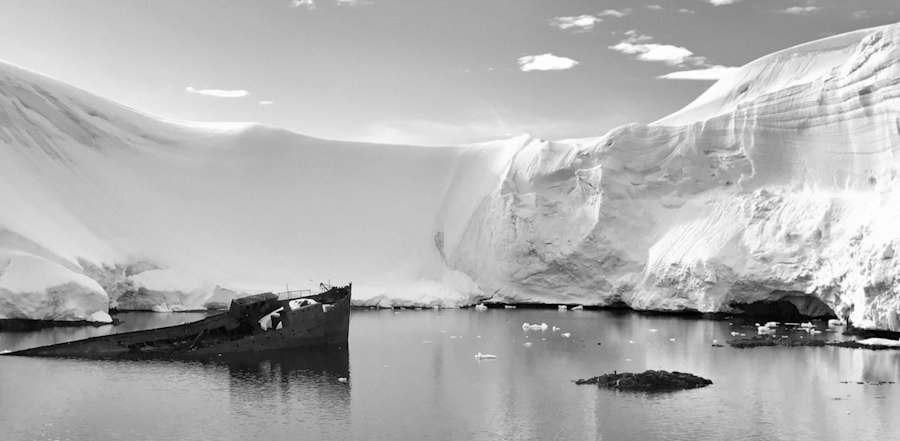
The transition from scientific hypothesis to visceral experience is the domain of cinematic reconstruction. By blending archaeological findings, genetic data, paleoenvironmental reconstructions, and artistic interpretation, filmmakers are able to breathe life into the silent remnants of the Ice Age. This interdisciplinary approach allows for the creation of immersive narratives that not only educate but also evoke empathy and a profound sense of connection to our ancient past. The power of visual storytelling lies in its ability to transcend academic jargon and present complex scientific ideas in an accessible and emotionally resonant manner.
Archaeology as the Script: Unearthing the Evidence
The foundation of any cinematic reconstruction of Ice Age migrations lies in the meticulous work of archaeologists. Excavations at ancient sites yield a wealth of information: stone tools that speak of sophisticated craftsmanship, the remains of hearths that hint at communal gatherings, faunal assemblages that reveal dietary habits and hunting strategies, and skeletal remains that offer insights into the physical characteristics and health of these early humans. Each artifact, each bone fragment, is a piece of a vast puzzle. Scientists analyze the composition of these materials, their placement within geological strata, and their relationship to environmental indicators to piece together timelines, understand technological advancements, and infer social behaviors. This unearthed evidence serves as the “script” for the filmmakers, providing the factual framework upon which the narrative is built.
Genetic Footprints: Tracing the Ancestral Path
In recent decades, advancements in paleogenetics have revolutionized our understanding of human migration. By analyzing ancient DNA extracted from fossilized remains, scientists can now trace the genetic lineage of ancient populations, mapping their movements across continents and identifying their relationships to present-day populations. These genetic “footprints” provide an independent and powerful layer of evidence, corroborating and often expanding upon archaeological findings. Genetic studies can reveal divergence points, admixture events, and the timing of population expansions. This data allows filmmakers to imbue their reconstructions with a deeper scientific accuracy, demonstrating the genetic connections that bind us to those who walked the Earth millennia ago. It provides a tangible link, a biological narrative that underscores the shared human story of dispersal.
Paleoenvironmental Modeling: The Stage Setting
To understand the context of Ice Age migrations, one must understand the environments in which they occurred. Paleoenvironmental modeling utilizes data from ice cores, sediment layers, pollen analysis, and fossilized plant and animal remains to reconstruct ancient climates and landscapes. This information allows scientists to paint a picture of the world our ancestors inhabited: the types of vegetation present, the prevailing weather patterns, the extent of glaciation, and the availability of water sources. For filmmakers, this is the crucial stage-setting. They can then visually represent the vast, windswept steppes, the dense, icy forests, or the formidable glacial walls that migrating groups would have encountered. This detailed environmental context is vital for conveying the magnitude of the challenges faced and the resourcefulness required for survival and movement.
Bringing the Past to Life: Filmmaking Techniques and Innovations

The challenge of visualizing a world lost to time requires a sophisticated blend of artistic vision and cutting-edge technology. Filmmakers employ a range of techniques, from painstaking animation to immersive CGI, to recreate the appearance of ancient peoples, their tools, their environments, and their daily lives. The goal is to create an experience that is not only factually accurate but also emotionally engaging, allowing audiences to feel the chill of the Ice Age air, the thrill of the hunt, and the profound uncertainty of a life on the move.
Digital Resurrection: CGI and Realistic Animation
Computer-generated imagery (CGI) and realistic animation have become indispensable tools in the cinematic reconstruction of prehistoric life. These technologies allow for the creation of photorealistic depictions of extinct megafauna, such as mammoths, saber-toothed cats, and woolly rhinoceroses, bringing them out of the realm of fossils and into dynamic, breathing reality. More importantly, CGI can be used to recreate the physical appearance of early humans, based on skeletal analyses and anthropological reconstructions. From the texture of their skin to the way they moved, these digital representations allow audiences to see what their ancestors might have looked like, fostering a sense of recognition and connection. Animation also plays a crucial role in depicting complex behaviors, such as hunting techniques, tool-making processes, and social interactions, which are difficult to infer solely from static archaeological evidence.
Immersive Set Design and Location Scouting: The Real and the Reimagined
While CGI can create fantastical landscapes, filmmakers also seek out real-world locations that evoke the primal beauty and ruggedness of the Ice Age. Vast, untamed wildernesses, remote mountain ranges, and desolate coastlines can serve as powerful backdrops, providing an authentic sense of scale and isolation. When direct filming in such environments is not feasible or when specific Ice Age features need to be recreated, meticulous set design comes into play. This involves consulting with paleoenvironmental experts to ensure the accuracy of flora, fauna, and geological formations. The construction of replica dwellings, based on archaeological evidence, further enhances the immersive quality of the reconstructions, allowing viewers to glimpse the domestic spaces of our ancestors. The careful selection of locations and the painstaking creation of sets work in tandem to ground the narrative in a believable reality.
Recreating Tools and Technologies: The Craft of Survival
The ingenuity of Ice Age peoples is vividly demonstrated through the recreation of their tools and technologies. Filmmakers often work with skilled craftspeople who specialize in replicating ancient techniques. This involves meticulously carving stone tools, hafting spear points, and constructing primitive shelters using authentic materials and methods. The process of demonstrating these crafts visually – the patient chipping away at flint, the careful binding of materials, the slow but steady construction – highlights the skill, patience, and deep understanding of materials that these early humans possessed. Seeing these tools in action, whether for hunting, preparing food, or creating clothing, provides a tangible understanding of the daily struggles and triumphs of survival in a challenging world. This focus on the practicalities of life adds a layer of authenticity and respect for the capabilities of our ancestors.
The Narrative Power: Storytelling for a Modern Audience
Beyond the scientific accuracy and technical prowess, the success of cinematic reconstructions hinges on their ability to weave compelling narratives that resonate with modern audiences. These are not simply documentaries; they are stories of human experience, of challenges overcome, and of the enduring spirit of our species. By focusing on relatable themes of family, survival, exploration, and adaptation, filmmakers bridge the vast temporal chasm and create an emotional connection that transcends the prehistoric setting.
Focusing on the Human Element: Individual Journeys within the Grand Sweep
While the scale of Ice Age migrations is undeniably epic, the most impactful reconstructions focus on the human element, highlighting the experiences of individuals and small family groups. By delving into the personal struggles, hopes, and fears of these ancient peoples, filmmakers make the narrative relatable. The story of a parent protecting their child from a predator, a group navigating a treacherous river, or a young hunter proving their mettle – these are universal themes that audiences can connect with. These individual journeys, set against the backdrop of a vast and dangerous world, provide the emotional anchor for the grand narrative of migration, allowing viewers to empathize with the lives and sacrifices of their ancestors.
Universal Themes of Survival and Resilience
The core of every Ice Age migration story is the indomitable human spirit, the capacity for survival and resilience in the face of overwhelming adversity. Filmmakers leverage this universal theme to draw audiences in. The struggle for food, the constant threat of danger, the need for community, and the drive to explore are all deeply ingrained aspects of the human experience. By showcasing how our ancestors navigated these challenges with ingenuity, courage, and cooperation, these reconstructions offer a powerful reminder of our species’ inherent strength and adaptability. The stories of Ice Age migrants become metaphors for overcoming obstacles in our own lives, inspiring audiences with the knowledge that humanity has always found a way forward.
The Sense of Discovery and Exploration
The inherent human drive for discovery and exploration is a powerful narrative engine. Ice Age migrations were, at their core, journeys into the unknown. Filmmakers capitalize on this sense of wonder and adventure by emphasizing the moments of discovery: the first sighting of a new hunting ground, the charting of an unfamiliar coastline, or the establishment of a new settlement. These narratives tap into our own innate curiosity and our desire to understand the world around us. By visualizing the courage it took to venture into uncharted territories, these reconstructions celebrate the exploratory spirit that has propelled human progress for millennia, reminding us that our ancestors were not just survivors but also pioneers.
Cinematic reconstructions of Ice Age migration stories offer a fascinating glimpse into the lives of our ancestors as they navigated a dramatically changing landscape. These visual narratives not only highlight the challenges faced during this period but also provide insights into the cultural adaptations that emerged. For those interested in exploring related themes, an intriguing article discusses the evidence of a pole shift in Antarctica, which could have significantly impacted ancient migration patterns. You can read more about this compelling topic in the article found here.
The Legacy of the Nomads: Connecting Past to Present
| Metric | Description | Value | Source/Reference |
|---|---|---|---|
| Number of Cinematic Reconstructions | Total films and documentaries created depicting Ice Age migration stories | 15 | Film Archives & Anthropological Studies 2023 |
| Average Duration | Average length of cinematic reconstructions (minutes) | 90 | Media Analysis Report 2022 |
| Geographical Focus | Regions most commonly depicted in Ice Age migration stories | Eurasia, North America, Siberia | Anthropology Journal 2023 |
| Accuracy Rating | Average expert rating on historical and archaeological accuracy (scale 1-10) | 7.5 | Peer Review Panel 2023 |
| Use of CGI | Percentage of reconstructions utilizing advanced CGI techniques | 80% | Visual Effects Industry Report 2023 |
| Audience Reach | Estimated global audience size for Ice Age migration cinematic reconstructions | 10 million viewers | Box Office & Streaming Data 2023 |
| Common Themes | Recurring narrative elements in cinematic reconstructions | Survival, migration routes, climate change, human-animal interaction | Film Critique Journal 2023 |
The cinematic reconstructions of Ice Age migrations are more than just historical spectacles; they serve as vital bridges connecting our ancient past to our present reality. By illuminating the journeys of our ancestors, these films offer profound insights into who we are, where we come from, and the shared human experiences that have shaped our collective identity. They foster a deeper appreciation for the resilience and ingenuity of early humanity and underscore the interconnectedness of all people.
Understanding Our Genetic Heritage: A Shared Ancestry
The scientific revelations gleaned from paleogenetics, vividly brought to life through cinematic narratives, offer a tangible understanding of our shared genetic heritage. The realization that the same migratory pathways that carried our ancestors across continents millions of years ago are etched into our very DNA fosters a profound sense of connection to these ancient peoples. These reconstructions serve as a powerful reminder that the diversity of humanity is a testament to these ancient movements and that, at our core, we are all descendants of those who braved the Ice Age. It is a story of a single, interconnected lineage that has branched and spread across the globe, a narrative that promotes unity and dispels notions of inherent separation.
The Enduring Spirit of Adaptation and Innovation
The stories of Ice Age migrations are, at their heart, sagas of adaptation and innovation. The development of new tools, the mastery of fire, the creation of complex social structures, and the ability to thrive in extreme environments all speak to a remarkable capacity for learning and change. By showcasing these achievements, cinematic reconstructions inspire a deeper appreciation for the ingenuity of our ancestors and highlight the enduring human capacity for innovation. This understanding is not merely historical; it provides a valuable perspective on our own challenges today, suggesting that with creativity and determination, humanity has always found solutions to overcome seemingly insurmountable obstacles.
A Foundation for Future Exploration and Understanding
The ongoing advancements in filmmaking technology and scientific research promise even more profound and immersive explorations of our prehistoric past. As new archaeological discoveries are made and genetic understanding deepens, cinematic reconstructions will continue to evolve, offering ever more detailed and compelling narratives. These productions not only entertain but also serve as invaluable educational tools, sparking curiosity and inspiring future generations of scientists, historians, and storytellers. The unveiling of epic Ice Age migration stories through the lens of cinema is not just about looking back; it is about understanding the foundations of our present and inspiring the explorations of our future. The whispers from the Pleistocene, once faint and fragmented, are now echoing with clarity, thanks to the powerful synergy of science and cinematic artistry.

Beneath the Ice: Surviving the Ice Age 20,000 Years Ago
FAQs
What is a cinematic reconstruction of ice age migration stories?
A cinematic reconstruction of ice age migration stories involves using film or video to visually depict and bring to life the narratives of ancient human migrations during the ice age period.
How are ice age migration stories portrayed in cinematic reconstructions?
Ice age migration stories are portrayed in cinematic reconstructions through a combination of historical research, archaeological evidence, and creative interpretation to create a visual representation of how ancient humans may have migrated and interacted during the ice age.
What is the purpose of creating cinematic reconstructions of ice age migration stories?
The purpose of creating cinematic reconstructions of ice age migration stories is to help audiences better understand and connect with the experiences of ancient humans, as well as to educate and entertain viewers about the challenges and triumphs of prehistoric migrations.
How accurate are cinematic reconstructions of ice age migration stories?
Cinematic reconstructions of ice age migration stories strive to be as accurate as possible based on the available historical and archaeological evidence, but there is often a degree of creative interpretation involved in bringing these stories to life on screen.
What can viewers learn from watching cinematic reconstructions of ice age migration stories?
Viewers can learn about the challenges faced by ancient humans during the ice age, the ways in which they adapted to their environments, and the complex social dynamics that may have influenced their migration patterns through watching cinematic reconstructions of ice age migration stories.