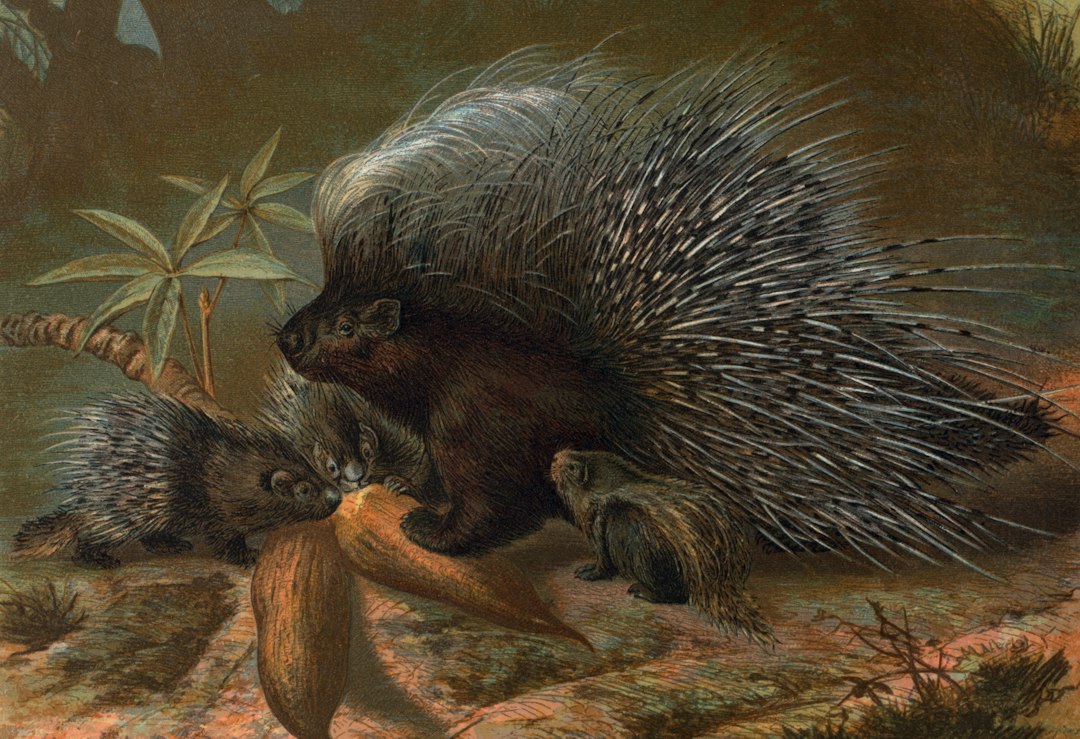
The vast tapestry of life on Earth has always been in flux, a dynamic testament to evolution and extinction. For millennia, colossal creatures, now mere whispers in the fossil record, once roamed, swam, and soared across continents and oceans. The concept of “Vanished Giants: Visual History of Extinct Wildlife Species Through Time” offers a poignant and compelling glimpse into these lost worlds. It’s a journey not just through paleontology and biology, but through art, illustration, and the very way humanity has perceived and interpreted the remnants of these magnificent beings. This exploration delves into how visual representations have shaped our understanding, often filling the voids left by incomplete fossil evidence and igniting imaginations about creatures that shaped prehistoric landscapes.
Echoes in Stone: The Dawn of Understanding Extinct Giants
The initial encounters with the remnants of extinct megafauna were often met with bewilderment and myth. Before the formalization of paleontology, these colossal bones were frequently attributed to legendary beings or giants of biblical proportions. The scientific revolution, however, began to shift this perception, piecing together the puzzle of these ancient lives through meticulous observation and deduction. The advent of systematic fossil collection and comparative anatomy provided the foundational tools for reconstructing these vanished titans, laying the groundwork for the visual interpretations that would follow.
The First Fossil Hunters and Their Interpretations
Early collectors, driven by curiosity and the burgeoning scientific spirit, unearthed the first substantial clues to Earth’s lost inhabitants. These were not always pristine fossils; often, they were fragmented bones or partial skeletons. The challenge lay in interpreting these scattered pieces. Early anatomists, like Georges Cuvier in the late 18th and early 19th centuries, were instrumental in establishing the concept of extinction through the study of comparative anatomy. His work on fossil mammals, particularly elephants and mastodons, provided a scientific basis for understanding that creatures could indeed cease to exist. These early scientific endeavors, while often devoid of artistic flair, were the bedrock upon which future visual histories would be built. The accuracy of anatomical reconstruction became paramount, dictating the fundamental form and proportions of these resurrected giants.
Early Artistic Reconstructions: From Myth to Science
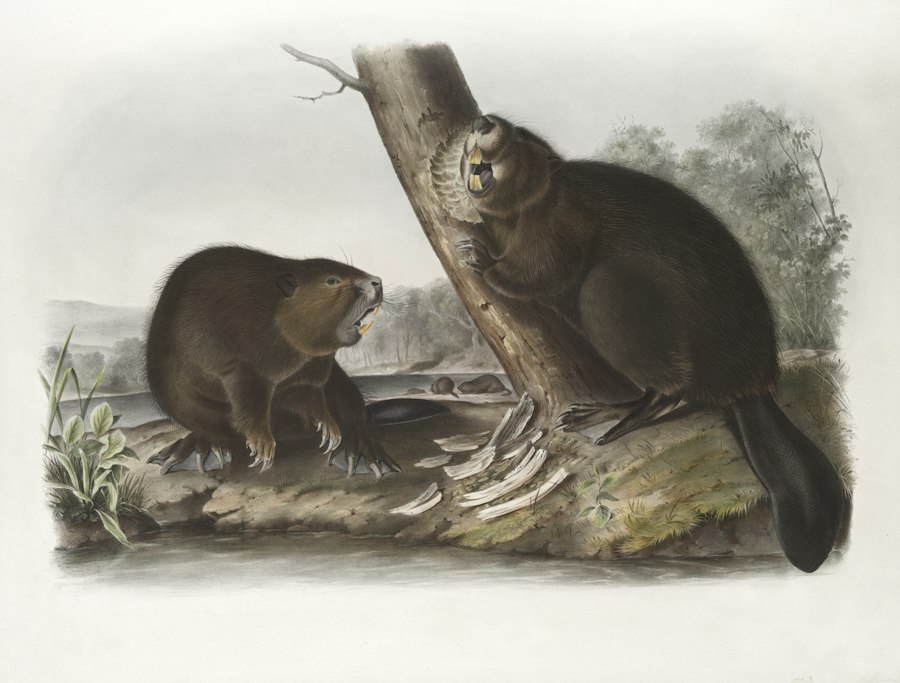
As scientific understanding grew, so did the desire to visualize these extinct beings. Early artistic attempts to depict extinct animals were a fascinating blend of scientific inference and imaginative speculation. Often, these reconstructions were based on limited fossil evidence and analogies with living creatures. For example, the woolly mammoth, one of the earliest extinct giants to be scientifically described and depicted, was often imagined as a hairy, elephant-like creature, an interpretation informed by the discovery of frozen carcasses in Siberia. These early illustrations, appearing in scientific journals and popular publications, were crucial in bringing the concept of prehistoric life to a wider audience. They bridged the gap between the dry facts of paleontology and the human capacity for wonder, transforming abstract data into tangible, albeit often speculative, visions of past life. The fidelity of these early depictions varied wildly, some striving for accuracy based on emerging knowledge, while others leaned heavily on artistic license, sometimes portraying creatures with features not supported by the fossil record. Nevertheless, these were the first visual histories, the initial attempts to paint a picture of a world long gone.
Visual history tracking of extinct wildlife species has become an essential tool for conservationists and researchers, allowing them to understand the impact of human activity on biodiversity. A related article that delves into the broader implications of environmental changes and economic factors is available at Will Mexico’s Economy Surpass the U.S.?. This piece explores how economic development can influence environmental policies and conservation efforts, highlighting the interconnectedness of wildlife preservation and economic growth.
The Golden Age of Paleontological Illustration
The 19th and early 20th centuries witnessed a remarkable surge in paleontological discovery and a corresponding evolution in the way extinct animals were visualized. This era, often considered the “golden age” of paleontological illustration, saw artists working closely with scientists to produce highly detailed and scientifically informed reconstructions. These works not only educated the public but also became iconic representations of prehistoric life, shaping popular culture’s perception of dinosaurs and other extinct giants for generations.
Dinosaurs Emerge: The Bone Wars and Their Artistic Legacy
The “Bone Wars” of the late 19th century, a period of intense rivalry between American paleontologists Edward Drinker Cope and Othniel Charles Marsh, unearthed a treasure trove of dinosaur fossils. This period of discovery was intrinsically linked with artistic representation. Scientists commissioned illustrators to depict these newly discovered creatures, leading to some of the most enduring images of the prehistoric world. These illustrations, often found in scientific publications and popular magazines, were instrumental in bringing dinosaurs to the forefront of public consciousness. Figures like Charles R. Knight, whose work for the American Museum of Natural History in New York remains legendary, played a pivotal role. Knight’s dynamic and lifelike depictions, based on meticulous study of fossil evidence and comparative anatomy, set a new standard for paleontological art. His dinosaurs were not static skeletons but living, breathing animals, engaged in dramatic struggles for survival, capturing the public’s imagination and solidifying the image of the dinosaur as a fearsome, yet fascinating, titan.
Mammoths, Megafauna, and the Pleistocene World
Beyond dinosaurs, the visual history of extinct megafauna also expanded significantly during this period. The discovery of Pleistocene-era fossils, including mammoths, saber-toothed cats, and giant ground sloths, led to a rich tradition of illustration focused on the Ice Age. Artists like Josef Wolf, renowned for his accurate and lively depictions of living animals, also applied his skills to extinct species, contributing to a more nuanced understanding of their appearance and behavior. These visual narratives often emphasized the harsh environments these giants inhabited, showcasing their adaptations to cold climates and their interactions with early humans. The discovery of remarkably well-preserved mammoth carcasses, particularly in the permafrost of Siberia, provided unparalleled insights into their physiology, including their thick fur, a feature that significantly influenced artistic reconstructions and differentiated them from their modern elephant relatives. These visual accounts were not just about the animals themselves but also about the dynamic ecosystems they inhabited and the ecological pressures that ultimately led to their demise.
Modern Visions: Photography, Digital Art, and Scientific Accuracy
The latter half of the 20th century and the dawn of the 21st have ushered in a new era of visualizing extinct wildlife, driven by technological advancements and a deeper scientific understanding. Photography of fossil sites, digital reconstruction, and sophisticated animation techniques have revolutionized how we perceive and present these ancient beings, moving closer to an unprecedented level of realism and scientific accuracy.
The Camera’s Eye: Documenting Fossil Discoveries
Photography has become an indispensable tool in documenting paleontological discoveries. High-resolution images of fossil sites, individual specimens, and the landscapes where they are found provide an unparalleled visual record. These photographs offer a direct connection to the past, allowing viewers to see the actual evidence upon which scientific interpretations are based. Furthermore, photographic documentation of ongoing excavation and research projects offers a transparent and engaging window into the scientific process itself. The ability to capture the context of a fossil discovery – the rock layers, the surrounding environment, the tools of the paleontologist – adds layers of understanding that were previously unattainable. This photographic evidence, meticulously cataloged and shared, forms a critical component of any modern visual history of extinct species, serving as the raw material for all subsequent reconstructions.
Digital Reconstruction and the Rise of CGI
The advent of digital technology, particularly computer-generated imagery (CGI), has transformed paleontological visualization. Artists and scientists can now create incredibly detailed and dynamic 3D models of extinct animals, animating them to show movement, behavior, and interactions with their environment. This allows for a level of realism that was previously unimaginable. CGI has been instrumental in the production of documentaries, museum exhibits, and educational materials, bringing extinct giants to life in vivid and compelling ways. The ability to digitally sculpt muscles, skin textures, and even feathers based on scientific data allows for reconstructions that are both scientifically informed and visually stunning. This technology enables the exploration of hypotheses about locomotion, feeding strategies, and social behaviors, offering insights that can be directly translated into visual media, making the extinct world feel more tangible and accessible than ever before.
Refined Scientific Understanding and Its Visual Impact
Modern paleontology is characterized by an ever-increasing sophistication in understanding extinct species. Advances in fields like biomechanics, paleopathology, and molecular paleontology are providing new insights into the physiology, health, and evolutionary relationships of ancient animals. This deeper scientific understanding directly influences visual representations. For instance, the realization that many dinosaurs were likely feathered has dramatically altered their depictions, moving away from the scaly, reptilian stereotypes of the past. Similarly, studies of bone structure and muscle attachment points allow for more accurate reconstructions of posture and movement. These scientific refinements are continuously fed into the digital tools and artistic techniques, leading to visual histories that are not only aesthetically pleasing but also grounded in the most current scientific knowledge, pushing the boundaries of what is visually possible and scientifically supported.
The Cultural Impact of Vanished Giants
The visual representations of extinct wildlife have had a profound and lasting impact on human culture. From children’s toys and blockbuster movies to museum exhibits and scientific outreach, these images have shaped our collective imagination and fostered a deep fascination with the planet’s lost inhabitants. They serve as powerful reminders of the impermanence of species and the vastness of evolutionary time.
From Museum Halls to Movie Screens: Public Fascination
Museums have long been the primary custodians of our visual history of extinct life. Elaborate skeletal displays, meticulously assembled and often complemented by painted backdrops and diorats, offer a tangible encounter with these ancient beings. The transition from static skeletal mounts to life-sized reconstructions and immersive exhibits has made these institutions even more engaging. Beyond museums, the allure of extinct giants has captivated Hollywood. Blockbuster films featuring dinosaurs, such as “Jurassic Park,” have brought these creatures into mainstream popular culture, sparking widespread interest and inspiring new generations of scientists and artists. These cinematic portrayals, while often prioritizing entertainment, have also played a significant role in disseminating visual information about extinct species, albeit sometimes with a degree of artistic license. The global reach of these visual narratives ensures that the concept of vanished giants resonates across diverse cultures and demographics.
Educational Tools and Conservation Awareness
The visual history of extinct species serves as a powerful educational tool, helping to teach about evolution, biodiversity, and the impact of environmental change. Images of extinct megafauna can illustrate concepts like adaptation, extinction events, and the delicate balance of ecosystems. Furthermore, by highlighting the fates of these magnificent creatures, these visual histories can foster a greater appreciation for conservation efforts today. The understanding that species can and do disappear serves as a stark warning about the current biodiversity crisis. When presented visually, the loss of species becomes more immediate and impactful, prompting reflection on our own role in preserving the life that currently exists. The storytelling power of these visual records can inspire empathy and a sense of responsibility towards the natural world, bridging the gap between scientific understanding and personal engagement.
The Enduring Allure of the Unknown
Despite advancements in paleontology and visualization, a significant portion of the lives of extinct animals remains shrouded in mystery. This inherent uncertainty, coupled with the sheer scale and power of these vanished beings, continues to fuel our fascination. The visual history of extinct wildlife is not a closed book; it is a continuously evolving narrative, as new discoveries and new interpretations emerge. The allure of these giants lies not only in their physical presence, as reconstructed through fossils and art, but also in the questions they provoke: about the origins of life, the forces that shape evolution, and the potential futures of Earth’s inhabitants. The visual legacy of vanished giants is a testament to our enduring curiosity about the past and our place within the grand sweep of natural history. It reminds us that our planet has hosted wonders far beyond our current experience, and that the story of life is an ongoing epic, with many chapters yet to be written and many more creatures, perhaps even giants, waiting to be discovered.
Visual history tracking of extinct wildlife species is a fascinating area of study that allows researchers to understand the impact of human activity on biodiversity. For those interested in exploring how such tracking can inform conservation efforts, a related article discusses the implications of international partnerships in various sectors, including environmental conservation. You can read more about this growing collaboration in the context of global trade and its effects on wildlife by visiting this article.
The Future of Visualizing the Lost: Emerging Technologies and Unanswered Questions
| Species Name | Extinction Year | Region | Cause of Extinction | Last Known Population | Visual Records Available |
|---|---|---|---|---|---|
| Passenger Pigeon | 1914 | North America | Overhunting, Habitat Loss | 1 (Martha, last individual) | Photographs, Illustrations |
| Thylacine (Tasmanian Tiger) | 1936 | Australia (Tasmania) | Hunting, Disease, Habitat Destruction | 1 (Benjamin, last captive individual) | Photographs, Film Footage |
| Great Auk | 1844 | North Atlantic | Overhunting | Few dozen | Illustrations, Specimens |
| Pinta Island Tortoise (Lonesome George) | 2012 | Galápagos Islands | Habitat Loss, Introduced Species | 1 (Lonesome George) | Photographs, Videos |
| Caribbean Monk Seal | 1952 | Caribbean Sea | Overhunting, Habitat Degradation | Unknown, last confirmed sightings in 1950s | Photographs |
As scientific inquiry progresses and technological capabilities expand, the visual representation of extinct wildlife continues to evolve. New frontiers in data analysis, imaging, and interactive media promise even more immersive and accurate portrayals of Earth’s lost inhabitants, while simultaneously revealing the vast scope of what we still do not know. The “Vanished Giants” project, in its essence, is not just about documenting the past, but also about shaping our understanding of it for the future.
Beyond Bones: Integrating New Data Streams
The future of visualizing extinct giants will increasingly involve integrating diverse data streams beyond traditional fossil evidence. Advances in molecular paleontology, for instance, are beginning to allow for the analysis of ancient DNA and proteins, offering insights into the physiology, coloration, and even behavior of extinct species that were previously unattainable. Imagine visualizations that incorporate scientifically inferred skin pigments, showing a vibrant, perhaps feathered, dinosaur rather than the uniform, earthy tones of past reconstructions. Biomechanical modeling, fueled by more precise understanding of muscle attachment points and bone stress, will enable even more realistic animations of locomotion and action. Furthermore, paleoenvironmental data, gleaned from geological and chemical analysis of ancient sediments, can be integrated to depict these creatures in their original, complex ecosystems, complete with vegetation and other fauna, creating a holistic and dynamic picture of their world. This integration of multiple scientific disciplines will move visualizations from depicting static forms to recreating living, breathing organisms within their complete ecological context.
Immersive Experiences and Participatory Paleontology
The way we experience visualizations of extinct wildlife is also set to undergo a revolution. Virtual reality (VR) and augmented reality (AR) technologies hold immense potential for creating deeply immersive and interactive paleontological experiences. Imagine walking alongside a herd of woolly mammoths in a VR simulation, or using an AR app to see a life-sized Tyrannosaurus Rex materialize in your living room. These technologies can transform passive viewing into active exploration, fostering a much deeper connection with these lost worlds. Furthermore, the concept of “participatory paleontology” may emerge, where the public can contribute to the scientific process through citizen science initiatives, using digital tools to analyze fossil data or even to contribute to the refinement of virtual reconstructions, blurring the lines between observer and participant in the ongoing discovery of Earth’s lost giants.
Unanswered Questions and the Ongoing Quest for Knowledge
Despite the remarkable progress in visualizing extinct wildlife, significant questions remain. The precise appearance of many extinct species, particularly their coloration, soft tissues, and non-skeletal features, continues to be a subject of scientific debate and artistic interpretation. The evolutionary pathways and extinction causes of many creatures are still not fully understood. The vast majority of life that has ever existed on Earth remains undiscovered, leaving countless potential “vanished giants” yet to be revealed. The visual history of extinct wildlife is thus an ongoing project, a continuous quest for knowledge. Each new fossil discovery, each refinement of scientific understanding, and each advancement in visualization technology adds another layer to this grand narrative. The allure of these lost worlds lies not just in what we have discovered, but in the tantalizing promise of what is yet to be unearthed, challenging us to continue looking, to continue imagining, and to continue reconstructing the magnificent tapestry of life that once was. The “Vanished Giants” project, in its pursuit of visual history, ultimately serves as a powerful impetus for future scientific exploration and a testament to humanity’s enduring desire to understand its place within the vast panorama of geological time.

Beneath the Ice: Surviving the Ice Age 20,000 Years Ago
FAQs
What is visual history tracking of extinct wildlife species?
Visual history tracking of extinct wildlife species involves compiling and documenting visual records, such as photographs, illustrations, and videos, of wildlife species that have become extinct over time.
Why is visual history tracking important for extinct wildlife species?
Visual history tracking is important for extinct wildlife species as it helps in preserving the memory of these species, raising awareness about the impact of human activities on biodiversity, and providing valuable information for conservation efforts.
How can visual history tracking help in conservation efforts?
Visual history tracking can help in conservation efforts by providing researchers and conservationists with valuable information about extinct species, their habitats, behaviors, and interactions with other species, which can be used to inform conservation strategies for existing species.
What are some examples of extinct wildlife species that have been visually documented through history tracking?
Examples of extinct wildlife species that have been visually documented through history tracking include the dodo bird, the passenger pigeon, the Tasmanian tiger, the great auk, and the quagga.
How can individuals contribute to visual history tracking of extinct wildlife species?
Individuals can contribute to visual history tracking of extinct wildlife species by sharing any photographs, illustrations, or videos they may have of extinct species, supporting organizations that work on documenting and preserving visual records of extinct species, and spreading awareness about the importance of preserving the visual history of wildlife.