The Long Night: Facing the Fury of Glacial Winters
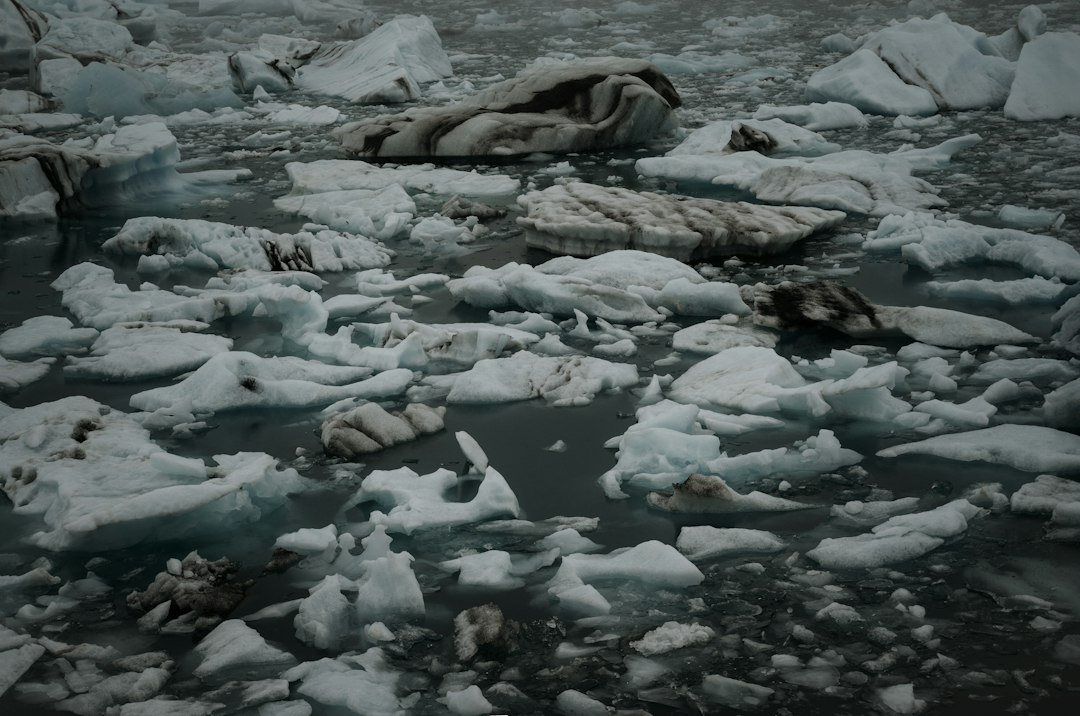
The Pleistocene Epoch, a vast expanse of Earth’s history marked by colossal ice sheets and dramatic climate swings, presented humanity with its most formidable challenges. During the glacial periods, or Ice Ages, vast swathes of the Northern Hemisphere were entompted beneath kilometers of ice, transforming the planet into a landscape of frozen tundras, windswept plains, and drastically altered coastlines. For early Homo sapiens and their hominin ancestors, survival through these prolonged, brutal winters was not a matter of chance but of relentless adaptation and ingenious innovation. These were not fleeting cold snaps; these were epoch-defining epochs of extreme cold, where temperatures plummeted to levels that would today be considered unsurvivable for extended periods without advanced technology. The very fabric of life was reshaped by the permafrost, the limited growing seasons, and the scarcity of resources. To endure these “long nights” of the Ice Age, our ancestors had to fundamentally alter their behavior, their tools, and their very understanding of the world around them. This was a testament to the resilience and ingenuity of the human spirit, a story etched not in stone, but in the fossil record and the archaeological evidence left behind.
The environmental pressures were immense. Glaciers acted like monstrous bulldozers, grinding down mountains, diverting rivers, and creating desolate, treeless landscapes for thousands of kilometers. Flora and fauna adapted to these conditions, with many species migrating or perishing. For hominins, this meant a constant struggle for food, shelter, and warmth. The vastness of the ice sheets dictated human migration patterns, forcing populations to follow the retreating glaciers or seek refuge in more temperate zones. The scarcity of wood, a critical resource for fuel and construction, led to the development of alternative materials and strategies. Water, often frozen solid, presented another significant hurdle. The constant threat of hypothermia, starvation, and predation in an unforgiving environment demanded a level of foresight and planning that set early humans apart. They were not simply reacting to the cold; they were actively strategizing to overcome it, a process that spanned millennia and laid the groundwork for future human development.
The Frozen Frontier: Understanding the Glacial Environment
The Ice Age presented a starkly different planet from the one we inhabit today. The continental ice sheets, primarily the Fennoscandian ice sheet in Eurasia and the Laurentide ice sheet in North America, extended their icy tendrils far south, significantly lowering global sea levels and exposing land bridges that facilitated human migration. These colossal ice masses were not static; they advanced and retreated over tens of thousands of years, creating a dynamic and ever-changing landscape. The areas not covered by ice were characterized by vast, open tundra and steppe environments. These were not the verdant grasslands of today but rather harsh, windswept plains dominated by hardy grasses, sedges, and dwarf shrubs. Trees, essential for many aspects of early human life, were scarce, largely confined to sheltered river valleys or coastal areas where they could find protection from the biting winds and freezing temperatures.
The climate was not merely cold; it was characterized by extreme temperature fluctuations and prolonged periods of darkness. Winters could last for many months, with temperatures frequently dropping well below freezing for extended durations. Even summers were often cool and short, limiting the growing season for any edible plants. Precipitation, though perhaps not as high as in some modern temperate zones, often fell as snow, accumulating to significant depths and further restricting mobility and access to resources. The scarcity of sunlight during winter months had profound implications for plant life, and by extension, for the herbivores that humans relied upon for food and materials. The atmospheric conditions themselves were often hostile, with powerful blizzards capable of disorienting and even burying unwary travelers. Understanding these environmental conditions was the first crucial step in developing effective survival strategies. It was a constant battle against a pervasive and unforgiving chill.
The Scarcity of Sustenance: Adapting Diets and Hunting Strategies
The harsh realities of the Ice Age dictated a significant shift in dietary habits and hunting practices. The abundance of plant life that characterizes warmer periods was drastically reduced. Fruits, berries, and edible roots were only available for short windows during the brief summers, forcing early humans to become highly opportunistic gatherers. Their diet became heavily reliant on animal protein, making them skilled and dedicated hunters. The megafauna that roamed these frozen landscapes – mammoths, woolly rhinoceroses, giant deer, and wild horses – represented a significant caloric bounty, but also a formidable challenge. Hunting these large animals required coordinated group efforts, specialized tools, and a deep understanding of animal behavior.
Paleoenvironmental reconstructions suggest that early humans were not solely dependent on large game. Evidence from archaeological sites indicates a diverse diet that included smaller mammals, birds, and even fish, depending on the specific environment and available resources. The development of sophisticated hunting techniques was paramount. This included the creation of specialized projectiles like spear throwers (atlatls) and eventually, projectile points that could be hafted onto spears. These innovations allowed hunters to engage prey from a safer distance, increasing their chances of success and reducing the risk of injury. Trapping techniques, such as pit traps and snares, would have also played a crucial role in securing smaller game. The ability to preserve meat through drying or smoking would have been vital, allowing communities to store food reserves for the lean winter months. This dietary flexibility and the development of advanced hunting technologies were critical for maintaining energy levels and surviving periods of scarcity.
Navigating the Treeless Expanse: Shelter and Fire as Lifelines
In the vast, treeless landscapes of the Ice Age, shelter and fire were not mere conveniences; they were essential for survival. The biting winds and freezing temperatures posed an immediate threat of hypothermia. Early humans were forced to become adept at finding or creating protection from the elements. Natural shelters like caves and rock overhangs were highly sought after and would have been occupied repeatedly. However, these were not always available, and as human populations grew and spread, they needed to develop artificial shelters.
Archaeological evidence points to the construction of elaborate dwellings. These structures were often built using animal hides, bones, and mammoth tusks as structural elements, sometimes covered with turf or snow for insulation. In areas where wood was scarce, the large bones of megafauna, particularly mammoths, provided a readily available and sturdy framework for constructing circular or semi-subterranean dwellings. These structures were designed to be windproof and to retain body heat. The placement of these shelters was also strategic, often in leeward positions or near natural resources like water sources.
Fire was arguably the single most critical invention for Ice Age survival. It provided warmth, allowing humans to extend their habitable range into colder regions. It was a means of protection against predators, its flames and smoke deterring dangerous animals. Fire was also indispensable for cooking, making food more digestible and unlocking nutrients that would otherwise be inaccessible. The ability to cook meat, for instance, not only made it tastier but also killed parasites and bacteria, contributing to better health. Furthermore, fire was used for toolmaking, hardening wooden spear tips or shaping bone implements. The constant need to gather fuel, whether it was dry grasses, animal dung, or scavenged wood, would have been a significant daily activity, requiring constant vigilance and resourcefulness. The mastery of fire was a defining characteristic of human adaptation during the Ice Age, a fundamental technology that enabled survival in the face of overwhelming cold.
During the Ice Age, humans faced extreme challenges as they adapted to harsh winter conditions, relying on their ingenuity and resourcefulness for survival. One fascinating aspect of this period is how early humans developed strategies for hunting, gathering, and sheltering to withstand the cold. For a deeper understanding of ancient human resilience and the environmental factors that shaped their lives, you can explore the article titled “Uncovering Secrets of Ancient Reservoir Ruins,” which delves into how ancient civilizations managed their resources in challenging climates. You can read it here: Uncovering Secrets of Ancient Reservoir Ruins.
Ingenuity in the Deep Freeze: Technological Innovations for Survival

The harsh conditions of the Ice Age were a powerful catalyst for technological innovation. Faced with the fundamental needs of warmth, food, and protection, early humans developed a suite of tools and techniques that allowed them to exploit their environment more effectively. This was not a slow, organic process of refinement; it was a period of rapid development driven by the imperative of survival. The archaeological record is replete with evidence of these advancements, showcasing a remarkable level of human ingenuity.
The materials available dictated much of this innovation. Stone, bone, antler, and hides were the primary resources, and early humans became master craftspeople in their utilization. The development of sophisticated lithic technology, including the mastery of knapping techniques to produce sharp, durable tools, was crucial. This ranged from simple hand axes to more complex projectile points and scrapers. The ability to flake stone with precision allowed for the creation of efficient cutting tools for butchering animals, preparing hides, and crafting other implements.
Shaping the Cold Landscape: Tools for Hunting and Processing
The hunt for large game demanded specialized tools that could deliver significant force and penetration. The spear, a fundamental hunting weapon, was significantly enhanced by the invention of the spear thrower, or atlatl. This ingenious device, typically made of wood or bone, functioned as a lever, allowing hunters to propel spears with greater velocity and accuracy, increasing their range and the impact force. This was a significant technological leap, transforming the hunter from a close-quarters combatant to a more strategic projectile weapon user.
Beyond projectile weapons, the processing of game was equally important. Sharp stone blades were essential for skinning, dismembering carcasses, and removing meat from bones. Scrapers, often made from flint or chert, were used to clean and prepare animal hides, a critical step in making clothing and shelter materials. The development of specialized tools for working bone and antler further expanded their capabilities. Needles, for example, made from sharpened bone fragments, allowed for the stitching of hides to create warm, protective clothing. Awls were used to pierce holes in hides for sewing or for creating lacing. The sheer variety and sophistication of these tools demonstrate a deep understanding of material properties and a clear intent to optimize their survival capabilities.
Mastering the Elements: Clothing, Transport, and Storage
The Ice Age winters demanded that humans protect themselves from the extreme cold, and this led to significant advancements in clothing technology. Animal hides, meticulously prepared and stitched together, formed the basis of their garments. The development of tailored clothing, with seams carefully constructed to minimize heat loss, was a crucial adaptation. The discovery and use of plant fibers, which could be spun into thread or cordage, further improved the ability to construct more complex and effective garments. The creation of fur-lined boots and mittens would have been essential for preventing frostbite.
Beyond personal attire, the challenge of moving across vast, frozen landscapes also spurred innovation. While direct evidence for early forms of sleds or skis from the deep Ice Age is scarce, the principles of efficient locomotion over snow and ice were likely understood and exploited. The ability to transport heavy loads, such as animal carcasses or building materials, would have been critical for community survival. The use of animal hides as primitive bags or containers would have aided in carrying and storing provisions.
Furthermore, the problem of food storage was paramount. The harsh winters meant that periods of scarcity were inevitable. Early humans developed methods for preserving food, such as drying meat in the sun or over slow fires, and smoking it to further extend its shelf life. The ability to store surplus food would have been a significant advantage, providing a buffer against lean times and allowing communities to survive longer periods of extreme cold and limited hunting opportunities. This foresight and planning, enabled by technological innovation, were key to overcoming the challenges of the Ice Age.
The Hearth of Humanity: Social Structures and Cooperation
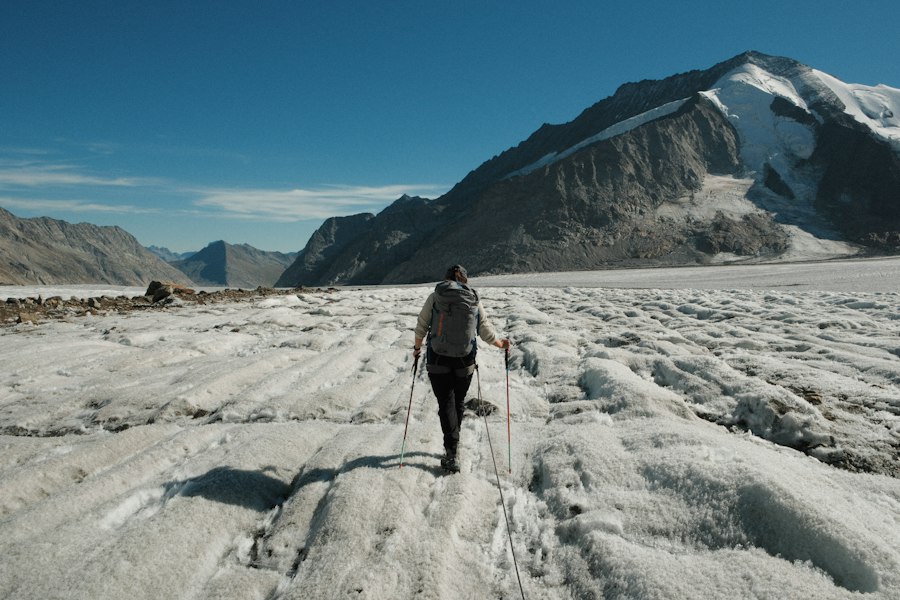
Survival through the Ice Age was not solely a matter of individual prowess or technological innovation; it was fundamentally a collective endeavor. The immense challenges of the glacial environment fostered the development of more complex social structures and a heightened reliance on cooperation within human groups. The solitary hunter or gatherer would have stood little chance against the relentless pressures of the cold.
The need for coordinated hunting of large game, the construction and maintenance of shelters, the sharing of scarce resources, and the protection of vulnerable members of the group all necessitated a level of social organization. Small bands likely evolved into larger, more cohesive units, bound by kinship and shared responsibilities. This increased social complexity allowed for a division of labor, where individuals could specialize in certain tasks, thereby increasing overall efficiency and the group’s survival prospects.
The Power of the Collective: Group Hunting and Resource Sharing
The hunting of megafauna, such as mammoths, was a dangerous undertaking that demanded immense coordination and communication. Successful hunts required individuals to act in concert, employing a variety of tactics to corner, wound, and ultimately bring down these massive animals. This would have involved signals, synchronized movements, and a shared understanding of roles and responsibilities. The rewards of such a successful hunt – a significant food source, hides for clothing and shelter, and bones for tools and construction – were substantial, making the risks worthwhile for a cooperative group.
Beyond hunting, the sharing of resources was equally vital for group survival. In times of scarcity, when individual foraging efforts might yield little, the collective stores of food and other essential materials provided a safety net. This communal sharing fostered a sense of interdependence and reinforced social bonds. It meant that no single individual or family unit had to bear the brunt of a failed hunt or a depleted foraging expedition. This altruism, ingrained in social behavior, was a powerful evolutionary advantage.
The Transmission of Knowledge: Learning and Intergenerational Skills
The Ice Age winters were long, providing ample time for learning and the transmission of vital knowledge across generations. The skills required for survival were not innate; they had to be learned and honed. This included the intricate knowledge of animal behavior, tracking techniques, the identification of edible plants (even those with short growing seasons), the mastery of toolmaking, and the understanding of fire management.
Elders within the group would have played a crucial role as repositories of this knowledge, passing down their accumulated wisdom and experience to younger generations. This intergenerational transmission of skills was essential for maintaining the group’s survival capacity over time. Without it, each new generation would have had to rediscover the fundamental principles of survival, a potentially fatal process in such a demanding environment. The development of rudimentary forms of storytelling and visual representation, potentially through cave art, might have also served as a means of preserving and transmitting cultural knowledge and survival strategies. The shared understanding of the world, the lessons learned from past winters, and the traditions of cooperation were the invisible threads that held these Ice Age communities together.
Beyond the Ice: Legacy and Long-Term Impact
The challenges of the Ice Age were not merely a test of endurance; they were a crucible that forged humanity’s future. The adaptations and innovations developed during these prolonged periods of extreme cold had a profound and lasting impact on human evolution, social organization, and the trajectory of our species. The skills honed, the knowledge accumulated, and the social structures developed during these difficult times laid the groundwork for the incredible achievements that would follow.
The technological advancements, from refined stone tools to the mastery of fire, represent significant leaps in human cognitive abilities and manipulative skills. These were not isolated inventions but rather a foundation upon which future technologies would be built. The ability to process raw materials, create complex tools, and harness natural forces like fire provided early humans with an unprecedented level of control over their environment. This sense of agency, however nascent, was a crucial step in our development as a species.
The Shaping of Human Resilience: Cognitive and Behavioral Evolution
The constant struggle for survival in the Ice Age fostered the development of crucial cognitive traits. The need for planning, foresight, problem-solving, and abstract thinking was paramount. Early humans had to anticipate seasonal changes, plan for resource scarcity, and strategize hunting expeditions. This constant cognitive engagement with their environment likely played a significant role in the development of the human brain, particularly in areas associated with executive function, memory, and spatial reasoning.
Furthermore, the emphasis on cooperation and social learning had a lasting impact on human behavior. The success of Ice Age communities depended on their ability to work together, share resources, and transmit knowledge. This fostered the development of complex social dynamics, communication skills, and a capacity for empathy and altruism. These social instincts, honed during the Ice Age, are fundamental to human societies today. The development of shared cultural norms and traditions, passed down through generations, also played a vital role in maintaining social cohesion and ensuring the continuity of survival strategies.
During the harsh conditions of the Ice Age, early humans developed innovative survival strategies that allowed them to endure extreme cold and scarce resources. They adapted their hunting techniques, created sophisticated tools, and formed social groups for better cooperation and support. Understanding these survival mechanisms can provide insights into how climate changes have historically impacted human societies. For a deeper exploration of how climate has influenced human development, you can read more in this article about the Bronze Age collapse and its climatic role here.
The Dawn of a New World: Setting the Stage for Civilization
The end of the last glacial period, known as the Pleistocene-Holocene transition, marked a dramatic shift in Earth’s climate. As the ice sheets retreated, global temperatures rose, sea levels climbed, and the planet entered a period of relative stability and warming. This new epoch, the Holocene, brought about significant environmental changes that would ultimately pave the way for the development of agriculture, settled communities, and eventually, civilization.
The hard-won knowledge and skills acquired during the Ice Age were not rendered obsolete by this climatic shift. Instead, they provided the foundation upon which new ways of life could be built. The understanding of plant life gained from opportunistic gathering, the sophisticated toolmaking techniques, and the organizational skills developed for collective endeavors were all crucial for the transition to a more sedentary lifestyle and the domestication of plants and animals. The resilience and adaptability that characterized our ancestors during the Ice Age were precisely the qualities that allowed humanity to thrive and eventually flourish in the post-glacial world, demonstrating that even the harshest environments can be a powerful catalyst for progress and the eventual emergence of complex societies.

Life 20,000 Years Ago: The Ultimate Ice Age Fight to Survive
FAQs
1. How did humans stay warm during the ice age winter?
Humans during the ice age winter stayed warm by creating and wearing clothing made from animal skins and furs. They also built shelters using materials like wood, bones, and hides to protect themselves from the cold.
2. What did humans eat during the ice age winter?
During the ice age winter, humans primarily relied on hunting animals such as mammoths, bison, and deer for food. They also gathered nuts, berries, and roots when available.
3. How did humans adapt to the harsh conditions of the ice age winter?
Humans adapted to the harsh conditions of the ice age winter by developing tools and techniques for hunting, making clothing, and building shelters. They also migrated to follow the movements of animals and find new food sources.
4. Did humans use fire to survive the ice age winter?
Yes, humans used fire during the ice age winter for warmth, cooking food, and protection from predators. They likely carried fire with them when moving to new locations.
5. How did humans navigate the ice age winter landscape?
Humans navigated the ice age winter landscape by using landmarks, the positions of the sun and stars, and their knowledge of the environment. They may have also used tools like maps or simple drawings to aid in navigation.