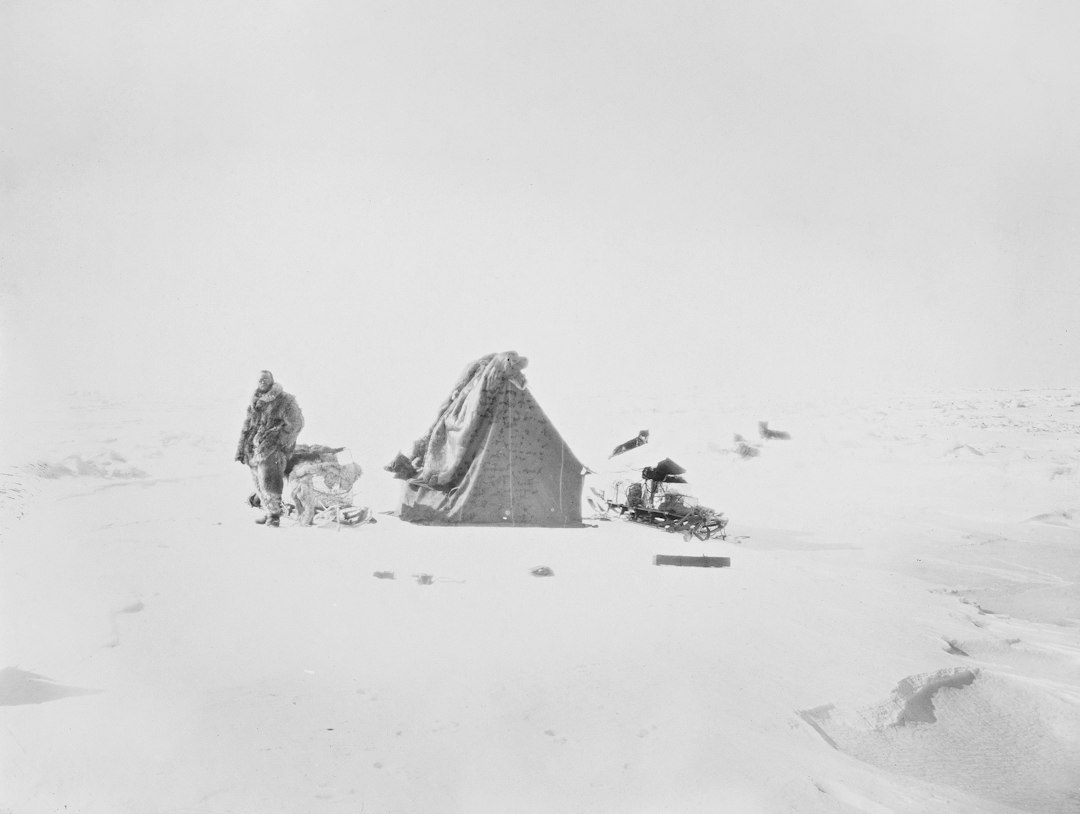
The biting wind howled, a mournful dirge against the stark, frozen landscape. Visibility was a matter of yards, the world painted in shades of white and grey, punctuated by the occasional dark silhouette of a gnarled, ancient tree. Survival in such an environment, an Ice Age indeed, hinged on one critical factor: shelter. Without it, even the most resourceful hunter or gatherer would succumb to the relentless cold, the unforgiving elements. Building a durable ice age shelter was not a matter of convenience; it was a fundamental prerequisite for existence. This guide outlines the principles and practices necessary to construct a refuge that could withstand the harsh realities of a glacial epoch, offering warmth, protection, and a fighting chance against the elements.
Site Selection: The Foundation of Survival
The most crucial decision in constructing any shelter, particularly one designed to endure an Ice Age, is the choice of location. A poor site can negate even the most meticulous construction, while an advantageous one can amplify the effectiveness of simple building techniques. The primary considerations revolve around protection from prevailing winds, proximity to resources, and natural defensive advantages.
Windbreaks and Natural Features
The prevailing winds during an Ice Age would have been fierce and relentless, capable of stripping flesh from bone. Therefore, identifying natural windbreaks is paramount. Cliffs, large rock formations, or dense evergreen forests can offer significant protection. Facing the shelter’s entrance away from the prevailing wind direction is a fundamental principle. Even a slight indentation in a cliff face, a shallow cave, or a natural depression can dramatically reduce the amount of wind that reaches the living space. Observing the vegetation can also provide clues about wind patterns; trees may be bent and stunted on the windward side, offering a visual indicator of the dominant wind direction.
Proximity to Resources
Survival is a balancing act of energy expenditure and acquisition. A shelter’s location must therefore be within a reasonable distance of essential resources. Water, though frozen, would be a critical need, and proximity to a meltwater source or a area where ice could be readily harvested is vital. Food sources, such as game trails, areas of edible plant growth (even if limited during an Ice Age), or fishing grounds, should also be considered. Long treks to acquire necessities would drain precious energy and increase exposure to the elements. A site that balances access to resources with inherent protection is the ideal.
Elevation and Drainage
While it might seem counterintuitive in a frozen world, drainage is still a significant concern. Melting snow and ice can lead to water accumulation, especially if the shelter is built in a low-lying area that traps moisture. Choosing a slightly elevated position, a gentle slope, or a well-drained plateau can prevent the shelter from becoming a flooded or waterlogged trap. Furthermore, higher ground often offers better visibility of the surrounding area, aiding in spotting both prey and potential predators.
Microclimates and Sunlight
Even in a frigid environment, microclimates exist. Areas that receive more sunlight, even weak, diffused sunlight, can offer a marginal but crucial difference in temperature. Facing the shelter’s primary opening towards the south (in the Northern Hemisphere) can maximize any available solar gain during the day. Observing animal behavior can also be insightful; animals often seek out warmer, more sheltered spots, and following their lead can reveal advantageous locations.
If you’re interested in learning how to build an ice age shelter, you might find it helpful to explore related topics that delve into survival skills and ancient techniques. One such article that provides insights into the evolution of teaching methods and their applications in various fields is available at this link. Understanding the historical context of survival strategies can enhance your knowledge and skills in constructing effective shelters for extreme conditions.
Material Acquisition: The Building Blocks of Resilience
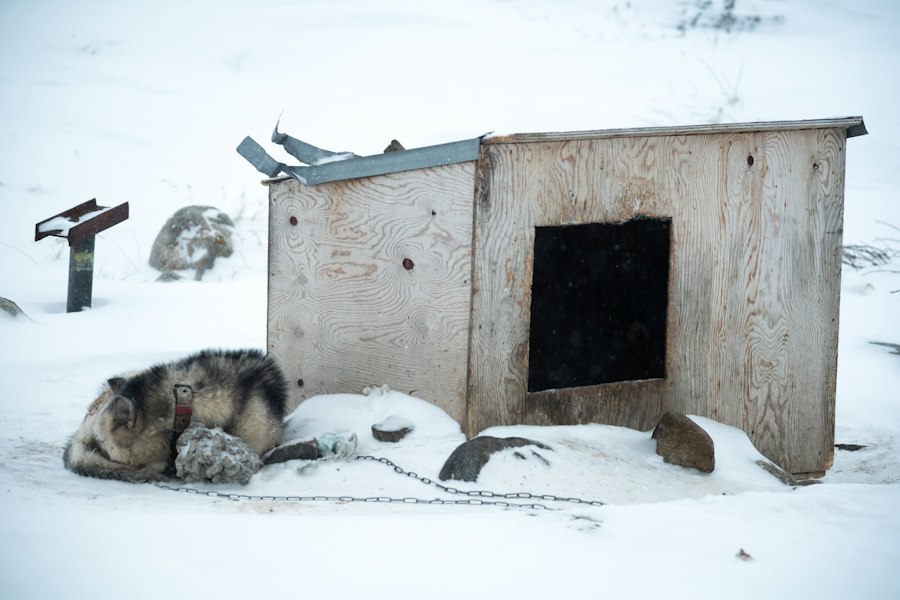
The success of an Ice Age shelter is directly tied to the materials available and the ingenuity employed in their use. Resourcefulness was not merely an option; it was a necessity. The natural environment provided the raw ingredients, and a deep understanding of their properties was essential for effective construction.
Stone and Earth: The Primary Defense
In many Ice Age environments, rock and earth would have been abundant. Large stones, quarried from cliff faces or found as erratics, could form the foundational walls of a shelter. These stones, when stacked and interlocked, provide excellent thermal mass, absorbing and slowly releasing heat. The spaces between larger stones could be chinked with smaller rocks, mud, or even compacted snow.
Earth, when frozen, can also serve as a surprisingly effective building material. Large clods of frozen earth, particularly from areas with thick sod, could be used to build walls, offering insulation and a degree of wind resistance. Packed earth, rammed into place, can create solid, insulating structures. The ability to dig into the earth itself, creating semi-subterranean dwellings, also leverages the insulating properties of the ground.
Wood and Bone: Structural Support and Insulation
While forests might have been less dense during an Ice Age, wood would still have been available, particularly from hardy conifers. Fallen branches and larger timber could be used for structural support, framing entrances, or creating roof beams. The sheer quantity of wood needed for a substantial structure might be a limiting factor in some environments, but even smaller pieces could be invaluable for reinforcing walls, creating ventilation shafts, or fashioning rudimentary furniture.
Animal bones, particularly those of large prey like mammoths or woolly rhinoceroses, could also serve as structural elements. Massive leg bones could be used as upright supports, while ribs could be lashed together to form frameworks. The density and strength of bone made them a valuable, albeit less common, building material.
Hides and Fur: The Ultimate Insulators
The primary goal of an Ice Age shelter is to retain heat. Animal hides and furs are nature’s most effective insulators. Large hides, meticulously prepared and stretched, could be used to create doors, to cover openings, or even to line the interior walls of a shelter. Multiple layers of thick fur, such as that from reindeer or bison, would provide exceptional insulation against the biting cold. The careful stitching and joining of these hides would be crucial to prevent drafts.
Snow and Ice: A Double-Edged Sword
While the environment itself is defined by snow and ice, these materials can be both a building component and a formidable adversary. Properly compacted and sculpted snow can create surprisingly strong and insulating structures, such as snow caves or igloos. However, the stability of snow structures is dependent on consistent freezing temperatures and careful construction. Melt and refreeze cycles can compromise their integrity. Ice, when available in large blocks, could also be used for construction, particularly for roofing or as a transparent element in an entranceway. However, its fragility and susceptibility to melting make it a less reliable primary building material.
Design and Construction: Creating a Warm Haven
The design of an Ice Age shelter must prioritize heat retention, wind protection, and structural integrity. Simple, robust designs are generally more effective than complex ones, as they are less prone to failure and easier to maintain with limited tools and resources.
The Subterranean Advantage
The most effective and energy-efficient Ice Age shelters often incorporated a significant subterranean element. Digging into the earth or a hillside provided a natural insulating blanket, leveraging the stable temperature of the ground. A semi-subterranean dwelling, with walls built up above ground and a roof that might be partially earth-covered, offered excellent protection from the wind and cold. The deeper the structure, the more consistent and warmer the internal temperature would be.
Entrance and Ventilation: Balancing Protection and Airflow
The entrance to an Ice Age shelter is a critical vulnerability. It is the primary point of heat loss and wind ingress. Therefore, the entrance should be as small as practically possible and designed to create a thermal lock. A double-entrance system, with a small antechamber, can significantly reduce heat loss. Placing the entrance away from the prevailing wind is also essential.
Ventilation, while seemingly counterintuitive in a cold environment, is crucial for safety. Fires, used for heating and cooking, consume oxygen and produce carbon monoxide. A well-designed shelter would incorporate a rudimentary ventilation shaft, strategically placed to draw in fresh air without creating a significant draft. The height and positioning of this shaft would need to be carefully considered to maximize airflow while minimizing heat loss.
Roof Construction: Shedding the Elements
The roof is the most exposed part of any shelter. For an Ice Age dwelling, a robust and well-insulated roof is paramount. If using wood, a strong framework of beams would be necessary, overlaid with smaller branches, brush, and then a thick layer of earth or sod. The pitch of the roof should be sufficient to shed snow and ice effectively, preventing the build-up of excessive weight.
If utilizing stone, large slabs could be used to form a vaulted roof, or a more traditional beam-and-plank construction could be employed, again covered with insulating materials. In areas with abundant ice, large blocks of ice could be meticulously fitted together to create a translucent roof, allowing some natural light to penetrate while still offering insulation.
Interior Layout and Insulation
The interior of the shelter should be designed for maximum comfort and heat efficiency. Sleeping areas should be elevated above the cold ground, perhaps on raised platforms made of woven branches or packed earth. The walls and ceiling should be insulated as much as possible, using layers of hide, fur, or compacted moss. A central hearth or fire pit, with a chimney leading to the ventilation shaft, would be the primary source of heat. The strategic placement of fire and sleeping areas would be essential to distribute warmth effectively.
Maintaining and Fortifying the Shelter: Long-Term Viability
An Ice Age shelter is not a static structure; it is a living entity that requires ongoing maintenance and occasional reinforcement to remain effective. The relentless forces of nature demand constant vigilance.
Snow Management
Accumulating snow can be a significant threat, both in terms of weight on the roof and blocking entrances. Regular clearing of snow from the roof and around the entrance is essential. The cleared snow can be used to further insulate the exterior walls, reinforcing the structure and increasing its thermal mass. However, care must be taken not to over-insulate the ventilation shaft, which could compromise airflow.
Repairing Damage
The harsh conditions can lead to wear and tear. Gaps in the walls can appear due to frost heave or wind erosion. Hides can tear, and structural elements can weaken. Regular inspections of the shelter’s integrity are necessary, with prompt repairs to any compromised areas. This might involve patching walls with mud and straw, re-chinking stone joints, or repairing torn hides with sinew and bone needles.
Fortification Against Elements and Wildlife
While the primary purpose is to protect from the cold, an Ice Age shelter might also need to offer some protection from formidable Ice Age wildlife. Reinforcing the entrance with heavier stones or sharpened wooden stakes could deter curious or aggressive animals. The overall structural integrity should be sound enough to withstand minor impacts.
Interior Hearth Management
The fire is the heart of the shelter, but it also requires careful management. Ensuring the fire is contained and does not damage the structure is vital. The chimney needs to be kept clear of debris to maintain proper airflow. The ashes from the fire can also be used to help seal gaps in the walls or floor, adding another layer of insulation.
Building an effective ice age shelter requires careful planning and knowledge of the environment, which can be further understood by exploring related topics. For instance, if you’re interested in ancient navigation and survival techniques, you might find insights in the article about the Piri Reis map, which discusses historical perspectives on exploration and geography. You can read more about it here. Understanding how ancient civilizations adapted to their surroundings can provide valuable lessons for constructing your own shelter in extreme conditions.
Adapting to the Seasons and Future Needs: Evolving with the Environment
| Step | Action | Materials Needed | Estimated Time | Key Tips |
|---|---|---|---|---|
| 1 | Choose Location | Natural terrain (caves, hills, snowdrifts) | 1-2 hours | Pick a sheltered spot away from wind and avalanche paths |
| 2 | Gather Building Materials | Snow blocks, ice chunks, wood, animal skins | 2-4 hours | Use dense snow for blocks; collect sturdy wood for framework |
| 3 | Construct Shelter Frame | Wooden poles, snow blocks | 3-5 hours | Build a dome or igloo shape for strength and heat retention |
| 4 | Build Walls and Roof | Snow blocks, ice slabs | 4-6 hours | Stack blocks tightly; carve blocks to fit snugly |
| 5 | Seal Gaps and Insulate | Snow powder, animal skins, moss | 1-2 hours | Fill cracks with snow powder; line interior with skins for warmth |
| 6 | Create Entrance Tunnel | Snow blocks, digging tools | 2-3 hours | Build a low tunnel to reduce heat loss and block wind |
| 7 | Ventilation | Small hole or pipe | 30 minutes | Ensure fresh air flow to prevent carbon monoxide buildup |
| 8 | Furnish Interior | Animal skins, wood platforms | 1-2 hours | Elevate sleeping area to avoid cold ground contact |
While the focus is on enduring the Ice Age, adaptability is key to long-term survival. Understanding how the shelter’s performance might change with the subtle shifts in seasons, and planning for future improvements, is a hallmark of successful prehistoric builders.
Seasonal Considerations
Even within an Ice Age, there would have been periods of slightly less extreme cold, when meltwater might be more prevalent. The shelter’s design would need to account for this, perhaps with improved drainage around the entrance or ways to manage internal dampness. Conversely, during periods of extreme cold or blizzards, reinforcing insulation and ensuring the entrance was completely sealed would become paramount.
Expansion and Modification
As a group’s needs change, or as more resources become available, the shelter might need to be expanded or modified. This could involve digging deeper into the earth, adding new chambers, or improving the insulation with new materials. The initial construction should ideally allow for such future adaptations, with robust foundational elements that can support additional construction.
Resource Management and Sustainability
The construction and maintenance of a shelter are intrinsically linked to resource management. Over-harvesting wood or depleting local stone sources would be detrimental to long-term survival. Understanding the sustainable use of available materials and planning for their replenishment, where possible, would be crucial for the continued viability of the shelter. This might involve cultivating fast-growing shrubs for insulation or carefully managing hunting grounds to ensure future availability of hides.
The Legacy of the Shelter
Ultimately, a well-built Ice Age shelter was more than just a physical structure; it was a testament to human ingenuity, resilience, and the deep understanding of the natural world. It was a place of refuge, of community, and of hope in a world that offered little of either. The principles of sound site selection, intelligent material use, robust design, and ongoing maintenance remain timeless lessons in the art of survival, echoing through the millennia.

Life 20,000 Years Ago: The Ultimate Ice Age Fight to Survive
FAQs
1. How can I determine a suitable location for building an ice age shelter?
To build an ice age shelter, it is important to choose a location that is sheltered from harsh winds and has access to resources like water and food. Look for areas with natural barriers like cliffs or large rocks to provide additional protection.
2. What materials are best for constructing an ice age shelter?
Materials like ice blocks, snow, and packed earth are commonly used for building ice age shelters. These materials provide insulation against the cold and help maintain a comfortable temperature inside the shelter.
3. How can I make my ice age shelter structurally sound?
To ensure the structural integrity of your ice age shelter, consider reinforcing the walls and roof with additional layers of snow or ice blocks. Compact the materials tightly to prevent shifting or collapsing due to weather conditions.
4. What are some essential features to include in an ice age shelter?
Key features to include in an ice age shelter are a small entrance to retain heat, a ventilation hole to prevent carbon monoxide buildup, and a raised sleeping platform to insulate from the cold ground. Additionally, consider adding storage space for supplies.
5. How can I stay warm inside an ice age shelter?
To stay warm inside an ice age shelter, use insulating materials like fur or blankets for bedding, light a fire if possible (while ensuring proper ventilation), and wear layers of clothing to trap body heat. It’s important to regularly check and maintain the shelter to prevent heat loss.